
- Home

- Digital Image
- ganku, kishi ku (koma), saeki masaaki ku (koma), funzen, utanosuke, dôkôkan, kakandô, kayô, kotôkan, kyûsôrô, tansai, tenkaikutsu
 Preview
 Send
Send Share
Share
 Details

 Download
 Similars
 X-Ray
X-Ray Diaporama
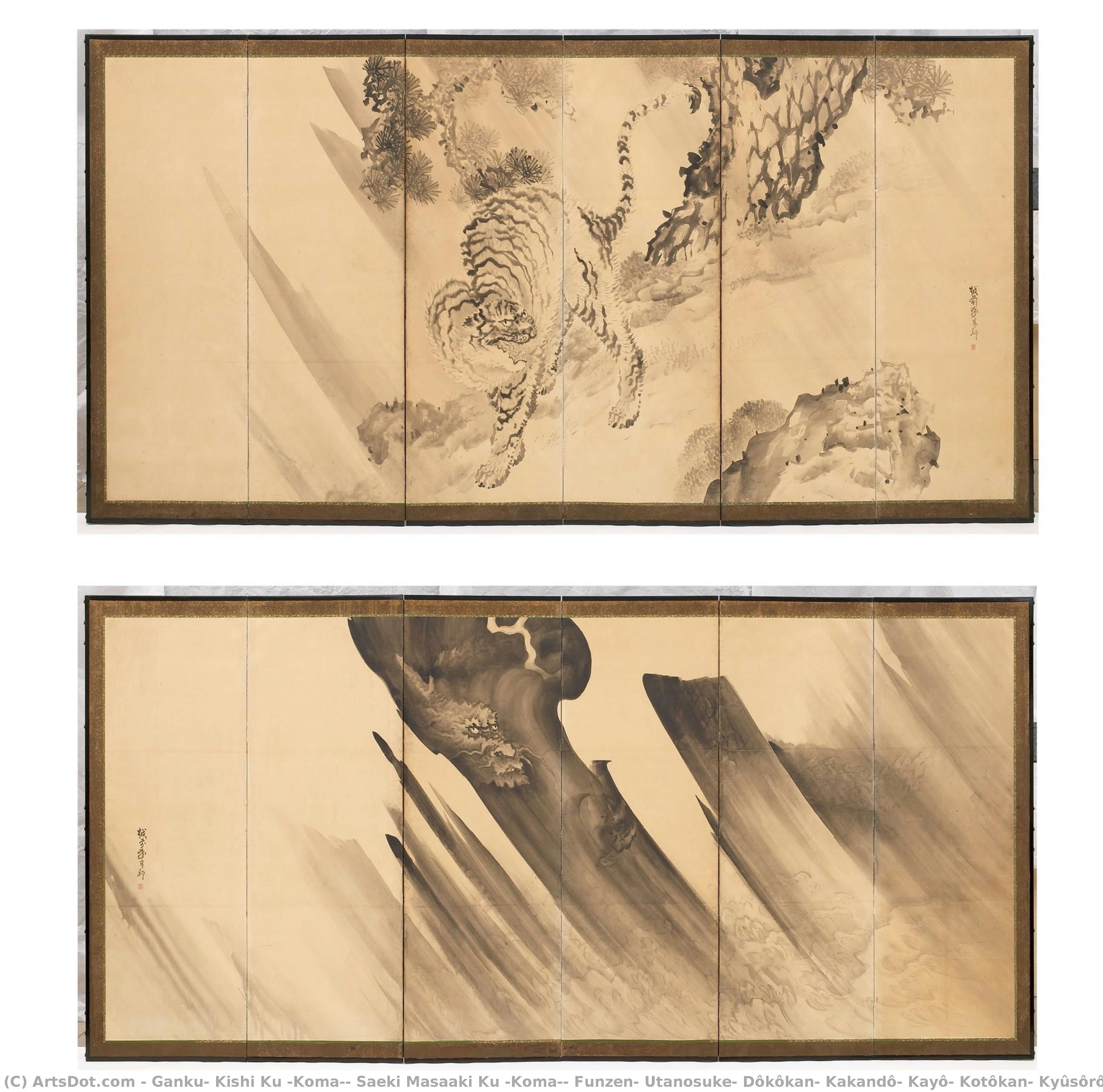
Tiger and dragon
 Ink
Ink 19th Century
 376.0 x 174.0 cm
 Museum of Oriental Art
 Read More
Purchase a high-resolution, enhanced digital image, far superior to the online preview.
Each file is meticulously prepared by our in-house specialists using advanced tools and expert manual retouching. We ensure every image has exceptional clarity, precise color accuracy, and fine detail.
The final file is delivered via email within 72 hours, optimized for immediate use in professional, editorial, and print environments. This is the same quality trusted by top-tier design studios, publishers, and galleries.
Digital Image
Download a high-resolution file for personal display, printing, and creative projects. ( Buy Print Buy Hand Made Painting)
Included in Every Digital Image Order
Expert Digital Delivery, Guaranteed
When you choose ArtsDot.com, you're not just getting an image - you're receiving a professionally enhanced digital artwork, crafted with precision and backed by a satisfaction guarantee. Here's everything that comes with your order, automatically:

Fast Email Delivery
Your high-resolution digital image file will be emailed to you within 72 hours of ordering - ready for immediate use.

AI-Enhanced Digital File
Your artwork is professionally optimized using advanced AI tools and manual editing, ensuring maximum detail, clarity, and color accuracy.

Free Lifetime Re-Delivery
Accidentally deleted or lost your file? No worries - we'll resend it to you anytime, free of charge.

No Import Fees - Ever
Enjoy your artwork instantly with zero customs, duties, or delivery fees - digital downloads are always tax-free.

Color Accuracy Guarantee
We ensure your digital image reflects the original colors as closely as possible using professional tools and color management.

100-Day Satisfaction Guarantee
If you're not satisfied with your digital image, we'll revise it or refund 100% within 100 days - no questions asked.

100% Money-Back Guarantee
Not satisfied? Get a full refund within 100 days of receiving your digital file - no questions asked.

Bulk Order Discounts
Buy 3 images, save 10% - Buy 5, save 15% - Buy 10+, save 20%. Great for creative projects, galleries, and agencies.
A Celestial Encounter: The Primal Energy of Tiger and Dragon
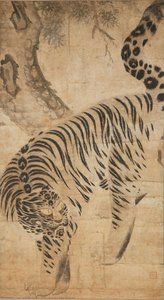
In the grand tradition of Japanese screen painting, few subjects command as much visceral attention as the dual presence of the tiger and the dragon. This breathtaking pair of screens, attributed to the masterful hand of Kishi Ganku, serves as a profound meditation on the elemental forces of nature. The artwork presents a dramatic dichotomy: one screen captures the grounded, muscular intensity of a tiger navigating a rugged, mountainous terrain of pine and stone, while the other unveils a celestial dragon emerging from a turbulent sea of boiling waters and swirling clouds. Together, they create a cosmic dialogue between the earth and the heavens, inviting the viewer into a world where the boundaries between the physical and the spiritual are perpetually blurred.
The artistry behind these screens is rooted in the vigorous, expressive brushwork characteristic of the late Edo period. Ganku, a pivotal figure of the Kishi school, was celebrated for his ability to blend the refined elegance of the Maruyama-shijō school with the powerful, sweeping strokes of Chinese-inspired styles. In this particular work, one can feel the artist's pulse through every stroke; the tiger’s open maw and the dragon’s serpentine movement are rendered with a kinetic energy that feels almost alive. The use of broad, confident applications of pigment creates a sense of texture—from the rough, weathered surfaces of the mountain rocks to the ethereal, misty atmosphere surrounding the dragon—making the composition feel both monumental and deeply intimate.
Symbolism and the Harmony of Opposites
Beyond their visual splendor, these screens are steeped in profound Eastern symbolism. The tiger and the dragon are not merely creatures of myth; they represent the fundamental balance of the universe. Often associated with the seasons of autumn and spring, respectively, their pairing evokes the concept of yin and yang—the eternal dance between strength and fluidity, terrestrial power and celestial wisdom. The tiger, a symbol of earthly authority and ferocious courage, stands amidst the permanence of the mountains, while the dragon represents the unpredictable, transformative power of the heavens and the waters. For the discerning collector or interior designer, this piece offers more than decoration; it provides a focal point of philosophical depth, suggesting a space of balance, resilience, and cosmic order.
Integrating such a magnificent work into a contemporary setting offers an unparalleled opportunity for dramatic impact. Whether placed in a grand salon or a curated study, the sheer scale and movement of these paintings can transform the atmosphere of a room, lending it an air of historical prestige and cultural sophistication. A high-quality reproduction of this masterpiece allows the evocative power of Ganku’s vision to reside within your home, serving as a constant reminder of the sublime beauty found in the struggle and harmony of the natural world.
Related Artworks


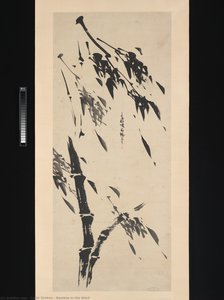
Artist Biography
early life and training
ganku, kishi ku (koma), a renowned japanese painter from kyoto, was born in 1749 in kanazawa as saeki masaaki ku (koma). he studied various painting styles, including those of chinese painter shen nanpin and the maruyama-shijō school. this diverse training laid the foundation for his future success.rise to prominence
ganku's artistic talents soon gained recognition, leading him to assume a position under prince arisugawa by the late 18th century. his work was highly appreciated by patrons, including the imperial family. this period marked the beginning of his illustrious career.notable students and legacy
ganku's influence extended beyond his own work through his students, who included:- gantai (1782–1865), his son
- ganryou (1797–1852), his son-in-law
- renzen (1804–59), his adopted son
- yokoyama kazan (1784–1837)
- shirai kayou (fl. ca 1840–60)
- kawamura bumpou (1779–1821)
later life and honors
ganku was made honorary governor of echizen (echizen no kami, 越前守) toward the end of his life. he passed away on january 19, 1839, in kyoto.artistic style and notable works
notable works by ganku include:- birds on a plum tree (silk, 107 x 34 cm)
- tiger and dragon (paper, 376 x 174 cm, museum of oriental art, turin, italy)
references and external links
- ganku, kishi ku (koma), saeki masaaki ku (koma), funzen, utanosuke, dôkôkan, kakandô, kayô, kotôkan, kyûsôrô, tansai, tenkaikutsu on ArtsDot
- kishi ganku on wikipedia
conclusion
ganku's legacy as a leading japanese painter of kyoto and founder of the kishi school of painting continues to inspire artists and art enthusiasts alike. his influence, marked by his captivating depictions of tigers and other subjects, remains a testament to his enduring impact on the world of art.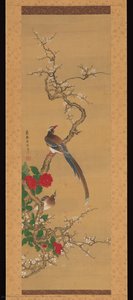
Quick Facts
- Artistic Movement Or Style: Kishi School
- Artists Or Movements Influenced By This Artist:
- Gantai
- Ganryou
- Renzan
- Artists Who Influenced This Artist:
- Shen Nanpin
- Maruyama-Shijō school
- Date Of Birth: 1749, Kanazawa
- Date Of Death: 1839, Kyoto
- Full Name: Kishi Ganku (Saeki Masaaki Ku)
- Nationality: Japanese
- Notable Artworks:
- Birds on a Plum Tree
- Tiger and Dragon
- Place Of Birth: Kanazawa, Japan