 Preview
 Send
Send Share
Share
 Details

 Download
 Similars
 X-Ray
X-Ray Diaporama
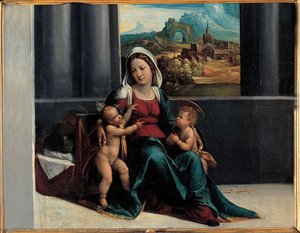
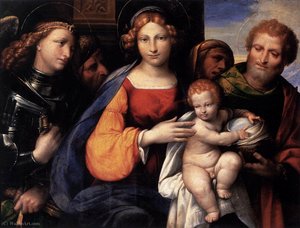
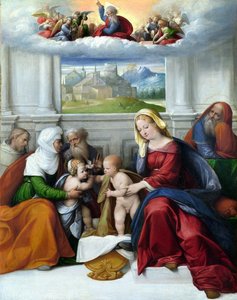
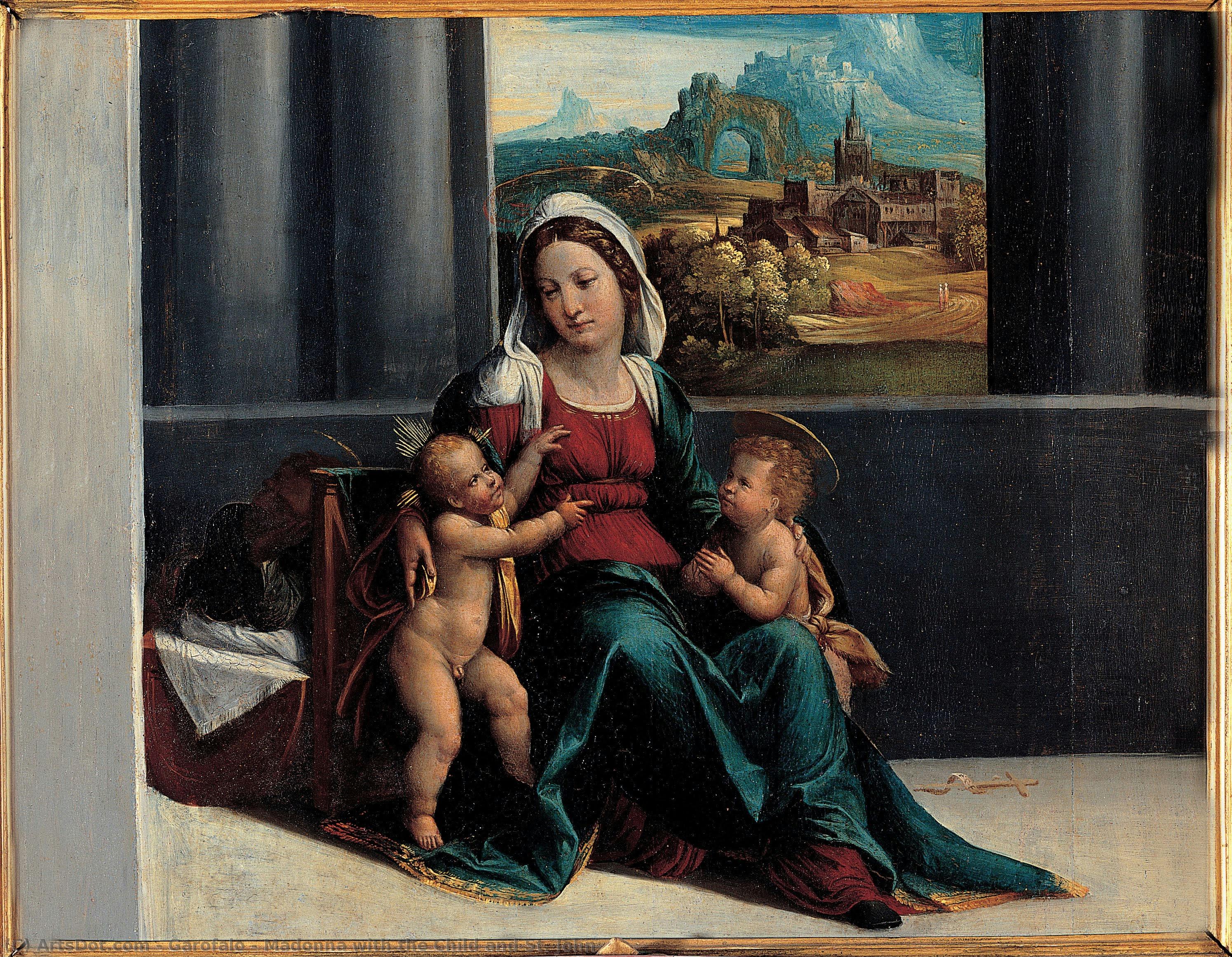
Madonna with the Child and St. John
 Oil
Oil- WallArt
- Baroque Renaissance
 420.0 x 330.0 cm
 Musei Capitolini
 Read More
Hand Made Oil Reproduction
Hand-painted oil on canvas in your size and frame, made to order by our artists. ( Buy Print Buy Image)




P118B $10

P118H $10

P118W $10

P438Z $10

P508JH $12

P508YH $12

P805H $10

P805Z $10

P919BZ $10

P919G $10

P919XJ $10

P959ZH $10

P968JZ $12

W106C $8

W218G $10

W218JH $8

W218Y $10

W307PJ $10

W316G $10

W316PJ $8

W316Y $10

W398PJ $8

W4111J $10

W500HY $15

W500JH $15

W692G $12

W849H $8

W940BG $15

W953PJ $8




Pick from our preset sizes that match the artwork's original proportions.

You may enter your own dimensions to fit a specific frame or space. If your selected size does not match the original image's proportions, we will either crop the artwork or extend the painting with additional hand-painted elements. A digital mockup will be sent for your approval before production begins.
Please note that the on-screen preview does not reflect the actual cropping or extension. Only the mockup will accurately show the final composition.
While custom sizes are available, we recommend selecting a dimension from the predefined list to preserve the original proportions.
After order, ArtsDot.com team will email client for instructions and provide a mockup preview
Worldwide Delivery () in 3/4 weeks instead of standard 5 weeks. (16 August). No compromise on quality.

Free Worldwide Express Shipping

High-Quality Linen Canvas

Full Shipping Insurance

Customs Tax Refund Guarantee

True Color Matching Guarantee

60-Day Return Policy (Defects Only)

100% Money-Back Guarantee

Bulk Discount Offer
 Glass option is only available in size under 110 CM

Madonna with the Child and St. John
Reproduction Medium
Reproduction Size
-


Total Price
$ 263
Artwork Description
Benvenuto Garofalo’s “Madonna with the Child and St. John”: A Glimpse into Ferrara’s Renaissance Soul
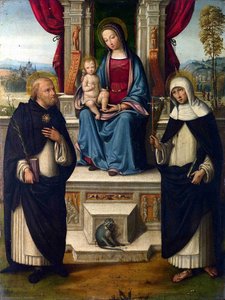
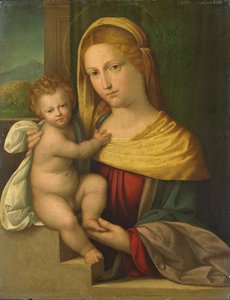
Benvenuto Garofalo's "Madonna with the Child and St. John," a captivating work from around 1499-1502, offers a profound window into the artistic heart of Ferrara during the late Italian Renaissance. More than simply a devotional image, it’s a meticulously crafted tableau brimming with symbolism, technical mastery, and an intimate portrayal of faith and family. The painting, now housed in the National Gallery in London (NG3102), immediately draws the eye with its rich palette and the palpable sense of serenity emanating from the scene – a carefully constructed world of piety and grace.
Garofalo’s style during this period is often described as “idyllic,” reflecting the opulent setting of Ferrara, a powerful duchy renowned for its artistic patronage. However, beneath the surface of luxurious detail lies a sophisticated understanding of perspective, color theory, and human emotion – hallmarks of his training under the Duke d'Este. The composition itself is remarkably balanced, guiding the viewer’s eye through a carefully orchestrated arrangement of figures and elements. Notice how Garofalo utilizes light to create depth, illuminating the Virgin Mary and Christ Child while subtly receding into the background, establishing a clear hierarchy within the scene.
A Symphony of Symbolism
The painting is replete with symbolic details that elevate it beyond a simple portrait of the Madonna. The presence of St. John the Baptist, depicted as a young boy, immediately establishes a narrative of innocence and divine guidance. His youthful appearance contrasts sharply with Mary’s serene composure, suggesting a future filled with both joy and sacrifice. The inclusion of the monkey, a seemingly incongruous element, is particularly intriguing. Scholars believe it represents humanity's inherent desires and temptations, disciplined by the Christian faith – a potent reminder of the ongoing struggle between earthly passions and spiritual devotion. The goldfinch held by Christ, a symbol of his Passion, further reinforces this theme.
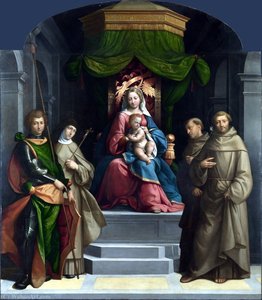
The depiction of St. Dominic, the founder of the Dominican Order, is also significant. His lily, a traditional emblem of purity and virtue, underscores the sanctity of the scene. Similarly, St. Catherine of Siena’s markings – her hands, feet, and side bearing the stigmata – symbolize her dedication to Christ and her role as a conduit for divine grace. These carefully chosen symbols work in concert to create a layered and profoundly meaningful visual narrative.
Technique and Materials: A Master's Hand
Garofalo’s technical skill is evident in every brushstroke. The painting is executed in tempera and oil on wood, a combination that allowed for both vibrant color and textural richness. The artist demonstrates a remarkable command of detail, from the delicate folds of Mary’s robes to the intricate patterns adorning the background. Note the subtle gradations of light and shadow, which create a sense of volume and realism. The use of gold leaf adds further opulence and draws attention to key elements within the composition.
The painting's dimensions (46.3 × 34.8 cm) suggest it was originally intended for private devotion, perhaps a chapel or a wealthy patron’s home. Its intimate scale invites contemplation and fosters a sense of personal connection with the depicted figures. The careful attention to detail and the masterful execution demonstrate Garofalo's dedication to his craft and his profound understanding of artistic principles.
A Timeless Masterpiece: Reproduction and Beyond
Reproductions of “Madonna with the Child and St. John” capture much of the original’s beauty and power, offering a stunning addition to any art collection or interior space. The rich colors and intricate details are faithfully reproduced, allowing viewers to appreciate Garofalo's artistry from afar. Whether displayed in a grand salon or a smaller room, this painting continues to inspire awe and reverence – a testament to the enduring legacy of Benvenuto Garofalo and his remarkable contribution to the Renaissance art world.
Related Artworks

Artist Biography
Benvenuto Garofalo: A Master of Ferrara’s Late Renaissance
Benvenuto Garofalo, born in Canaro near Ferrara in 1481 and tragically dying in 1559, stands as a pivotal figure within the School of Ferrara – a vibrant artistic movement that flourished during the late Italian Renaissance. More than simply a painter, Garofalo was a meticulous craftsman, a skilled storyteller, and a keen observer of human emotion, whose works offer a captivating glimpse into the refined tastes and complex sensibilities of 16th-century Italy. His career began as an apprentice within the court of the Duke d’Este, quickly establishing him amongst a circle of artists known for their opulent commissions and elaborate conceits. While his early pieces are often described as “idyllic,” reflecting the luxurious setting of Ferrara, they demonstrate a sophisticated understanding of perspective and color that would evolve dramatically over time.
Garofalo’s nickname, "Il Garofalo," likely derives from his habit of signing some works with a depiction of a carnation (garofano in Italian). This seemingly small detail speaks volumes about the artist's personality – a touch of personal flair within a highly structured artistic environment. His early career was marked by collaborations, notably with Dosso Dossi, and he benefited greatly from the tutelage of Boccaccino, who introduced him to Venetian painting techniques, influencing his later stylistic choices. The period spent in Rome between 1509 and 1512 proved particularly transformative, exposing Garofalo to the influence of Giulio Romano’s classical style – a shift that would profoundly impact his approach to composition and subject matter.
The Delizia di Belriguardo and Beyond
Returning to Ferrara after Rome, Garofalo found himself deeply involved in decorating several palaces for Duke Alfonso I. The “Delizia di Belriguardo,” a lavishly decorated room within the Palazzo del Belvedere, stands as one of his most celebrated achievements. This project showcased his mastery of fresco painting and his ability to seamlessly integrate classical motifs with the prevailing Mannerist style. Alongside Dosso Dossi, Garofalo created a series of scenes depicting mythological subjects, demonstrating a remarkable command of detail and a deep appreciation for the beauty of the human form. The Duke’s patronage provided him with consistent work, allowing him to hone his skills and explore new artistic avenues.
His output extended beyond palace walls; Garofalo painted extensively in oil and fresco, producing works such as “The Massacre of the Innocents” (1519) at the church of S. Francesco and the powerfully evocative "Betrayal of Christ" (1524). Notably, he employed clay models for study – a testament to his dedication to anatomical accuracy and compositional planning. The “Massacre of the Innocents,” in particular, reveals Garofalo’s meticulous approach; he created detailed clay figures to analyze perspective, drapery, and the emotional impact of each scene.
A Mannerist Style Shaped by Influences
Garofalo's style is often characterized as a synthesis of various influences. The Lombard influence is evident in his use of rich color palettes and dynamic compositions. Roman art provided him with a foundation in classical mythology and portraiture, while Venetian painting instilled within him an appreciation for atmospheric perspective and the subtle nuances of light and shadow. His work reflects this complex interplay of styles, creating a unique visual language that is both elegant and emotionally resonant.
The years spent in Rome were particularly formative, exposing Garofalo to the innovations of Raphael and Giulio Romano. He absorbed their emphasis on illusionistic space, dramatic lighting, and intricate detail, incorporating these elements into his own work. His later paintings demonstrate a growing interest in Mannerist conventions – elongated figures, distorted perspectives, and exaggerated gestures – reflecting a deliberate departure from the more balanced proportions of High Renaissance art.
Legacy and Tragic End
Garofalo continued to paint until 1550, when blindness forced him to seek work in monasteries. He dedicated his remaining years to creating devotional paintings, driven by a profound sense of faith. He married at the age of forty-eight and died in Ferrara on September 6th (or 16th) 1559, leaving behind two children. His life was tragically cut short, but his artistic legacy endures through his masterful depictions of religious subjects, his innovative use of color and composition, and his profound understanding of the human condition.
Garofalo’s story is one of artistic brilliance tempered by personal hardship. He remains a significant figure in the history of Italian painting, representing the culmination of the School of Ferrara's distinctive style and embodying the complex aesthetic sensibilities of the late Renaissance.

garofalo
1481 - 1559
Quick Facts
- Artistic Movement Or Style: Late Renaissance & Mannerism
- Artists Or Movements Influenced By This Artist:
- Ferrara School
- Venetian Colouring
- Artists Who Influenced This Artist:
- Dosso Dossi
- Giulio Romano
- Date Of Birth: 1481
- Date Of Death: 1559
- Full Name: Benvenuto Garofalo
- Nationality: Italian
- Notable Artworks:
- Massacre of the Innocents
- Betrayal of Christ
- Place Of Birth: Canaro, Ferrara
Related Articles

John Singer Sargent's 25 Masterpieces: Portraits & Beyond | ArtsDot
Explore 25 iconic John Singer Sargent paintings – from dazzling portraits to Impressionist landscapes. Discover the stories behind Madame X, El Jaleo & more! Find museum-quality art reproductions and elevate your home decor with ArtsDot.com.

John Constable's Masterpieces: Explore 25 Iconic Landscapes for Your Home
Journey through John Constable's 25 most celebrated landscapes. Explore Romanticism, Dedham Vale & his masterful use of light in iconic paintings like 'Hay Wain'. Find museum-quality art reproductions and elevate your home decor on ArtsDot.com.

Raphael's Masterpieces: 25 Iconic Paintings & Renaissance Art for Your Home
Explore 25 breathtaking Raphael paintings! Journey through the Italian Renaissance with masterpieces like 'School of Athens' & iconic Madonnas. Find museum-quality art reproductions and elevate your home decor on ArtsDot.com.

El Greco's Masterpieces: Explore 25 Iconic Paintings & Spiritual Visions | ArtsDot
Journey through El Greco's 25 most iconic paintings! Explore the spiritual depth & dramatic beauty of this Spanish Renaissance master. Discover art history, techniques & find museum-quality reproductions for your home at ArtsDot.com.
Uffizi's 25 Masterpieces: Renaissance Art & Timeless Decor Inspiration
Journey through the Uffizi Gallery's 25 most iconic Renaissance artworks! Explore Botticelli, Leonardo da Vinci & Michelangelo’s masterpieces. Find museum-quality art reproductions and curated decor ideas to bring timeless Italian beauty into your home. Discover all masterpieces on ArtsDot.com