 Preview
 Send
Send Share
Share
 Details

 Download
 Similars
 X-Ray
X-Ray Diaporama
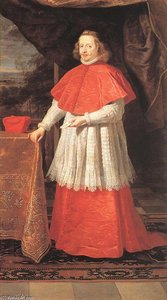
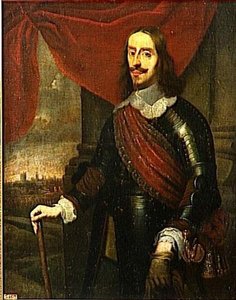
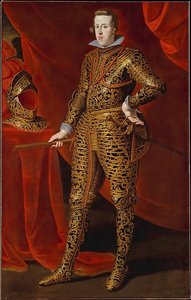
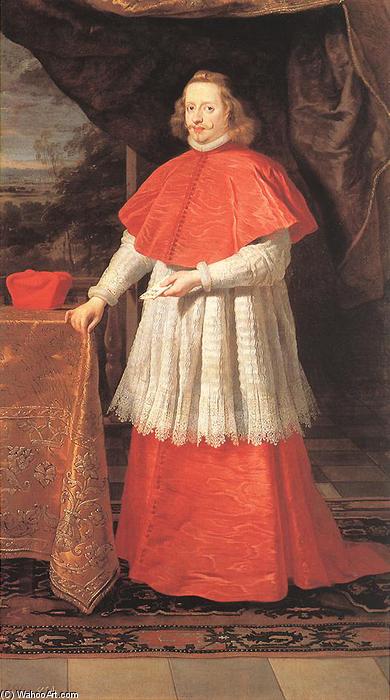
The Cardinal Infante
 Oil On Canvas
- WallArt
- Baroque
 1639
1639 219.0 x 125.0 cm
 Museo del Prado
 Read More
Hand Made Oil Reproduction
Hand-painted oil on canvas in your size and frame, made to order by our artists. ( Buy Print Buy Image)




P118B $10

P118H $10

P118W $10

P438Z $10

P508JH $12

P508YH $12

P805H $10

P805Z $10

P919BZ $10

P919G $10

P919XJ $10

P959ZH $10

P968JZ $12

W106C $8

W218G $10

W218JH $8

W218Y $10

W307PJ $10

W316G $10

W316PJ $8

W316Y $10

W398PJ $8

W4111J $10

W500HY $15

W500JH $15

W692G $12

W849H $8

W940BG $15

W953PJ $8




Pick from our preset sizes that match the artwork's original proportions.

You may enter your own dimensions to fit a specific frame or space. If your selected size does not match the original image's proportions, we will either crop the artwork or extend the painting with additional hand-painted elements. A digital mockup will be sent for your approval before production begins.
Please note that the on-screen preview does not reflect the actual cropping or extension. Only the mockup will accurately show the final composition.
While custom sizes are available, we recommend selecting a dimension from the predefined list to preserve the original proportions.
After order, ArtsDot.com team will email client for instructions and provide a mockup preview
Worldwide Delivery () in 3/4 weeks instead of standard 5 weeks. (17 August). No compromise on quality.

Free Worldwide Express Shipping

High-Quality Linen Canvas

Full Shipping Insurance

Customs Tax Refund Guarantee

True Color Matching Guarantee

60-Day Return Policy (Defects Only)

100% Money-Back Guarantee

Bulk Discount Offer
 Glass option is only available in size under 110 CM

The Cardinal Infante
Reproduction Medium
Reproduction Size
-


Total Price
$ 263
Artwork Description
The Cardinal Infante: A Portrait of Power and Contemplation
Gaspard de Crayer’s “The Cardinal Infante” is more than just a portrait; it's a meticulously crafted tableau vivant, a frozen moment brimming with the weight of rank, faith, and quiet introspection. Painted in 1639 during the tumultuous backdrop of the Thirty Years’ War, this oil on canvas offers a rare glimpse into the life of Ferdinand of Austria, a man simultaneously a powerful military commander, a devout cardinal, and a key figure in the intricate web of European politics. The painting resides within the Museo del Prado in Madrid, a testament to its enduring artistic merit and historical significance. Crayer’s masterful handling of light, shadow, and texture elevates the subject beyond a simple likeness, transforming him into an embodiment of Renaissance ideals – a man of both worldly authority and profound spiritual depth.A Study in Regal Detail: Style and Technique
Crayer's style is deeply rooted in the artistic traditions of Antwerp, yet he possesses a distinctly individual voice. He expertly blends elements of Mannerism with emerging Baroque principles, creating an image that is simultaneously formal and intensely personal. The composition is carefully balanced, drawing the eye to Ferdinand’s face – a study in controlled severity. His gaze, direct and unwavering, conveys both intelligence and a hint of melancholy. Notice the subtle manipulation of light; it sculpts his features, highlighting the planes of his face and emphasizing the rich textures of his velvet robes. The use of sfumato, a technique popularized by Leonardo da Vinci, softens the edges and creates an atmospheric depth that adds to the painting’s overall sense of realism. The meticulous detail evident in the rendering of the intricate embroidery on his garments speaks volumes about the wealth and status associated with the Cardinal-Infante title.Symbolism Woven into the Fabric
Beyond mere representation, “The Cardinal Infante” is rich in symbolic meaning. Ferdinand’s attire – a deep crimson robe adorned with gold trim – immediately signifies his elevated ecclesiastical rank as a cardinal. The color red itself has long been associated with power, sacrifice, and divine authority. His left hand, holding a small book or manuscript, subtly references his role as a scholar and clergyman, suggesting an intellectual side beneath the military façade. The dark curtain behind him serves not merely as a backdrop but also as a visual metaphor for mystery and contemplation – hinting at the weighty responsibilities he carries. The overall composition evokes a sense of solemnity and gravitas, reflecting the serious nature of his position during a time of widespread conflict.A Window into a Turbulent Era
Painted in 1639, “The Cardinal Infante” captures a pivotal moment in European history – the height of the Thirty Years’ War and the Counter-Reformation. The Spanish Habsburgs were struggling to maintain their vast empire against formidable Protestant and Catholic rivals. Ferdinand's role as Governor of the Spanish Netherlands was crucial to Spain’s strategic interests, while his position as Cardinal placed him at the heart of the Catholic Church’s efforts to combat the spread of Protestantism. The painting offers a poignant reminder of the personal sacrifices demanded by leadership during times of war and religious upheaval. It's a portrait not just of an individual, but of an era grappling with profound challenges and shifting power dynamics.Bringing “The Cardinal Infante” Home: A Reproduction for Today
Today, a high-quality reproduction of “The Cardinal Infante” can bring a touch of historical grandeur and contemplative beauty to any interior space. ArtsDot offers meticulously crafted oil painting reproductions that capture the essence of Crayer’s original masterpiece – its rich colors, intricate details, and profound emotional impact. Whether displayed in a study, a gallery, or a sophisticated living room, this timeless portrait will serve as a constant reminder of the complexities of power, faith, and human experience.Related Artworks
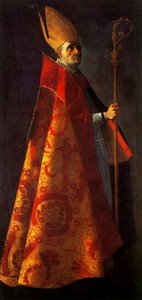
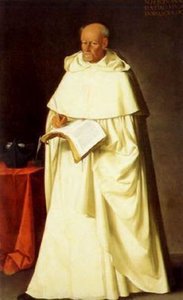
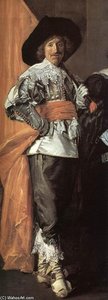
Artist Biography
Gaspar de Crayer: A Flemish Master of Counter-Reformation Splendor
Gaspar de Crayer, a name perhaps less familiar than his contemporaries Rubens or Van Dyck, nevertheless stands as a pivotal figure in 17th-century Flemish art. Born in Antwerp in 1584 and passing away in Ghent in 1669, he navigated the turbulent political landscape of the Spanish Netherlands, becoming a court painter, guild master, and prolific creator of both portraits and monumental altarpieces. His work reflects not only the artistic currents of his time but also the profound religious shifts brought about by the Counter-Reformation, making him a crucial link between the Mannerist traditions of the past and the burgeoning Baroque style.
De Crayer’s early life was steeped in art. He was the son of Gaspard de Crayer the Elder, a respected decorative painter, illuminator, and art dealer – a lineage that instilled within him an appreciation for craftsmanship and a deep understanding of artistic materials. Rather than remain in his birthplace, Antwerp, he sought opportunity in Brussels, a city rapidly becoming a center for artistic patronage under the Spanish governors. It was here, around 1607, that he achieved master status within the Guild of Saint Luke, a significant accomplishment demonstrating his technical skill and dedication to the profession.
His early career was marked by commissions from the Spanish court and local dignitaries. He quickly established himself as a portraitist, capturing the likenesses of kings, governors, and members of the Brussels city council – works that showcased both his ability to render realistic features and his growing command of composition. The equestrian portrait of Don Diego Messia Felipe de Guzmán (now housed in the Kunsthistorisches Museum in Vienna) exemplifies this early period, demonstrating a sophisticated understanding of perspective and a meticulous attention to detail. However, it was his work on altarpieces that truly cemented his reputation and established him as a leading artist of his generation.
The Counter-Reformation and Religious Art
De Crayer’s career coincided with the rise of the Counter-Reformation, a period of intense religious reform within the Catholic Church. The church actively sought to utilize art as a tool for propaganda and spiritual instruction, commissioning elaborate altarpieces and devotional paintings that would inspire piety and reinforce Catholic doctrine. De Crayer embraced this opportunity, producing a vast number of works for churches and monasteries throughout Flanders, Germany, and Spain. These altarpieces were not merely decorative; they were carefully constructed narratives designed to convey religious messages through vivid imagery and dramatic composition.
His approach was deeply influenced by the prevailing artistic trends of the time, particularly those championed by Peter Paul Rubens. Like Rubens, De Crayer favored dynamic compositions, rich colors, and a sense of movement – qualities that lent his works an emotional intensity and theatrical flair. He skillfully blended elements of Mannerism with emerging Baroque principles, creating a distinctive style characterized by its elegance, grace, and profound spiritual depth.
Court Painter and Artistic Patronage
De Crayer’s influence extended beyond the religious sphere. In 1635, Cardinal-Infante Ferdinand of Austria, brother of King Philip IV of Spain, appointed him his court painter – a prestigious position that afforded him considerable wealth and access to influential patrons. This appointment marked a significant shift in his career, bringing him into closer contact with the Spanish royal family and providing him with opportunities to create large-scale works for public buildings and religious institutions.
Following Ferdinand’s departure, Archduke Leopold Wilhelm of Austria took up residence in Brussels, continuing De Crayer's patronage. He also engaged De Crayer in a commission to decorate the Huis ten Bosch palace in The Hague, showcasing his versatility as an artist and his ability to adapt to diverse artistic styles. His workshop flourished during this period, employing numerous assistants who helped him fulfill a steady stream of commissions – from portraits of prominent citizens to elaborate altarpieces for churches across Europe.
Key Works and Legacy
Among De Crayer’s most celebrated works are the “Death of the Virgin” (now in Madrid), a powerful depiction of the biblical scene, and his numerous altarpieces, including “The Martyrdom of Saint Blas” and “Caritas Romana.” The latter, painted in 1645, is particularly noteworthy for its dramatic composition and evocative portrayal of Christian charity. It’s a testament to his ability to infuse religious themes with emotional resonance.
De Crayer's legacy lies not only in the beauty of his individual works but also in his role as a bridge between artistic traditions. He absorbed the lessons of Raphael Coxie and Rubens, while simultaneously developing his own distinctive style – one characterized by its elegance, dynamism, and profound spiritual depth. Though often overshadowed by more famous contemporaries, Gaspar de Crayer remains an important figure in Flemish art history, a testament to the enduring power of faith, beauty, and artistic skill.
His final years were spent in Ghent, where he continued to accept commissions until his death in 1669. His workshop continued to operate for several years after his passing, ensuring that his artistic legacy would endure.
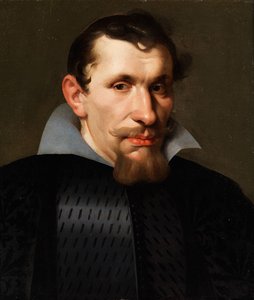
gaspard de crayer
1582 - 1669 , Belgium
Quick Facts
- Artistic Movement Or Style: Baroque
- Artists Or Movements Influenced By This Artist:
- Rubens
- Van Dyck
- Artists Who Influenced This Artist: ['Raphael Coxie']
- Date Of Birth: 1584-11-18
- Date Of Death: 1669-01-27
- Full Name: Gaspar de Crayer
- Nationality: Flemish
- Notable Artworks:
- Caritas Romana
- Portrait of Don Diego
- Death of the Virgin
- Place Of Birth: Antwerp, Belgium
Related Articles

Demandes Commerciales
APS ofrece reproducciones de bellas artes y encargos personalizados desde 2004. Confían en nosotros corporaciones, hoteles y coleccionistas selectos para obras de arte de calidad museística, servicio discreto y soluciones artísticas completas. ¡Póngase en contacto con nosotros para obtener un presupuesto personalizado!

Goya's Masterpieces: Explore 25 Iconic Paintings & Art Prints | ArtsDot
Delve into the world of Francisco Goya with ArtsDot. Explore 25 iconic paintings – from 'The Third of May' to his haunting Black Paintings. Discover the stories, techniques & emotions behind these Spanish masterpieces. Find museum-quality art reproductions for your home at ArtsDot.com!

A riguardo di noi
Découvrez notre histoire ! Nous apportons l'art de classe mondiale dans votre vie grâce à une sélection experte, des créations personnalisées et des aperçus gratuits. Approuvé par les particuliers et les entreprises depuis 2000.

Baroque Drama: Bringing Opulence & Emotion into Contemporary Interiors
Explore the opulent world of Baroque interior design! Discover key elements, modern applications & how to bring dramatic elegance into your home with 's authentic reproductions.

Baroque Masterpieces: 10 Paintings That Defined an Era |
Journey through the drama & grandeur of Baroque art! Explore 10 masterpieces by Caravaggio, Rembrandt, Rubens & more. Discover stunning oil paintings, rich colors & timeless stories. Find museum-quality reproductions at .