 Preview
 Send
Send Share
Share
 Details

 Download
 Similars
 X-Ray
X-Ray Diaporama
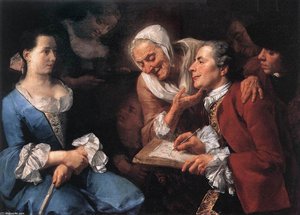
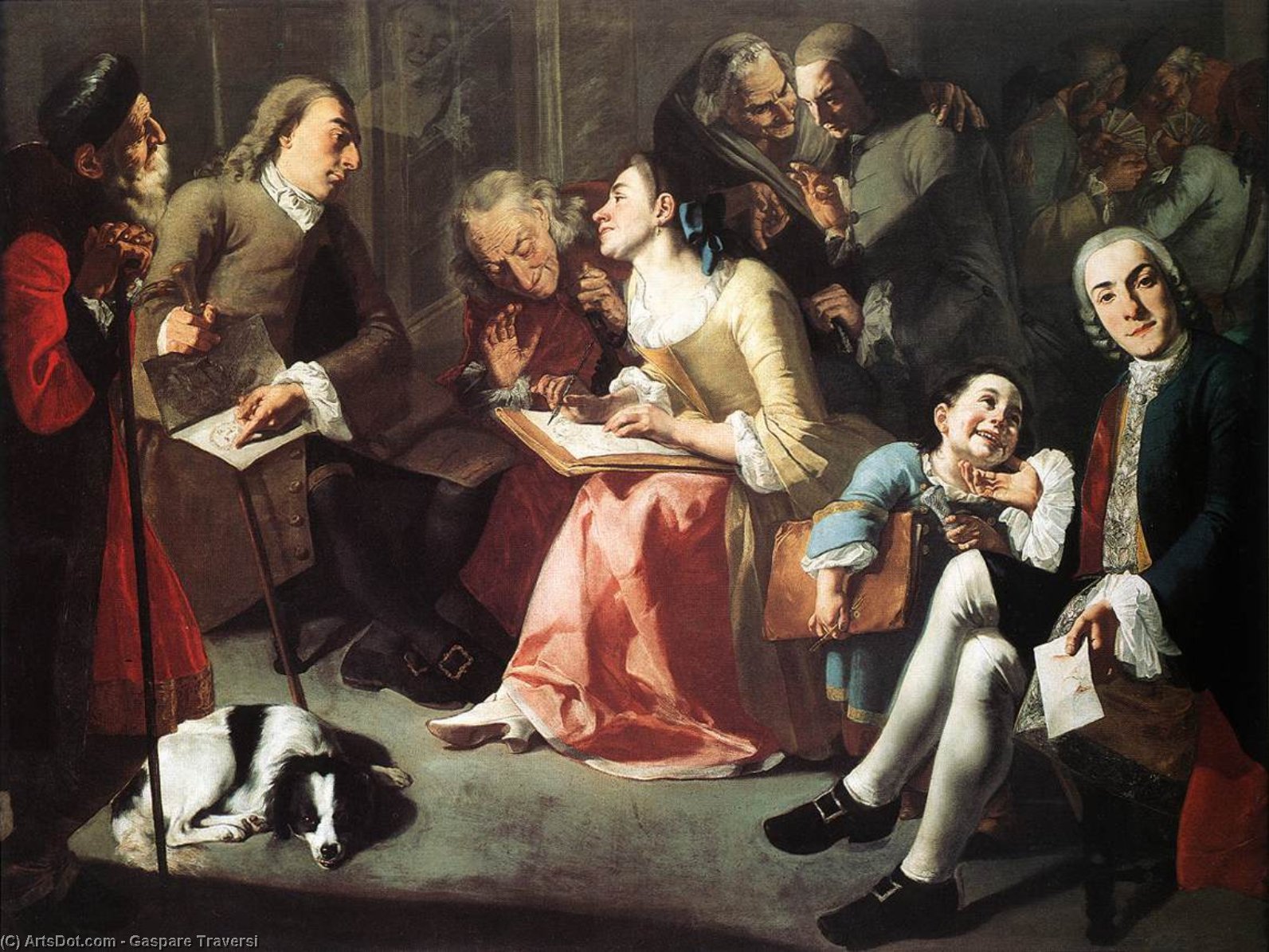
The Drawing Lesson
 Acrylic On Canvas
- WallArt
- Late-Baroque Rococo
 1750
1750 154.0 x 206.0 cm
 Nelson-Atkins Museum of Art
 Read More
Hand Made Oil Reproduction
Hand-painted oil on canvas in your size and frame, made to order by our artists. ( Buy Print Buy Image)




P118B $10

P118H $10

P118W $10

P438Z $10

P508JH $12

P508YH $12

P805H $10

P805Z $10

P919BZ $10

P919G $10

P919XJ $10

P959ZH $10

P968JZ $12

W106C $8

W218G $10

W218JH $8

W218Y $10

W307PJ $10

W316G $10

W316PJ $8

W316Y $10

W398PJ $8

W4111J $10

W500HY $15

W500JH $15

W692G $12

W849H $8

W940BG $15

W953PJ $8




Pick from our preset sizes that match the artwork's original proportions.

You may enter your own dimensions to fit a specific frame or space. If your selected size does not match the original image's proportions, we will either crop the artwork or extend the painting with additional hand-painted elements. A digital mockup will be sent for your approval before production begins.
Please note that the on-screen preview does not reflect the actual cropping or extension. Only the mockup will accurately show the final composition.
While custom sizes are available, we recommend selecting a dimension from the predefined list to preserve the original proportions.
After order, ArtsDot.com team will email client for instructions and provide a mockup preview
Worldwide Delivery () in 3/4 weeks instead of standard 5 weeks. (17 August). No compromise on quality.

Free Worldwide Express Shipping

High-Quality Linen Canvas

Full Shipping Insurance

Customs Tax Refund Guarantee

True Color Matching Guarantee

60-Day Return Policy (Defects Only)

100% Money-Back Guarantee

Bulk Discount Offer
 Glass option is only available in size under 110 CM

The Drawing Lesson
Reproduction Medium
Reproduction Size
-


Total Price
$ 263
Artwork Description
The Drawing Lesson: A Window into 18th-Century Naples
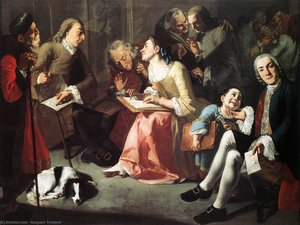
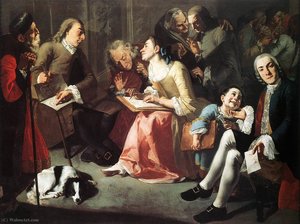
Gaspare Traversi’s “The Drawing Lesson,” painted circa 1750 and currently residing within the Nelson-Atkins Museum of Art in Kansas City, is more than just a depiction of an academic setting; it's a vibrant snapshot of social life, artistic ambition, and the burgeoning bourgeois culture of Naples during the reign of Charles III. The painting immediately draws the eye with its dynamic composition – a bustling room filled not with solemn study, but with a lively exchange of ideas, gestures, and glances. At first glance, it appears to be a simple scene of instruction, yet closer observation reveals layers of social commentary and psychological depth.
Traversi masterfully employs the principles of Caravaggism, evident in his dramatic use of light and shadow, the theatrical poses of the figures, and the palpable sense of movement. The room is bathed in a warm, golden glow emanating from an unseen window, highlighting key elements while casting others into intriguing darkness. This chiaroscuro technique not only adds visual interest but also serves to emphasize the emotional intensity of the scene – the focused concentration of the young woman at the table, the watchful gaze of the older gentleman, and the subtle flirtations exchanged between several figures. The artist’s skill in rendering textures—the velvet of a gown, the sheen of polished wood, the folds of fabric—is remarkable, contributing to the painting's overall sense of realism.
A Study in Social Dynamics
The central focus of “The Drawing Lesson” is undoubtedly the young woman seated at the table, diligently sketching. Her posture and expression suggest both dedication and a touch of youthful vanity. Across from her stands an older gentleman, presumably her instructor, observing her work with a critical eye. However, the scene isn’t simply one of formal instruction; it's rife with unspoken interactions and subtle power dynamics. A second man leans in to whisper something to the woman, while another seems captivated by her drawing, his gaze lingering with an almost predatory intensity. The inclusion of a dog adds a domestic element, grounding the scene in everyday life but also hinting at the complexities of family relationships.
Traversi’s genius lies in his ability to capture these nuances of human interaction. He doesn't offer easy judgments or moral pronouncements; instead, he presents a complex tableau of social behavior, inviting viewers to interpret the motivations and intentions behind each gesture and glance. The painting subtly critiques the superficiality of aristocratic society, exposing the underlying tensions between generations and the pursuit of status and recognition.
Historical Context and Artistic Influences
To fully appreciate “The Drawing Lesson,” it’s crucial to understand its historical context. Naples in the mid-18th century was a vibrant hub of artistic activity, influenced by both Italian Baroque traditions and European developments. Traversi, trained under the esteemed Francesco Solimena, inherited a legacy of realism and dramatic storytelling but quickly developed his own distinctive style – one characterized by sharp wit, psychological insight, and a keen eye for detail. The painting reflects the social and political changes occurring in Naples during this period, as the Bourbon monarchy sought to modernize the city and promote its cultural standing.
The influence of Caravaggio is particularly evident in Traversi’s use of light and shadow, his dramatic compositions, and his focus on portraying ordinary people with a sense of immediacy. However, Traversi also drew inspiration from other artists, including Giacomo Ceruti, who similarly captured the social realities of Naples during the 18th century. The painting's subject matter—a scene of everyday life—was not entirely new, but Traversi’s masterful execution and insightful commentary elevated it to a level of artistic sophistication rarely seen in genre paintings of the time.
Symbolism and Emotional Resonance
Beyond its social commentary, “The Drawing Lesson” is rich in symbolism. The act of drawing itself represents creativity, skill, and the pursuit of knowledge. The room’s furnishings—the richly decorated walls, the ornate table, the elegant clothing—reflect the wealth and status of the individuals depicted. The dog, a symbol of loyalty and companionship, adds a touch of warmth to the scene. But perhaps the most potent symbol is the young woman herself – she embodies both youthful ambition and vulnerability, representing the hopes and aspirations of an entire generation.
Ultimately, “The Drawing Lesson” is a captivating work of art that continues to resonate with viewers today. It’s a testament to Traversi’s artistic skill, his insightful understanding of human nature, and his ability to capture the essence of a particular moment in time. Reproductions of this masterpiece offer a remarkable opportunity to bring this vibrant scene into your home, inviting you to contemplate its complexities and appreciate its enduring beauty.
Related Artworks
Artist Biography
Gaspare Traversi: A Venetian Baroque Painter's Dramatic Vision
Gaspare Traversi (1722-1770) stands as a singular figure in the vibrant artistic landscape of Naples during the Rococo era, yet his stylistic affinities extend far beyond the confines of Campania. Born to Genoese merchant parents in Naples, he embarked on an artistic journey marked by meticulous training under Francesco Solimena—a pivotal encounter that cemented his allegiance to Caravaggist principles—and fostered collaborations with fellow Solimena pupils like Giuseppe Bonito and Francesco de Mura. Active primarily between 1732 and 1769, Traversi’s oeuvre transcends regional boundaries, encompassing commissions in Parma and establishing him as a contemporary of luminaries such as Giovanni Lorenzo Berti.- Early Training & Solimena Influence: Traversi's formative years were spent honing his craft under Francesco Solimena, arguably Naples’ most celebrated Baroque painter. This mentorship instilled within him the dramatic chiaroscuro technique characteristic of Caravaggio—a stylistic cornerstone that would permeate his subsequent works.
- Genre Painting & Venetian Style: Traversi distinguished himself as a genre painter, capturing scenes of everyday life with remarkable psychological depth and theatrical flair. His canvases frequently depict animated bourgeois gatherings, imbued with an unsettling sense of claustrophobia and punctuated by expressive facial expressions—a stylistic hallmark reminiscent of Hogarth’s satirical portraits.
- Religious Iconography & Caravaggist Drama: Despite his adherence to Venetian Baroque influences, Traversi's religious paintings retain a visceral immediacy akin to Caravaggio’s masterpieces. He skillfully employs tenebrism—the dramatic interplay of light and shadow—to heighten emotional impact and convey profound spiritual contemplation.
- Notable Commissions & Collaborations: Traversi secured prestigious commissions throughout Italy, notably in Parma where he collaborated with Giovanni Lorenzo Berti on a monumental portrait depicting Saint Margaret of Cortona. This collaborative effort exemplifies Traversi’s commitment to exploring complex narratives and conveying moral lessons through visual storytelling.
A Venetian Baroque Painter's Dramatic Vision
Traversi’s artistic sensibility aligns closely with the Venetian Baroque tradition, particularly evident in his meticulous attention to detail and his masterful manipulation of light and shadow—techniques perfected by artists like Pietro Pellegrino Paladino and Giovanni Battista Tiepolo. His canvases pulsate with dynamism, mirroring the theatrical grandeur favored by Venetian painters during their golden age. The influence of Caravaggio is undeniable, manifesting itself in Traversi’s penchant for dramatic compositions and his unflinching portrayal of human emotion.- Caravaggist Technique: Traversi's use of tenebrism—the stark contrast between light and dark—is a deliberate homage to Caravaggio’s revolutionary approach to painting, prioritizing emotional intensity over idealized beauty.
- Psychological Depth & Dramatic Composition: Like Caravaggio, Traversi delves into the psychological complexities of his subjects, capturing fleeting expressions of emotion with uncanny accuracy. His canvases are characterized by dynamic compositions that propel the narrative forward and engage the viewer’s gaze.
Satirical Observations & Moralistic Tales
Traversi's genre paintings transcend mere depiction; they serve as astute social commentaries, exposing the follies and pretensions of the aristocratic elite with biting wit and unflinching honesty. His canvases frequently portray animated groups of bourgeois protagonists crammed into confined spaces—a stylistic device that underscores the psychological pressures inherent in societal hierarchies. Traversi’s works resonate with moralistic tales—much like Caravaggio's “The Fortune Teller”—offering viewers a glimpse into the anxieties and contradictions of his time.- Social Critique: Traversi’s satirical portraits expose hypocrisy and vanity within the upper echelons of society, reflecting the broader intellectual currents of the Enlightenment.
- Moralistic Narrative: His canvases convey moral lessons through dramatic narratives—a stylistic characteristic shared with Caravaggio—challenging viewers to confront uncomfortable truths about human behavior.
Legacy & Influence
Despite lacking pupils, Gaspare Traversi exerted a considerable influence on subsequent generations of Neapolitan artists, notably Lorenzo de Caro and Giuseppe Bonito. His distinctive style—characterized by dramatic chiaroscuro, psychological depth, and moralistic narratives—continues to inspire admiration and scholarly debate. Robert Longhi’s monograph solidified Traversi's reputation as a pivotal figure in Venetian Baroque art, ensuring his enduring legacy within the annals of Italian painting history.
Gaspare Traversi
1722 - 1770 , Italy
Quick Facts
- Artistic Movement Or Style: Rococo
- Artists Or Movements Influenced By This Artist:
- Hogarth
- Longhi
- Artists Who Influenced This Artist: ['Francesco Solimena']
- Date Of Birth: Naples, Italy (1722)
- Date Of Death: 1770
- Full Name: Gaspare Traversi
- Nationality: Italian
- Notable Artworks:
- Saint Margaret of Cortona
- Job mocked by his wife.
- Reading a Letter
- Place Of Birth: Naples
Related Articles

Baroque Masterpieces: 10 Paintings That Defined an Era |
Journey through the drama & grandeur of Baroque art! Explore 10 masterpieces by Caravaggio, Rembrandt, Rubens & more. Discover stunning oil paintings, rich colors & timeless stories. Find museum-quality reproductions at .

Baroque Drama: Bringing Opulence & Emotion into Contemporary Interiors
Explore the opulent world of Baroque interior design! Discover key elements, modern applications & how to bring dramatic elegance into your home with 's authentic reproductions.

The Visceral Stage: Exploring Dramatic Narratives & Emotional Intensity in Baroque Art
Explore the dramatic world of Baroque art! Discover iconic masters like Caravaggio & Rembrandt, their techniques, and the movement's lasting impact. Expert insights for collectors & enthusiasts at ArtsDot.

The Dramatic Flourish: Exploring the Baroque Movement's Enduring Legacy in Art History
Explore the dramatic world of Baroque art! Discover iconic artists like Caravaggio & Rubens, defining techniques, and its lasting impact on art history. Expert insights for collectors & enthusiasts at ArtsDot.

Simon Vouet: A Baroque Master's Journey from Italian Influence to French Classicism
Explore the life & art of Simon Vouet, a pivotal French Baroque painter who introduced Italian styles to France. Discover his masterpieces and lasting influence on 17th-century art.