

 Preview
 Send
Send Share
Share
 Details

 Download
 Similars
 X-Ray
X-Ray Diaporama
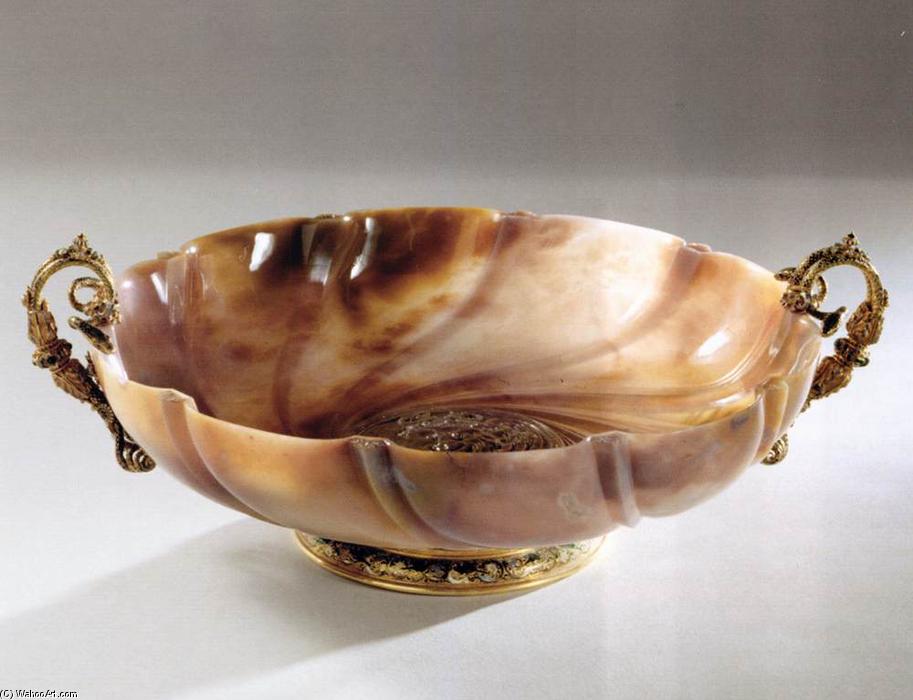
Ten-passed Basin with Head of Medusa


 Read More
Purchase a high-resolution, enhanced digital image, far superior to the online preview.
Each file is meticulously prepared by our in-house specialists using advanced tools and expert manual retouching. We ensure every image has exceptional clarity, precise color accuracy, and fine detail.
The final file is delivered via email within 72 hours, optimized for immediate use in professional, editorial, and print environments. This is the same quality trusted by top-tier design studios, publishers, and galleries.
Digital Image
Download a high-resolution file for personal display, printing, and creative projects. ( Buy Print Buy Hand Made Painting)
Included in Every Digital Image Order
Expert Digital Delivery, Guaranteed
When you choose ArtsDot.com, you're not just getting an image - you're receiving a professionally enhanced digital artwork, crafted with precision and backed by a satisfaction guarantee. Here's everything that comes with your order, automatically:

Fast Email Delivery
Your high-resolution digital image file will be emailed to you within 72 hours of ordering - ready for immediate use.

AI-Enhanced Digital File
Your artwork is professionally optimized using advanced AI tools and manual editing, ensuring maximum detail, clarity, and color accuracy.

Free Lifetime Re-Delivery
Accidentally deleted or lost your file? No worries - we'll resend it to you anytime, free of charge.

No Import Fees - Ever
Enjoy your artwork instantly with zero customs, duties, or delivery fees - digital downloads are always tax-free.

Color Accuracy Guarantee
We ensure your digital image reflects the original colors as closely as possible using professional tools and color management.

60-Day Satisfaction Guarantee
If you're not satisfied with your digital image, we'll revise it or refund 100% within 60 days - no questions asked.

100% Money-Back Guarantee
Not satisfied? Get a full refund within 60 days of receiving your digital file - no questions asked.

Bulk Order Discounts
Buy 3 images, save 10% - Buy 5, save 15% - Buy 10+, save 20%. Great for creative projects, galleries, and agencies.
A Symphony of Stone and Gold: Exploring Gasparo Miseroni’s Ten-Passed Basin
Gasparo Miseroni (1518-1573) stands as a singular beacon in the annals of Italian ceramics, an artist who transcended mere craftsmanship to achieve a breathtaking fusion of artistry and illusion. Born into a lineage steeped in lapidary excellence – the Miseroni family had established itself as leading gemcutters by the 15th century – Gasparo inherited a tradition of transforming raw materials into objects of extraordinary beauty and narrative power.
- The Artist’s Vision: Miseroni wasn't simply replicating forms; he envisioned entire worlds within his vessels. His workshops in Milan produced ceramics that captivated European courts with their fantastical imagery – dragons battling serpents, mythological figures entwined in elaborate processions, and scenes depicting biblical narratives rendered with astonishing detail.
- Material Mastery: What truly distinguished Miseroni’s work was his unparalleled command of materials. He skillfully manipulated rock crystal, agate, jasper, and chalcedony, layering them meticulously to create surfaces that shimmered with internal luminescence. This technique wasn't merely aesthetically pleasing; it reflected a profound understanding of optical principles – the thinness of the porcelain wall maximized the effect of light diffusion, enhancing the vibrancy of the colours applied.
- Goldsmithing and Enamel Decoration: Beyond stone, Miseroni embraced goldsmithing with equal fervor. Delicate gold rods encircled the basin’s rim, punctuated by stylized leaf motifs – a motif frequently employed in Renaissance decorative arts to symbolize rebirth and divine grace. Furthermore, enamel work added another layer of complexity, transforming the surface into a canvas for vibrant hues and intricate patterns.
A Mythological Tableau: The Medusa Mask
At the basin’s centre resides a medallion depicting the head of Medusa – a figure drawn from Greek mythology embodying terror and transformation. This image wasn't merely decorative; it served as a potent symbol of confronting fear and embracing change. Miseroni’s depiction captures Medusa’s serpentine hair, rendered with meticulous detail, conveying both menace and beauty.
Technique and Craftsmanship: The Illusion of Depth
The basin's construction exemplifies the innovative techniques of the era. A thin wall of porcelain was painstakingly ground down to achieve maximum translucency, allowing light to penetrate through the chalcedony – a technique that created an illusion of depth and amplified the colours applied. This masterful manipulation of material underscores Miseroni’s dedication to pushing the boundaries of ceramic artistry.
Historical Context: Venetian Influence and Court Patronage
Created around 1560, this basin reflects the artistic currents circulating in Milan during the Renaissance – specifically, the influence of Venice. Venetian artisans were renowned for their experimentation with colour and texture, and Miseroni’s work undoubtedly benefited from exposure to these groundbreaking ideas. Moreover, it was commissioned by wealthy patrons who appreciated objects that combined beauty with intellectual sophistication.
Emotional Resonance: Beauty Born From Fear
Ultimately, Gasparo Miseroni's Ten-Passed Basin transcends mere visual appeal; it speaks to the human condition itself. The juxtaposition of stone and gold – materials associated with permanence and divinity – underscores the artist’s ambition to capture not just a moment in time but also an enduring contemplation on themes of transformation and confronting one's anxieties. It remains a testament to the transformative power of art.
Related Artworks

Artist Biography
Gasparo Miseroni: A Milanese Master of Fantastical Ceramics
Gasparo Miseroni (1518-1573) stands as a singular figure in the history of Italian ceramics, a master craftsman whose workshops in Milan produced some of the most opulent and imaginative vessels of the 16th century. While often overshadowed by his more famous cousin, Dionysio Miseroni, Gasparo’s contribution to the artistic landscape was profound, characterized by an extraordinary command of materials – particularly rock crystal, agate, jasper, and chalcedony – combined with a dazzling display of goldsmithing and enamel work. His creations weren't merely decorative; they were miniature worlds brimming with mythological figures, fantastical creatures, and intricate scenes, reflecting the lavish tastes of European courts and wealthy patrons. Born in Milan around 1518, Gasparo’s lineage was steeped in artistic tradition. The Miseroni family had established itself as leading lapidaries and goldsmiths by the 15th century, tracing their roots back to Francesco Miseroni in 1460. This long-standing legacy instilled a deep appreciation for craftsmanship and an understanding of precious materials – qualities that would be passed down through generations. Gasparo’s early training undoubtedly involved learning from his father and uncle, absorbing the family's techniques and developing his own distinctive style. The workshop itself was a hub of activity, employing numerous artisans who contributed to the creation of these elaborate pieces. While precise details about his life remain scarce – he died in Milan in 1573 – contemporary accounts suggest he was a highly respected figure within the artistic community.Technique and Materials: A Symphony of Craftsmanship
Miseroni’s genius lay not just in his imaginative designs but also in his mastery of technique. He worked primarily with rock crystal, a notoriously difficult material to carve due to its inherent brittleness and tendency to fracture. His skill in shaping this delicate stone into intricate forms – shells, dragons, Medusas, and elaborate floral arrangements – was truly remarkable. He employed a subtractive method, carefully removing material to reveal the desired shape, often using diamond-tipped tools. The surfaces were then meticulously polished to a mirror sheen, highlighting the crystal’s natural clarity and brilliance. Beyond rock crystal, Miseroni skillfully utilized other materials like agate, jasper, chalcedony, and lapis lazuli, each contributing unique textures and colors to his designs. These stones were often combined with gold mounts, intricately applied enamel work, and precious gemstones – a testament to the wealth and status of his patrons. The use of enamels, particularly in vibrant blues, greens, and reds, added another layer of richness and visual complexity to his pieces. The integration of these diverse materials demonstrated an exceptional understanding of color theory and design principles, creating works that were both visually stunning and technically impressive.Iconic Designs: Shells, Dragons, and Mythological Narratives
Miseroni’s ceramics are instantly recognizable for their fantastical imagery and opulent decoration. The shell bowl, a recurring motif in his work, is particularly noteworthy. These bowls often depicted winged horses, mythical creatures, or scenes from classical mythology – a deliberate attempt to evoke the grandeur of ancient Greece and Rome. Dragons, another frequent subject, symbolized power and protection, while Medusa’s heads served as potent reminders of the dangers of hubris. These weren't simply decorative objects; they were miniature narratives, carefully crafted to entertain and impress. One particularly striking example is the “Lidded Bowl in Prase” (1565), a testament to his skill with layered materials and intricate detailing. The bowl’s exterior features a vibrant prase agate shell adorned with gold leaf and enamel, while the interior showcases a scene of winged horses galloping across a landscape. Similarly, his dragon-shaped cups and vases are masterpieces of illusionistic carving, creating the impression of three-dimensional forms within the confines of the stone. These pieces demonstrate not only technical virtuosity but also a deep understanding of perspective and spatial relationships.Influence and Legacy: A Family Tradition
Gasparo Miseroni’s influence extended far beyond his own lifetime. His workshop continued to thrive for generations, producing some of the most exquisite ceramics of the 16th and 17th centuries. His son, Girolamo Miseroni, further developed the family's reputation, establishing a workshop in Prague that catered to the demands of European royalty. The Miseroni family’s legacy is inextricably linked to the Habsburg court, which actively sought out talented artisans to decorate its palaces and churches. The techniques pioneered by Gasparo Miseroni – particularly his mastery of rock crystal carving and the integration of gold and enamel work – were highly valued by other artists and workshops throughout Europe. His designs served as inspiration for generations of ceramicists, shaping the aesthetic sensibilities of Renaissance and Baroque art. While often working in the shadow of his more flamboyant cousin Dionysio, Gasparo Miseroni’s contribution to the history of ceramics is undeniable—a testament to the enduring power of imagination, skill, and a deep appreciation for beauty. His work continues to captivate viewers today, offering a glimpse into the opulent world of 16th-century European courts and the extraordinary talent of a Milanese master craftsman.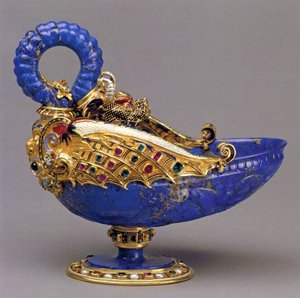
gasparo miseroni
1518 - 1573 , Italy
Quick Facts
- Artistic Movement Or Style: Renaissance Pottery
- Artists Or Movements Influenced By This Artist: ['Dionysio Miseroni']
- Artists Who Influenced This Artist: ['Luca della Robbia']
- Date Of Birth: 1518
- Date Of Death: 1573
- Full Name: Gasparo Miseroni
- Nationality: Italian
- Notable Artworks:
- Lidded Bowl in Prase
- Shell Bowl Designs
- Dragon Ceramic Art
- Medusa Vessel
- Place Of Birth: Milan, Italy

