

 Preview
 Send
Send Share
Share
 Details

 Download
 Similars
 X-Ray
X-Ray Diaporama
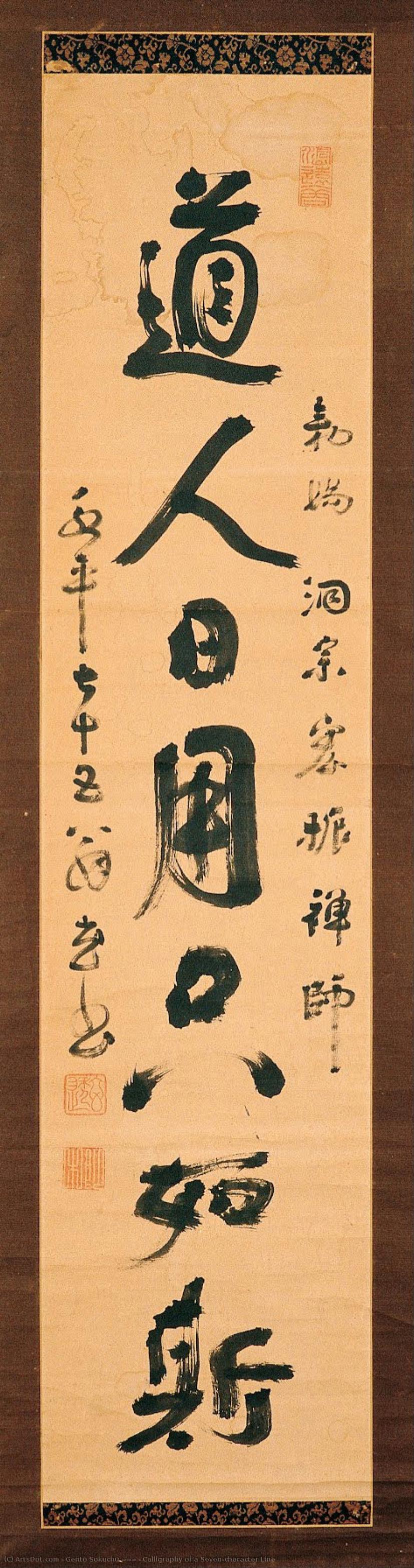
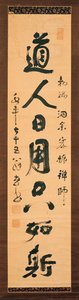
Calligraphy of a Seven-character Line


 Read More
Giclée / Art Print
Museum-quality giclée or canvas print with fast production and flexible finish options. ( Buy Hand Made Painting Buy Image)




































Pick from our preset sizes that match the artwork's original proportions.

You may enter your own dimensions to fit a specific frame or space. If your selected size does not match the original image's proportions, we will either crop the artwork or extend the image with a mirrored or solid-fill edge. A digital mockup will be sent for your approval before production begins.
Please note that the on-screen preview does not reflect the actual cropping or extension. Only the mockup will accurately show the final composition.
While custom sizes are available, we recommend selecting a dimension from the predefined list to preserve the original proportions.
Worldwide Delivery () in 2 weeks instead of standard 4/5 weeks. (5 September)

Free Worldwide Express Shipping

High-Quality Linen Canvas

Full Shipping Insurance

Customs Tax Refund Guarantee

True Color Matching Guarantee

60-Day Return Policy (Defects Only)

100% Money-Back Guarantee

Bulk Discount Offer
 Glass option is only available in size under 110 CM

Calligraphy of a Seven-character Line
Giclée / Art Print
Reproduction Size
-


Total Price
$ 63
Related Artworks





Artist Biography
Gentō Sokuchū (玄透即中): A Revivalist of Dōgen’s Legacy
Gentō Sokuchū (玄透即中), born in 1729, stands as a pivotal figure within the Sōtō Zen tradition—a scholar and abbot who tirelessly championed the rediscovery and reaffirmation of Dōgen Zenji's teachings during the late Edo period. His life’s work centered on meticulously reconstructing and disseminating Dōgen’s seminal texts, fundamentally reshaping the trajectory of Sōtō monastic practice and shaping its intellectual landscape for centuries to come. Understanding Sokuchū requires delving into the broader context of a movement striving to recapture the essence of Zen Buddhism's foundational principles—a mission he undertook with unwavering dedication and profound erudition.- Early Life & Education: Born in Kyoto, Sokuchū’s formative years were marked by rigorous study within Eiheiji monastery, where he honed his understanding of Buddhist philosophy and calligraphy. His upbringing instilled a deep reverence for Dōgen's teachings—a conviction that would propel him throughout his scholarly pursuits.
- Eihei-ji & The Rediscovery of Dōgen: Sokuchū’s ascent to abbatial leadership at Eiheiji coincided with a period of considerable decline in Sōtō monastic scholarship. Recognizing the urgent need for revitalization, he embarked on an ambitious project—the comprehensive editing and publication of Dōgen's monumental works, including Shōbōgenzō and Eihei Kenkōroku (The Record of Enlightenment). This endeavor wasn’t merely academic; it represented a deliberate effort to reconnect monks with the core tenets of Zen practice.
- The Eihei Rules of Purity: Sokuchū's crowning achievement was undoubtedly the compilation of Eihei Shingi—the Eihei Rules of Purity. These rules, painstakingly reconstructed from fragmentary manuscripts, articulated Dōgen’s uncompromising ethical code for monks—a stark contrast to the lax standards prevalent in preceding centuries. Sokuchū’s insistence on enforcing these rules served as a catalyst for reform within Eiheiji and reverberated throughout the Sōtō school.
- Influence & Legacy: Sokuchū's commitment to preserving Dōgen’s legacy extended beyond textual scholarship. He championed the revival of koan practice—a method central to Rinzai Zen—arguing for its judicious use alongside traditional meditation techniques. Furthermore, he oversaw a significant architectural undertaking—the rebuilding of Eiheiji’s sangha hall in 1796—selecting Ming Dynasty models as inspiration, rejecting the Ōbaku school's stylistic preferences and reaffirming Dōgen’s vision of monastic architecture.
gentō sokuchū (玄透即中)
1729 - 1807 , Japan
Quick Facts
- Artistic Movement Or Style: Sōtō Zen
- Artists Or Movements Influenced By This Artist: ['Rinzai']
- Artists Who Influenced This Artist: ['Dōgen']
- Date Of Birth: 1729
- Date Of Death: 1807
- Full Name: gentō sokuchū 玄透即中
- Nationality: Japanese
- Notable Artworks: ['Eihei Rules of Purity']
- Place Of Birth: Japan

