 Preview
 Send
Send Share
Share
 Details

 Download
 Similars
 X-Ray
X-Ray Diaporama
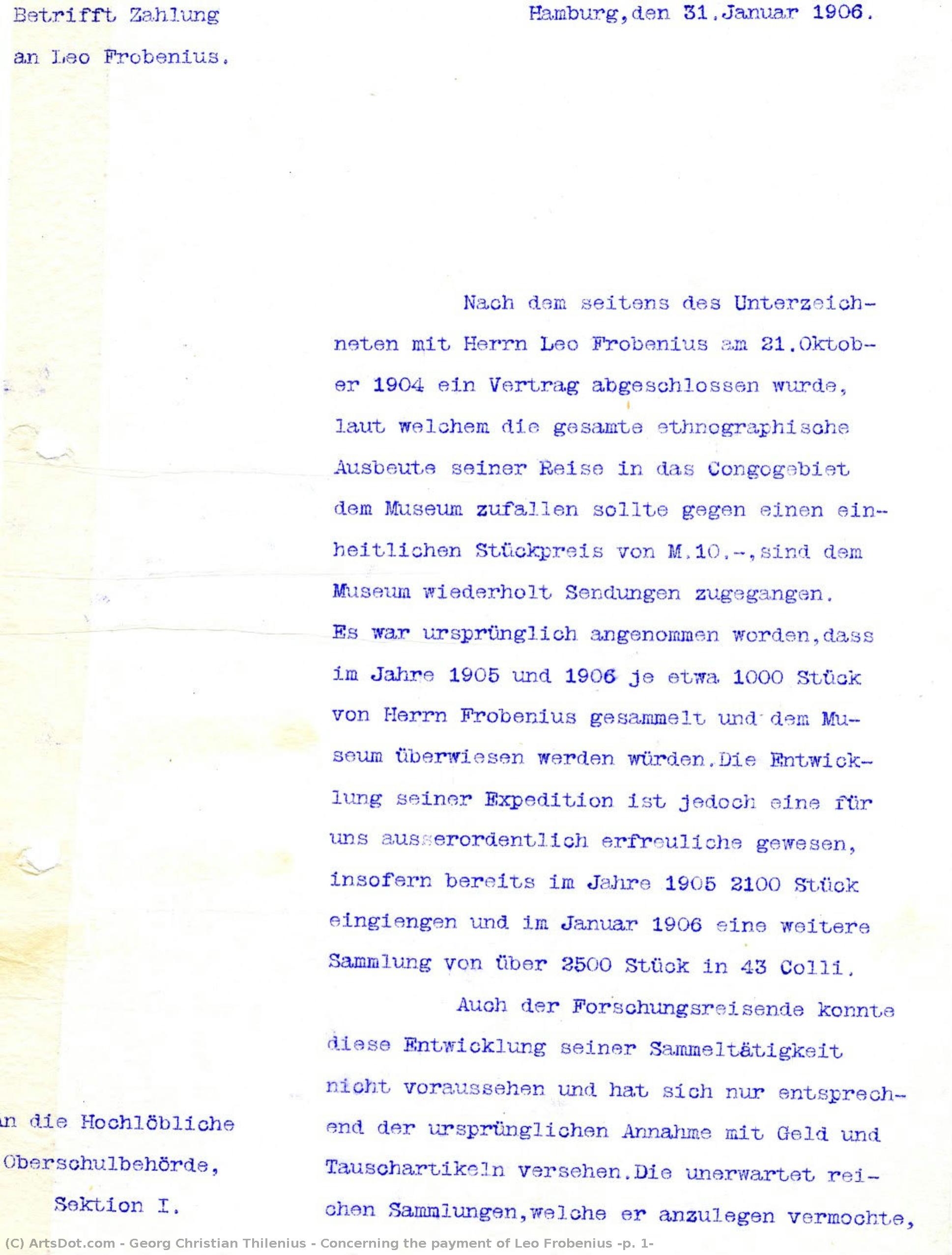
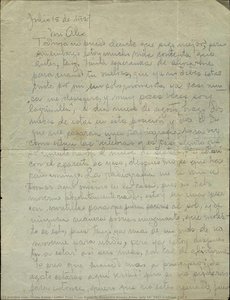
Concerning the payment of Leo Frobenius (p. 1)


 Read More
Hand Made Oil Reproduction
Hand-painted oil on canvas in your size and frame, made to order by our artists. ( Buy Print Buy Image)




































Pick from our preset sizes that match the artwork's original proportions.

You may enter your own dimensions to fit a specific frame or space. If your selected size does not match the original image's proportions, we will either crop the artwork or extend the painting with additional hand-painted elements. A digital mockup will be sent for your approval before production begins.
Please note that the on-screen preview does not reflect the actual cropping or extension. Only the mockup will accurately show the final composition.
While custom sizes are available, we recommend selecting a dimension from the predefined list to preserve the original proportions.
After order, ArtsDot.com team will email client for instructions and provide a mockup preview
Worldwide Delivery () in 3/4 weeks instead of standard 5 weeks. (30 August). No compromise on quality.

Free Worldwide Express Shipping

High-Quality Linen Canvas

Full Shipping Insurance

Customs Tax Refund Guarantee

True Color Matching Guarantee

60-Day Return Policy (Defects Only)

100% Money-Back Guarantee

Bulk Discount Offer
 Glass option is only available in size under 110 CM

Concerning the payment of Leo Frobenius (p. 1)
Reproduction Medium
Reproduction Size
-


Total Price
$ 263
Related Artworks

Artist Biography
A Pioneer of Oceanic Ethnography: The Life and Art of Georg Christian Thilenius
Georg Christian Thilenius, born in Bad Soden am Taunus, Germany, in 1868, was a figure whose life bridged the disciplines of medicine, anthropology, and art. While perhaps not widely recognized as a painter in the traditional sense, his profound engagement with the cultures of Micronesia and Melanesia through scientific expedition and meticulous documentation resulted in a unique visual record—a compelling blend of anthropological observation and artistic sensibility. Thilenius’s journey began with medical studies at the Universities of Bonn and Berlin, culminating in his habilitation as an anatomist at Strasbourg in 1896. However, it was his subsequent participation in research expeditions to Tunisia and, crucially, the South Pacific that would define his life's work and leave a lasting impact on our understanding of Oceanic cultures.From Anatomical Studies to Ethnographic Exploration
Thilenius’s early scientific training instilled in him a keen eye for detail and a methodical approach to observation—qualities that proved invaluable when he turned his attention to the study of human societies. In 1900, he accepted a professorship of anthropology and ethnology at the University of Breslau, signaling a decisive shift in his academic focus. This was followed by an even more significant appointment in 1904 as director of the Museum für Völkerkunde Hamburg (Museum of Ethnology, Hamburg). It was here, at the heart of one of Germany’s leading ethnographic institutions, that Thilenius truly came into his own. He wasn't merely a curator; he was an architect of knowledge, driven by a desire to systematically document and understand the diverse cultures of the world. The position allowed him to orchestrate ambitious research projects, most notably the 1908-1910 Südsee-Expedition—a monumental scientific undertaking that would shape his legacy.The Südsee-Expedition: Documenting a Vanishing World
The Südsee-Expedition was more than just a collecting trip; it was an attempt to comprehensively capture the material culture, social structures, and belief systems of German-administered territories in Micronesia and Melanesia. Thilenius coordinated a team of researchers—including Friedrich Fülleborn, Augustin Krämer, Paul Hambruch, Otto Reche, Ernst Sarfert, and Wilhelm Müller-Wismar—who meticulously gathered over 15,000 objects and artifacts. These weren’t simply trophies; they were pieces of a complex puzzle, each one holding clues to understanding the lives of the people who created them. The expedition's results were published in an impressive series of 23 volumes, providing an unparalleled resource for scholars. While Thilenius himself may not have been the primary artist creating paintings *during* the expedition, his direction and oversight ensured that visual documentation—sketches, photographs, and detailed descriptions—were integral to the project. These records offer a unique glimpse into a world rapidly changing under colonial influence.A Legacy of Scholarship and Institutional Leadership
Beyond the Südsee-Expedition, Thilenius’s contributions extended to institutional leadership and scholarly publication. He served as chairman of the Kolonialinstitut in Hamburg from 1908 to 1910, further solidifying his position within Germany's colonial network. His academic writings, such as *Ethnographische ergebnisse aus Melanesien* (Ethnographic results from Melanesia) and *Die Bedeutung der Meeresströmungen für die Besiedelung Melanesiens* (The importance of ocean currents for the settlement of Melanesia), demonstrated a sophisticated understanding of Oceanic geography, migration patterns, and cultural adaptation. He also oversaw the publication of *Das Hamburgische Museum für Völkerkunde*, showcasing the museum’s extensive collections and its role in advancing ethnographic knowledge. Thilenius retired as director of the Hamburg Museum in 1935, leaving behind a legacy of meticulous scholarship and a wealth of invaluable resources for future generations of researchers.Historical Significance: A Complex Figure in a Colonial Context
Georg Christian Thilenius’s work must be understood within the historical context of German colonialism. While his dedication to documenting Oceanic cultures is undeniable, it's crucial to acknowledge that this documentation occurred under conditions of colonial power and control. His research was inevitably shaped by the perspectives and biases of his time, and the objects he collected were often removed from their original contexts—a practice now widely recognized as problematic. Nevertheless, Thilenius’s meticulous records provide a unique window into the lives of people in Micronesia and Melanesia during a period of profound change. His work remains an important resource for understanding Oceanic cultures, but it must be approached with critical awareness and sensitivity to the ethical complexities of its origins. He represents a fascinating—and often troubling—intersection of scientific inquiry, artistic documentation, and colonial ambition.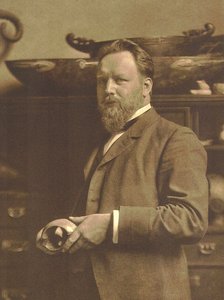
georg christian thilenius
1868 - 1937 , Germany
Quick Facts
- Artistic Movement Or Style: Ethnography Art
- Date Of Birth: October 4, 1868
- Date Of Death: December 28, 1937
- Full Name: Georg Christian Thilenius
- Nationality: German
- Notable Artworks:
- Concerning the payment...
- Südsee-Expedition results
- Place Of Birth: Bad Soden, Germany