 Preview
 Send
Send Share
Share
 Details

 Download
 Similars
 X-Ray
X-Ray Diaporama
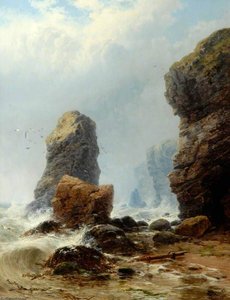
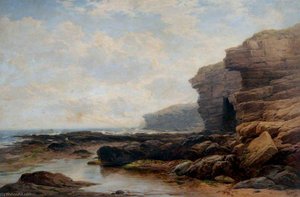
Whitley Coast


 Read More
Hand Made Oil Reproduction
Hand-painted oil on canvas in your size and frame, made to order by our artists. ( Buy Print Buy Image)




































Pick from our preset sizes that match the artwork's original proportions.

You may enter your own dimensions to fit a specific frame or space. If your selected size does not match the original image's proportions, we will either crop the artwork or extend the painting with additional hand-painted elements. A digital mockup will be sent for your approval before production begins.
Please note that the on-screen preview does not reflect the actual cropping or extension. Only the mockup will accurately show the final composition.
While custom sizes are available, we recommend selecting a dimension from the predefined list to preserve the original proportions.
After order, ArtsDot.com team will email client for instructions and provide a mockup preview
Worldwide Delivery () in 3/4 weeks instead of standard 5 weeks. (19 August). No compromise on quality.

Free Worldwide Express Shipping

High-Quality Linen Canvas

Full Shipping Insurance

Customs Tax Refund Guarantee

True Color Matching Guarantee

60-Day Return Policy (Defects Only)

100% Money-Back Guarantee

Bulk Discount Offer
 Glass option is only available in size under 110 CM

Whitley Coast
Reproduction Medium
Reproduction Size
-


Total Price
$ 263
Artwork Description
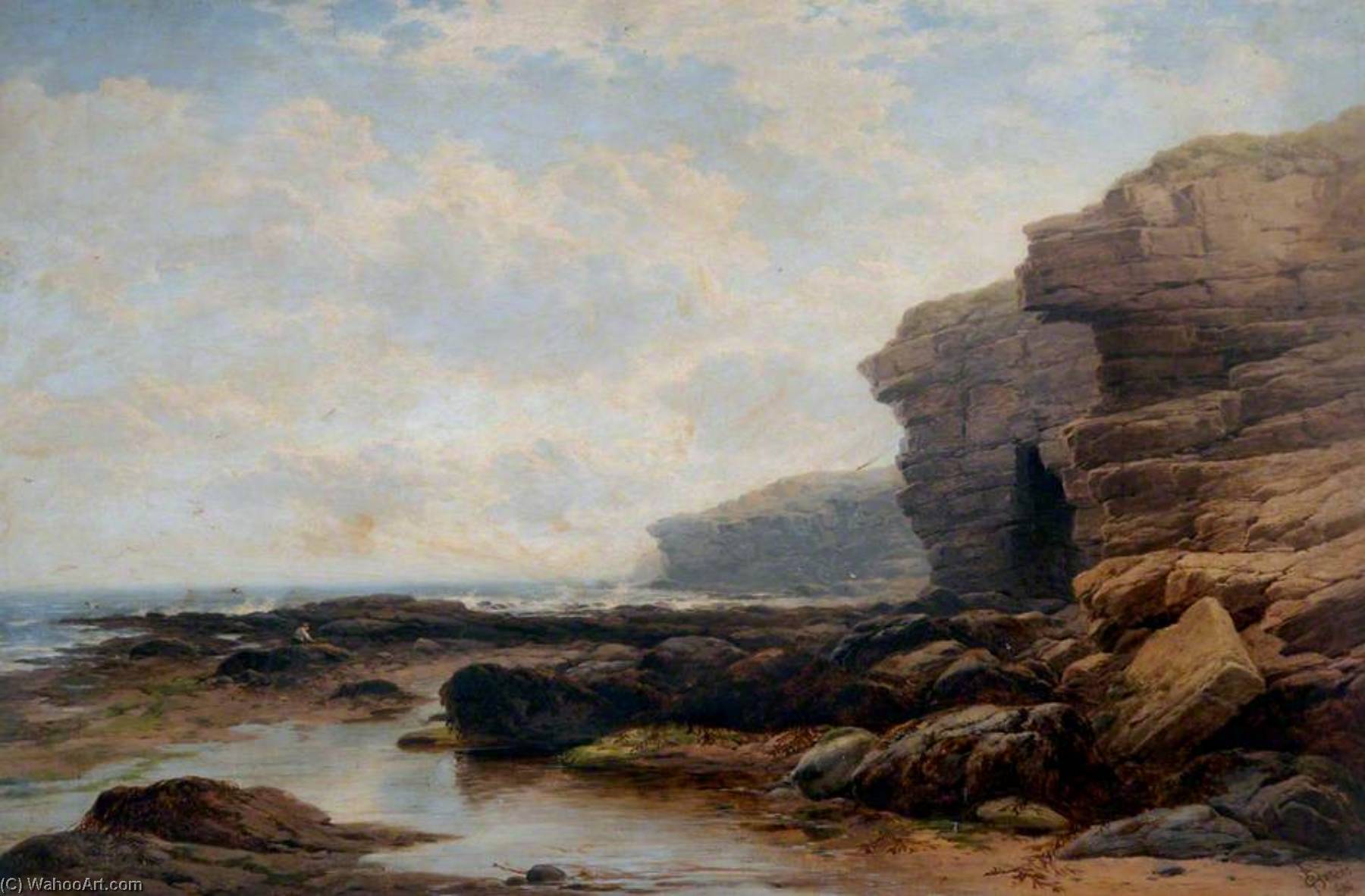
A Serene Coastal Vista: "Whitley Coast" by George Blackie Sticks
Step into a tranquil moment captured in time with George Blackie Sticks’ “Whitley Coast.” This evocative painting, created around 1880, transports the viewer to a peaceful shoreline where the gentle meeting of water and rock creates an atmosphere of quiet contemplation. The scene depicts a calm body of water gently lapping against a rocky shore, punctuated by scattered stones and resilient grasses clinging to the edge. Sticks masterfully utilizes light and shadow to define the textures of the rocks and the subtle ripples on the water's surface, inviting you to linger within this natural haven.Style & Technique: A Window into Victorian Landscape Painting
“Whitley Coast” exemplifies the aesthetic sensibilities prevalent in late 19th-century British landscape painting. Sticks’ style leans towards a realistic depiction of nature, yet it's imbued with a romantic sensibility characteristic of the era. He employs a traditional oil painting technique, building up layers of pigment to achieve depth and luminosity. Notice how he uses subtle gradations of color – from the muted blues and greens of the water to the earthy tones of the rocks – to create a sense of atmospheric perspective. This wasn’t merely about accurate representation; it was about conveying an emotional response to the beauty of the natural world, a key tenet of Victorian art. The brushwork is generally smooth, demonstrating a careful attention to detail while still maintaining a pleasing softness that avoids harshness.Historical Context & Artistic Influences
The 1880s witnessed a surge in popularity for landscape painting within Britain, fueled by increased leisure time and a growing appreciation for the countryside amongst the burgeoning middle class. Artists like Sticks were part of a movement that sought to capture the beauty of the British Isles, often depicting scenes of coastal areas and rural landscapes. While specific influences on Sticks remain somewhat elusive due to limited biographical information, his work shares affinities with artists such as J.M.W. Turner in its atmospheric quality and John Constable in its dedication to portraying the nuances of natural light. The painting reflects a broader cultural fascination with nature during this period, often seen as a source of solace and spiritual renewal amidst rapid industrialization.Emotional Impact & Decorative Appeal
“Whitley Coast” evokes a sense of serenity and peacefulness. The calm water, the rugged yet gentle shoreline, and the soft lighting combine to create an atmosphere that is both restorative and visually appealing. This painting isn't about dramatic action; it’s about quiet observation and appreciation for the simple beauty of nature. As a decorative piece, “Whitley Coast” offers versatile appeal. Its muted color palette and tranquil subject matter make it suitable for a variety of interior design styles – from traditional to contemporary spaces seeking a touch of understated elegance. It would be particularly well-suited for rooms with coastal themes or those aiming for a calming and relaxing ambiance. The generous size (60 x 90 cm) allows the artwork to become a focal point within a room, commanding attention without overwhelming the space.Related Artworks
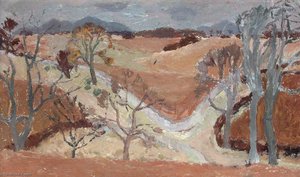
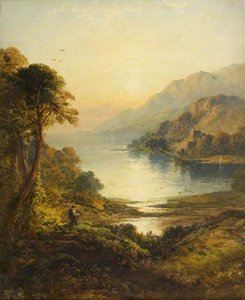
Artist Biography
George Blackie Sticks (1843 – 1938): A Visionary of Scottish Landscape
George Blackie Sticks was born in Newcastle upon Tyne, Northumberland, England, in 1843—the son of James Sticks, a respected Edinburgh artist. From an early age, he demonstrated a remarkable talent for capturing the grandeur and subtlety of Scotland’s highlands and lochs, establishing himself as one of Northumberland's most distinguished painters by the turn of the century. His artistic journey was marked by unwavering dedication to his craft and a profound connection with the natural world, resulting in a prolific output that continues to inspire admiration today. ### Early Life and Artistic Training Stick’s formative years were spent immersed in the artistic traditions of Edinburgh, where he received instruction from his father—a pivotal influence shaping his stylistic sensibilities. James Sticks instilled in George not only technical proficiency but also an appreciation for Romantic ideals – a fascination with sublime landscapes and emotive storytelling that would permeate Stick's oeuvre throughout his career. While biographical details about Stick’s personal life remain somewhat sparse, archival records indicate he pursued independent study alongside formal training, honing his skills through meticulous observation and experimentation. ### Artistic Style and Influences Stick’s artistic style is undeniably rooted in Romanticism—a movement characterized by an emphasis on emotion, imagination, and the grandeur of nature. He skillfully employed pyramidal compositions to convey depth and perspective, mirroring the towering peaks of Scotland's mountains and reflecting the serene stillness of its lakes. His palette favored muted tones—often dominated by blues and greens—creating atmospheric landscapes imbued with mood and atmosphere. Stick’s artistic vision was profoundly impacted by artists such as Turner and Constable, whose masterful depictions of light and color served as models for his own explorations of visual expression. ### Major Works and Exhibitions Stick's output spanned several decades, producing a substantial body of paintings that showcase the breadth of his artistic talent. Among his most celebrated works are “Derwentwater and Bassenthwaite Lakes,” depicting the tranquil beauty of Lake Derwentwater with remarkable accuracy—a testament to Stick’s meticulous attention to detail and compositional prowess. Similarly, “Glengarry Castle” captures the imposing majesty of Glengarry Castle perched atop a dramatic cliff face, conveying both visual splendor and psychological depth. His paintings were exhibited extensively at prestigious institutions like the Royal Academy and the Royal Scottish Academy, cementing his reputation as a leading figure in British watercolor painting. ### Legacy and Recognition George Blackie Sticks died peacefully in Edinburgh in 1938—leaving behind an enduring legacy as one of Scotland’s foremost landscape artists. His paintings continue to resonate with viewers today—capturing not only the visual splendor of the Scottish Highlands but also conveying a deep appreciation for their spiritual significance. Stick's contribution to British art history is recognized through numerous museum collections and scholarly studies—affirming his place among the most influential painters of his era. He remains an exemplar of Romantic idealism, demonstrating how artistic endeavor can elevate our understanding of the natural world and enrich our emotional experience.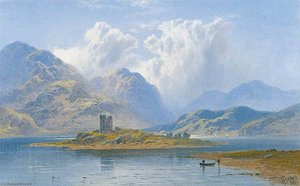
george blackie sticks
1843 - 1938
Quick Facts
- Artistic Movement Or Style: Romantic Landscape Art
- Artists Who Influenced This Artist: ['James Sticks']
- Date Of Death: 1938
- Full Name: George Blackie Sticks
- Nationality: British
- Notable Artworks: ['Derwentwater and Bassenthwaite Lakes']
- Place Of Birth: Newcastle
Related Articles

Georges Braque's Masterpieces: 25 Paintings That Defined Cubism & Modern Art | ArtsDot
Explore 25 iconic Georges Braque paintings that revolutionized Cubism & modern art. Discover the stories behind his masterpieces, from Fauvism to Analytical Cubism. Find museum-quality reproductions & elevate your home decor with ArtsDot.com.

Georges Seurat's Masterpieces: 25 Paintings That Defined Pointillism | ArtsDot
Explore 25 iconic Georges Seurat paintings & discover the brilliance of Pointillism. From 'La Grande Jatte' to his harbor scenes, delve into art history with ArtsDot.com. Find museum-quality reproductions for your home decor. Explore the full collection online!
George Paul Chalmers: Rediscovering the Angus Rembrandt & Scottish Colourist Roots
Explore the captivating world of George Paul Chalmers (1833-1878), a pivotal Scottish painter. Discover his landscapes, portraits & connection to the Aesthetic Movement and Colourists. Learn about this 'Angus Rembrandt's' legacy with ArtsDot.

Beyond the Horizon: 10 Landscape Masterpieces for Your Home Decor
Journey through 10 breathtaking landscape paintings by Monet, Van Gogh & more! Explore iconic artworks, artistic techniques & find inspiration for your home decor. Museum-quality reproductions at ArtsDot.com. Discover all masterpieces on ArtsDot.com
Evoking Nature's Sublime: A Comprehensive Exploration of 19th-Century Landscape Painting
Explore the captivating world of 19th-century landscape painting! Discover renowned artists like Friedrich & Monet, key movements, and find the perfect artwork to bring nature's serenity into your home. Expert insights at ArtsDot.