 Preview
 Send
Send Share
Share
 Details

 Download
 Similars
 X-Ray
X-Ray Diaporama
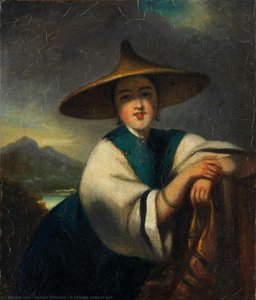
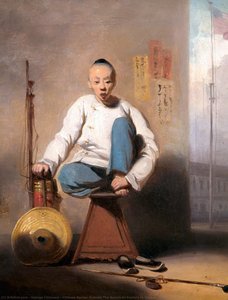
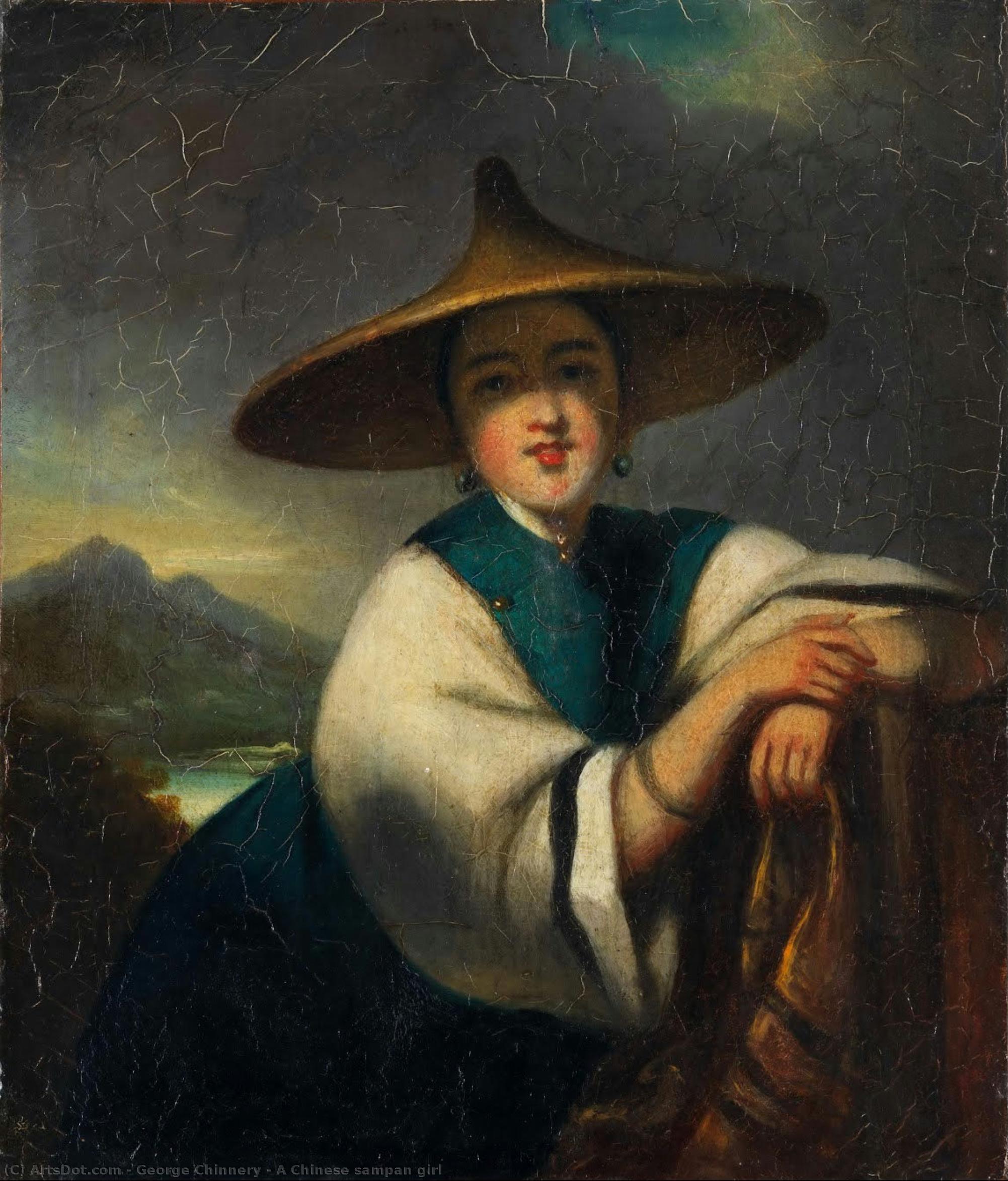
A Chinese sampan girl
 Oil
Oil- WallArt
- Romantic Landscape Painting
 19th Century
 23.0 x 28.0 cm
 Hong Kong Museum of Art
 Read More
Hand Made Oil Reproduction
Hand-painted oil on canvas in your size and frame, made to order by our artists. ( Buy Print Buy Image)




P118B $10

P118H $10

P118W $10

P438Z $10

P508JH $12

P508YH $12

P805H $10

P805Z $10

P919BZ $10

P919G $10

P919XJ $10

P959ZH $10

P968JZ $12

W106C $8

W218G $10

W218JH $8

W218Y $10

W307PJ $10

W316G $10

W316PJ $8

W316Y $10

W398PJ $8

W4111J $10

W500HY $15

W500JH $15

W692G $12

W849H $8

W940BG $15

W953PJ $8




Pick from our preset sizes that match the artwork's original proportions.

You may enter your own dimensions to fit a specific frame or space. If your selected size does not match the original image's proportions, we will either crop the artwork or extend the painting with additional hand-painted elements. A digital mockup will be sent for your approval before production begins.
Please note that the on-screen preview does not reflect the actual cropping or extension. Only the mockup will accurately show the final composition.
While custom sizes are available, we recommend selecting a dimension from the predefined list to preserve the original proportions.
After order, ArtsDot.com team will email client for instructions and provide a mockup preview
Worldwide Delivery () in 3/4 weeks instead of standard 5 weeks. (25 August). No compromise on quality.

Free Worldwide Express Shipping

High-Quality Linen Canvas

Full Shipping Insurance

Customs Tax Refund Guarantee

True Color Matching Guarantee

60-Day Return Policy (Defects Only)

100% Money-Back Guarantee

Bulk Discount Offer
 Glass option is only available in size under 110 CM

A Chinese sampan girl
Reproduction Medium
Reproduction Size
-


Total Price
$ 263
Artwork Description
A Window into Colonial Serenity
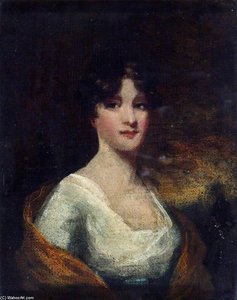
In the delicate brushstrokes of George Chinnery’s "A Chinese Sampan Girl," we find much more than a mere portrait; we encounter a poignant intersection of cultures and eras. Painted around 1845, this work serves as a captivating emblem of the Victorian era's profound fascination with the Far East. The subject, a young woman captured in a moment of quiet repose, wears a hat adorned with a striking blue ribbon—a detail that acts as a focal point of color and symbolic charm amidst the softer tones of the composition. As she gazes toward the viewer, there is an undeniable sense of intimacy, as if the boundaries of time have dissolved, allowing us to share in her serene presence. The background, featuring distant, misty mountains and the subtle suggestion of a boat in the foreground, provides a sense of vastness and depth, grounding the portrait within the lush, maritime landscape of the era.
The technical mastery displayed in this piece reflects Chinnery’s prestigious training at the Royal Academy Schools in London. He employs a sophisticated use of chiaroscuro, utilizing dramatic contrasts between light and shadow to breathe life into the subject's features. This technique creates luminous tonal gradations that lend a palpable, three-dimensional quality to her skin and the fabric of her dress. His ability to blend pigments with such precision allows for a soft, atmospheric effect that captures the humid, heavy air of the coastal regions he frequented. For the discerning collector or interior designer, this mastery of light offers a sophisticated texture that can anchor a room, providing a sense of classical elegance and historical weight.
The Echoes of an Imperial Era
To understand the soul of this painting, one must look to the historical landscape of Madras and Southern China during the mid-nineteenth century. George Chinnery was a pivotal figure in the British colonial artistic circle, moving through the bustling hubs of the East India Company's influence. This period was defined by an intense interplay of economic expansion and cultural exchange. Through his eyes, we see the quiet, domestic side of this grand imperial narrative. While history books often focus on the movements of armies and merchants, Chinnery’s work captures the human element—the faces and lives that existed within the colonial sphere. The presence of other figures in the periphery of the scene suggests a lived-in world, a bustling maritime life that continues just beyond the frame.
For those looking to incorporate fine art into a curated space, "A Chinese Sampan Girl" offers an unparalleled emotional resonance. It is a piece that invites contemplation, evoking feelings of nostalgia and wanderlust. Whether placed in a sunlit study or a grand hallway, the painting’s subtle palette and evocative subject matter provide a sophisticated touch of storytelling. Owning a high-quality reproduction of this work allows one to preserve this fragment of history, bringing the grace of a bygone age into a modern setting and sparking endless conversation about the beauty of cultural convergence.
Related Artworks

Artist Biography
Early Life and Training (1774-1801)
- Born: London, United Kingdom, in 1774
- Family Background: His father was an exponent of the Gurney system of shorthand.
- Artistic Education: Studied at the Royal Academy Schools in London. This provided a foundation in classical techniques and artistic principles.
- Early Career: Experienced some success as an artist in Ireland before moving to Madras (Chennai) in 1802.
Life in Asia: India and China (1802-1852)
- Move to India: Sailed to Madras in 1802, establishing himself as a painter within the British community.
- Calcutta Residency: Became the leading artist of the British community in Calcutta (Kolkata). This period marked his most prolific and influential years.
- Portraits of Prominent Figures: Painted portraits of notable individuals, including Colonel James Achilles Kirkpatrick and his family. These works offer insights into colonial society and familial relationships.
- Move to Southern China: Due to mounting debt, he relocated to Macau in 1825.
- Macau Period: Continued painting portraits of European merchants, Chinese residents, and sea captains. His style was closely imitated by the Cantonese artist Lam Qua.
- Hong Kong Visit: Made a six-month visit to Hong Kong in 1846, documenting the newly founded colony through detailed studies.
Artistic Style and Techniques
- Portraiture Focus: Chinnery is best known for his portraits, capturing likenesses with sensitivity and detail.
- Orientalist Influences: His work reflects elements of Orientalism, depicting Asian subjects within a European artistic framework. However, his portrayals often exhibit a degree of empathy and observation beyond simple exoticization.
- Mediums Used: Primarily worked in oil paint and watercolor. He also produced numerous pencil drawings.
- Unique Shorthand Notes: Chinnery used a modified version of the Gurney shorthand system to jot down quick notes on his sketches, providing valuable contextual information about his subjects and observations.
- Influence of Local Artists: His style was influenced by local Chinese artistic traditions, particularly in his landscapes and depictions of everyday life.
Major Achievements and Historical Significance
- Leading Western Artist in South China: Chinnery was the only Western painter resident in southern China between the early and mid-19th century, making him a unique chronicler of the region’s people and landscapes.
- Documenting Colonial Life: His paintings provide valuable historical documentation of British colonial life in India and Macau, as well as the interactions between Europeans and Asians.
- Influence on Chinese Art: Chinnery’s influence extended to local artists like Lam Qua, who adopted his portrait style.
- Depiction of Ordinary People: His works vividly depict the lives of ordinary people, offering a rare glimpse into everyday existence during that period.
- Literary Connection: Served as inspiration for the character Aristotle Quance in James Clavell’s novel Tai-pan.
Death and Legacy (1852 - Present)
- Death: Died in Macau on May 30, 1852, and is buried in the Old Protestant Cemetery.
- Collections: Substantial collections of his drawings are held at the Victoria and Albert Museum and the British Museum (London), Peabody Essex Museum (Salem, Massachusetts), Birmingham Museum & Art Gallery, Hong Kong Museum of Art, Macau Museum, and Macau Museum of Art.
- Ongoing Recognition: Exhibitions of his work have been held internationally, demonstrating continued interest in his art and historical significance.
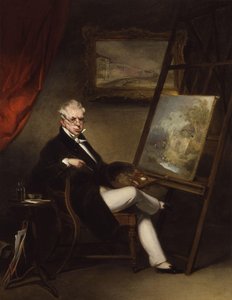
George Chinnery
1774 - 1852 , United Kingdom
Quick Facts
- Artistic Movement Or Style: Orientalism, Portraiture
- Artists Or Movements Influenced By This Artist: ['Lam Qua']
- Date Of Birth: January 5, 1774
- Date Of Death: May 30, 1852
- Full Name: George Chinnery
- Nationality: English
- Notable Artworks:
- Self-Portrait (1825)
- Macao
- Portrait Studies Of Six Figures
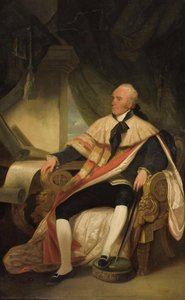
- Gilbert Elliot, 1st Earl of Minto
- Place Of Birth: London, United Kingdom
Related Articles

Georges Braque's Masterpieces: 25 Paintings That Defined Cubism & Modern Art | ArtsDot
Explore 25 iconic Georges Braque paintings that revolutionized Cubism & modern art. Discover the stories behind his masterpieces, from Fauvism to Analytical Cubism. Find museum-quality reproductions & elevate your home decor with ArtsDot.com.

Georges Seurat's Masterpieces: 25 Paintings That Defined Pointillism | ArtsDot
Explore 25 iconic Georges Seurat paintings & discover the brilliance of Pointillism. From 'La Grande Jatte' to his harbor scenes, delve into art history with ArtsDot.com. Find museum-quality reproductions for your home decor. Explore the full collection online!
George Goodwin Kilburne: Capturing Victorian Sentimentality Through Genre Painting
Explore the evocative Victorian paintings of George Goodwin Kilburne. Discover his detailed scenes of domestic life, masterful use of light, and lasting impact on British genre painting. Learn more at ArtsDot.
George Hayter: Portraiture, Power & Victorian Society's Canvas
Explore the life & work of George Hayter, Queen Victoria’s Principal Painter. Discover his iconic Victorian portraits, historical masterpieces, and lasting impact on British art history. Learn more at ArtsDot.
The Refined Aesthetic of Victorian Illustration: A Study in Narrative & Technique
Explore the captivating world of Victorian illustration! Discover Pre-Raphaelite influences, key artists like Rossetti & Stephens, and the era's rich narrative detail. A deep dive for art enthusiasts.