 Preview
 Send
Send Share
Share
 Details

 Download
 Similars
 X-Ray
X-Ray Diaporama
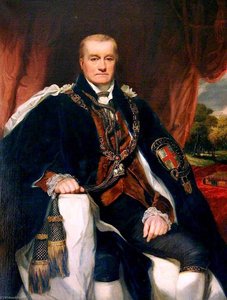
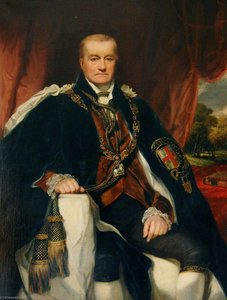
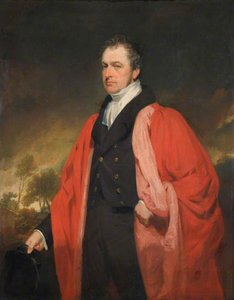
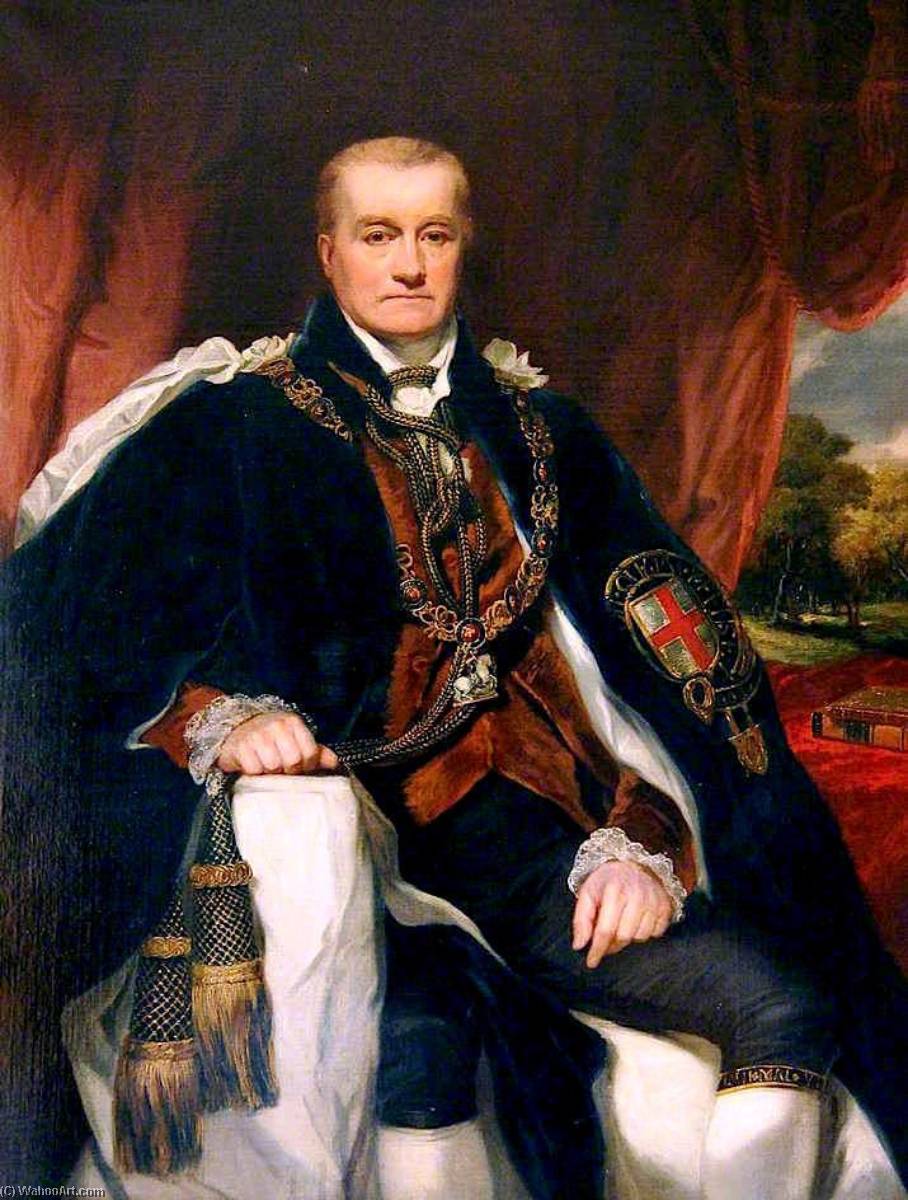
George John, 2nd Earl Spencer, First Lord of the Admiralty
 Oil
Oil- WallArt
- Romanticism
 1829
1829- 19th Century
 106.0 x 88.0 cm
 Ministry of Defence
 Read More
Hand Made Oil Reproduction
Hand-painted oil on canvas in your size and frame, made to order by our artists. ( Buy Print Buy Image)




P118B $10

P118H $10

P118W $10

P438Z $10

P508JH $12

P508YH $12

P805H $10

P805Z $10

P919BZ $10

P919G $10

P919XJ $10

P959ZH $10

P968JZ $12

W106C $8

W218G $10

W218JH $8

W218Y $10

W307PJ $10

W316G $10

W316PJ $8

W316Y $10

W398PJ $8

W4111J $10

W500HY $15

W500JH $15

W692G $12

W849H $8

W940BG $15

W953PJ $8




Pick from our preset sizes that match the artwork's original proportions.

You may enter your own dimensions to fit a specific frame or space. If your selected size does not match the original image's proportions, we will either crop the artwork or extend the painting with additional hand-painted elements. A digital mockup will be sent for your approval before production begins.
Please note that the on-screen preview does not reflect the actual cropping or extension. Only the mockup will accurately show the final composition.
While custom sizes are available, we recommend selecting a dimension from the predefined list to preserve the original proportions.
After order, ArtsDot.com team will email client for instructions and provide a mockup preview
Worldwide Delivery () in 3/4 weeks instead of standard 5 weeks. (22 August). No compromise on quality.

Free Worldwide Express Shipping

High-Quality Linen Canvas

Full Shipping Insurance

Customs Tax Refund Guarantee

True Color Matching Guarantee

60-Day Return Policy (Defects Only)

100% Money-Back Guarantee

Bulk Discount Offer
 Glass option is only available in size under 110 CM

George John, 2nd Earl Spencer, First Lord of the Admiralty
Reproduction Medium
Reproduction Size
-


Total Price
$ 263
Artwork Description
A Regal Encounter with History
In the grand tapestry of nineteenth-century British portraiture, few works capture the intersection of political authority and aristocratic splendor as vividly as George Clint’s 1829 masterpiece, George John, 2nd Earl Spencer, First Lord of the Admiralty. This commanding portrait serves as more than a mere likeness; it is a window into an era defined by maritime supremacy and the rigid hierarchies of the Regency period. As the viewer gazes upon the subject, there is an immediate sense of weight and consequence, conveyed through the deliberate composition and the imposing presence of the Earl. Clint, a master of capturing both the theatricality of the stage and the dignity of the state, utilizes a scale of 106 x 88 cm to ensure that the sitter dominates the visual field, demanding respect and contemplation from all who encounter it.
The artistry of George Clint shines through in his meticulous handling of texture and light. The painting is a triumph of classical technique, where the subtle sheen of the Earl’s attire contrasts beautifully with the symbolic weight of the crown resting upon his head. Every brushstroke serves to reinforce the subject's status; the fabric of his suit is rendered with a tactile precision that suggests both luxury and the formal discipline required of a First Lord of the Admiralty. The interplay of light across the face of the Earl reveals a character shaped by responsibility, while the darker, more atmospheric tones of the background push the figure forward, creating a three-dimensional effect that breathes life into the canvas.
Beyond the technical prowess, the painting is rich with the symbolism of power and duty. The inclusion of the crown is a profound semiotic marker, elevating the portrait from a personal study to a political statement regarding lineage and sovereign authority. For the discerning collector or interior designer, this piece offers an unparalleled opportunity to introduce a sense of historical gravity into a space. Whether placed in a stately library, a formal dining room, or a sophisticated executive office, a high-quality reproduction of this work acts as a focal point of conversation and prestige. It brings with it the echoes of the Ministry of Defence and the storied halls of London’s past, offering an emotional resonance that transcends time.
To possess such a work is to invite the spirit of the nineteenth century into the modern home. The portrait does not merely decorate a wall; it anchors a room with its narrative depth and aesthetic elegance. For those seeking to curate an environment of timeless sophistication, Clint’s depiction of the 2nd Earl Spencer provides a perfect balance of academic excellence and evocative storytelling, making it an essential acquisition for any serious lover of fine art history.
Related Artworks
Artist Biography
The Dramatic Vision of George Clint
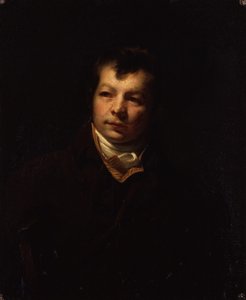
George Clint (1770 – 1854) stands as a significant figure in the annals of British art history, particularly recognized for his contributions to portrait painting and theatrical productions during the formative years of the nineteenth century. Born in the vibrant heart of Covent Garden, London, he emerged from humble beginnings to become an Associate Member of the Royal Academy, cementing his place amongst the artistic elite of his era. His oeuvre encompasses a diverse range of subjects—stately portraits capturing the grandeur of aristocratic families alongside dramatic scenes reflecting the spirit of the stage—demonstrating a versatility and ambition that characterized his entire artistic journey.
The essence of Clint’s artistry was deeply intertwined with the pulse of London's cultural life. Beyond the quiet dignity of fine art, Clint possessed a considerable talent for theatrical design and production. He served as a scenic artist for numerous London theatres, collaborating with prominent playwrights and directors—a vocation that honed his observational skills and fostered an intimate understanding of visual storytelling. This dual engagement between fine art and performance is noteworthy, reflecting the broader cultural landscape of Victorian England where artistic endeavors often intersected seamlessly. His theatrical work allowed him to experiment with color palettes and compositional techniques, enriching his ability to capture movement and emotion in his more permanent oil works.
A Legacy of Portraiture and Stagecraft
Clint’s development as a painter was marked by an ability to transition between the stark realism required for engravings and the soft, elegant textures found in his portraiture. His early training, rooted in classical studies and drawing, provided him with the foundational skills necessary to navigate the complex social hierarchies of the Regency and early Victorian periods. As he matured, his work began to reflect a profound mastery over light and shadow, a skill likely sharpened by the dramatic lighting requirements of the London stage.
The breadth of his artistic output can be observed through several key facets of his career:
- Portraiture: His ability to capture the essence of his subjects, ranging from striking black and white studies of gentlemen to more delicate, colorful depictions of women such as his 1830 portrait of Jane Williams, which showcases a serene beauty and poise.
- Theatrical Scenography: His role in shaping the visual identity of the London theatre, where he utilized his skills as a painter to create immersive environments for the era's most celebrated plays.
- Printmaking and Engraving: His contributions to the dissemination of art through engravings, allowing his likenesses of prominent figures to reach a wider public audience beyond the walls of private galleries.
Ultimately, the historical significance of George Clint lies in his role as a bridge between the ephemeral world of the theatre and the enduring world of fine art. By bringing the dramatic flair of the stage into the formal realm of portraiture, he helped define an aesthetic that captured both the elegance and the theatricality of the early 19th century. His life remains a testament to the power of multidisciplinary creativity, leaving behind a legacy of works that continue to evoke the grandeur and the spirit of a transformative era in British history.
George Clint
1770 - 1854 , United Kingdom
Quick Facts
- Artistic Movement Or Style: Portraiture
- Artists Or Movements Influenced By This Artist: ['']
- Artists Who Influenced This Artist: ['']
- Date Of Birth: April 12, 1770
- Date Of Death: May 10, 1854
- Full Name: George Clint
- Nationality: English
- Notable Artworks:
- La Palermitana
- George O’Brien Wyndham (1751–1837), 3rd Earl of Egremont
- Place Of Birth: Covent Garden, United Kingdom
Related Articles

Georges Braque's Masterpieces: 25 Paintings That Defined Cubism & Modern Art | ArtsDot
Explore 25 iconic Georges Braque paintings that revolutionized Cubism & modern art. Discover the stories behind his masterpieces, from Fauvism to Analytical Cubism. Find museum-quality reproductions & elevate your home decor with ArtsDot.com.

Georges Seurat's Masterpieces: 25 Paintings That Defined Pointillism | ArtsDot
Explore 25 iconic Georges Seurat paintings & discover the brilliance of Pointillism. From 'La Grande Jatte' to his harbor scenes, delve into art history with ArtsDot.com. Find museum-quality reproductions for your home decor. Explore the full collection online!

John Singer Sargent's 25 Masterpieces: Portraits & Beyond | ArtsDot
Explore 25 iconic John Singer Sargent paintings – from dazzling portraits to Impressionist landscapes. Discover the stories behind Madame X, El Jaleo & more! Find museum-quality art reproductions and elevate your home decor with ArtsDot.com.

John Constable's Masterpieces: Explore 25 Iconic Landscapes for Your Home
Journey through John Constable's 25 most celebrated landscapes. Explore Romanticism, Dedham Vale & his masterful use of light in iconic paintings like 'Hay Wain'. Find museum-quality art reproductions and elevate your home decor on ArtsDot.com.
John George Brown: Capturing American Life & Sentiment in 19th-Century Genre Painting
Explore the captivating genre paintings of John George Brown, celebrated for his realistic depictions of 19th-century American life. Discover his legacy & find museum-quality reproductions at ArtsDot.