 Preview
 Send
Send Share
Share
 Details

 Download
 Similars
 X-Ray
X-Ray Diaporama
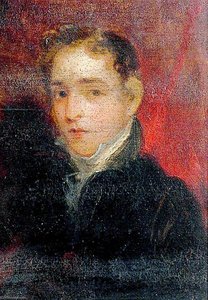
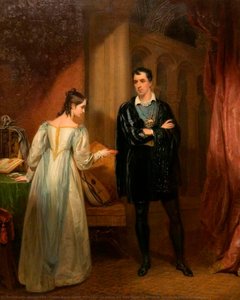
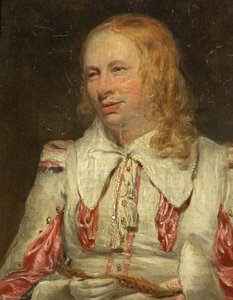
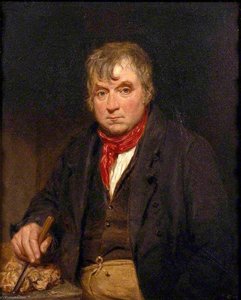
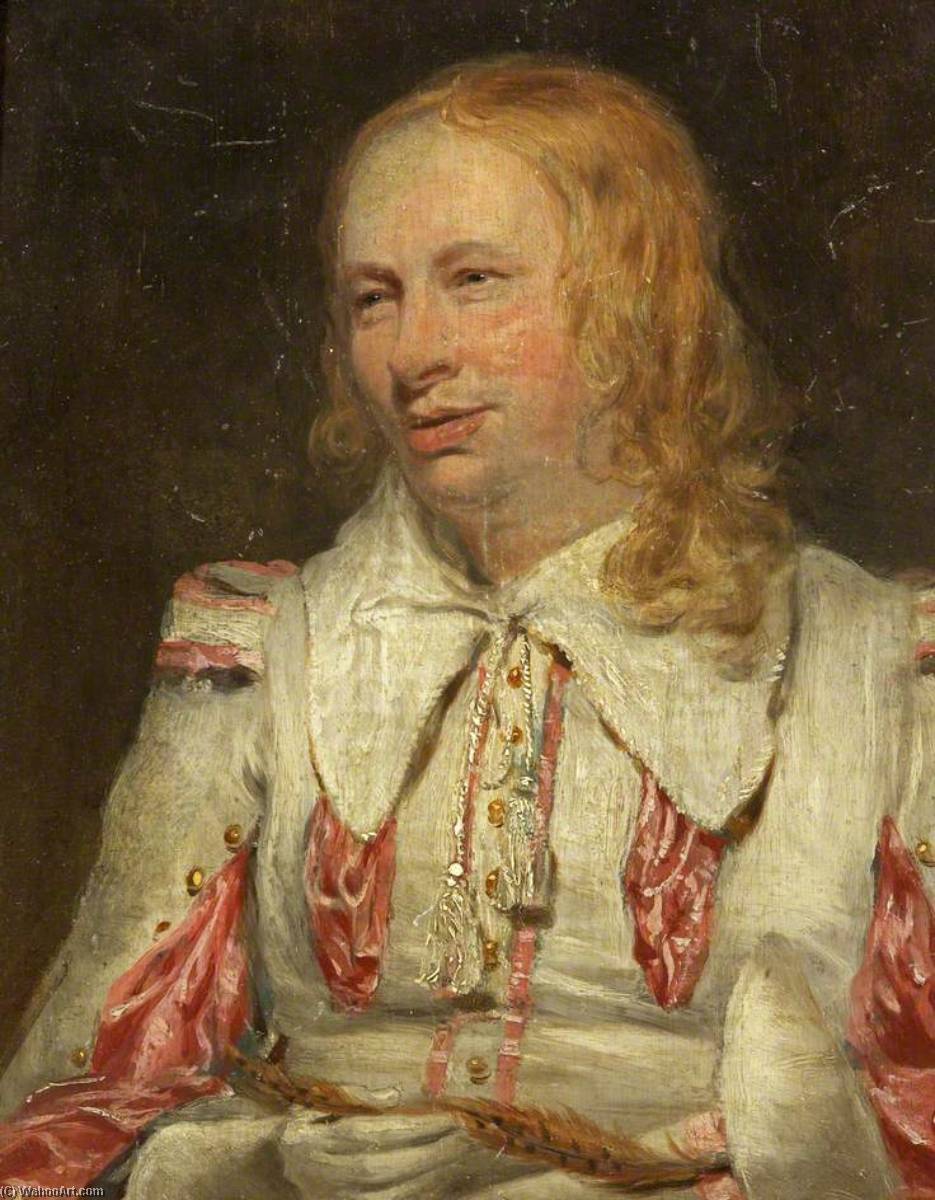
William Oxberry (1784–1824), as Master Stephen in Ben Jonson's 'Every Man in His Humour'
 Oil
Oil- WallArt
 1822
1822- 19th Century
 30.0 x 23.0 cm
 University of Bristol Theatre Collection
 Read More
Hand Made Oil Reproduction
Hand-painted oil on canvas in your size and frame, made to order by our artists. ( Buy Print Buy Image)




P118B $10

P118H $10

P118W $10

P438Z $10

P508JH $12

P508YH $12

P805H $10

P805Z $10

P919BZ $10

P919G $10

P919XJ $10

P959ZH $10

P968JZ $12

W106C $8

W218G $10

W218JH $8

W218Y $10

W307PJ $10

W316G $10

W316PJ $8

W316Y $10

W398PJ $8

W4111J $10

W500HY $15

W500JH $15

W692G $12

W849H $8

W940BG $15

W953PJ $8




Pick from our preset sizes that match the artwork's original proportions.

You may enter your own dimensions to fit a specific frame or space. If your selected size does not match the original image's proportions, we will either crop the artwork or extend the painting with additional hand-painted elements. A digital mockup will be sent for your approval before production begins.
Please note that the on-screen preview does not reflect the actual cropping or extension. Only the mockup will accurately show the final composition.
While custom sizes are available, we recommend selecting a dimension from the predefined list to preserve the original proportions.
After order, ArtsDot.com team will email client for instructions and provide a mockup preview
Worldwide Delivery () in 3/4 weeks instead of standard 5 weeks. (17 August). No compromise on quality.

Free Worldwide Express Shipping

High-Quality Linen Canvas

Full Shipping Insurance

Customs Tax Refund Guarantee

True Color Matching Guarantee

60-Day Return Policy (Defects Only)

100% Money-Back Guarantee

Bulk Discount Offer
 Glass option is only available in size under 110 CM

William Oxberry (1784–1824), as Master Stephen in Ben Jonson's 'Every Man in His Humour'
Reproduction Medium
Reproduction Size
-


Total Price
$ 263
Artwork Description
A Moment Captured in Theatrical Splendor
In this captivating portrait from 1822, the artist George Clint invites us into the vibrant, often chaotic world of the nineteenth-century London stage. The painting features William Oxberry, a figure of notable presence, portrayed in the role of Master Stephen from Ben Jonson's classic comedy, Every Man in His Humour. At first glance, the viewer is drawn irresistibly to the central subject, whose blonde hair and bright, inquisitive gaze command the composition. Clad in a crisp white shirt accented with delicate pink trimming, the figure possesses an expressive vitality that seems to bridge the gap between the painted canvas and the living spectator. The subtle tension in his facial expression—a hint of mischief or perhaps a moment of intense focus—capturing the very essence of theatrical characterization.
Beyond the central protagonist, Clint masterfully employs a balanced composition that provides depth and narrative context. The presence of two smaller figures, partially veiled in the background, suggests the bustling atmosphere of a backstage scene or a crowded theater lobby. These secondary characters serve not merely as ornamentation but as essential elements that ground the main subject within a larger social and dramatic ecosystem. This layering of figures creates a sense of movement and life, ensuring that the eye wanders through the frame, discovering new details of this historical vignette with every glance.
Mastery of Light and Regency Elegance
Technically, the work is a testament to George Clint’s prowess as an Associate Member of the Royal Academy. The artist utilizes a delicate interplay of light and shadow to sculpt the features of Oxberry, giving the portrait a three-dimensional quality that feels remarkably tactile. The soft luminosity hitting the white fabric of the shirt contrasts beautifully with the more muted, atmospheric tones of the background, a technique that directs the viewer's emotional response toward the warmth and humanity of the subject. Clint’s brushwork, while precise enough to capture the fine textures of lace and skin, retains a fluid, painterly quality that breathes life into the scene.
For the discerning collector or interior designer, this piece offers more than just historical interest; it provides a sophisticated focal point for any curated space. The palette, dominated by soft whites, gentle pinks, and earthy background tones, possesses a timeless elegance that complements both classical and contemporary decor. Whether placed in a formal study, a grand hallway, or a modern living area, a high-quality reproduction of this work brings with it an air of cultured nostalgia and intellectual depth. It is an invitation to contemplate the enduring power of performance and the artistry required to immortalize a fleeting moment of dramatic brilliance.
Related Artworks
Artist Biography
The Dramatic Vision of George Clint
George Clint (1770 – 1854) stands as a significant figure in the annals of British art history, particularly recognized for his contributions to portrait painting and theatrical productions during the formative years of the nineteenth century. Born in the vibrant heart of Covent Garden, London, he emerged from humble beginnings to become an Associate Member of the Royal Academy, cementing his place amongst the artistic elite of his era. His oeuvre encompasses a diverse range of subjects—stately portraits capturing the grandeur of aristocratic families alongside dramatic scenes reflecting the spirit of the stage—demonstrating a versatility and ambition that characterized his entire artistic journey.
The essence of Clint’s artistry was deeply intertwined with the pulse of London's cultural life. Beyond the quiet dignity of fine art, Clint possessed a considerable talent for theatrical design and production. He served as a scenic artist for numerous London theatres, collaborating with prominent playwrights and directors—a vocation that honed his observational skills and fostered an intimate understanding of visual storytelling. This dual engagement between fine art and performance is noteworthy, reflecting the broader cultural landscape of Victorian England where artistic endeavors often intersected seamlessly. His theatrical work allowed him to experiment with color palettes and compositional techniques, enriching his ability to capture movement and emotion in his more permanent oil works.
A Legacy of Portraiture and Stagecraft
Clint’s development as a painter was marked by an ability to transition between the stark realism required for engravings and the soft, elegant textures found in his portraiture. His early training, rooted in classical studies and drawing, provided him with the foundational skills necessary to navigate the complex social hierarchies of the Regency and early Victorian periods. As he matured, his work began to reflect a profound mastery over light and shadow, a skill likely sharpened by the dramatic lighting requirements of the London stage.
The breadth of his artistic output can be observed through several key facets of his career:
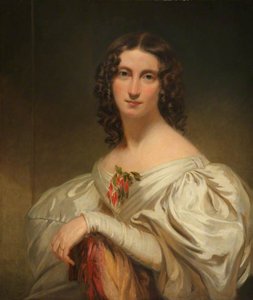
- Portraiture: His ability to capture the essence of his subjects, ranging from striking black and white studies of gentlemen to more delicate, colorful depictions of women such as his 1830 portrait of Jane Williams, which showcases a serene beauty and poise.
- Theatrical Scenography: His role in shaping the visual identity of the London theatre, where he utilized his skills as a painter to create immersive environments for the era's most celebrated plays.
- Printmaking and Engraving: His contributions to the dissemination of art through engravings, allowing his likenesses of prominent figures to reach a wider public audience beyond the walls of private galleries.
Ultimately, the historical significance of George Clint lies in his role as a bridge between the ephemeral world of the theatre and the enduring world of fine art. By bringing the dramatic flair of the stage into the formal realm of portraiture, he helped define an aesthetic that captured both the elegance and the theatricality of the early 19th century. His life remains a testament to the power of multidisciplinary creativity, leaving behind a legacy of works that continue to evoke the grandeur and the spirit of a transformative era in British history.
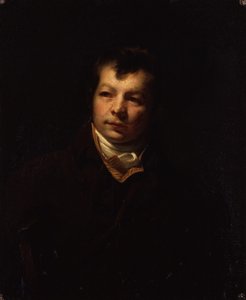
George Clint
1770 - 1854 , United Kingdom
Quick Facts
- Artistic Movement Or Style: Portraiture
- Artists Or Movements Influenced By This Artist: ['']
- Artists Who Influenced This Artist: ['']
- Date Of Birth: April 12, 1770
- Date Of Death: May 10, 1854
- Full Name: George Clint
- Nationality: English
- Notable Artworks:
- La Palermitana
- George O’Brien Wyndham (1751–1837), 3rd Earl of Egremont
- Place Of Birth: Covent Garden, United Kingdom
Related Articles

Georges Braque's Masterpieces: 25 Paintings That Defined Cubism & Modern Art | ArtsDot
Explore 25 iconic Georges Braque paintings that revolutionized Cubism & modern art. Discover the stories behind his masterpieces, from Fauvism to Analytical Cubism. Find museum-quality reproductions & elevate your home decor with ArtsDot.com.

Georges Seurat's Masterpieces: 25 Paintings That Defined Pointillism | ArtsDot
Explore 25 iconic Georges Seurat paintings & discover the brilliance of Pointillism. From 'La Grande Jatte' to his harbor scenes, delve into art history with ArtsDot.com. Find museum-quality reproductions for your home decor. Explore the full collection online!
White on Canvas: 10 Masterpieces & Timeless Elegance for Your Home Decor
Explore 10 iconic white paintings by Monet, Whistler & Rothko! Discover the stories behind these serene masterpieces and their impact on art history. Find museum-quality reproductions for your home decor at .

The Subtleties of White: Exploring Absence, Light & Symbolism in Art History
Explore the profound symbolism & history of white in art! From ancient purity to modern abstraction, discover how artists have used absence & light. Expert insights from ArtsDot.
Georges Barbier: A Synthesis of Art Nouveau Elegance & Early 20th-Century Fashion Illustration
Explore the exquisite world of Georges Barbier, a leading Art Nouveau illustrator celebrated for his opulent fashion designs & masterful pochoir technique. Discover his legacy and find collectible art at ArtsDot.