The Belle Époque Origins: Barbier’s Early Life & Artistic Formation
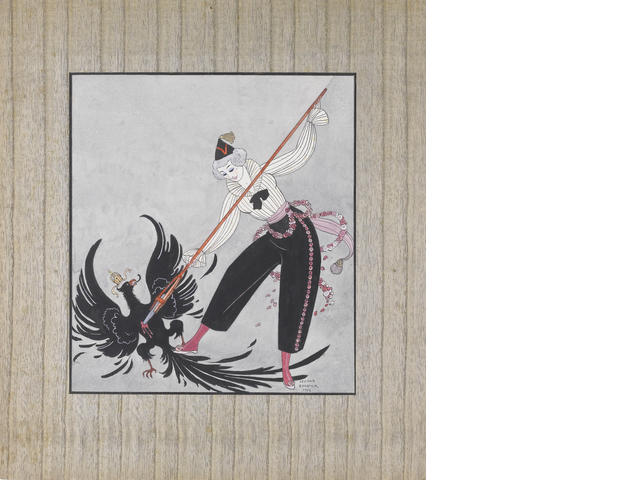 georges barbier
Discover George Barbier, a celebrated French illustrator (1882-1932). Known for opulent fashion & theatre designs, his work embodies Art Deco elegance & sophistication.
The name Georges Barbier evokes a world of shimmering silks, languid poses, and the intoxicating glamour of the Belle Époque. Born in Nantes, France, in 1882, Barbier emerged from an artistic milieu steeped in tradition yet yearning for innovation. While his early training at the École des Beaux-Arts provided him with a solid foundation in academic draftsmanship – a mastery of line and form that would become a hallmark of his style – it was the burgeoning atmosphere of Paris that truly ignited his creative spirit. This was a city on the cusp of transformation, shedding the constraints of the 19th century and embracing a new aesthetic sensibility. Barbier wasn’t merely observing this shift; he was actively shaping it, becoming one of the key figures in defining the visual language of the era.
His initial exposure to the world of fashion came through illustration work for leading Parisian magazines. This proved pivotal, allowing him to hone his skills and develop a distinctive approach that quickly set him apart. Unlike many of his contemporaries who focused solely on replicating current trends, Barbier infused his depictions with an artistic sensibility rarely seen in commercial art. He wasn’t simply drawing clothes; he was creating visions – idealized representations of beauty, elegance, and sophistication.
A Master of Pochoir: Technique, Style, and Defining Characteristics
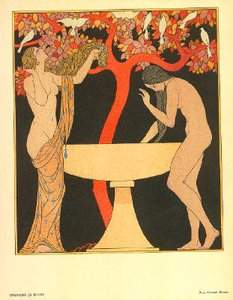 Untitled
Admire 'Untitled' by George Barbier – a stunning Art Nouveau illustration of nude figures & lush foliage. Explore this decorative masterpiece’s symbolism & exquisite technique.
Central to understanding Barbier's enduring appeal is his masterful use of the pochoir technique. This intricate method of hand-stenciling allowed for an unparalleled level of detail and color control, resulting in illustrations that possessed a luminosity and vibrancy unmatched by other printing processes. Each color was applied individually through meticulously cut stencils, layer upon layer, creating a depth and richness that mimicked the effect of watercolor or oil painting. The process was laborious and time-consuming, but it allowed Barbier to achieve a level of precision and artistry that defined his signature style.
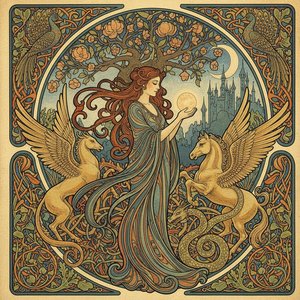
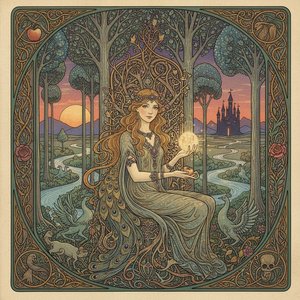
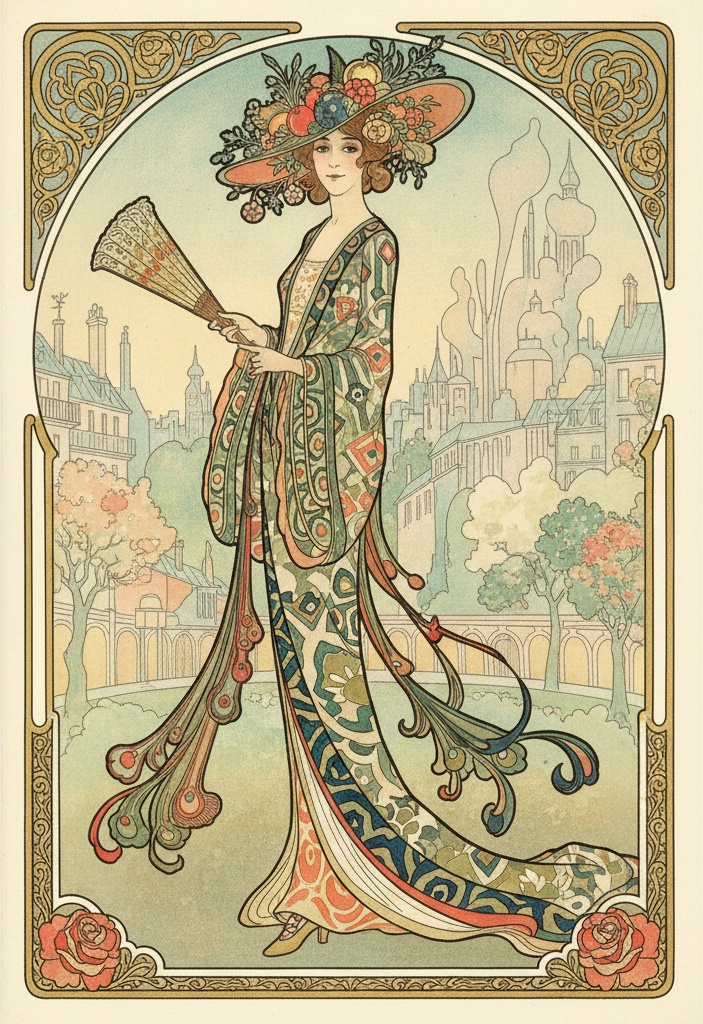
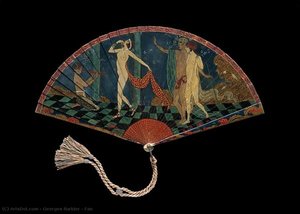
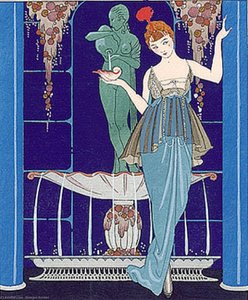
Beyond the technical brilliance, Barbier’s aesthetic sensibility was equally captivating. His work is characterized by elongated figures, flowing drapery, and an exquisite attention to detail – from the delicate embroidery on a gown to the intricate patterns of wallpaper. He drew inspiration from a diverse range of sources, including classical art, Japanese prints, and the exoticism of the Orient. This fusion of influences resulted in a unique visual language that was both timeless and distinctly modern. His compositions often feature a sense of theatricality, with figures posed as if on a stage, bathed in soft light and surrounded by opulent settings.
Fashion Plates & Theatrical Designs: Barbier's Commercial Success
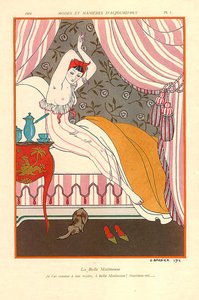 La Belle Matineuse
Discover 'La Belle Matineuse' by George Barbier – a stunning Art Nouveau illustration of a reclining nude in luxurious repose. Explore its elegant style & decorative details.
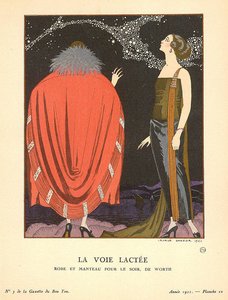
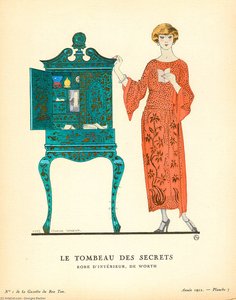
Barbier’s talent quickly garnered recognition within the Parisian fashion world. He became a sought-after illustrator for publications like La Gazette du Bon Ton, a magazine that showcased the latest haute couture designs and helped to establish Paris as the global center of fashion. His illustrations weren't merely advertisements; they were works of art in their own right, elevating fashion to a new level of cultural significance.
However, Barbier’s artistic ambitions extended beyond the realm of fashion. He also found success as a theatrical designer, creating costumes and stage sets for renowned venues like the Folies Bergère and the Ballets Russes. This foray into the world of performance allowed him to fully realize his vision of opulent spectacle. His designs were characterized by their extravagance, incorporating shimmering fabrics, elaborate embellishments, and bold color palettes. He even designed the entire wardrobe for Rudolph Valentino in the silent film Monsieur Beaucaire, further cementing his reputation as a master of visual style.
Beyond Fashion: Exploring Barbier’s Broader Artistic Influences
While celebrated for his fashion illustrations and theatrical designs, it's crucial to recognize that Georges Barbier was deeply immersed in the broader artistic currents of his time. He wasn’t simply responding to trends; he was actively engaging with the intellectual and aesthetic debates shaping the Art Nouveau movement. His work reveals a profound understanding of classical art – particularly the elegance of Watteau and Ingres – as well as an appreciation for Japanese woodblock prints, which were gaining popularity in Europe during the late 19th and early 20th centuries.
The influence of Symbolism is also evident in his work. His figures often possess a dreamlike quality, evoking a sense of mystery and longing. He wasn’t interested in simply depicting reality; he was striving to capture the essence of beauty, emotion, and imagination. This pursuit of artistic expression led him to experiment with different techniques and materials, constantly pushing the boundaries of his craft.
Barbier’s Enduring Legacy: Impact on Art Deco & Contemporary Design
Although Georges Barbier's life was tragically cut short in 1932 at the age of fifty, his impact on art and design continues to resonate today. He played a pivotal role in shaping the aesthetic sensibilities of the Art Deco movement, which emerged in the 1920s as a reaction against the organic forms of Art Nouveau. While Art Deco embraced geometric shapes and streamlined designs, it retained Barbier’s emphasis on luxury, sophistication, and theatricality.
His influence can be seen in the work of countless contemporary designers and artists, who continue to draw inspiration from his elegant style and masterful technique. From fashion collections to interior design projects, Barbier’s legacy lives on as a testament to the enduring power of beauty and imagination. His illustrations remain highly sought after by collectors, prized for their exquisite detail, vibrant colors, and timeless appeal.
Collecting George Barbier: Key Works and Considerations for Enthusiasts
For those seeking to acquire works by Georges Barbier, a diverse range of options exists, from original fashion plates published in magazines like La Gazette du Bon Ton to individual pochoir prints. Key works include illustrations from his series “Les Cent Parfums” and “La Belle Matineuse,” which exemplify his signature style and technical brilliance. When considering a purchase, it’s important to assess the condition of the print, paying close attention to any signs of fading or damage.
Authenticity is also crucial. Original prints will typically bear the imprint of the publisher and may be accompanied by certificates of authenticity. Prices can vary significantly depending on the rarity and condition of the work, ranging from several hundred to several thousand euros. At ArtsDot, we offer a curated selection of high-quality reproductions of Barbier’s most iconic works, allowing enthusiasts to experience his artistry firsthand. Whether you are a seasoned collector or simply appreciate the beauty of Art Nouveau illustration, Georges Barbier's work is sure to captivate and inspire.