Introduction: The Rise of Symbolist Illustration
The late 19th century witnessed a fascinating shift in artistic sensibilities, moving away from the strict realism that had dominated much of the previous era. This period saw the emergence of Symbolism – an art movement prioritizing evocative suggestion and subjective experience over literal representation. While painters like Gustave Moreau and Odilon Redon often take center stage when discussing this aesthetic revolution, the realm of illustration played a crucial role in disseminating these ideas to a wider audience. And within that world, one name stands out as particularly influential: George Roux. Though perhaps less celebrated than his painterly contemporaries, Roux’s intricate and atmospheric illustrations for Jules Verne's novels not only defined the visual landscape of early science fiction but also embodied the core tenets of Symbolism, weaving complex narratives through a masterful command of line, shadow, and allegory.
Roux's Early Life & Artistic Formation: A Foundation in Detail
Born in 1853, George Roux received his formal artistic training at the École Nationale des Beaux-Arts in Paris. This rigorous education instilled in him a deep respect for draftsmanship and anatomical accuracy – skills that would become hallmarks of his work. However, Roux wasn’t solely focused on academic precision; he possessed an innate talent for storytelling and a keen eye for dramatic composition. His early works demonstrate a fascination with historical subjects and genre scenes, often rendered with meticulous detail and a subtle sense of mystery. This foundation in traditional art techniques proved invaluable when he later turned his attention to the fantastical worlds envisioned by Verne. He wasn’t simply illustrating adventures; he was building believable environments and compelling characters within them, grounding the extraordinary in a tangible reality.
Illustrating Verne’s Worlds: Beyond Science Fiction
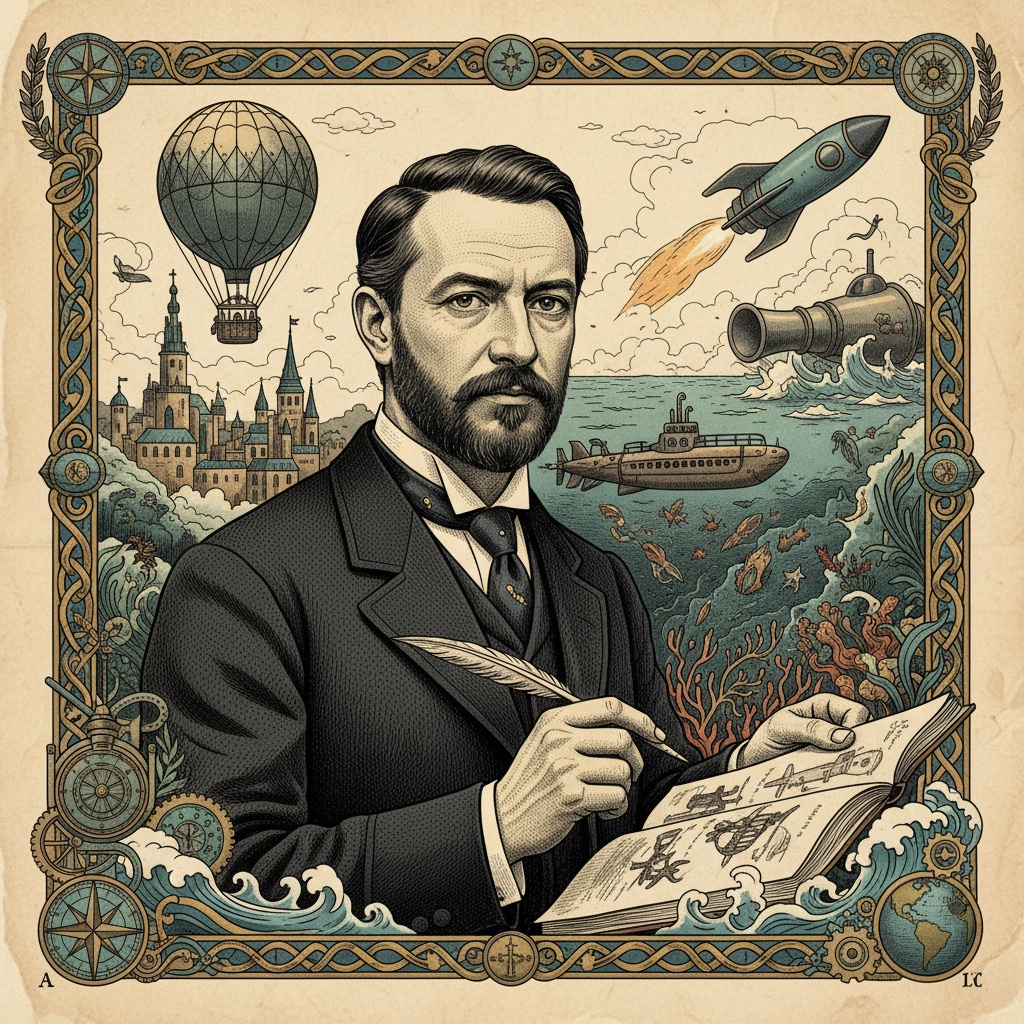
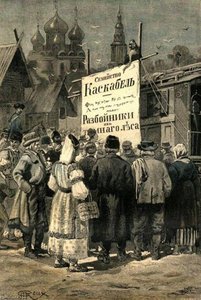
George Roux (1853–1929) was a French artist and book illustrator. His best-known works today are a large number of illustrations he created for the science-fiction novels of Jules Verne, in the series Les voyages extraordinaires. He was the second-mo...
Roux's association with Jules Verne began in 1885, and would prove to be a defining partnership. Commissioned by publisher Pierre-Jules Hetzel, Roux illustrated an impressive twenty-two novels from the *Les Voyages Extraordinaires* series – second only to Léon Benett in prolificacy. But to categorize Roux’s work as merely “science fiction illustration” is a disservice to its artistic merit. While he expertly depicted Verne's technological marvels and exotic locales, his illustrations transcended simple depiction. He imbued each scene with an atmosphere of wonder, suspense, and often, a subtle undercurrent of unease. Consider the illustrations for *The Salvage of the Cynthia* – the shipwrecks aren’t just vessels in peril; they are haunting symbols of human ambition and vulnerability against the power of nature. Roux didn't simply show us what Verne described; he interpreted it, adding layers of emotional depth and symbolic resonance.
The Language of Symbols: Decoding Roux’s Visual Narratives
In works of art, literature, and narrative, a symbol is a concrete element like an object, character, image, situation, or action that suggests or hints at abstract, deeper, or non-literal meanings or ideas. The use of symbols artistically is symboli...
What truly sets Roux apart is his masterful use of symbolism. His illustrations are replete with visual cues that hint at deeper meanings beyond the surface narrative. Recurring motifs – crumbling architecture, stormy seas, enigmatic figures shrouded in shadow – create a consistent thematic thread throughout his work. The sea, for example, frequently represents the unknown, both terrifying and alluring. Shadows often symbolize hidden dangers or internal conflicts within characters. And the depiction of technology is rarely straightforward; machines are often presented as imposing structures that simultaneously represent progress and potential destruction. This deliberate use of symbolism elevates his illustrations beyond mere visual accompaniment to the text, transforming them into independent works of art capable of standing on their own merit. He understood that a powerful image could convey complex ideas far more effectively than words alone.
Roux’s Lasting Influence and Rediscovery
Despite his significant contribution to the world of illustration, George Roux remained relatively obscure for much of the 20th century. His work was largely overshadowed by other artists and often overlooked in broader art historical narratives. However, in recent decades, there has been a growing appreciation for his unique style and artistic vision. Scholars have begun to recognize the importance of Symbolist illustration as a key component of the Art Nouveau movement, and Roux’s illustrations are now celebrated for their intricate detail, atmospheric depth, and evocative symbolism. His influence can be seen in subsequent generations of illustrators and artists working in fantasy and science fiction genres.
Collecting George Roux: A Guide for Enthusiasts
For collectors seeking to acquire original works by George Roux, the market presents both opportunities and challenges. Prints from early editions of Verne’s novels are relatively accessible, offering a beautiful way to experience his artistry without significant investment. However, finding truly pristine examples can be difficult due to their age and widespread circulation. Original drawings and watercolors are considerably rarer and command higher prices.
- Look for illustrations with strong composition and clear detail.
- Pay attention to the provenance of the work – a documented history adds value and authenticity.
- Consider the subject matter – certain novels, like *Twenty Thousand Leagues Under the Sea* or *The Mysterious Island*, are particularly sought after.