 Preview
 Send
Send Share
Share
 Details

 Download
 Similars
 X-Ray
X-Ray Diaporama
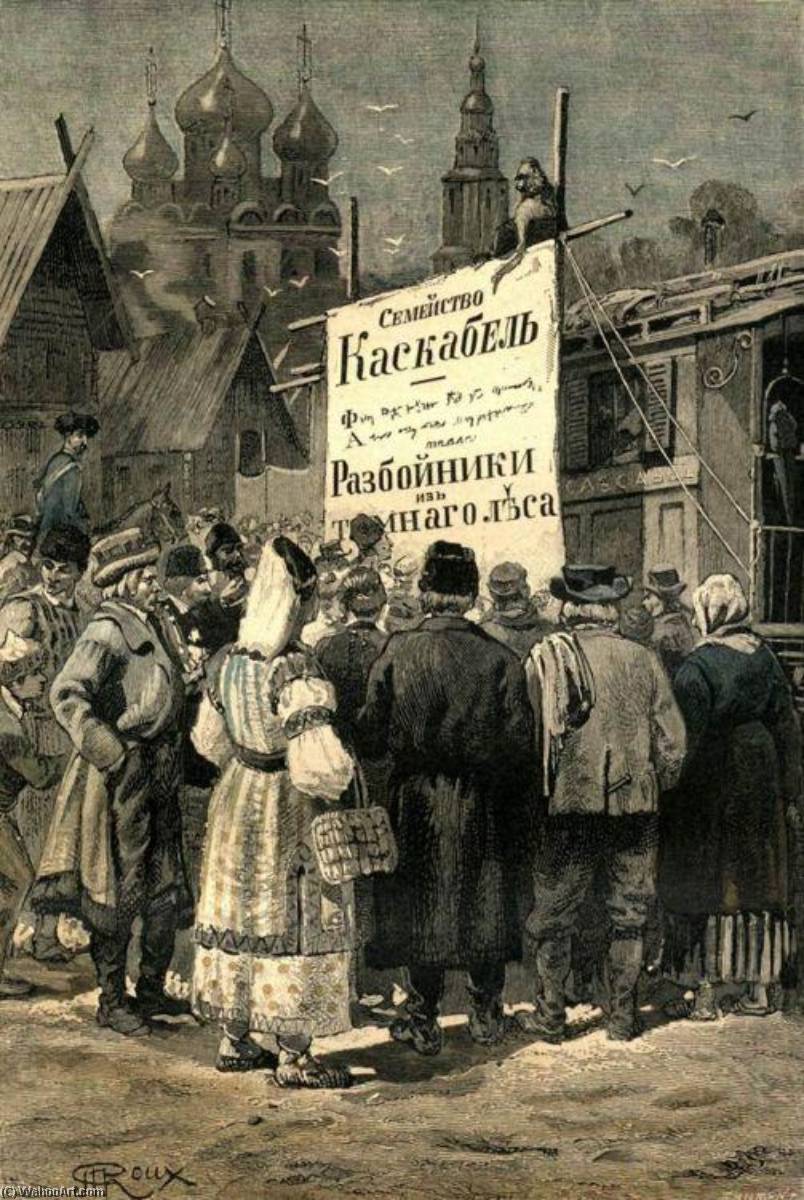
Untitled (AQTDSM)


 Read More
Hand Made Oil Reproduction
Hand-painted oil on canvas in your size and frame, made to order by our artists. ( Buy Print Buy Image)




































Pick from our preset sizes that match the artwork's original proportions.

You may enter your own dimensions to fit a specific frame or space. If your selected size does not match the original image's proportions, we will either crop the artwork or extend the painting with additional hand-painted elements. A digital mockup will be sent for your approval before production begins.
Please note that the on-screen preview does not reflect the actual cropping or extension. Only the mockup will accurately show the final composition.
While custom sizes are available, we recommend selecting a dimension from the predefined list to preserve the original proportions.
After order, ArtsDot.com team will email client for instructions and provide a mockup preview
Worldwide Delivery () in 3/4 weeks instead of standard 5 weeks. (17 August). No compromise on quality.

Free Worldwide Express Shipping

High-Quality Linen Canvas

Full Shipping Insurance

Customs Tax Refund Guarantee

True Color Matching Guarantee

60-Day Return Policy (Defects Only)

100% Money-Back Guarantee

Bulk Discount Offer
 Glass option is only available in size under 110 CM

Untitled (AQTDSM)
Reproduction Medium
Reproduction Size
-


Total Price
$ 563
Related Artworks
Artist Biography
George Roux (1853–1929): Pioneer of Symbolism and Enduring Legacy in Verne’s Illustrations
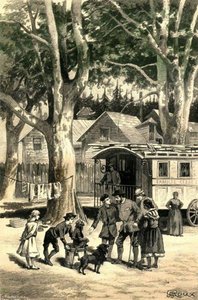
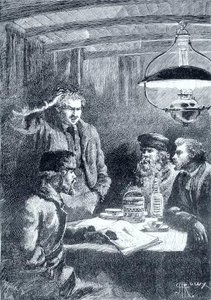
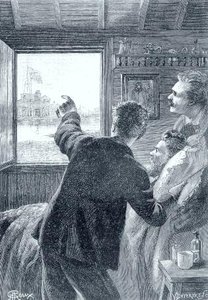
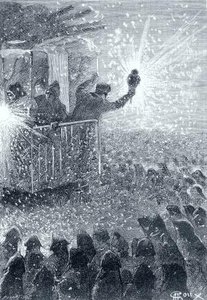
George Roux (1853–1929) stands as a singular figure in the history of French illustration, indelibly linked to the monumental achievement of Jules Verne's *Les Voyages extraordinaires*. More than simply reproducing Verne’s fantastical narratives visually, Roux imbued them with a profound symbolic depth that continues to fascinate scholars and collectors alike. This article delves into Roux’s life, artistic evolution, stylistic innovations, and lasting impact on Victorian art and literature.Early Life and Artistic Training
Born in Paris in 1853, Roux's formative years were marked by a privileged upbringing fostered by his father, a decorated officer of the French Army. This instilled in him a disciplined spirit and an appreciation for meticulous observation—qualities that would prove invaluable to his artistic pursuits. Recognizing Roux’s talent early on, his parents ensured he received comprehensive training in drawing and painting, primarily under the tutelage of Jean-Baptiste Camille Bouchardy, a respected instructor at École Supérieure des Beaux-Arts. Bouchardy championed a style rooted in Symbolism—a movement that sought to express inner emotions and spiritual truths through evocative imagery rather than mere representation—influencing Roux’s artistic sensibilities profoundly.The Verne Collaboration: A Partnership of Vision
Roux's fame rests primarily upon his collaboration with Jules Verne, beginning in 1885 with *L’Épave du Cynthia*. Verne himself was a fervent admirer of Symbolist aesthetics, and Roux responded enthusiastically to this challenge, transforming Verne’s imaginative tales into breathtaking visual experiences. Their partnership spanned over two decades, resulting in 22 illustrations for the original editions of Verne's novels—a staggering accomplishment that cemented Roux’s position as the second-most prolific illustrator of Verne’s oeuvre after Léon Benett. He meticulously crafted landscapes and figures alike, employing a distinctive technique characterized by linear hatching and subtle tonal gradations to convey atmosphere and emotion. The resulting images are not merely depictions of adventure; they are meditations on themes of exploration, wonder, and the human spirit's capacity for resilience.Stylistic Innovations and Artistic Technique
Roux’s artistic style distinguished itself from prevailing trends in Victorian illustration. Rejecting academic realism—the dominant aesthetic of the time—he embraced Symbolism’s expressive power, prioritizing mood and psychological nuance over precise anatomical accuracy. His masterful use of hatching—a technique involving closely spaced parallel lines—created textures that captured the rugged grandeur of mountainous terrains and the ethereal beauty of nocturnal scenes. Roux's meticulous attention to detail—particularly in rendering foliage and geological formations—combined with a romanticized vision of nature resulted in artworks imbued with an unparalleled sense of atmosphere. Furthermore, he skillfully manipulated light and shadow to heighten dramatic tension and convey emotional resonance.Legacy and Influence
George Roux’s contribution to Victorian art extends beyond his Verne illustrations. He produced numerous landscapes and genre scenes that showcased his exceptional artistic skill and stylistic sophistication. His works are held in prominent museums worldwide—including the Musée d'Orsay in Paris—testament to their enduring appeal and scholarly recognition. Roux’s influence can be discerned in subsequent generations of illustrators who sought inspiration from his pioneering approach to Symbolism and his unwavering commitment to conveying emotion through visual language. He remains a celebrated figure within the history of French art, embodying the spirit of artistic innovation and intellectual curiosity that defined the Belle Époque.Notable Works
* L’Épave du Cynthia (1885) * Voyages et aventures extraordinaires * Le Tour du monde en quatre mois * Cinq semaines dans les îles équipées * Les Aventuriers du désert * La Tempête sur l'Atlantique His enduring legacy resides not merely in the beauty of his artworks but also in their profound exploration of human experience and imagination—a testament to Roux’s singular artistic vision.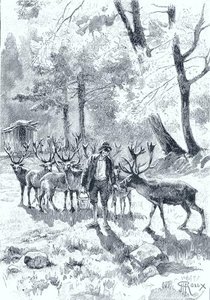
george roux
1853 - 1929
Quick Facts
- Artistic Movement Or Style: Symbolism
- Artists Or Movements Influenced By This Artist: ['Jules Verne']
- Artists Who Influenced This Artist: ['Gustave Moreau']
- Date Of Birth: 1853
- Date Of Death: 1929
- Full Name: George Roux
- Nationality: French
- Notable Artworks: ['Les Voyages extraordinaires']
- Place Of Birth: France
Related Articles
Georges Braque's Masterpieces: 25 Paintings That Defined Cubism & Modern Art | ArtsDot
Explore 25 iconic Georges Braque paintings that revolutionized Cubism & modern art. Discover the stories behind his masterpieces, from Fauvism to Analytical Cubism. Find museum-quality reproductions & elevate your home decor with ArtsDot.com.
Georges Seurat's Masterpieces: 25 Paintings That Defined Pointillism | ArtsDot
Explore 25 iconic Georges Seurat paintings & discover the brilliance of Pointillism. From 'La Grande Jatte' to his harbor scenes, delve into art history with ArtsDot.com. Find museum-quality reproductions for your home decor. Explore the full collection online!
George Roux: Pioneering Symbolism & Enduring Legacy in Verne's Illustrations
Explore the captivating world of George Roux, a pioneer of French Symbolist illustration renowned for his iconic work with Jules Verne. Discover his artistic techniques, enduring legacy, and how to collect his timeless masterpieces.
Ivan Bilibin: A Synthesis of Folklore, Modernism & National Identity in Russian Illustration
Explore the enchanting world of Ivan Bilibin, a master Russian illustrator who synthesized folklore, Art Nouveau & national identity. Discover his iconic fairy tale illustrations and legacy with ArtsDot.
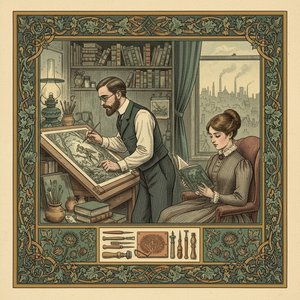
The Refined Aesthetic of Victorian Illustration: A Study in Narrative & Technique
Explore the captivating world of Victorian illustration! Discover Pre-Raphaelite influences, key artists like Rossetti & Stephens, and the era's rich narrative detail. A deep dive for art enthusiasts.