 Preview
 Send
Send Share
Share
 Details

 Download
 Similars
 X-Ray
X-Ray Diaporama
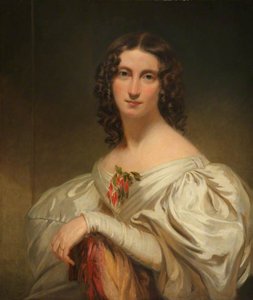
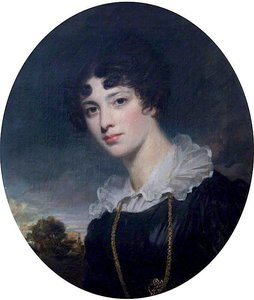
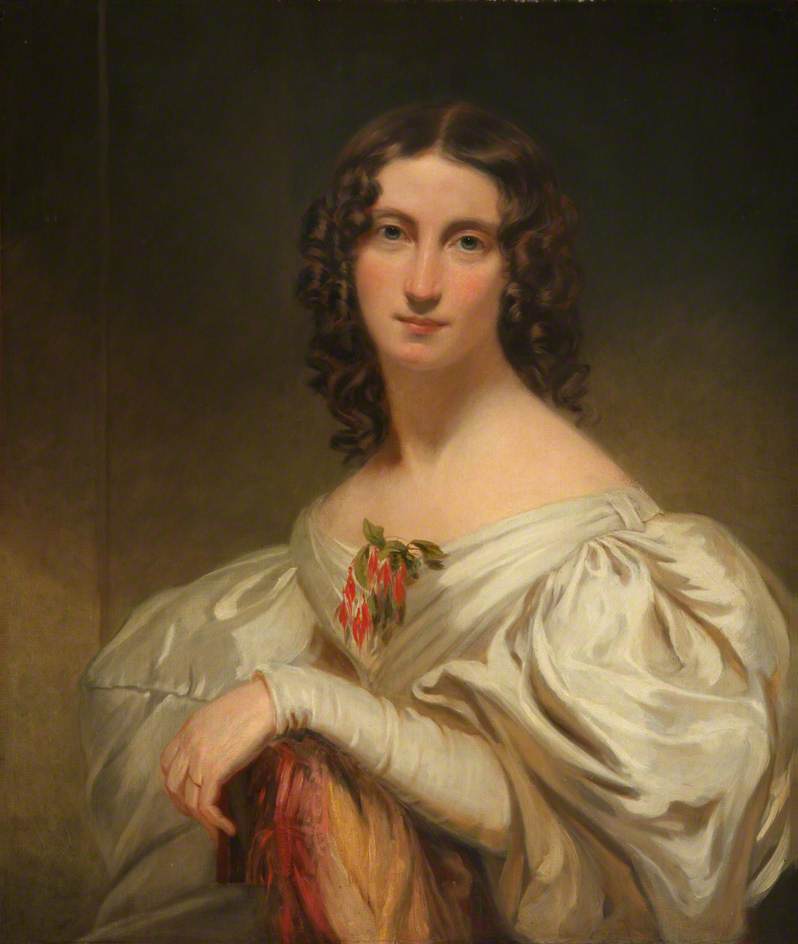
Jane Williams (1798–1884)
 Oil On Canvas
- WallArt
- Portraiture
 1830
1830 76.0 x 64.0 cm
 Bodleian Libraries
 Read More
Hand Made Oil Reproduction
Hand-painted oil on canvas in your size and frame, made to order by our artists. ( Buy Print Buy Image)




P118B $10

P118H $10

P118W $10

P438Z $10

P508JH $12

P508YH $12

P805H $10

P805Z $10

P919BZ $10

P919G $10

P919XJ $10

P959ZH $10

P968JZ $12

W106C $8

W218G $10

W218JH $8

W218Y $10

W307PJ $10

W316G $10

W316PJ $8

W316Y $10

W398PJ $8

W4111J $10

W500HY $15

W500JH $15

W692G $12

W849H $8

W940BG $15

W953PJ $8




Pick from our preset sizes that match the artwork's original proportions.

You may enter your own dimensions to fit a specific frame or space. If your selected size does not match the original image's proportions, we will either crop the artwork or extend the painting with additional hand-painted elements. A digital mockup will be sent for your approval before production begins.
Please note that the on-screen preview does not reflect the actual cropping or extension. Only the mockup will accurately show the final composition.
While custom sizes are available, we recommend selecting a dimension from the predefined list to preserve the original proportions.
After order, ArtsDot.com team will email client for instructions and provide a mockup preview
Worldwide Delivery () in 3/4 weeks instead of standard 5 weeks. (18 August). No compromise on quality.

Free Worldwide Express Shipping

High-Quality Linen Canvas

Full Shipping Insurance

Customs Tax Refund Guarantee

True Color Matching Guarantee

60-Day Return Policy (Defects Only)

100% Money-Back Guarantee

Bulk Discount Offer
 Glass option is only available in size under 110 CM

Jane Williams (1798–1884)
Reproduction Medium
Reproduction Size
-


Total Price
$ 263
Artwork Description
Jane Williams (1798–1884): A Portrait of Quiet Dignity
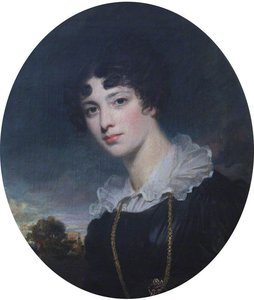
George Clint’s “Jane Williams” – a captivating portrait dating from around 1830 and now residing within the esteemed Bodleian Libraries at Oxford University – is more than just a likeness; it's a carefully constructed tableau of Victorian sensibility, hinting at a life lived with both grace and untold stories. The painting immediately draws the eye to its subject: a woman of considerable presence, seated in an arrangement that speaks volumes about her character. Her gaze, direct yet contemplative, holds the viewer captive, inviting us into a private world of thoughts and memories.
Clint’s style is firmly rooted in the Neoclassical tradition, evident in the meticulous rendering of fabrics – the delicate lace at her cuffs and neckline, the subtle folds of her white dress – and the precise detailing of her hair, styled with an elaborate braid that cascades down her back. This attention to detail isn't merely decorative; it’s a hallmark of the era, reflecting a desire for order and refinement within the burgeoning middle class. The muted palette—predominantly creams, browns, and subtle blues—further enhances this sense of understated elegance, creating an atmosphere of quiet dignity.
A Woman of Her Time: Context and Biography
Understanding “Jane Williams” requires a glimpse into the social landscape of early 19th-century England. Jane herself was a woman shaped by her era – born in 1798, she navigated a world where women’s roles were largely defined by marriage and domesticity. Research reveals that Jane was the subject of poems by the celebrated Romantic poet Percy Bysshe Shelley, suggesting a connection to intellectual circles and a life touched by artistic fervor. Her story is intertwined with that of Edward Ellerker Williams, a military officer she married briefly before embarking on a passionate, albeit ultimately tragic, affair with Shelley himself. This complex personal history subtly informs the painting’s mood – there's an undercurrent of melancholy, a sense of unspoken experiences.
Further research into Jane’s life reveals her connection to the Bodleian Libraries, where she served as a lady-in-waiting to Sir Winston Churchill. This association underscores the portrait’s historical significance and its place within a broader narrative of British social history. The painting offers a rare glimpse into the lives of women who often remained obscured by the grand narratives of their time.
Symbolism and Artistic Technique
Beyond the technical mastery evident in Clint's brushwork, “Jane Williams” is rich with symbolic detail. Her seated posture – upright yet relaxed – conveys a sense of self-assurance and composure. The red flower held delicately in her hand could represent remembrance, love, or perhaps even a poignant connection to Shelley’s poetry. The lighting, carefully orchestrated by the artist, casts subtle shadows that accentuate her features and create a sense of depth and volume.
Clint's use of oil on canvas allows for a remarkable level of detail and texture. The way he captures the sheen of silk and the softness of fabric speaks to his skill as a portraitist. The composition itself—Jane centered within the frame, her gaze fixed directly upon the viewer—creates an intimate and engaging experience for the observer.
A Timeless Portrait: Legacy and Reproduction
“Jane Williams” stands as a testament to George Clint’s talent and his ability to capture not just physical likeness but also the essence of his subject. It's a painting that invites contemplation, prompting us to consider the lives of women who shaped Victorian England—women whose stories are often overlooked yet deserve to be remembered. Today, high-quality reproductions of this captivating portrait offer art lovers and interior designers alike an opportunity to bring a touch of historical elegance into their homes or offices.
The painting’s enduring appeal lies in its ability to transcend the constraints of time, offering a poignant glimpse into a bygone era and reminding us of the complexities and nuances of human experience. It is a truly remarkable work of art, deserving of admiration and appreciation for generations to come.
Related Artworks

Artist Biography
The Dramatic Vision of George Clint
George Clint (1770 – 1854) stands as a significant figure in the annals of British art history, particularly recognized for his contributions to portrait painting and theatrical productions during the formative years of the nineteenth century. Born in the vibrant heart of Covent Garden, London, he emerged from humble beginnings to become an Associate Member of the Royal Academy, cementing his place amongst the artistic elite of his era. His oeuvre encompasses a diverse range of subjects—stately portraits capturing the grandeur of aristocratic families alongside dramatic scenes reflecting the spirit of the stage—demonstrating a versatility and ambition that characterized his entire artistic journey.
The essence of Clint’s artistry was deeply intertwined with the pulse of London's cultural life. Beyond the quiet dignity of fine art, Clint possessed a considerable talent for theatrical design and production. He served as a scenic artist for numerous London theatres, collaborating with prominent playwrights and directors—a vocation that honed his observational skills and fostered an intimate understanding of visual storytelling. This dual engagement between fine art and performance is noteworthy, reflecting the broader cultural landscape of Victorian England where artistic endeavors often intersected seamlessly. His theatrical work allowed him to experiment with color palettes and compositional techniques, enriching his ability to capture movement and emotion in his more permanent oil works.
A Legacy of Portraiture and Stagecraft
Clint’s development as a painter was marked by an ability to transition between the stark realism required for engravings and the soft, elegant textures found in his portraiture. His early training, rooted in classical studies and drawing, provided him with the foundational skills necessary to navigate the complex social hierarchies of the Regency and early Victorian periods. As he matured, his work began to reflect a profound mastery over light and shadow, a skill likely sharpened by the dramatic lighting requirements of the London stage.
The breadth of his artistic output can be observed through several key facets of his career:
- Portraiture: His ability to capture the essence of his subjects, ranging from striking black and white studies of gentlemen to more delicate, colorful depictions of women such as his 1830 portrait of Jane Williams, which showcases a serene beauty and poise.
- Theatrical Scenography: His role in shaping the visual identity of the London theatre, where he utilized his skills as a painter to create immersive environments for the era's most celebrated plays.
- Printmaking and Engraving: His contributions to the dissemination of art through engravings, allowing his likenesses of prominent figures to reach a wider public audience beyond the walls of private galleries.
Ultimately, the historical significance of George Clint lies in his role as a bridge between the ephemeral world of the theatre and the enduring world of fine art. By bringing the dramatic flair of the stage into the formal realm of portraiture, he helped define an aesthetic that captured both the elegance and the theatricality of the early 19th century. His life remains a testament to the power of multidisciplinary creativity, leaving behind a legacy of works that continue to evoke the grandeur and the spirit of a transformative era in British history.
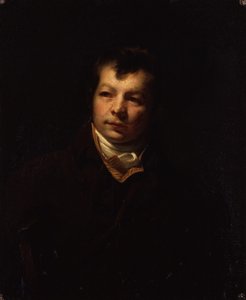
George Clint
1770 - 1854 , United Kingdom
Quick Facts
- Artistic Movement Or Style: Portraiture
- Artists Or Movements Influenced By This Artist: ['']
- Artists Who Influenced This Artist: ['']
- Date Of Birth: April 12, 1770
- Date Of Death: May 10, 1854
- Full Name: George Clint
- Nationality: English
- Notable Artworks:
- La Palermitana
- George O’Brien Wyndham (1751–1837), 3rd Earl of Egremont
- Place Of Birth: Covent Garden, United Kingdom
Related Articles

Georges Braque's Masterpieces: 25 Paintings That Defined Cubism & Modern Art | ArtsDot
Explore 25 iconic Georges Braque paintings that revolutionized Cubism & modern art. Discover the stories behind his masterpieces, from Fauvism to Analytical Cubism. Find museum-quality reproductions & elevate your home decor with ArtsDot.com.

Georges Seurat's Masterpieces: 25 Paintings That Defined Pointillism | ArtsDot
Explore 25 iconic Georges Seurat paintings & discover the brilliance of Pointillism. From 'La Grande Jatte' to his harbor scenes, delve into art history with ArtsDot.com. Find museum-quality reproductions for your home decor. Explore the full collection online!

The Enduring Legacy of Oil on Canvas: Technique, History & Aesthetic Impact
Explore the rich history & techniques of oil painting – from Renaissance masters to Impressionism. Discover pigments, layering methods, and why this timeless medium endures. Expert insights for artists & art enthusiasts.
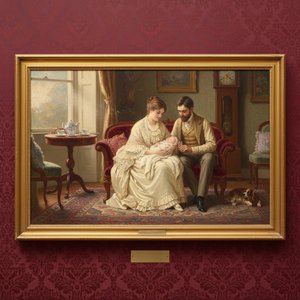
George Goodwin Kilburne: Capturing Victorian Sentimentality Through Genre Painting
Explore the evocative Victorian paintings of George Goodwin Kilburne. Discover his detailed scenes of domestic life, masterful use of light, and lasting impact on British genre painting. Learn more at ArtsDot.
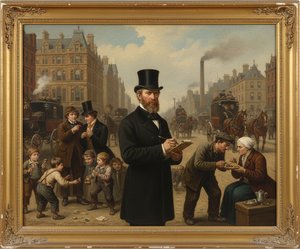
R.A. Benjamin Williams: Victorian Genre Painting & Social Commentary
Explore the captivating world of Benjamin Williams Leader's Victorian genre paintings. Discover his mastery of naturalism, social commentary & lasting influence on British art. Expert insights at ArtsDot.