 Preview
 Send
Send Share
Share
 Details

 Download
 Similars
 X-Ray
X-Ray Diaporama
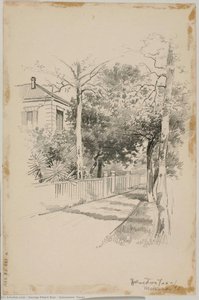
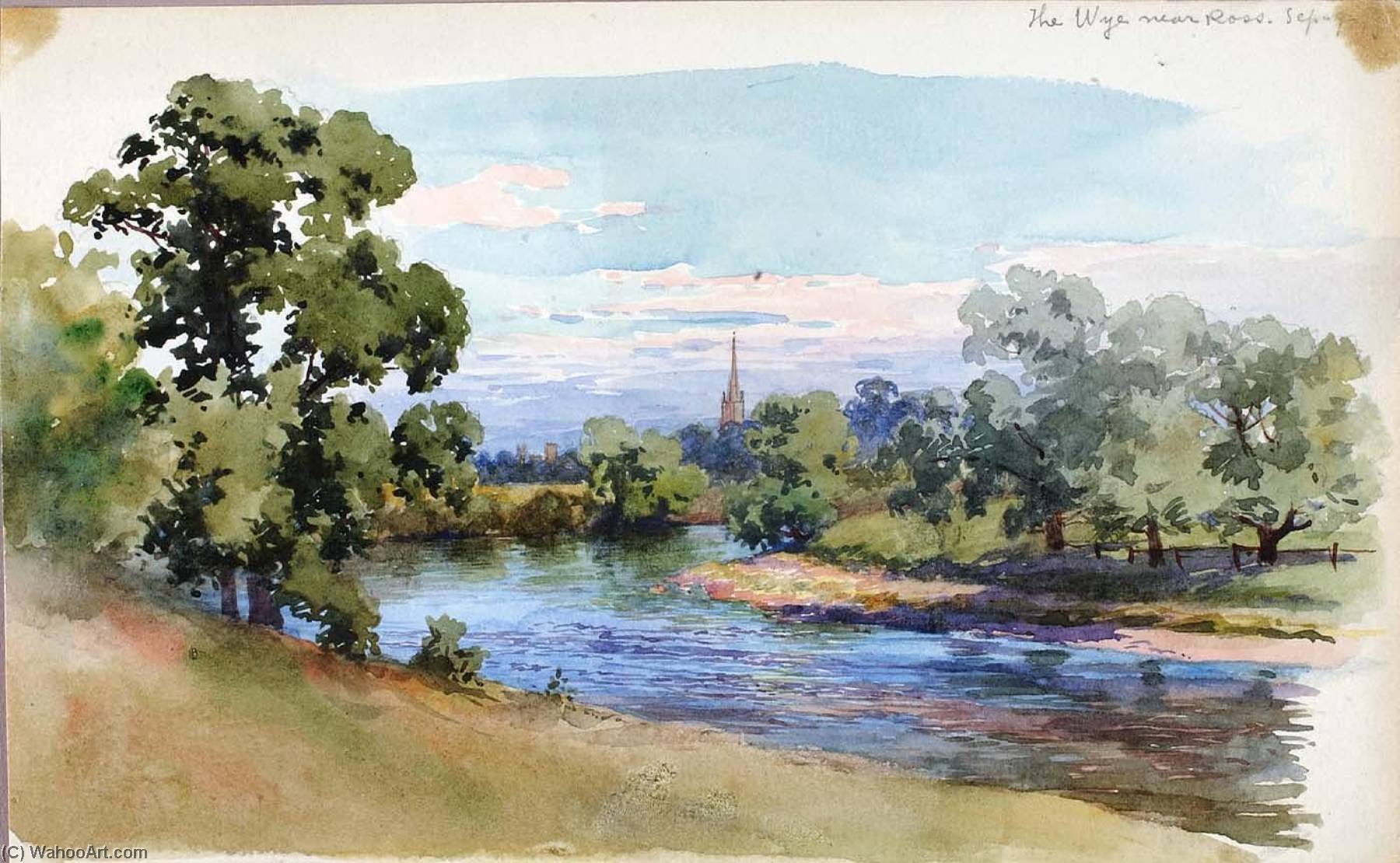
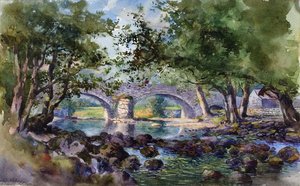
The Wye near Ross
 1899
1899 14.0 x 23.0 cm
 Read More
Hand Made Oil Reproduction
Hand-painted oil on canvas in your size and frame, made to order by our artists. ( Buy Print Buy Image)




































Pick from our preset sizes that match the artwork's original proportions.

You may enter your own dimensions to fit a specific frame or space. If your selected size does not match the original image's proportions, we will either crop the artwork or extend the painting with additional hand-painted elements. A digital mockup will be sent for your approval before production begins.
Please note that the on-screen preview does not reflect the actual cropping or extension. Only the mockup will accurately show the final composition.
While custom sizes are available, we recommend selecting a dimension from the predefined list to preserve the original proportions.
After order, ArtsDot.com team will email client for instructions and provide a mockup preview
Worldwide Delivery () in 3/4 weeks instead of standard 5 weeks. (24 August). No compromise on quality.

Free Worldwide Express Shipping

High-Quality Linen Canvas

Full Shipping Insurance

Customs Tax Refund Guarantee

True Color Matching Guarantee

60-Day Return Policy (Defects Only)

100% Money-Back Guarantee

Bulk Discount Offer
 Glass option is only available in size under 110 CM

The Wye near Ross
Reproduction Medium
Reproduction Size
-


Total Price
$ 263
Artwork Description
The Artist and His Work
George Elbert Burr was an American artist known for his watercolor paintings of landscapes and seascapes. He was a member of the Smithsonian American Art Museum and his works are still admired today for their beauty and tranquility. The Wye near Ross is one of his most notable pieces, showcasing his skill in capturing the play of light on water and the textures of the natural world.Key Features of the Painting
The painting features several key elements that contribute to its serene atmosphere. These include:- The use of soft, muted colors to create a sense of calm and relaxation
- The gentle play of light on the water, creating a sense of movement and energy
- The inclusion of trees and foliage, adding depth and texture to the landscape
Availability and Reproduction
The Wye near Ross is available for viewing at the Smithsonian American Art Museum. For those who cannot visit the museum in person, high-quality reproductions of the painting are available for purchase from ArtsDot.com. These reproductions are made using traditional techniques and high-quality materials, ensuring that they capture the beauty and essence of the original painting.The Wye near Ross is a beautiful example of George Elbert Burr's skill as an artist and his ability to capture the serene and peaceful atmosphere of the natural world. Whether viewed in person or through a reproduction, this painting is sure to inspire a sense of calm and relaxation in all who see it.
Related Artworks









Artist Biography
George Elbert Burr: A Desert Visionary
George Elbert Burr (1859 – 1939) stands as a singular figure in American printmaking and painting, remembered primarily for his masterful depictions of the American West’s dramatic landscapes—particularly its deserts and mountains. Born in Cincinnati, Ohio, Burr pursued an artistic education initially focusing on illustration before gravitating towards etching and watercolor techniques that would define his distinctive style. His work transcends mere representation; it embodies a profound sensitivity to light, texture, and atmosphere, capturing the essence of solitude and grandeur within these expansive environments.- Early Life & Education: Burr’s formative years were marked by an interest in natural history and scientific observation—influences that would permeate his artistic vision. He studied at Cincinnati Art Academy and later traveled extensively throughout Europe, absorbing the Impressionist movement's techniques and aesthetic principles.
- The Rise of Etching: Burr’s breakthrough came with etching, a medium he embraced wholeheartedly during the late Victorian era. His meticulous approach to creating prints involved painstakingly transferring images from drawings onto copper plates, utilizing acid baths to carve intricate lines that would ultimately produce stunningly detailed impressions. This painstaking process demanded patience and precision—qualities Burr possessed in abundance.
- Desert Landscapes & Stylistic Evolution: Burr’s artistic focus shifted decisively towards the American Southwest during the early 20th century. He embarked on numerous expeditions to Arizona, Utah, Nevada, and California, documenting the region's geological formations and ephemeral beauty with breathtaking watercolors and drypoint etchings. His style evolved over time—characterized by a gradual simplification of forms and an increasing emphasis on tonal harmonies—reflecting his growing understanding of how light interacts with surface textures.
- Notable Achievements & Recognition: Burr’s prints gained considerable acclaim during his lifetime, securing commissions from prominent institutions like the Smithsonian Institution and earning recognition as a leading exponent of American landscape art. His works are held in collections across the nation and continue to inspire artists today.
Key Works & Artistic Style
Burr’s oeuvre comprises approximately 350 prints and drawings, showcasing his remarkable versatility as an artist. Among his most celebrated pieces include ‘Castle Schönburg, Oberwesel,’ a meticulously rendered watercolor capturing the imposing silhouette of a medieval castle against a twilight sky—a testament to his ability to convey both historical detail and emotional resonance. Similarly, ‘Untitled (Transfer Drawing for November)’ presents a starkly beautiful monochrome sketch conveying the desolate beauty of Nevada’s desert terrain. His distinctive style is marked by:- Detailed Linework: Burr's etchings are renowned for their extraordinarily fine lines—a hallmark of his technique that captures subtle nuances of form and texture.
- Tonal Harmony: Watercolor paintings demonstrate Burr’s masterful control over color palettes, achieving harmonious blends that evoke the mood and atmosphere of the landscapes he depicted.
- Emphasis on Light & Shadow: Throughout his work, Burr skillfully employed chiaroscuro—the interplay of light and shadow—to heighten visual drama and convey a sense of depth.
Legacy & Historical Significance
George Elbert Burr’s contribution to American art extends beyond the aesthetic realm; he embodies the spirit of exploration and observation that characterized the Progressive Era. His unflinching portrayal of the West—often imbued with a contemplative stillness—served as an inspiration for subsequent generations of artists seeking to capture the sublime grandeur of nature. Today, Burr's prints remain treasured artifacts of early 20th-century art history, offering viewers a glimpse into a bygone era and reaffirming the enduring power of artistic vision.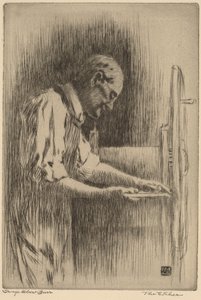
George Elbert Burr
1859 - 1939
Quick Facts
- Artistic Movement Or Style: Western Landscapes
- Date Of Death: 1939
- Full Name: George Elbert Burr
- Nationality: American
- Notable Artworks:
- Castle Schönburg, Oberwesel
- Untitled (transfer drawing for November)
- Winter (No. 1)
- Place Of Birth: USA
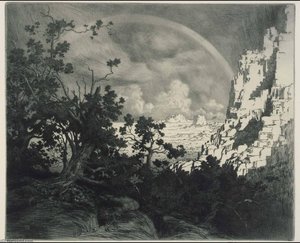
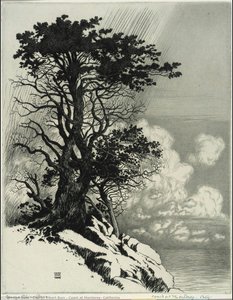
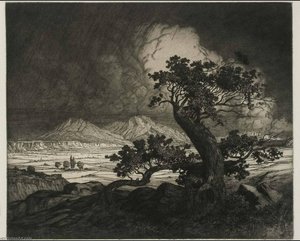
![Untitled (transfer drawing for The Home of the Winds [no. 1])](/media/artworks/images-thumb/dd/96/dd96c678ec40df9a9267f8459ca4b4c9.jpg)
![Untitled (transfer drawing for Florence from Monte Oliveto [No. 2])](/media/artworks/images-thumb/2e/d2/2ed2b80dd864e9797a36f18b1867c66e.jpg)