 Preview
 Send
Send Share
Share
 Details

 Download
 Similars
 X-Ray
X-Ray Diaporama
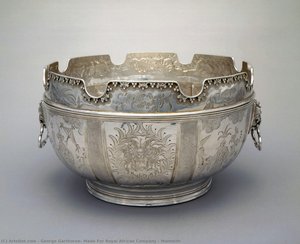
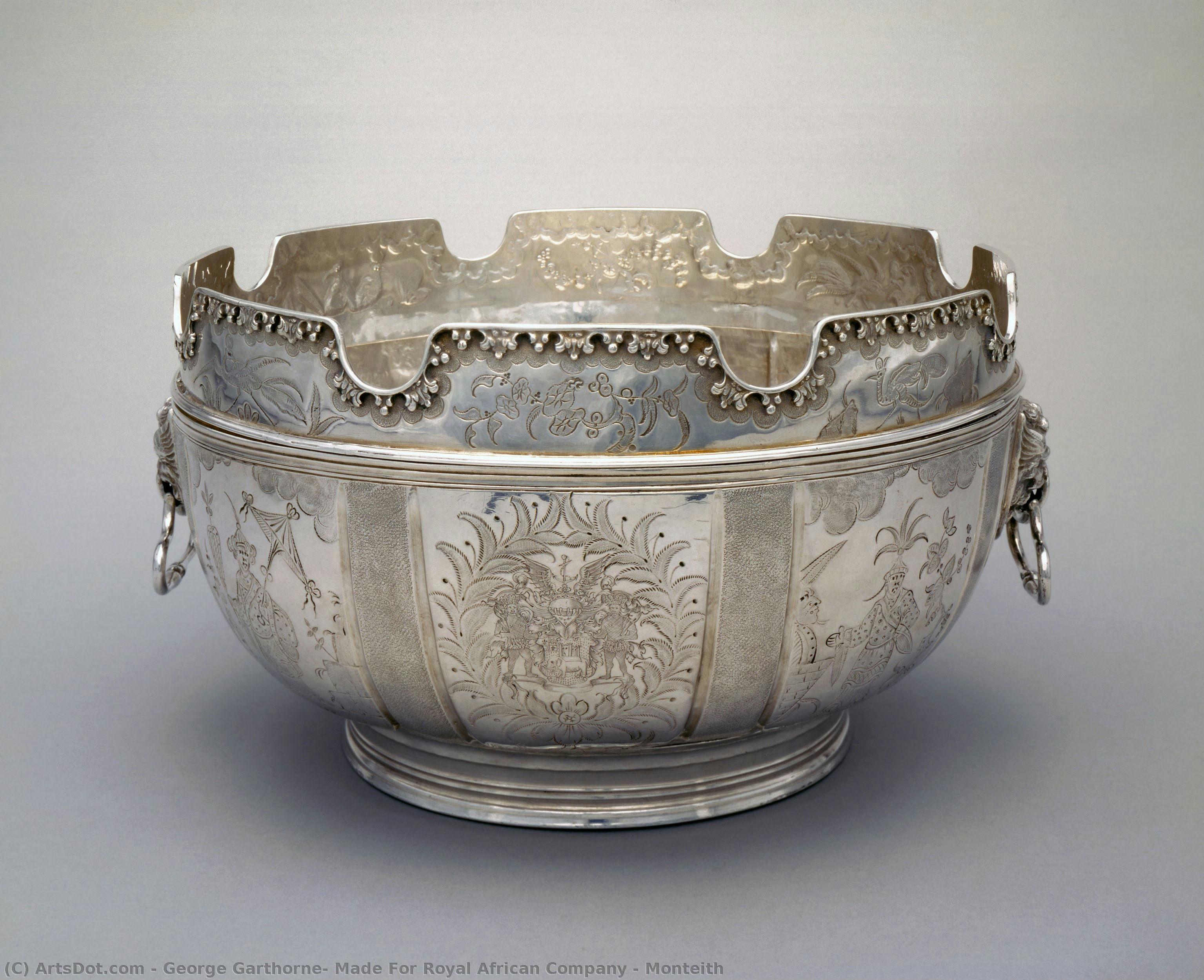
Monteith


 Read More
Giclée / Art Print
Museum-quality giclée or canvas print with fast production and flexible finish options. ( Buy Hand Made Painting Buy Image)




































Pick from our preset sizes that match the artwork's original proportions.

You may enter your own dimensions to fit a specific frame or space. If your selected size does not match the original image's proportions, we will either crop the artwork or extend the image with a mirrored or solid-fill edge. A digital mockup will be sent for your approval before production begins.
Please note that the on-screen preview does not reflect the actual cropping or extension. Only the mockup will accurately show the final composition.
While custom sizes are available, we recommend selecting a dimension from the predefined list to preserve the original proportions.
Worldwide Delivery () in 2 weeks instead of standard 4/5 weeks. (22 August)

Free Worldwide Express Shipping

High-Quality Linen Canvas

Full Shipping Insurance

Customs Tax Refund Guarantee

True Color Matching Guarantee

60-Day Return Policy (Defects Only)

100% Money-Back Guarantee

Bulk Discount Offer
 Glass option is only available in size under 110 CM

Monteith
Giclée / Art Print
Reproduction Size
-


Total Price
$ 63
Related Artworks
Artist Biography
A Silversmith’s Reflection of Empire: George Garthorne and the Royal African Company
George Garthorne remains a somewhat enigmatic figure in the annals of English silversmithing, yet his work offers a potent, if unsettling, window into the complexities of 17th-century commerce, colonialism, and artistic patronage. He wasn’t crafting delicate trinkets for leisurely aristocrats; instead, Garthorne produced objects—most notably the magnificent ‘Monteith’ of 1688—for the Royal African Company, a powerful entity deeply entwined with the transatlantic slave trade. Understanding his artistry necessitates acknowledging this fraught context, as his creations were not merely symbols of wealth but tangible manifestations of an exploitative system. Garthorne's life details are sparse; he is primarily known through surviving hallmarks and records associated with commissions undertaken for the RAC. He flourished during a period when silverwork was undergoing significant stylistic shifts, moving away from the more austere forms of the mid-17th century towards the exuberance of Baroque and Rococo designs. While biographical specifics remain elusive, his technical skill is undeniable, evidenced in the intricate engravings and refined craftsmanship that characterize his pieces.The Royal African Company: A Patron Unlike Any Other
To truly appreciate Garthorne’s work, one must understand the nature of his primary patron. The Royal African Company, chartered in 1660, initially aimed to trade for gold along the West African coast. However, it swiftly pivoted towards a far more lucrative—and morally reprehensible—enterprise: the enslavement and transportation of Africans across the Atlantic. Overseen by figures like the Duke of York (later James II), the RAC held a monopoly on English trade with Africa, wielding immense political and economic power. The company’s coat of arms, emblazoned upon many objects commissioned from Garthorne and other artisans, served as a potent symbol of this authority. It is crucial to recognize that any object produced for the RAC was inextricably linked to this brutal reality. Commissions weren't acts of benign patronage but investments in an enterprise built on human suffering. The ‘Monteith’, therefore, wasn’t simply a beautiful silver bowl; it represented the wealth generated through exploitation and forced labor.The 'Monteith': A Glimpse into 17th-Century Luxury
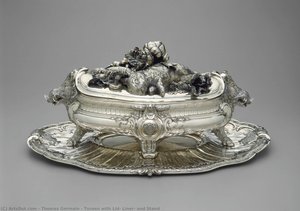
The ‘Monteith,’ created in 1688, stands as Garthorne's most celebrated work—and arguably his most problematic. This large silver bowl, designed to hold chilled wine or punch, exemplifies the Neoclassical/Rococo aesthetic gaining prominence during the late 17th century. Its intricate engravings depict scenes of abundance and revelry, a stark contrast to the human cost behind its creation. The vessel’s elaborate design—featuring scrolling foliage, mythical creatures, and coats of arms—demonstrates Garthorne's mastery of silversmithing techniques. More than just functional tableware, the ‘Monteith’ was intended as a display piece, showcasing the RAC’s affluence and status. It would have been prominently featured at company banquets and gatherings, serving as a visual testament to their success. The very act of chilling wine within it speaks to a lifestyle of leisure afforded by the profits derived from the slave trade.Style and Influences: A Silversmith in Transition
Garthorne’s style reflects the broader artistic currents of his time. English silversmithing in the late 17th century was moving away from the plainer designs favored earlier in the century, embracing more elaborate ornamentation inspired by continental European trends—particularly French and Dutch Baroque styles. Garthorne's work demonstrates a skillful blend of these influences, incorporating intricate engravings, refined detailing, and a sense of dynamic movement. While he wasn’t necessarily an innovator pushing stylistic boundaries, his ability to execute complex designs with precision and elegance made him a sought-after artisan among the RAC’s officials. The influence of earlier silversmiths like Paul Van Vartayen can be detected in Garthorne's attention to detail and use of repoussé techniques, but he developed a distinctive style characterized by its balance between ornamentation and functionality.Historical Significance: Beyond Aesthetics
George Garthorne’s legacy is complex and demands critical engagement. He was not merely a craftsman; he was an integral part of a system that profited from immense human suffering. While his technical skill and artistic talent are undeniable, it's impossible to separate his work from the historical context in which it was created. The ‘Monteith’ and other objects commissioned by the Royal African Company serve as uncomfortable reminders of the brutal realities of the transatlantic slave trade and the complicity of various industries—including the decorative arts—in perpetuating this injustice. Studying Garthorne's artistry requires acknowledging this difficult truth, prompting a deeper reflection on the relationship between art, commerce, and morality. His work stands not as a celebration of artistic achievement but as a poignant symbol of an empire built on exploitation, forcing us to confront the darker chapters of history and their enduring legacy.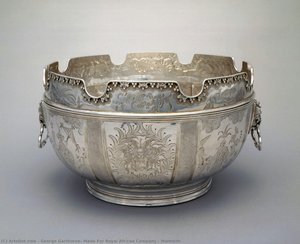
Quick Facts
- Artistic Movement Or Style: Neoclassical/Rococo
- Full Name: George Garthorne
- Made For: Royal African Company
- Nationality: British
- Notable Artworks: ['Monteith']
Related Articles

Georges Braque's Masterpieces: 25 Paintings That Defined Cubism & Modern Art | ArtsDot
Explore 25 iconic Georges Braque paintings that revolutionized Cubism & modern art. Discover the stories behind his masterpieces, from Fauvism to Analytical Cubism. Find museum-quality reproductions & elevate your home decor with ArtsDot.com.

Georges Seurat's Masterpieces: 25 Paintings That Defined Pointillism | ArtsDot
Explore 25 iconic Georges Seurat paintings & discover the brilliance of Pointillism. From 'La Grande Jatte' to his harbor scenes, delve into art history with ArtsDot.com. Find museum-quality reproductions for your home decor. Explore the full collection online!

Rococo's Radiant Legacy: 10 Masterpieces for Your Home |
Indulge in the elegance of Rococo! Explore 10 masterpieces by Fragonard, Boucher & Watteau. Discover the stories behind these iconic paintings and bring timeless art to your home with museum-quality reproductions from .

The Rococo Aesthetic: Opulence, Rebellion & the Pursuit of Pleasure in 18th-Century Art
Explore the opulent world of Rococo art! Discover its origins, key artists like Watteau & Boucher, and lasting influence on design. Expert insights for collectors & enthusiasts.
The Allure of Elegance in Art: A Historical & Aesthetic Exploration of Refinement & Grace
Explore the exquisite world of Rococo art! Discover its history, masters (Watteau, Boucher & more), and defining elegance. Expert insights for collectors seeking museum-quality reproductions & custom portraits.