

 Preview
 Send
Send Share
Share
 Details

 Download
 Similars
 X-Ray
X-Ray Diaporama
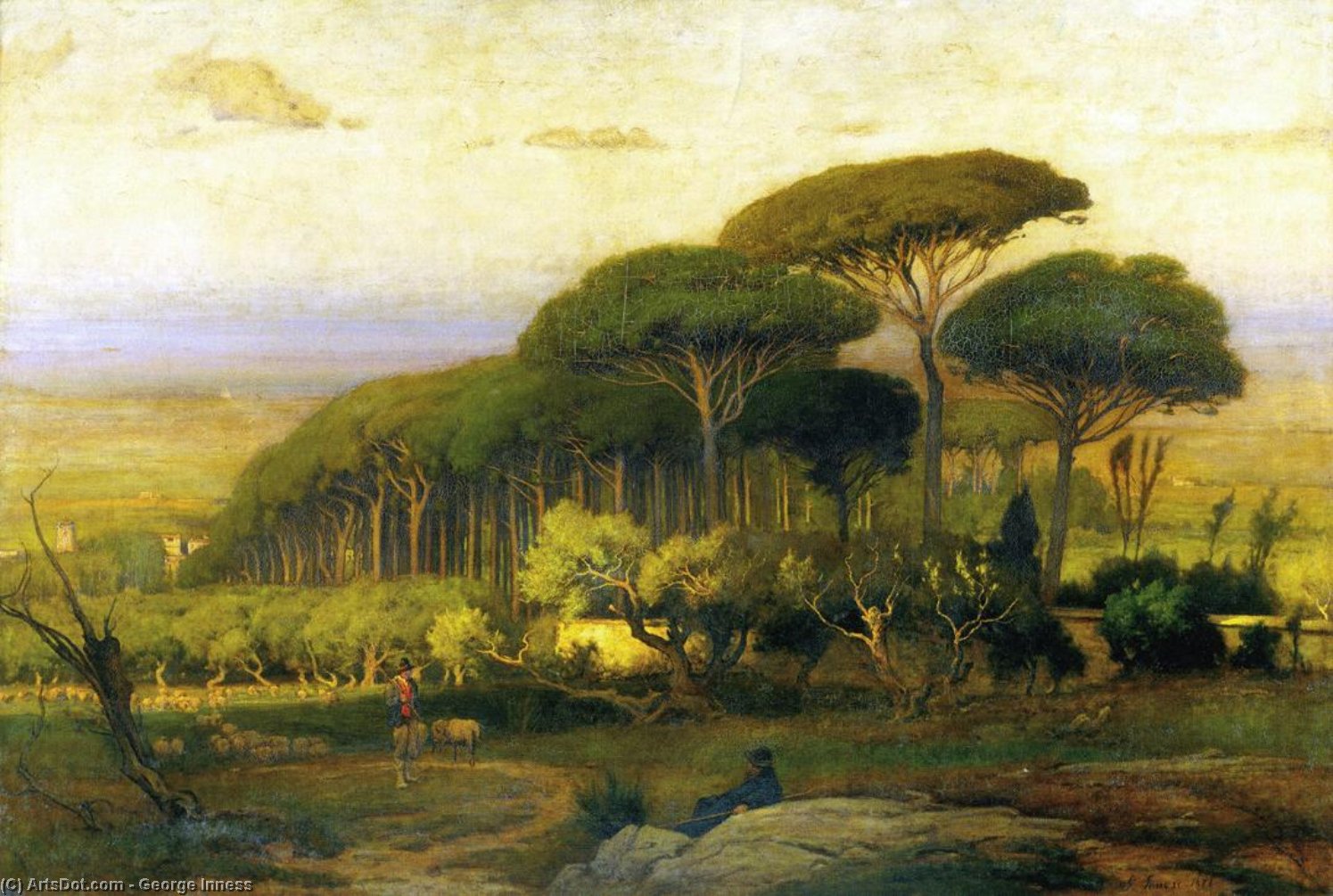
Pine Grove of the Barberini Villa


 Read More
Purchase a high-resolution, enhanced digital image, far superior to the online preview.
Each file is meticulously prepared by our in-house specialists using advanced tools and expert manual retouching. We ensure every image has exceptional clarity, precise color accuracy, and fine detail.
The final file is delivered via email within 72 hours, optimized for immediate use in professional, editorial, and print environments. This is the same quality trusted by top-tier design studios, publishers, and galleries.
Digital Image
Download a high-resolution file for personal display, printing, and creative projects. ( Buy Print Buy Hand Made Painting)
Included in Every Digital Image Order
Expert Digital Delivery, Guaranteed
When you choose ArtsDot.com, you're not just getting an image - you're receiving a professionally enhanced digital artwork, crafted with precision and backed by a satisfaction guarantee. Here's everything that comes with your order, automatically:

Fast Email Delivery
Your high-resolution digital image file will be emailed to you within 72 hours of ordering - ready for immediate use.

AI-Enhanced Digital File
Your artwork is professionally optimized using advanced AI tools and manual editing, ensuring maximum detail, clarity, and color accuracy.

Free Lifetime Re-Delivery
Accidentally deleted or lost your file? No worries - we'll resend it to you anytime, free of charge.

No Import Fees - Ever
Enjoy your artwork instantly with zero customs, duties, or delivery fees - digital downloads are always tax-free.

Color Accuracy Guarantee
We ensure your digital image reflects the original colors as closely as possible using professional tools and color management.

60-Day Satisfaction Guarantee
If you're not satisfied with your digital image, we'll revise it or refund 100% within 60 days - no questions asked.

100% Money-Back Guarantee
Not satisfied? Get a full refund within 60 days of receiving your digital file - no questions asked.

Bulk Order Discounts
Buy 3 images, save 10% - Buy 5, save 15% - Buy 10+, save 20%. Great for creative projects, galleries, and agencies.
Collectible Description
A Symphony of Light and Shadow in the Pine Grove
In the quietude of George Inness’s 1876 masterpiece, Pine Grove of the Barberini Villa, we are invited to step into a world where the boundary between reality and memory begins to dissolve. This exquisite oil on canvas is far more than a mere landscape; it is a profound meditation on the soul of nature. As the eye wanders through the dense, textured canopy of the forest, one encounters a breathtaking interplay of light and shadow that defines the Tonalist tradition. The trees, some draped in vibrant greens and others touched by the golden, yellowing hues of a changing season, create a rhythmic depth that pulls the viewer into the heart of the grove. A gentle pathway meanders through the center of the composition, acting as a silent invitation to wander deeper into this serene, atmospheric sanctuary.
The technical mastery of Inness is evident in his soft, feathery brushstrokes, which eschew harsh outlines in favor of a more fluid, emotive texture. By utilizing a muted, earthy palette dominated by deep browns, mossy greens, and warm ochres, the artist achieves a sense of profound stillness. This technique allows the light to appear not as an external force, but as something emanating from within the landscape itself. The way the sunlight filters through the pine needles creates a shimmering, ethereal effect, capturing that fleeting, magical moment when the atmosphere feels heavy with peace. For the discerning collector or interior designer, this painting offers a sophisticated anchor for any space, providing a sense of organic warmth and timeless elegance.
The Pastoral Soul: Symbolism and Serenity
Beyond its visual splendor, Pine Grove of the Barberini Villa breathes with the life of the pastoral ideal. Scattered throughout the sun-dappled meadow, a small flock of sheep grazes peacefully, their presence adding a layer of gentle movement to the otherwise motionless scene. The inclusion of these animals, along with a solitary figure standing near the middle of the field, imbues the work with a sense of companionship and quiet observation. This is not a landscape of grand, dramatic upheaval, but one of harmonious coexistence. The sheep represent a state of innocence and tranquility, mirroring the Transcendentalist ideals that deeply influenced Inness’s worldview—the belief in a spiritual connection between the human spirit and the natural world.
For those looking to adorn a home or gallery with a piece that evokes emotional resonance, this painting serves as a window into a more contemplative era. It captures a sense of nostalgia for a simpler, more rhythmic existence, making it an ideal choice for creating a sanctuary-like atmosphere in a modern interior. Whether viewed as a study of light or a poetic tribute to the Italian countryside, the work remains a captivating testament to the power of Tonalism to stir the emotions and soothe the spirit, leaving a lasting impression on all who behold its quiet beauty.
Related Artworks

Artist Biography
George Inness (1825–1894): The Quiet Observer of Nature’s Soul
George Inness, born in Newburgh, New York, in 1825, stands as a pivotal figure in American Impressionism—a movement that sought to capture fleeting moments of beauty and emotion through luminous color palettes and loose brushstrokes. Unlike the grand narratives championed by the Hudson River School, Inness’s artistic vision prioritized introspection and spiritual contemplation, reflecting his profound engagement with philosophical ideas. This dedication resulted in landscapes imbued with a palpable serenity, portraying rural scenes and animal life with remarkable sensitivity to light and atmosphere. His legacy continues to inspire artists today who strive for similar expressive depth.- Early Life & Education: Inness’s formative years were marked by exposure to Transcendentalist thinkers like Ralph Waldo Emerson and Henry David Thoreau, whose emphasis on intuition and connection with the natural world profoundly shaped his artistic sensibilities. He pursued formal training at Yale University before embarking on a self-directed study of art in Paris during the mid-1850s—a crucial period for absorbing Impressionistic techniques.
- Parisian Influences & Artistic Development: In Paris, Inness immersed himself in the burgeoning Impressionist movement, studying under Gustave Courbet and Jean-François Millet. These encounters solidified his commitment to capturing immediate visual sensations rather than meticulously recreating reality. He experimented with plein air painting—working outdoors directly from nature—developing a distinctive style characterized by subtle gradations of color and textured brushwork.
- Notable Landscapes & Paintings: Inness’s oeuvre comprises numerous iconic landscapes that exemplify the movement's aesthetic principles. Works such as “The Dark Side of Twilight” (1869) and “Winter Landscape” (1873) are celebrated for their masterful depiction of atmospheric conditions—particularly mist and snow—and their ability to evoke a sense of profound stillness. His portraits, too, reveal an artist’s keen observation of human psychology.
- Symbolism & Spiritual Vision: Beyond mere visual representation, Inness's paintings convey deeper symbolic meanings rooted in his philosophical convictions. Recurring motifs—such as trees and animals—represent resilience, harmony, and the interconnectedness of all living things. His canvases are not simply landscapes; they are meditations on the sublime beauty of nature and its capacity to inspire spiritual awareness.
- Legacy & Historical Significance: George Inness’s contribution to American art is undeniable. He championed a humanist aesthetic that prioritized emotional resonance over technical virtuosity—a stance that distinguished him from his contemporaries and cemented his place as one of the foremost Impressionist painters of his time. His influence extends beyond painting, inspiring subsequent generations of artists to explore themes of contemplation and connection with the natural world.
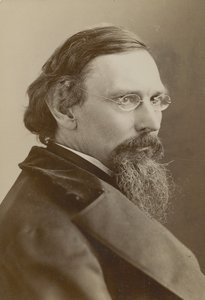
george innes
1825 - 1894 , United States of America
Quick Facts
- Artistic Movement Or Style: American Impressionism
- Artists Or Movements Influenced By This Artist: ['Impressionism']
- Artists Who Influenced This Artist: ['Hudson River School']
- Date Of Birth: 1825
- Full Name: George Inness
- Nationality: American
- Notable Artworks:
- The Black Swan
- A Bit of Roman Aqueduct
- Summer Days
- Place Of Birth: Newburgh, New York, United States

