

 Send
Send Share
Share
 Details

 Download
 Similars
 Diaporama
Louisa May Alcott


 Read More
Purchase a high-resolution, enhanced digital image, far superior to the online preview.
Each file is meticulously prepared by our in-house specialists using advanced tools and expert manual retouching. We ensure every image has exceptional clarity, precise color accuracy, and fine detail.
The final file is delivered via email within 72 hours, optimized for immediate use in professional, editorial, and print environments. This is the same quality trusted by top-tier design studios, publishers, and galleries.
Digital Image
Download a high-resolution file for personal display, printing, and creative projects. ( Buy Print Buy Hand Made Painting)
Included in Every Digital Image Order
Expert Digital Delivery, Guaranteed
When you choose ArtsDot.com, you're not just getting an image - you're receiving a professionally enhanced digital artwork, crafted with precision and backed by a satisfaction guarantee. Here's everything that comes with your order, automatically:

Fast Email Delivery
Your high-resolution digital image file will be emailed to you within 72 hours of ordering - ready for immediate use.

AI-Enhanced Digital File
Your artwork is professionally optimized using advanced AI tools and manual editing, ensuring maximum detail, clarity, and color accuracy.

Free Lifetime Re-Delivery
Accidentally deleted or lost your file? No worries - we'll resend it to you anytime, free of charge.

No Import Fees - Ever
Enjoy your artwork instantly with zero customs, duties, or delivery fees - digital downloads are always tax-free.

Color Accuracy Guarantee
We ensure your digital image reflects the original colors as closely as possible using professional tools and color management.

60-Day Satisfaction Guarantee
If you're not satisfied with your digital image, we'll revise it or refund 100% within 60 days - no questions asked.

100% Money-Back Guarantee
Not satisfied? Get a full refund within 60 days of receiving your digital file - no questions asked.

Bulk Order Discounts
Buy 3 images, save 10% - Buy 5, save 15% - Buy 10+, save 20%. Great for creative projects, galleries, and agencies.
Collectible Description
A Glimpse Through the Sepia Veil
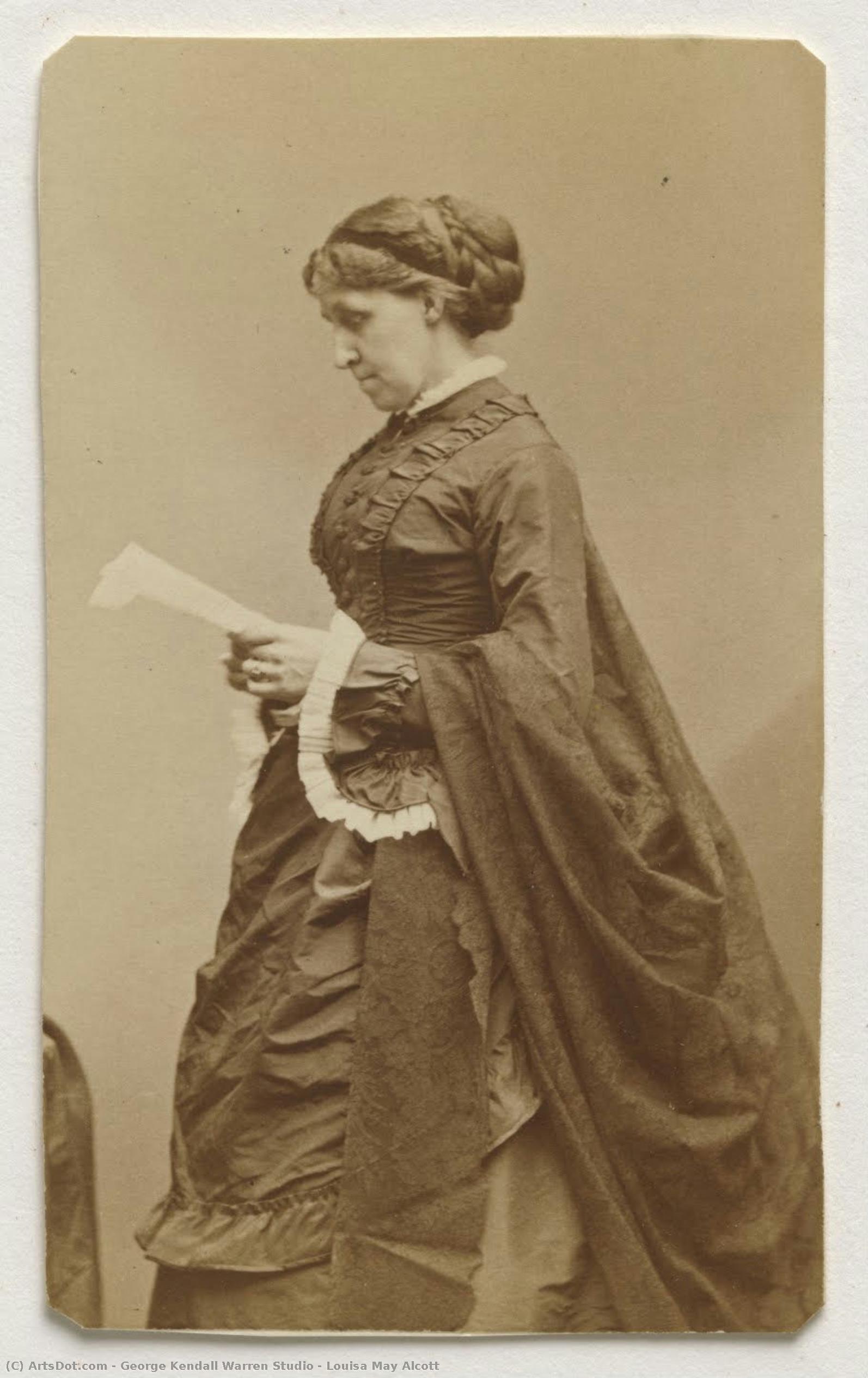
In this evocative 1872 portrait, we are invited to step back into the heart of the Victorian era, encountering the profound presence of Louisa May Alcott through the lens of the George Kendall Warren Studio. The image is a masterclass in the daguerreotype tradition, rendered in warm, nostalgic sepia tones that seem to breathe with the dust of history. As we gaze upon this small but mighty 9 x 5 cm treasure, the subject emerges from a soft, diffused light, her figure positioned with a deliberate, graceful asymmetry that breathes life into the formal composition. The photograph captures more than just a likeness; it captures an era defined by both rigid social structures and the burgeoning spirit of individual storytelling.
The technical execution of this piece speaks to the meticulous artistry required by 19th-century photographic pioneers. Utilizing the complex chemical dance of silver nitrate and light-sensitive emulsions, the studio achieved a remarkable clarity that allows the viewer to trace the delicate folds of Alcott’s Victorian attire and the subtle contours of her expression. While the medium inherently possesses a slight, romantic graininess, it serves only to enhance the tactile quality of the portrait, making the subject feel tangibly present. The interplay of light and shadow creates a gentle depth, transforming a flat silvered plate into a window through which we observe the quiet dignity of one of America's most beloved literary figures.
Literary Legacy and Visual Elegance
Beyond its technical brilliance, the portrait serves as a poignant visual companion to Alcott’s literary contributions. There is an undeniable resonance between the structured, formal aesthetic of the photograph and the disciplined yet heartwarming narratives found in Little Women. The attire, emblematic of respectability and social standing, mirrors the themes of duty, family, and resilience that Alcott wreathed throughout her prose. In this image, we see the woman behind the myth—the nurse, the provider, and the creator—captured with a sense of permanence that defies the ephemeral nature of paper and ink.
For the discerning collector or interior designer, this reproduction offers a sophisticated touch of historical gravity. It is an ideal centerpiece for a curated library, a study, or a gallery wall dedicated to the golden age of American literature. The sepia palette provides a neutral yet emotionally resonant warmth that complements both classical and contemporary decor, offering a sense of timelessness. To possess such a piece is to hold a fragment of the 19th century, providing an atmospheric anchor that celebrates the enduring power of the written word and the artistry of early photographic portraiture.
Related Artworks
Artist Biography
Early Life and the Dawn of Photographic Portraiture
George Kendall Warren, born in Nashua, New Hampshire in 1834, emerged during a pivotal era in visual representation—the burgeoning age of photography. While details surrounding his earliest life remain somewhat elusive, it is known that he quickly gravitated towards this revolutionary medium. In 1851, at the tender age of seventeen, Warren established one of the first daguerreotype studios in Lowell, Massachusetts, a bustling mill town ripe with potential subjects eager to capture their likenesses for posterity. This initial foray into portraiture wasn’t merely a business venture; it was an embrace of a technology poised to reshape how individuals perceived themselves and were remembered by future generations. The daguerreotype process, though demanding in its technical execution—requiring meticulous polishing, precise chemical treatments, and extended exposure times—yielded images of remarkable clarity and detail, captivating the public imagination. Warren’s early work reflects this dedication to precision, showcasing a keen eye for composition and an emerging talent for capturing the nuances of human expression. He wasn't simply recording faces; he was crafting enduring testaments to individual identity in a rapidly changing world.From Celebrity Portraits to Collegiate Chronicles
As Warren’s reputation grew, so too did the scope of his photographic endeavors. While continuing to serve a broad clientele with traditional portraiture, he began attracting prominent figures—celebrities and intellectuals of the time—to his studio. This shift towards photographing notable personalities solidified his standing within the artistic community and demonstrated an ability to translate fame and influence into compelling visual narratives. However, it was Warren’s unique specialization in college-album photography that truly distinguished him. Recognizing a burgeoning market among Ivy League institutions seeking comprehensive records of their graduating classes, he pioneered a business model centered around capturing entire cohorts of students, faculty, and campus life. Beginning in 1861, he embarked on an extended project documenting Harvard University, followed by similar commissions at Dartmouth, Princeton, Williams, Brown, and Yale. These weren’t simply group photographs; they were meticulously curated visual histories—snapshots of academic communities frozen in time.Technique and Aesthetic: The Salted Paper Print Legacy
Warren's artistic approach was deeply rooted in the technical processes available to him. While the albumen print gained prominence during the mid-19th century, Warren notably continued utilizing the salted paper print process for his Harvard class albums well into the 1860s. This deliberate choice wasn’t a matter of technological limitation but rather a conscious artistic decision. The salted paper print, characterized by its softer tones and more subtle gradations, imparted a unique aesthetic quality to his images—a delicate balance between detail and atmosphere. His photographs exhibit a remarkable consistency in tone and composition, suggesting a mastery of this early photographic technique. He developed his own particular style through careful control of exposure, lighting, and chemical development, resulting in images that possess a distinctive warmth and intimacy. The subtle tones allowed for a nuanced portrayal of the subjects, capturing not just their physical appearance but also a sense of their character and place within the academic environment.Historical Significance and Enduring Impact
George Kendall Warren’s contributions to American photography extend far beyond his technical proficiency or entrepreneurial success. He played a crucial role in shaping how institutions documented themselves and preserved their histories for posterity. His class photographs, now treasured archival resources, offer invaluable insights into the social dynamics, academic life, and material culture of 19th-century colleges and universities. Beyond the institutional records, Warren’s portraits provide intimate glimpses into the lives of prominent figures, offering a visual counterpoint to written biographies and historical accounts. His work stands as a testament to the power of photography not merely as a means of recording reality but as a tool for constructing narratives, preserving memories, and shaping collective identities. Though he passed away in 1884, his legacy continues to resonate through the enduring beauty and historical significance of his photographs—a lasting tribute to an artist who captured the essence of a transformative era. His images are held in esteemed collections at Harvard University and Yale University, ensuring their accessibility for generations to come.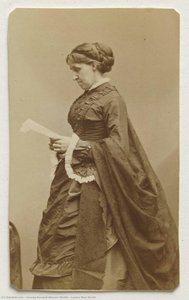
Quick Facts
- Artistic Movement Or Style: Portraiture, Photography
- Date Of Death: Living
- Full Name: George Kendall Warren Studio
- Nationality: American
- Notable Artworks:
- Louisa May Alcott (1872)
- Harvard Class Albums
- Place Of Birth: Nashua, USA

