 Preview
 Send
Send Share
Share
 Details

 Download
 Similars
 X-Ray
X-Ray Diaporama
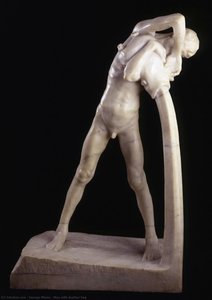
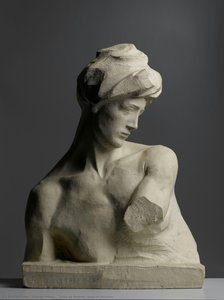
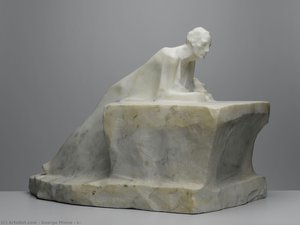
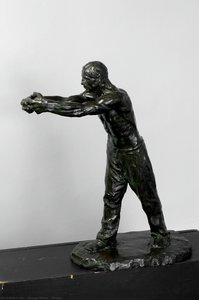
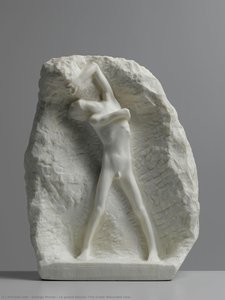
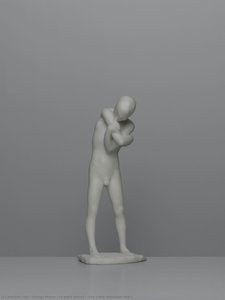
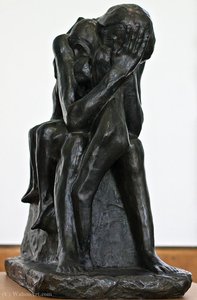
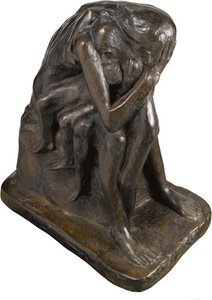
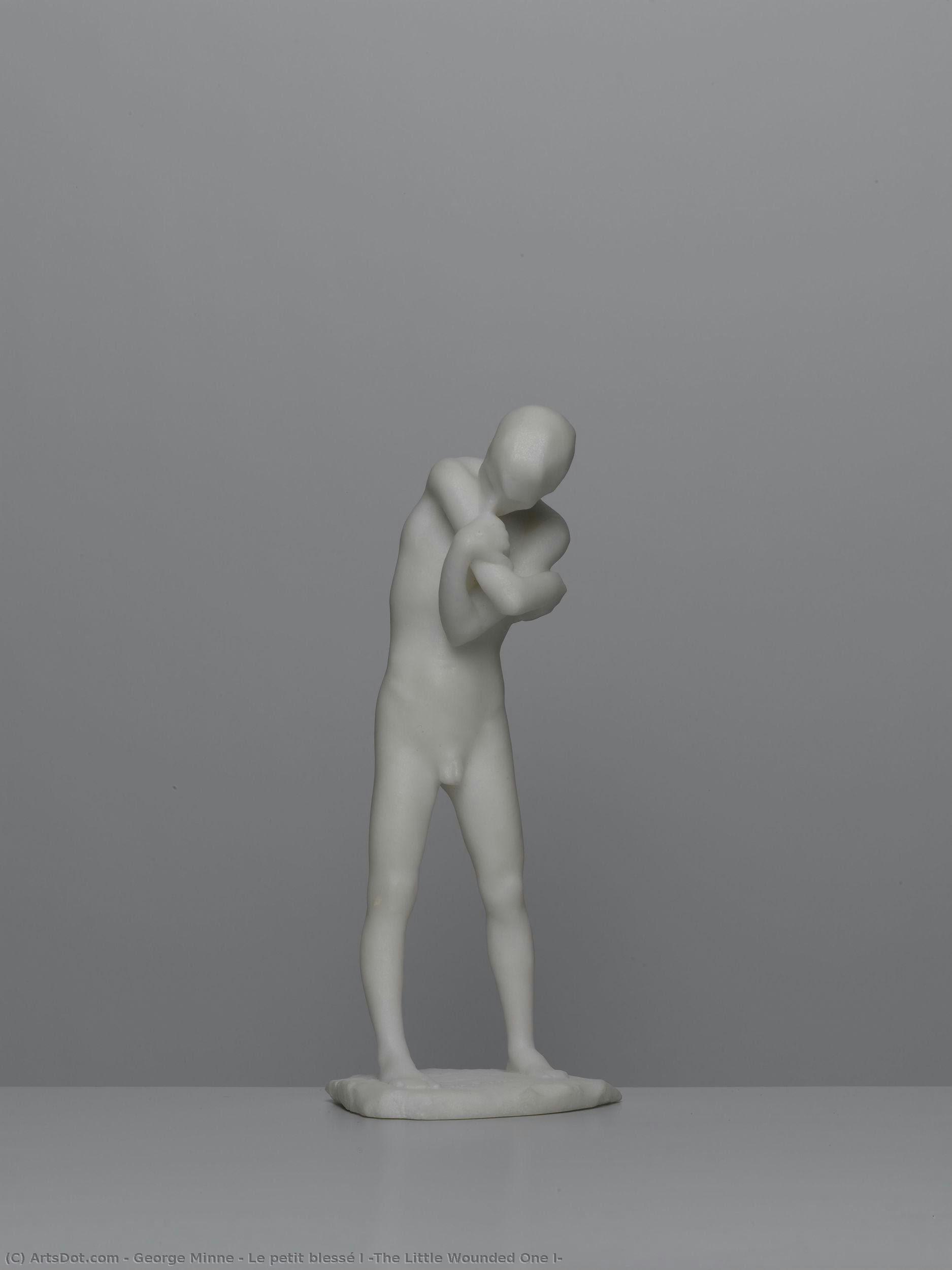
Le petit blessé I (The Little Wounded One I)

 Read More
Hand Made Oil Reproduction
Hand-painted oil on canvas in your size and frame, made to order by our artists. ( Buy Print Buy Image)




































Pick from our preset sizes that match the artwork's original proportions.

You may enter your own dimensions to fit a specific frame or space. If your selected size does not match the original image's proportions, we will either crop the artwork or extend the painting with additional hand-painted elements. A digital mockup will be sent for your approval before production begins.
Please note that the on-screen preview does not reflect the actual cropping or extension. Only the mockup will accurately show the final composition.
While custom sizes are available, we recommend selecting a dimension from the predefined list to preserve the original proportions.
After order, ArtsDot.com team will email client for instructions and provide a mockup preview
Worldwide Delivery () in 3/4 weeks instead of standard 5 weeks. (23 August). No compromise on quality.

Free Worldwide Express Shipping

High-Quality Linen Canvas

Full Shipping Insurance

Customs Tax Refund Guarantee

True Color Matching Guarantee

60-Day Return Policy (Defects Only)

100% Money-Back Guarantee

Bulk Discount Offer
 Glass option is only available in size under 110 CM

Le petit blessé I (The Little Wounded One I)
Reproduction Medium
Reproduction Size
-


Total Price
$ 288
Related Artworks
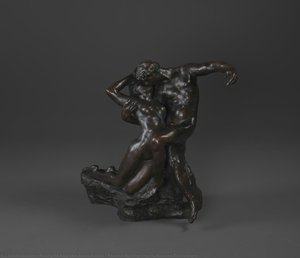
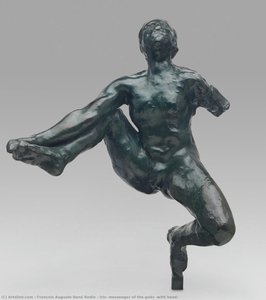
Artist Biography
The Sculptor of Inner Landscapes
George Minne, a name etched into the profound annals of Belgian Symbolism, possessed the rare ability to translate the invisible tremors of the human soul into tangible, sculptural form. Born in Ghent in 1866 as Georgius Joannes Leonardus Minne, his journey was one of deep introspection and artistic refinement. Growing up in an architecturally significant family, he inherited a foundational respect for structure and harmony, yet his creative spirit sought something far more elusive than mere physical balance. His early training at the Royal Academy of Fine Arts in Ghent and later in Brussels provided him with a rigorous classical foundation, but it was his encounter with the burgeoning modernist currents of Europe that truly ignited his genius. Through his connections with literary figures like Maurice Maeterlinck, Minne began to view art not as a mirror of reality, but as a vessel for psychological depth and spiritual yearning.
The trajectory of Minne’s career was irrevocably altered by the winds of Symbolism blowing through Paris. His 1890 return to the French capital brought him into the orbit of the great Auguste Rodin. In a legendary moment of artistic humility, when Minne sought permission to study in Rodin's studio, the master himself famously remarked that he had nothing to teach the young Belgian. This validation allowed Minne to pivot away from the muscular, externalized drama of Rodin toward a more internalized, ascetic aesthetic. Influenced by the haunting imagery of Edvard Munch and Gustave Moreau, he began to explore themes of vulnerability, isolation, and the spiritual struggle. His work became a sanctuary for the "inner landscape," where the physical body served only as a map for the complexities of human emotion.
A Language of Elongation and Devotion
Minne’s technical mastery is most strikingly evident in his departure from anatomical perfection in favor of emotional truth. He embraced a deliberate simplification of form, utilizing elongated proportions and subtly distorted anatomy to evoke a sense of melancholy and spiritual transcendence. His sculptures often feature figures that appear fragile, almost weightless, as if burdened by the very air they inhabit. This is perhaps most iconically captured in his "Kneeling Youth" series. These works, characterized by their stooped postures and inward-looking gazes, became his most enduring legacy. Whether rendered in marble or cast in bronze, these figures embody a profound sense of humility and religious or existential devotion, standing as silent sentinels of the human condition.
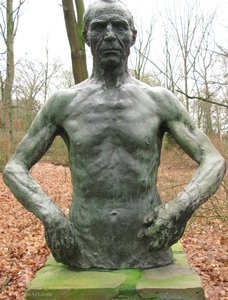
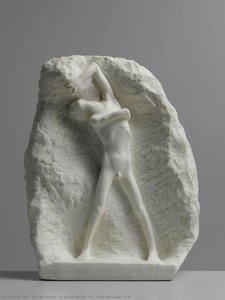
The artist's stylistic kinship with the Viennese Secessionists—most notably Gustav Klimt and Egon Schiele—is unmistakable. Much like his contemporaries in Austria, Minne utilized the aesthetics of Art Nouveau to wrestle with existential questions. His work shares that movement's preoccupation with the tension between decorative beauty and psychological unrest. In pieces such as Manstorso (1910), one observes a masterful use of restraint; the crossed arms of the figure do not signal defiance, but rather a protective enclosure of the self, a gesture of profound inward contemplation and perhaps a quiet resignation to fate.
Legacy and Historical Resonance
Beyond his individual masterpieces, Minne’s contribution to the evolution of modern sculpture lies in his ability to bridge the gap between classical tradition and the expressive freedom of the twentieth century. He established his own bronze foundry in Ghent, ensuring that his vision could be realized with the precise texture and weight required to convey his somber themes. Even as he navigated the upheavals of World War I, fleeing briefly to Wales, his commitment to the exploration of the spiritual remained unshakable.
Today, the significance of George Minne is found in the quiet power of his surviving works held in prestigious collections such as the Folkwang Museum and the Neue Galerie New York. His ability to capture the following elements remains a cornerstone of Symbolist study:
- The Aesthetics of Vulnerability: Using slender, attenuated forms to represent the fragility of the human spirit.
- Spiritual Symbolism: Transforming physical gestures, such as kneeling or crossing arms, into profound theological and psychological statements.
- Integration of Arts: Blending the sculptural discipline with the literary and decorative movements of his era, specifically Art Nouveau and Symbolism.
Minne remains a pivotal figure whose work continues to resonate with anyone who has looked inward to find the beautiful, often haunting, complexities of existence.
george minne
1866 - 1941
Quick Facts
- Artistic Movement Or Style: Symbolist Sculpture
- Artists Or Movements Influenced By This Artist: Vienna Secession
- Artists Who Influenced This Artist: Gustav Klimt
- Date Of Birth: August 30, 1866
- Date Of Death: February 18, 1941
- Full Name: George Minne
- Nationality: Belgian
- Notable Artworks:
- The Fountain of Kneeling Youths
- Pair of Kneeling Youth Sculptures
- Place Of Birth: Ghent, Belgium