 Preview
 Send
Send Share
Share
 Details

 Download
 Similars
 X-Ray
X-Ray Diaporama
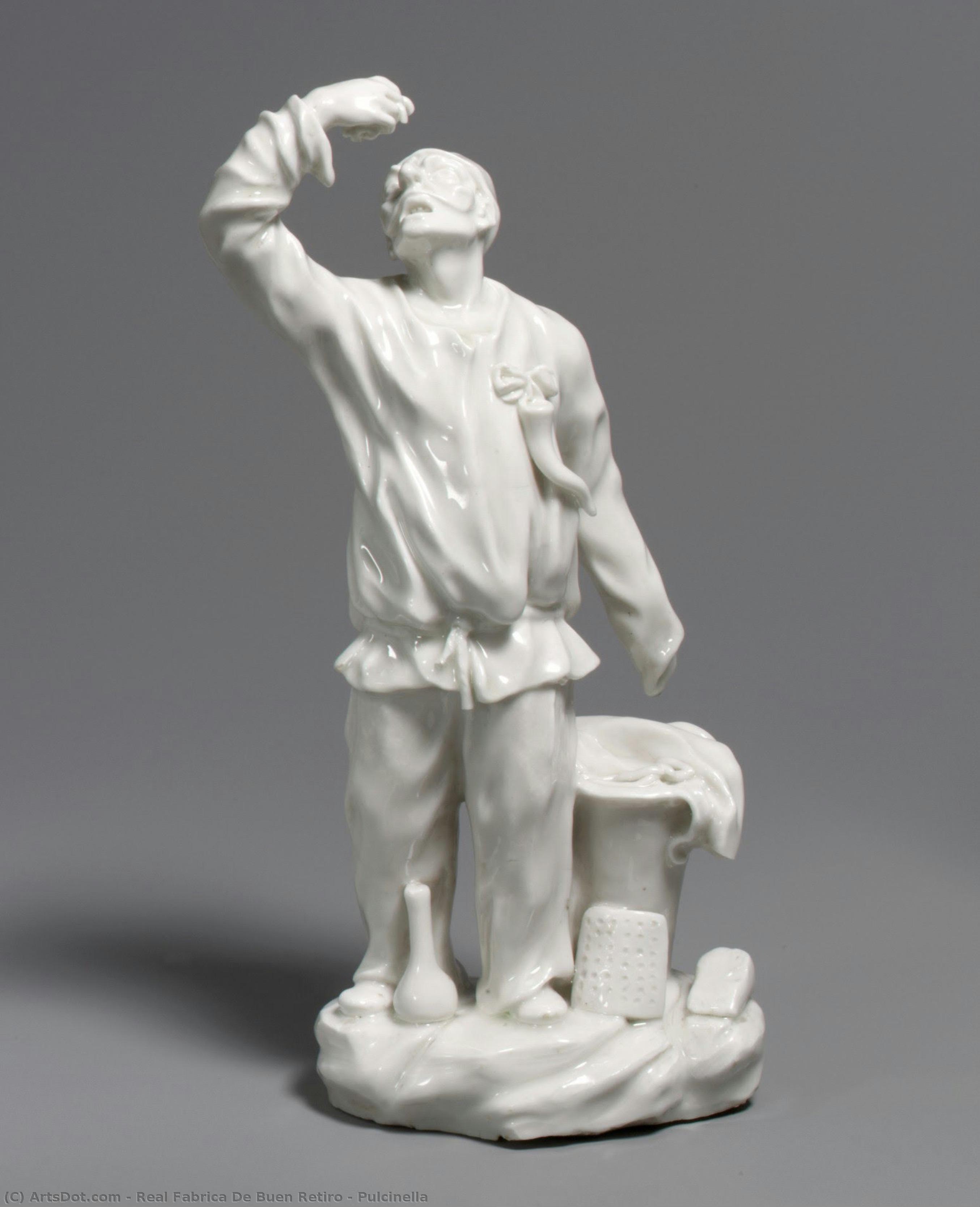
Pulcinella


 Read More
Hand Made Oil Reproduction
Hand-painted oil on canvas in your size and frame, made to order by our artists. ( Buy Print Buy Image)




P118B $10

P118H $10

P118W $10

P438Z $10

P508JH $12

P508YH $12

P805H $10

P805Z $10

P919BZ $10

P919G $10

P919XJ $10

P959ZH $10

P968JZ $12

W106C $8

W218G $10

W218JH $8

W218Y $10

W307PJ $10

W316G $10

W316PJ $8

W316Y $10

W398PJ $8

W4111J $10

W500HY $15

W500JH $15

W692G $12

W849H $8

W940BG $15

W953PJ $8




Pick from our preset sizes that match the artwork's original proportions.

You may enter your own dimensions to fit a specific frame or space. If your selected size does not match the original image's proportions, we will either crop the artwork or extend the painting with additional hand-painted elements. A digital mockup will be sent for your approval before production begins.
Please note that the on-screen preview does not reflect the actual cropping or extension. Only the mockup will accurately show the final composition.
While custom sizes are available, we recommend selecting a dimension from the predefined list to preserve the original proportions.
After order, ArtsDot.com team will email client for instructions and provide a mockup preview
Worldwide Delivery () in 3/4 weeks instead of standard 5 weeks. (22 August). No compromise on quality.

Free Worldwide Express Shipping

High-Quality Linen Canvas

Full Shipping Insurance

Customs Tax Refund Guarantee

True Color Matching Guarantee

60-Day Return Policy (Defects Only)

100% Money-Back Guarantee

Bulk Discount Offer
 Glass option is only available in size under 110 CM

Pulcinella
Reproduction Medium
Reproduction Size
-


Total Price
$ 263
Artwork Description
A Porcelain Dream: Pulcinella by Real Fábrica de Buen Retiro
The image before you captures not merely a porcelain figurine, but a frozen moment of theatrical delight – “Pulcinella,” crafted in 1759 by the esteemed Real Fábrica de Buen Retiro in Madrid. This exquisite piece, steeped in the traditions of Italian commedia dell’arte and the Rococo aesthetic, offers a glimpse into a bygone era of European craftsmanship and aristocratic patronage. More than just a decorative object, Pulcinella embodies a carefully constructed narrative, inviting contemplation on themes of humor, social interaction, and the enduring appeal of masked performance.
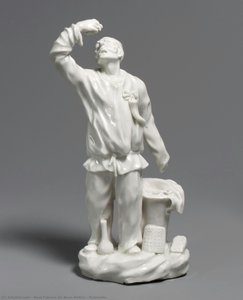
The figurine depicts Pulcinella, a beloved stock character from Neapolitan theatre known for his mischievous antics and often-gluttonous behavior. Here, he’s presented in a remarkably dynamic pose – an arm raised as if pouring water onto a basin, a gesture simultaneously playful and slightly absurd. The detail is astonishing; the delicate folds of his costume, the subtle shading on his face conveying both amusement and a hint of cunning, all speak to the unparalleled skill of the artisans at Buen Retiro. The choice of white porcelain itself is significant, lending an air of timeless elegance and highlighting the intricate modeling and glaze work.
A Masterclass in Rococo Porcelain
To fully appreciate “Pulcinella,” it’s crucial to understand the context of its creation. The Real Fábrica de Buen Retiro emerged from a fascinating confluence of historical events: the relocation of the renowned Capodimonte porcelain factory from Naples following the ascension of Charles III to the Spanish throne in 1759. This move brought with it not only skilled artisans but also a wealth of knowledge and techniques, fundamentally shaping the style and production methods of the new Madrid workshop. The resulting porcelain exhibits a refined elegance, characterized by smooth surfaces, flowing lines, and an emphasis on depicting scenes from everyday life – often imbued with a touch of theatricality.
The figurine’s design is firmly rooted in Rococo aesthetics, prevalent during the mid-18th century. Notice the rounded forms, the delicate drapery, and the overall sense of lightness and grace. The use of slip casting—a technique involving pouring liquid clay into a plaster mold—allowed for the creation of incredibly intricate details, while subsequent firing resulted in a lustrous, glossy surface that reflects light beautifully. The subtle variations in grey tones, achieved through careful shading, add depth and realism to the figure’s form, creating a captivating visual experience.
Symbolism and Narrative
Beyond its technical brilliance, “Pulcinella” is rich in symbolic meaning. The act of washing his face suggests both self-awareness and perhaps a touch of vanity – a characteristic often associated with the character himself. The inclusion of elements like a basin, soap, and a small bird figurine creates a miniature domestic scene, inviting viewers to imagine Pulcinella’s world. The broken piece of spaghetti he holds is particularly telling, reinforcing his reputation for indulgence and adding a layer of comedic charm.
Furthermore, the figurine's pose echoes the traditional performance style of commedia dell’arte, where characters frequently engaged in elaborate gestures and dramatic interactions. The slight tilt of his head, the raised arm, all contribute to a sense of immediacy and engagement, as if we are witnessing a fleeting moment from a lively theatrical production. The presence of the pepper pinned to his tunic is a subtle nod to Pulcinella’s often-volatile temperament – a reminder that beneath his charming exterior lies a mischievous spirit.
A Legacy in Porcelain
“Pulcinella” stands as a testament to the artistry and innovation of the Real Fábrica de Buen Retiro, a workshop that played a pivotal role in shaping the history of European porcelain. Its exquisite craftsmanship, refined aesthetic, and rich symbolic content continue to captivate viewers today. Reproductions offer an accessible way to appreciate this remarkable piece, bringing its charm and elegance into any setting – whether as a cherished collectible or a sophisticated addition to your interior design.
Related Artworks

Artist Biography
The Sculptor of Porcelain Dreams
Giuseppe Gricci (c. 1700 – 1770) stands as a pivotal figure in the history of Italian porcelain art, inextricably linked to the magnificent Real Fábrica del Buen Retiro—a testament to Habsburg patronage and artistic innovation that reshaped European ceramics production. Born in Naples, Italy, Gricci’s formative years were steeped in the Florentine artistic tradition, where he honed his sculptural skills before embarking on a career dedicated to elevating the aesthetic standards of porcelain manufacture. His legacy resides not merely in individual figurines but in fundamentally altering techniques and establishing a celebrated workshop that produced some of the most recognizable images of Commedia dell'arte characters.
Details surrounding Gricci’s early life remain somewhat elusive, primarily documented through records pertaining to his apprenticeship under Alessandro Falcone, a renowned sculptor active in Florence during the Baroque period. This training instilled within him a mastery of anatomical modeling and classical sculptural principles—skills that would prove invaluable as he transitioned into the demanding realm of porcelain sculpting. The influence of Falcone’s artistic vision undoubtedly shaped Gricost's approach to portraying human figures with grace, dynamism, and expressive detail, allowing him to breathe life into the delicate medium of soft-paste porcelain.
From Capodimonte to the Spanish Court
Gricci’s professional ascent began in 1738 when he accepted a position as modeller at the Capodimonte porcelain manufactory in Naples—a royal institution established by Charles III of Spain to revive the prestige of Neapolitan ceramics. Under Charles III's watchful eye, Gricci spearheaded a concerted effort to reinvigorate artistic standards and introduce new stylistic considerations into the workshop’s output. He skillfully collaborated with fellow artisans to develop innovative models that captured the whimsical essence of contemporary culture.
A defining moment in Gricci's career occurred in 1760, when Charles III ascended to the Spanish throne. In a monumental relocation of artistic talent, the King moved the entire operation from Naples to Madrid, bringing with him approximately forty key workers and five tons of porcelain paste. As the main modeller for the newly established Real Fábrica del Buen Retiro, Gricci became the architect of a new era in Spanish ceramics. Because the factory continued to use the same materials and the iconic fleur-de-lis mark as its Neapolitan predecessor, the transition period remains a seamless, beautiful blur of artistic continuity, where the elegance of the Rococo began to meet the rising tide of Neoclassicism.
The Artistry of Character and Form
The true brilliance of Gricci’s work lies in his ability to translate theatrical performance into static, porcelain form. He found endless inspiration in the Commedia dell'arte, a genre of improvisational street theater that provided a limitless reservoir of expressive archetypes. His sculptures are celebrated for their psychological depth and movement, often featuring characters such as:
- Pulcinella: Perhaps his most iconic subject, Gricci captured the gluttonous and temperamental nature of this character through intricate details, such as the depiction of food, wine, and even symbolic accessories like a pepper pinned to a tunic.
- Classical Figures: As tastes shifted, Gricci adapted his style to reflect the burgeoning Neoclassical movement, sculpting figures inspired by Greek and Roman mythology with newfound restraint and dignity.
- Genre Scenes: Beyond theatrical masks, his work often depicted charming, everyday moments that showcased his mastery of texture, from the folds of heavy fabric to the delicate surfaces of food.
Through his hands, porcelain ceased to be merely a decorative medium for tableware and became a sophisticated canvas for narrative storytelling. The technical precision required to model such expressive poses in fragile clay, only to have them survive the intense heat of the kiln, remains a testament to Gricci's unparalleled skill. His work at Buen Retiro helped establish a standard of excellence that would influence European porcelain production for decades, ensuring that his name remains forever etched in the annals of ceramic history.
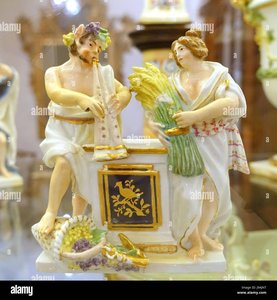
real fabrica de buen retiro
1700 - 1770 , Italy
Quick Facts
- Artistic Movement Or Style: Baroque ceramics
- Artists Or Movements Influenced By This Artist: ['Capodimonte porcelain']
- Artists Who Influenced This Artist: ['Florence']
- Date Of Birth: c 1700
- Date Of Death: 1770
- Full Name: Giuseppe Gricci
- Nationality: Italian
- Notable Artworks:
- Pulcinella
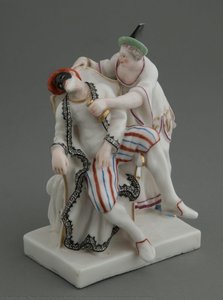
- Columbine Revives the Unconscious Pantalone
- Place Of Birth: Naples, Italy
Related Articles

Rococo's Radiant Legacy: 10 Masterpieces for Your Home |
Indulge in the elegance of Rococo! Explore 10 masterpieces by Fragonard, Boucher & Watteau. Discover the stories behind these iconic paintings and bring timeless art to your home with museum-quality reproductions from .

The Rococo Aesthetic: Opulence, Rebellion & the Pursuit of Pleasure in 18th-Century Art
Explore the opulent world of Rococo art! Discover its origins, key artists like Watteau & Boucher, and lasting influence on design. Expert insights for collectors & enthusiasts.

The Allure of Elegance in Art: A Historical & Aesthetic Exploration of Refinement & Grace
Explore the exquisite world of Rococo art! Discover its history, masters (Watteau, Boucher & more), and defining elegance. Expert insights for collectors seeking museum-quality reproductions & custom portraits.
The Rococo Style: Aristocratic Leisure & the Pursuit of Delight in 18th-Century Art
Explore the opulent world of Rococo art! Discover Watteau, Boucher & Nattier's masterpieces. Expert insights for collectors seeking museum-quality reproductions and custom portraits at ArtsDot.
From Grandeur to Grace: Exploring the Evolution of Baroque & Rococo Art
Explore the captivating evolution from Baroque's drama to Rococo's grace! Discover key artists, characteristics & lasting influence of these art movements with expert insights at ArtsDot.