 Preview
 Send
Send Share
Share
 Details

 Download
 Similars
 X-Ray
X-Ray Diaporama
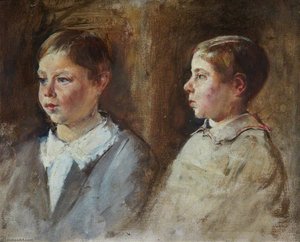
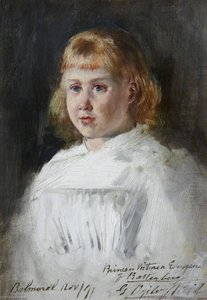
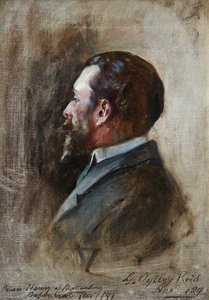
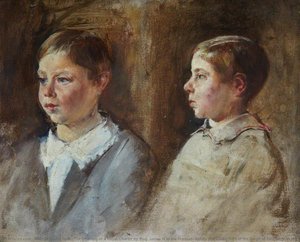
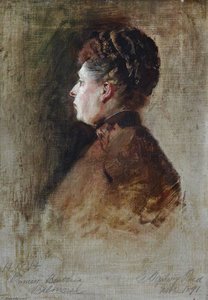
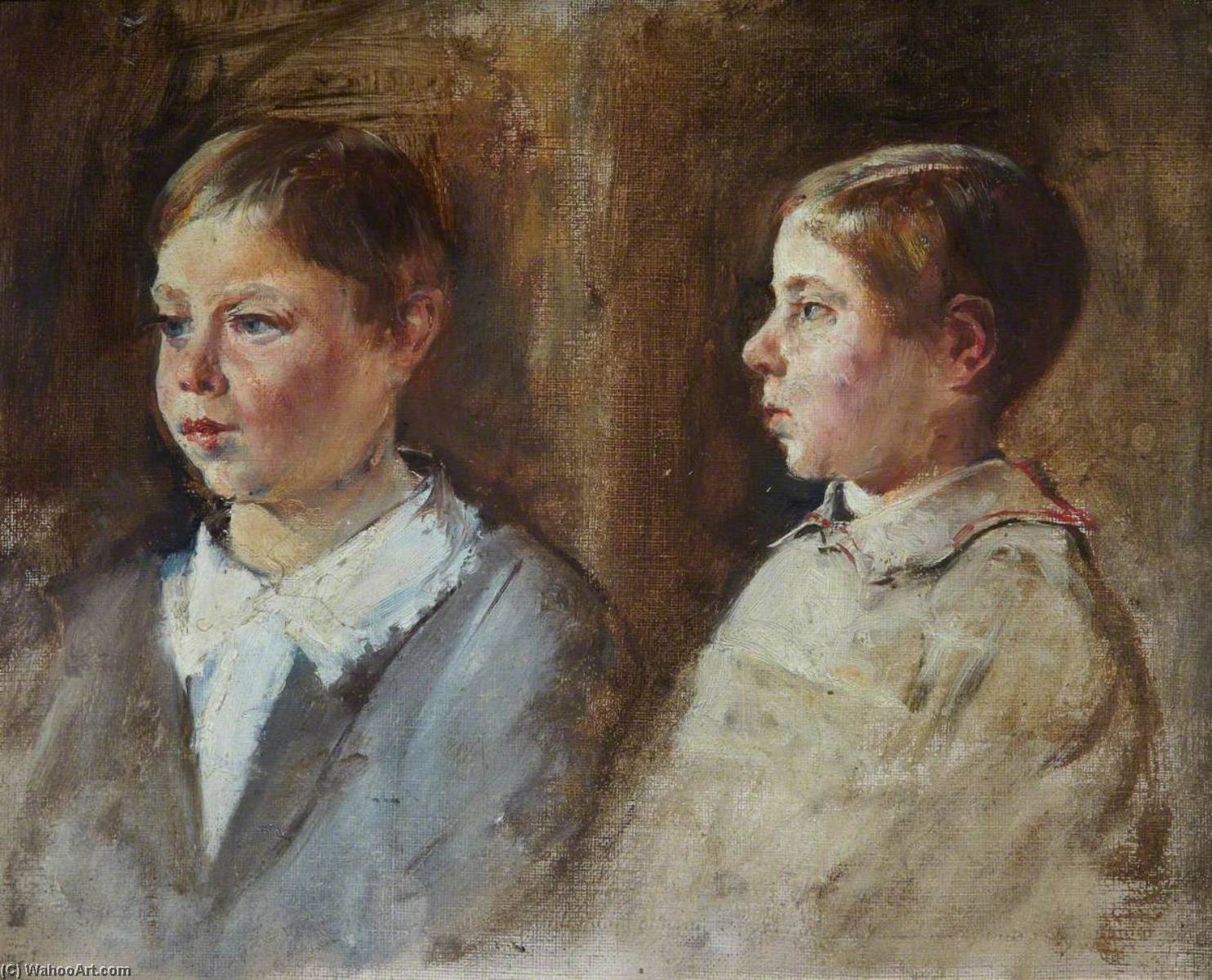
Sketch of Prince Alexander of Battenberg (1886–1960)
 Realism
 1891
1891- 19th Century
 25.0 x 31.0 cm
 Royal Scottish Academy of Art - Architecture
 Read More
Hand Made Oil Reproduction
Hand-painted oil on canvas in your size and frame, made to order by our artists. ( Buy Print Buy Image)




P118B $10

P118H $10

P118W $10

P438Z $10

P508JH $12

P508YH $12

P805H $10

P805Z $10

P919BZ $10

P919G $10

P919XJ $10

P959ZH $10

P968JZ $12

W106C $8

W218G $10

W218JH $8

W218Y $10

W307PJ $10

W316G $10

W316PJ $8

W316Y $10

W398PJ $8

W4111J $10

W500HY $15

W500JH $15

W692G $12

W849H $8

W940BG $15

W953PJ $8




Pick from our preset sizes that match the artwork's original proportions.

You may enter your own dimensions to fit a specific frame or space. If your selected size does not match the original image's proportions, we will either crop the artwork or extend the painting with additional hand-painted elements. A digital mockup will be sent for your approval before production begins.
Please note that the on-screen preview does not reflect the actual cropping or extension. Only the mockup will accurately show the final composition.
While custom sizes are available, we recommend selecting a dimension from the predefined list to preserve the original proportions.
After order, ArtsDot.com team will email client for instructions and provide a mockup preview
Worldwide Delivery () in 3/4 weeks instead of standard 5 weeks. (3 September). No compromise on quality.

Free Worldwide Express Shipping

High-Quality Linen Canvas

Full Shipping Insurance

Customs Tax Refund Guarantee

True Color Matching Guarantee

60-Day Return Policy (Defects Only)

100% Money-Back Guarantee

Bulk Discount Offer
 Glass option is only available in size under 110 CM

Sketch of Prince Alexander of Battenberg (1886–1960)
Reproduction Medium
Reproduction Size
-


Total Price
$ 263
A Moment Captured in Time: The Charm of Reid’s Portraiture
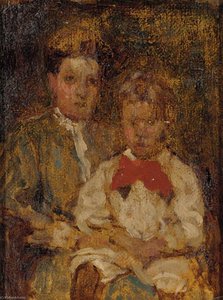
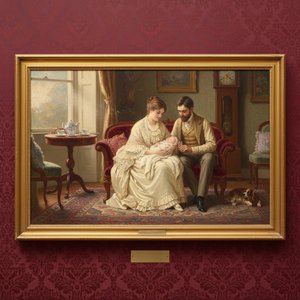
In the delicate strokes of George Ogilvy Reid’s 1891 work, Sketch of Prince Alexander of Battenberg, we are invited into a private, candid moment that transcends the formal rigidity often associated with royal portraiture. While Reid was celebrated for his grand historical narratives and meticulous engravings, this particular piece captures a fleeting, humanizing glimpse of youth. The composition presents two young boys, their presence anchored by an intimate indoor setting that feels both lived-in and timeless. One child, caught in a moment of spontaneous expression with an open mouth, seems to radiate the uninhibited joy of childhood, while his companion gazes thoughtfully toward something unseen beyond the frame. It is this interplay between movement and stillness, between the boisterous and the contemplative, that gives the painting its enduring emotional resonance.
The technical mastery of Reid is evident in the way he utilizes light and texture to breathe life into the subjects. Drawing from his foundational training as an engraver, Reid employs a precision of line that defines the soft contours of the boys' faces and the crispness of their attire. The subtle use of shadow creates a sense of three-dimensional depth, pulling the viewers into the room where a quiet clock hangs on the wall, acting as a silent witness to the passing seconds. For collectors and interior designers alike, the painting offers a sophisticated balance; it possesses the formal elegance required for a classical gallery setting, yet its warmth and narrative spontaneity make it an ideal centerpiece for a cozy study or a refined living space.
Beyond the mere depiction of figures, the artwork serves as a window into the late 19th-century atmosphere. The presence of domestic elements, such as the chair in the background and the rhythmic ticking implied by the wall clock, evokes a sense of Victorian nostalgia. There is a profound symbolism in the contrast between the royal lineage of the subject and the universal, relatable innocence of the children portrayed. This tension between status and humanity allows the piece to speak to a wide audience, offering a sense of comfort and continuity. To possess a reproduction of this work is to hold a fragment of history—a beautifully rendered tribute to the fleeting, precious nature of youth and the quiet dignity of the past.
Related Artworks

Artist Biography
A Life Etched in Detail: The World of George Ogilvy Reid
George Ogilvy Reid, a name synonymous with meticulous detail and a deep reverence for Scottish history, was born in Leith, Edinburgh, in 1851. His life unfolded entirely within the bustling port area of his native city, a setting that would subtly yet profoundly influence his artistic vision. Initially embarking on a career as an engraver, Reid honed skills in precision and line work—a foundation that would later become a hallmark of his paintings. However, it wasn’t long before painting beckoned, drawing him towards the expressive possibilities of watercolour and oil. He studied at the Trustee's Academy, the precursor to the Edinburgh College of Art, laying the groundwork for a career steeped in both technical mastery and artistic ambition.From Engraving to Historical Narrative
Reid’s early work demonstrated an inclination toward genre scenes and landscapes, but it was his fascination with Scottish history that truly ignited his creative spark. He absorbed influences from earlier masters like David Wilkie, whose narrative precision resonated deeply, as well as contemporaries such as William Quiller Orchardson and John Pettie. This blend of tradition and emerging artistic sensibilities shaped Reid’s unique style—a commitment to detailed realism infused with a growing sense of dramatic storytelling. His paintings weren't merely depictions of the past; they were carefully constructed narratives designed to evoke emotion and convey historical significance. He exhibited regularly at both the Royal Scottish Academy and the Royal Academy in London, quickly gaining recognition for his ability to breathe life into bygone eras.Royal Commissions and National Recognition
The year 1891 marked a pivotal moment in Reid’s career with a prestigious commission from Queen Victoria herself. Tasked with painting the baptism of Prince Maurice of Battenburg at Balmoral Castle, Reid seized the opportunity to showcase his talent on a grand scale. The preparatory studies for this work, later bequeathed to the Royal Scottish Academy, stand as testament to his dedication and meticulous approach. This royal endorsement solidified his position within the art world and opened doors to further opportunities. In 1888 he was elected an Associate of the Royal Scottish Academy (ARSA), a distinction that acknowledged his growing reputation. A decade later, in 1898, he achieved full membership as a Royal Scottish Academician (RSA), with his diploma work being the powerful historical painting *After Killiecrankie – The Death of Claverhouse*.Themes and Techniques: A Legacy of Scottish Identity
Reid’s artistic output was remarkably diverse. He painted portraits that captured the character and dignity of his subjects, contemporary scenes reflecting the social landscape of his time, and genre paintings imbued with a sense of everyday life. However, it was his historical works—particularly those centered around Jacobite themes—that truly defined his legacy. Paintings like *After Killiecrankie* weren’t simply recreations of past events; they were carefully constructed dramas filled with symbolism and emotional resonance. He wasn't always concerned with strict historical accuracy, instead prioritizing the conveyance of atmosphere and the weight of significant moments. His technique was characterized by a painstaking attention to detail, a masterful use of light and shadow, and an ability to imbue his figures with a sense of life and movement.A Pillar of Tradition: Reid’s Enduring Influence
George Ogilvy Reid passed away in Edinburgh on April 11th, 1928, leaving behind a rich artistic legacy. He was remembered as a loyal and devoted member of the Royal Scottish Academy, fiercely protective of its traditions and committed to upholding the highest standards of artistic excellence. While his unwavering adherence to established techniques sometimes drew criticism from younger artists embracing more modern styles, his integrity and dedication were never questioned. His works continue to captivate audiences today, offering a glimpse into a bygone era and a testament to the power of meticulous detail and evocative storytelling. He remains a significant figure in Scottish art history, celebrated for his ability to capture the spirit of his nation and translate it onto canvas with unparalleled skill and passion.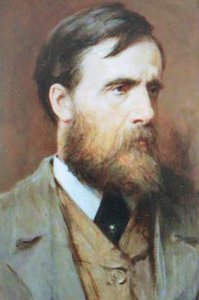
george ogilvy reid
1851 - 1928
Quick Facts
- Artistic Movement Or Style: Victorian painting
- Artists Who Influenced This Artist:
- David Wilkie
- William Orchardson
- Date Of Birth: 1851
- Date Of Death: 1928
- Full Name: George Ogilvy Reid
- Nationality: Scottish
- Notable Artworks:
- After Killiecrankie
- Baptism of Prince Maurice
- The Belgians on the March
- Place Of Birth: Leith, Scotland
Related Articles

Georges Braque's Masterpieces: 25 Paintings That Defined Cubism & Modern Art | ArtsDot
Explore 25 iconic Georges Braque paintings that revolutionized Cubism & modern art. Discover the stories behind his masterpieces, from Fauvism to Analytical Cubism. Find museum-quality reproductions & elevate your home decor with ArtsDot.com.

Georges Seurat's Masterpieces: 25 Paintings That Defined Pointillism | ArtsDot
Explore 25 iconic Georges Seurat paintings & discover the brilliance of Pointillism. From 'La Grande Jatte' to his harbor scenes, delve into art history with ArtsDot.com. Find museum-quality reproductions for your home decor. Explore the full collection online!

The Eloquent Line: Exploring the Artistic Significance of Sketches Across Movements and Media
Explore the profound artistic significance of sketches throughout history. From Renaissance masters to modern innovators like Van Gogh & Guston, discover how these foundational works reveal technique, emotion, and vision. Learn more at ArtsDot.
George Goodwin Kilburne: Capturing Victorian Sentimentality Through Genre Painting
Explore the evocative Victorian paintings of George Goodwin Kilburne. Discover his detailed scenes of domestic life, masterful use of light, and lasting impact on British genre painting. Learn more at ArtsDot.

Playful Masterpieces: Top 10 Artworks for a Joyful Home | ArtsDot
Find joy & inspiration! Explore 10 playful masterpieces by Monet, Matisse & more. Discover art history, vibrant colors & uplifting stories behind these iconic paintings. Museum-quality reproductions at ArtsDot.com – explore the full collection online!