 Preview
 Send
Send Share
Share
 Details

 Download
 Similars
 X-Ray
X-Ray Diaporama
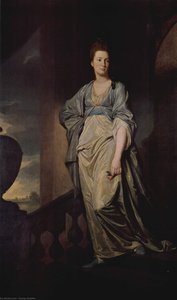
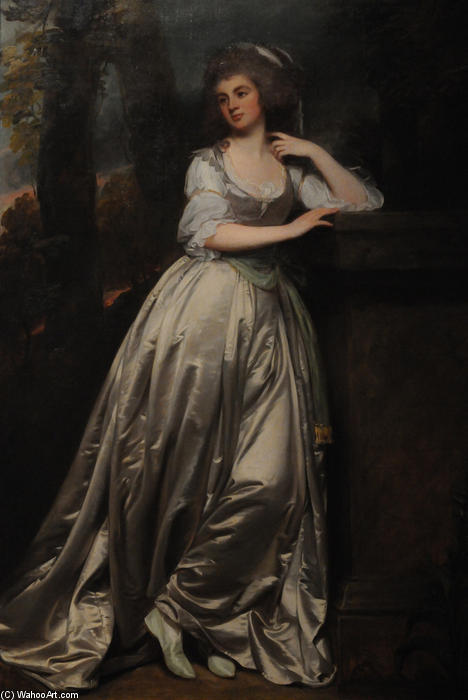
Princess Anne Lady de la Pole


 Read More
Hand Made Oil Reproduction
Hand-painted oil on canvas in your size and frame, made to order by our artists. ( Buy Print Buy Image)




P118B $10

P118H $10

P118W $10

P438Z $10

P508JH $12

P508YH $12

P805H $10

P805Z $10

P919BZ $10

P919G $10

P919XJ $10

P959ZH $10

P968JZ $12

W106C $8

W218G $10

W218JH $8

W218Y $10

W307PJ $10

W316G $10

W316PJ $8

W316Y $10

W398PJ $8

W4111J $10

W500HY $15

W500JH $15

W692G $12

W849H $8

W940BG $15

W953PJ $8




Pick from our preset sizes that match the artwork's original proportions.

You may enter your own dimensions to fit a specific frame or space. If your selected size does not match the original image's proportions, we will either crop the artwork or extend the painting with additional hand-painted elements. A digital mockup will be sent for your approval before production begins.
Please note that the on-screen preview does not reflect the actual cropping or extension. Only the mockup will accurately show the final composition.
While custom sizes are available, we recommend selecting a dimension from the predefined list to preserve the original proportions.
After order, ArtsDot.com team will email client for instructions and provide a mockup preview
Worldwide Delivery () in 3/4 weeks instead of standard 5 weeks. (16 August). No compromise on quality.

Free Worldwide Express Shipping

High-Quality Linen Canvas

Full Shipping Insurance

Customs Tax Refund Guarantee

True Color Matching Guarantee

60-Day Return Policy (Defects Only)

100% Money-Back Guarantee

Bulk Discount Offer
 Glass option is only available in size under 110 CM

Princess Anne Lady de la Pole
Reproduction Medium
Reproduction Size
-


Total Price
$ 263
Artwork Description
The Enigmatic Beauty: George Romney’s “Princess Anne Lady de la Pole”
George Romney's "Princess Anne Lady de la Pole," painted in 1786, isn’t merely a portrait; it’s a carefully constructed tableau of aristocratic grace and subtle political maneuvering. The painting captures the young Princess Anne, daughter of the Duke of Norfolk, not as a youthful debutante, but as a woman poised on the cusp of significant influence – a strategic asset in the intricate dance of European diplomacy. Romney, at the height of his career as London’s most sought-after court painter, masterfully utilizes light and shadow to sculpt her form, drawing the viewer's eye to her intelligent gaze and the delicate folds of her gown. The brick walkway beneath her feet grounds the scene in a tangible reality, contrasting subtly with the ethereal quality of her presence.
- Subject & Context: Princess Anne was a key figure in the complex web of alliances between England, Spain, and France during the late 18th century. Her marriage to the Spanish Prince Ferdinand was intended to solidify a crucial alliance against their rival, Austria. Romney’s portrait reflects this strategic importance, presenting her as a symbol of diplomatic stability.
- Style & Technique: Romney's style is characterized by its remarkable naturalism and psychological depth – a departure from the stiff formality often associated with court portraits of the era. He employed a loose, painterly technique, layering brushstrokes to create a sense of texture and movement. Note the subtle variations in tone that define her face and clothing, conveying both elegance and vulnerability.
A Study in Light and Shadow: Romney’s Masterful Composition
The painting's composition is meticulously balanced, drawing upon classical principles of perspective and proportion. The placement of Princess Anne within the frame – standing slightly off-center – creates a sense of dynamism and invites the viewer to engage with her directly. Romney expertly utilizes chiaroscuro—the dramatic contrast between light and dark—to highlight key features: the delicate curve of her neck, the subtle sheen of her dress, and the thoughtful expression in her eyes. The muted palette—dominated by creams, browns, and grays—contributes to a sense of understated elegance, allowing her beauty to emerge from the shadows.
- Color Palette: Romney’s restrained color scheme emphasizes the subject's features and creates an atmosphere of quiet dignity.
- Compositional Elements: The brick walkway provides a grounding element, while the background figures—likely members of her household—add depth and context to the scene without distracting from the central figure.
Symbolism and Intrigue: Beyond the Surface Beauty
Beyond its aesthetic qualities, “Princess Anne Lady de la Pole” is rich in symbolic meaning. The brick walkway suggests a connection to the earth—a grounding force amidst the complexities of courtly life. Her hand resting on her chin conveys an air of contemplation and intelligence, hinting at the strategic mind beneath the beautiful exterior. The presence of the two figures in the background – likely servants or attendants – subtly underscores the constraints placed upon women within aristocratic society. The painting is not simply a likeness; it’s a carefully constructed statement about power, diplomacy, and the role of women in 18th-century Europe.
Further research reveals that this portrait was part of a pair with a portrait of her husband, Sir John William de la Pole, also painted by Romney. The pairing offers a fascinating glimpse into their relationship and the social dynamics of the time.Bringing “Princess Anne” Home: A Reproduction for Today
Today, reproductions of "Princess Anne Lady de la Pole" offer a captivating window into a bygone era. Ocean’s Bridge meticulously recreates Romney's masterful technique, capturing the painting’s subtle nuances and emotional depth. Each hand-painted reproduction is created using traditional methods—no digital imaging or printing techniques are employed—ensuring an authentic representation of this iconic artwork. Whether displayed in a formal study or a contemporary living space, this exquisite piece will undoubtedly serve as a conversation starter and a testament to the enduring beauty of George Romney’s artistry.
Related Artworks
Artist Biography
A Life in Portraiture: The World of George Romney
Born in the picturesque landscape of Dalton-in-Furness, Lancashire, on December 15th, 1734, George Romney ascended to become one of the most sought-after portrait painters of his era. His journey from a cabinet maker’s son to the favored artist of British high society is a compelling narrative of innate talent and unwavering ambition. Early life offered little indication of the artistic path he would forge; initially apprenticed to his father, it was an inherent inclination towards drawing and craftsmanship that led him to Christopher Steele, a local portraitist who had studied in Paris. This apprenticeship proved pivotal, providing Romney with foundational skills and an introduction to European artistic traditions. He quickly surpassed his master, however, demonstrating a precocious talent demanding further cultivation. A brief, unhappy marriage and subsequent separation propelled him towards London in 1762, a city brimming with opportunity but also fierce competition.Establishing a Reputation: Style and Technique
London proved to be a crucible for Romney’s artistic development. He swiftly established himself as a formidable portraitist, challenging the dominance of artists like Thomas Gainsborough and Sir Joshua Reynolds. While he never sought membership in the Royal Academy – a decision that perhaps limited his access to certain patronage – his success was undeniable. Romney's style evolved over time, initially reflecting the influence of Steele and his Parisian training, but soon blossomed into something distinctly his own. He possessed an exceptional ability to capture not merely the likeness, but also the personality and social standing of his sitters. His portraits are characterized by elegant poses, a refined use of light and shadow, and a subtle psychological insight that set him apart. Romney’s technique was marked by a delicate touch and a preference for flowing lines, often drawing inspiration from classical sculpture. He skillfully employed color to convey texture and depth, creating portraits that were both visually striking and emotionally resonant. His ability to flatter his subjects while maintaining artistic integrity earned him the loyalty of an elite clientele. He understood the power of suggestion, hinting at character rather than explicitly defining it, a quality that appealed to those who valued discretion and refinement.The Muse and Her Influence: Emma Hamilton
Romney’s life took a dramatic turn with his encounter with Emma Hart, later known as Lady Hamilton, in 1782. She became not only his most celebrated model but also his muse, profoundly influencing his artistic output. Emma's beauty, intelligence, and theatrical flair captivated Romney, inspiring a series of portraits that explored themes of classical mythology, dramatic narrative, and feminine grace. He depicted her in various roles – as a spinner, as the tragic Miranda from Shakespeare’s *The Tempest*, and in numerous allegorical scenes that showcased her expressive range. These works demonstrate Romney's willingness to experiment with composition and symbolism, moving beyond conventional portraiture into more imaginative territory. The Tempest series, in particular, reveals a Romantic sensibility at play, anticipating the emotional intensity of later artists. The relationship was intense and all-consuming for Romney, though ultimately unfulfilled romantically; Emma eventually became the mistress of Lord Nelson, a union that cemented her place in history. Nevertheless, their artistic collaboration left an indelible mark on both their lives and produced some of Romney’s most enduring masterpieces. It is said he painted over 80 portraits of her, each revealing a different facet of her captivating personality.Legacy and Historical Significance
George Romney's impact on British portraiture is undeniable. He helped shape the aesthetic sensibilities of the late 18th century, contributing to a style that emphasized elegance, psychological depth, and artistic flair. His portraits offer invaluable insights into the lives and tastes of the British elite during his time, providing a visual record of their social customs, fashion, and intellectual pursuits. While he faced periods of self-doubt and struggled with mental health issues in later life – leading to a decline in productivity before his death in Kendal in 1802 – his legacy endures through the hundreds of paintings and drawings that remain as testaments to his skill. His work continues to be admired for its technical brilliance and emotional resonance. Romney’s influence can be seen in the portraits of subsequent generations of British artists. The enduring fascination with his relationship with Emma Hamilton adds another layer of intrigue to his story. He remains a significant figure in the history of art, a master portraitist who captured the spirit of an age and left behind a body of work that continues to captivate and inspire. Romney’s portraits are not merely representations of individuals; they are windows into a vanished world.
George Romney
1734 - 1802 , United Kingdom
Quick Facts
- Artistic Movement Or Style: Portraiture, Romanticism
- Artists Or Movements Influenced By This Artist: ['British portraitists']
- Artists Who Influenced This Artist:
- Christopher Steele
- Carle Vanloo
- Raphael
- Titian
- Correggio
- Date Of Birth: Dec 15, 1734
- Date Of Death: Nov 15, 1802
- Full Name: George Romney
- Nationality: British
- Notable Artworks:
- Peter and James Romney
- Portrait of G. Cowper
- The Death of General Wolfe
- Mrs. Carwardine & Son
- Place Of Birth: Dalton-in-Furness, UK
Related Articles

Georges Braque's Masterpieces: 25 Paintings That Defined Cubism & Modern Art | ArtsDot
Explore 25 iconic Georges Braque paintings that revolutionized Cubism & modern art. Discover the stories behind his masterpieces, from Fauvism to Analytical Cubism. Find museum-quality reproductions & elevate your home decor with ArtsDot.com.

Demandes Commerciales
APS ofrece reproducciones de bellas artes y encargos personalizados desde 2004. Confían en nosotros corporaciones, hoteles y coleccionistas selectos para obras de arte de calidad museística, servicio discreto y soluciones artísticas completas. ¡Póngase en contacto con nosotros para obtener un presupuesto personalizado!

Georges Seurat's Masterpieces: 25 Paintings That Defined Pointillism | ArtsDot
Explore 25 iconic Georges Seurat paintings & discover the brilliance of Pointillism. From 'La Grande Jatte' to his harbor scenes, delve into art history with ArtsDot.com. Find museum-quality reproductions for your home decor. Explore the full collection online!

Goya's Masterpieces: Explore 25 Iconic Paintings & Art Prints | ArtsDot
Delve into the world of Francisco Goya with ArtsDot. Explore 25 iconic paintings – from 'The Third of May' to his haunting Black Paintings. Discover the stories, techniques & emotions behind these Spanish masterpieces. Find museum-quality art reproductions for your home at ArtsDot.com!
Georges de La Tour: Luminosity, Spirituality & Realism in Baroque Painting
Discover the captivating world of Georges de La Tour, a Baroque master renowned for his dramatic chiaroscuro & spiritual realism. Explore key works, influences, and his remarkable rediscovery. Learn more at ArtsDot.