 Preview
 Send
Send Share
Share
 Details

 Download
 Similars
 X-Ray
X-Ray Diaporama
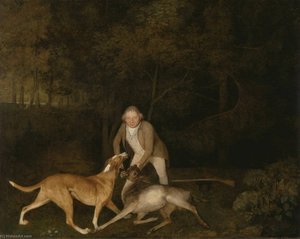
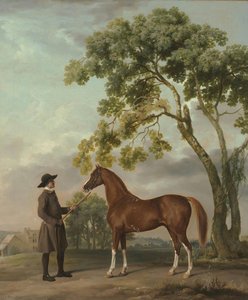
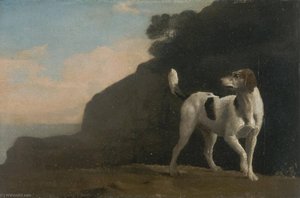
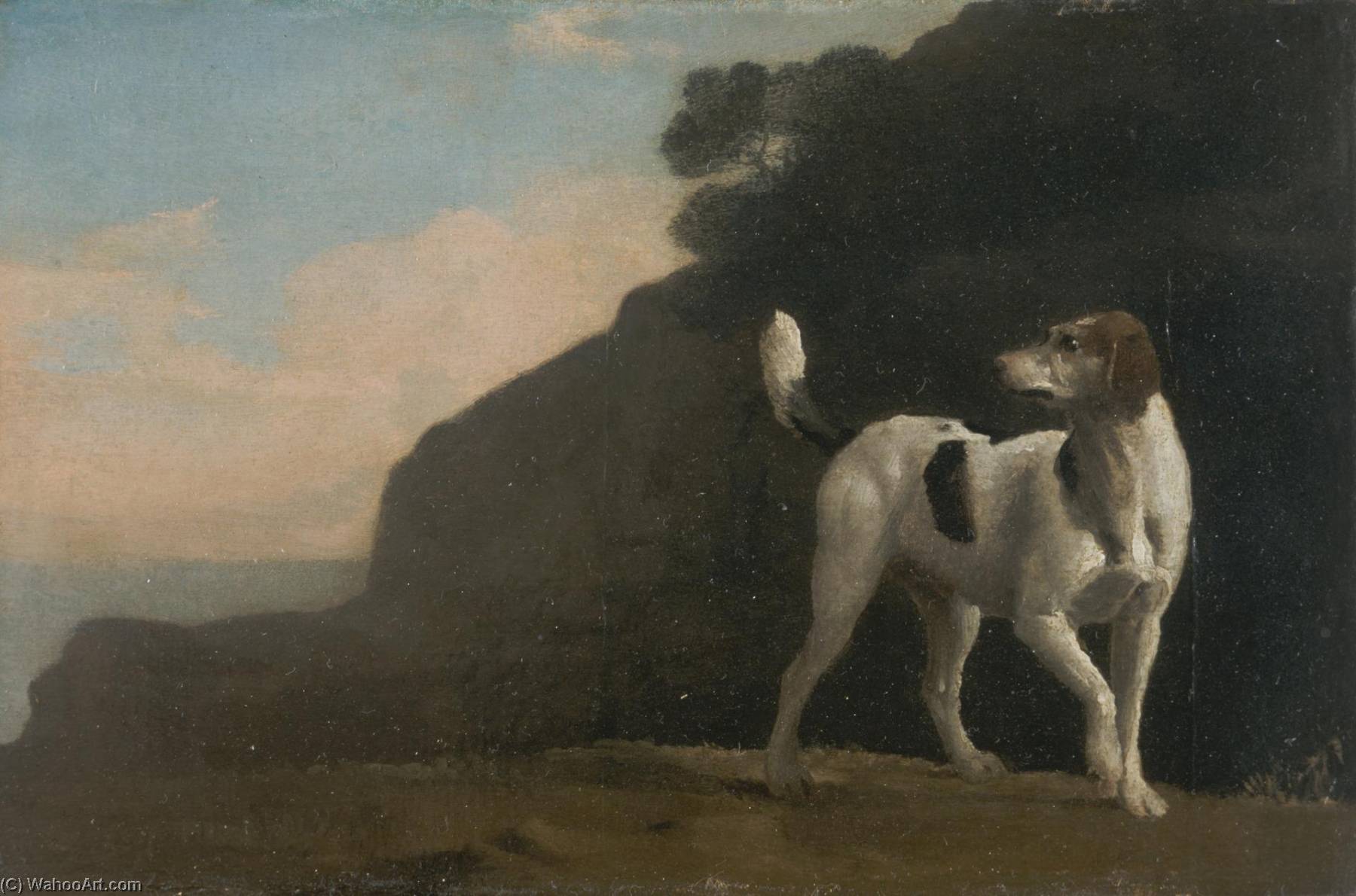
A Foxhound


 Read More
Hand Made Oil Reproduction
Hand-painted oil on canvas in your size and frame, made to order by our artists. ( Buy Print Buy Image)




P118B $10

P118H $10

P118W $10

P438Z $10

P508JH $12

P508YH $12

P805H $10

P805Z $10

P919BZ $10

P919G $10

P919XJ $10

P959ZH $10

P968JZ $12

W106C $8

W218G $10

W218JH $8

W218Y $10

W307PJ $10

W316G $10

W316PJ $8

W316Y $10

W398PJ $8

W4111J $10

W500HY $15

W500JH $15

W692G $12

W849H $8

W940BG $15

W953PJ $8




Pick from our preset sizes that match the artwork's original proportions.

You may enter your own dimensions to fit a specific frame or space. If your selected size does not match the original image's proportions, we will either crop the artwork or extend the painting with additional hand-painted elements. A digital mockup will be sent for your approval before production begins.
Please note that the on-screen preview does not reflect the actual cropping or extension. Only the mockup will accurately show the final composition.
While custom sizes are available, we recommend selecting a dimension from the predefined list to preserve the original proportions.
After order, ArtsDot.com team will email client for instructions and provide a mockup preview
Worldwide Delivery () in 3/4 weeks instead of standard 5 weeks. (16 August). No compromise on quality.

Free Worldwide Express Shipping

High-Quality Linen Canvas

Full Shipping Insurance

Customs Tax Refund Guarantee

True Color Matching Guarantee

60-Day Return Policy (Defects Only)

100% Money-Back Guarantee

Bulk Discount Offer
 Glass option is only available in size under 110 CM

A Foxhound
Reproduction Medium
Reproduction Size
-


Total Price
$ 263
Artwork Description
George Stubbs: Bridging Anatomy and Romantic Emotion
George Stubbs (1724–1806) stands as an unparalleled figure in British art history, celebrated not merely for his meticulous anatomical accuracy but also for his profound ability to infuse his paintings with the spirit of Romanticism. Born in Liverpool, Stubbs embarked on a self-directed artistic journey that defied convention and established him as one of the foremost painters of his era—a legacy cemented by works like “A Foxhound,” which continues to captivate audiences today. This remarkable painting exemplifies Stubbs’s distinctive approach: a fusion of scientific observation and emotive expression, capturing both the physical form and psychological essence of the subject matter.The Anatomical Foundation
Stubbs's artistic philosophy stemmed from an unwavering fascination with anatomy—a passion nurtured during his formative years at York County Hospital under the tutelage of surgeon Charles Atkinson. Unlike many artists of his time who prioritized idealized beauty, Stubbs relentlessly pursued realism, dissecting horses to gain firsthand knowledge of their musculature and skeletal structure. This dedication translated directly into his paintings, where he painstakingly rendered anatomical details with astonishing precision—a technique that would later earn him acclaim from luminaries like Joshua Reynolds and Thomas Gainsborough. The resulting images weren’t simply representations; they were explorations of the animal form itself, reflecting Stubbs's conviction that nature possessed inherent grandeur and truth.“A Foxhound”: A Study in Movement and Light
“A Foxhound,” executed around 1760, exemplifies Stubbs’s mastery of capturing dynamic movement and atmospheric illumination—characteristics central to Romantic art. The painting depicts a foxhound standing proudly on the ground, its head held high as if intently focused on an unseen stimulus. Alongside it is another dog, partially obscured in the background, adding depth and complexity to the composition. Stubbs skillfully employed chiaroscuro—the dramatic interplay of light and shadow—to sculpt the hound’s form, emphasizing musculature and conveying a sense of vitality. The muted palette contributes to the painting's contemplative mood, inviting viewers to contemplate not only the animal itself but also its connection to the natural world.Romantic Symbolism and Artistic Innovation
Stubbs’s work aligns seamlessly with the burgeoning Romantic movement, which championed emotion over reason and celebrated the sublime beauty of untamed landscapes and creatures. Unlike earlier depictions of animals—often stylized or idealized—Stubbs presented them as subjects worthy of profound artistic consideration. “A Foxhound” embodies this ethos by portraying an animal imbued with intelligence and spirit—a deliberate departure from prevailing artistic conventions. Stubbs’s pioneering use of anatomical detail combined with expressive lighting signaled a decisive shift away from Neoclassical aesthetics, establishing him as a pivotal innovator who profoundly influenced subsequent generations of artists.Legacy and Enduring Appeal
George Stubbs's influence extends far beyond his own lifetime. His meticulous anatomical studies paved the way for advancements in scientific illustration and continue to inspire artists today. Furthermore, “A Foxhound” remains an iconic image—a testament to Stubbs’s artistic genius and a symbol of Romantic idealism. Its enduring appeal lies not only in its technical brilliance but also in its ability to evoke feelings of awe and wonder—capturing the essence of Stubbs's vision: that art could illuminate the mysteries of nature and elevate the human spirit.Related Artworks
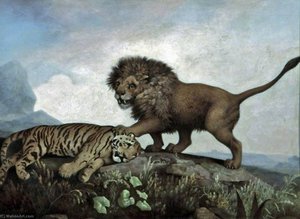
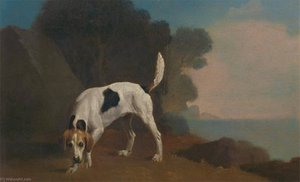
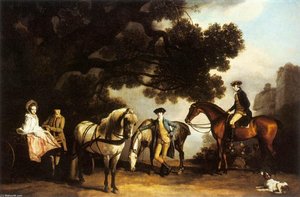
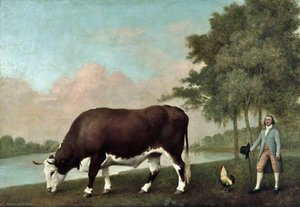
Artist Biography
early life and training
george stubbs, a renowned english painter, was born on august 25, 1724, in liverpool, united kingdom. his early life was marked by a sparse record of his activities until the age of 35, with most information sourced from ozias humphry's memoirs, based on conversations with stubbs in 1794. stubbs began his artistic journey at the age of 15, initially working under his father, a currier or leather-dresser. he later approached hamlet winstanley, a lancashire painter and engraver, for a brief apprenticeship. this short stint allowed him to study the collection at knowsley hall.artistic development and notable works
stubbs's passion for anatomy led him to move to york in 1744, where he studied under surgeon charles atkinson at york county hospital. one of his earliest surviving works is a set of illustrations for john burton's textbook on midwifery, published in 1751. in 1756, stubbs rented a farmhouse in lincolnshire and spent 18 months dissecting horses, assisted by his common-law wife, mary spencer. this led to the publication of the anatomy of the horse in 1766, with original drawings now housed at the royal academy. stubbs's work was soon recognized by leading aristocratic patrons, including the 3rd duke of richmond, who commissioned three large pictures in 1759. this marked the beginning of his successful career, with works produced for several dukes and lords, culminating in the purchase of a house in marylebone, london.legacy and notable paintings
stubbs's most famous work, whistlejacket, a painting of a prancing horse commissioned by the 2nd marquess of rockingham, is now housed at the national gallery in london. this and two other paintings for rockingham break with convention, featuring plain backgrounds.- whistlejacket, a thoroughbred race horse rising on his hind legs, showcases stubbs's unparalleled skill in capturing the essence of horses.
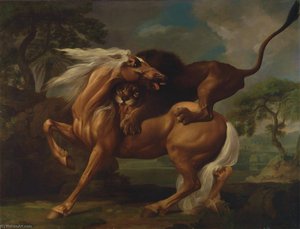
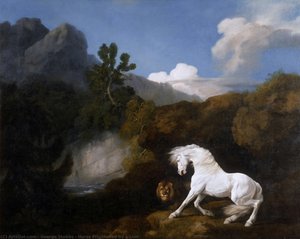
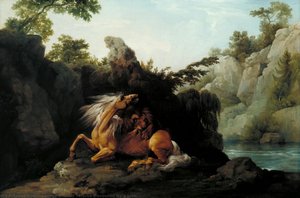
- stubbs's series of paintings on a lion attacking a horse are early examples of the romantic movement, demonstrating his influence on 18th-century art.
- view stubbs's artwork at https://ArtsDot.com/@/george_stubbs
- explore the national gallery in london's collection, featuring stubbs's notable works, at /en/art/show/art-8xyffg-en/
- learn more about stubbs's life and work on wikipedia at https://en.wikipedia.org/wiki/george_stubbs
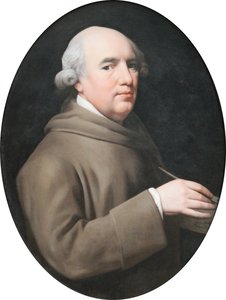
George Stubbs
1724 - 1806 , United Kingdom
Quick Facts
- Artistic Movement Or Style: Romanticism, Equine Art
- Artists Or Movements Influenced By This Artist: ['Joshua Reynolds']
- Artists Who Influenced This Artist: ['Hamlet Winstanley']
- Date Of Birth: August 25, 1724
- Date Of Death: July 10, 1806
- Full Name: George Stubbs
- Nationality: British
- Notable Artworks:
- Whistlejacket
- Lion & Horse
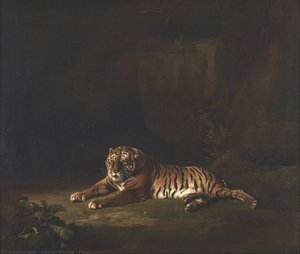
- A Lion and Tiger
- Place Of Birth: Liverpool, UK
Related Articles

Georges Braque's Masterpieces: 25 Paintings That Defined Cubism & Modern Art | ArtsDot
Explore 25 iconic Georges Braque paintings that revolutionized Cubism & modern art. Discover the stories behind his masterpieces, from Fauvism to Analytical Cubism. Find museum-quality reproductions & elevate your home decor with ArtsDot.com.
Georges Seurat's Masterpieces: 25 Paintings That Defined Pointillism | ArtsDot
Explore 25 iconic Georges Seurat paintings & discover the brilliance of Pointillism. From 'La Grande Jatte' to his harbor scenes, delve into art history with ArtsDot.com. Find museum-quality reproductions for your home decor. Explore the full collection online!
George Stubbs: Anatomical Precision & Romantic Vision in 18th-Century British Art
Explore the captivating world of George Stubbs, the 18th-century master renowned for his anatomical precision & Romantic animal paintings. Discover his legacy and investment potential.
Animalia: Exploring the Enduring Presence of Animals in Art & Interior Design
Explore the rich history of animal symbolism in art, from ancient mythology to modern masterpieces. Discover how animals have inspired artists for centuries and learn how to incorporate these powerful motifs into your home décor.
Beastly Brushstrokes: A Historical Journey Through Animal Painting & Aesthetic Movements
Explore the rich history of animal painting across cultures & movements. Discover iconic artists, symbolism, collecting trends & expert art consultation at ArtsDot.com.