

 Preview
 Send
Send Share
Share
 Details

 Download
 Similars
 X-Ray
X-Ray Diaporama
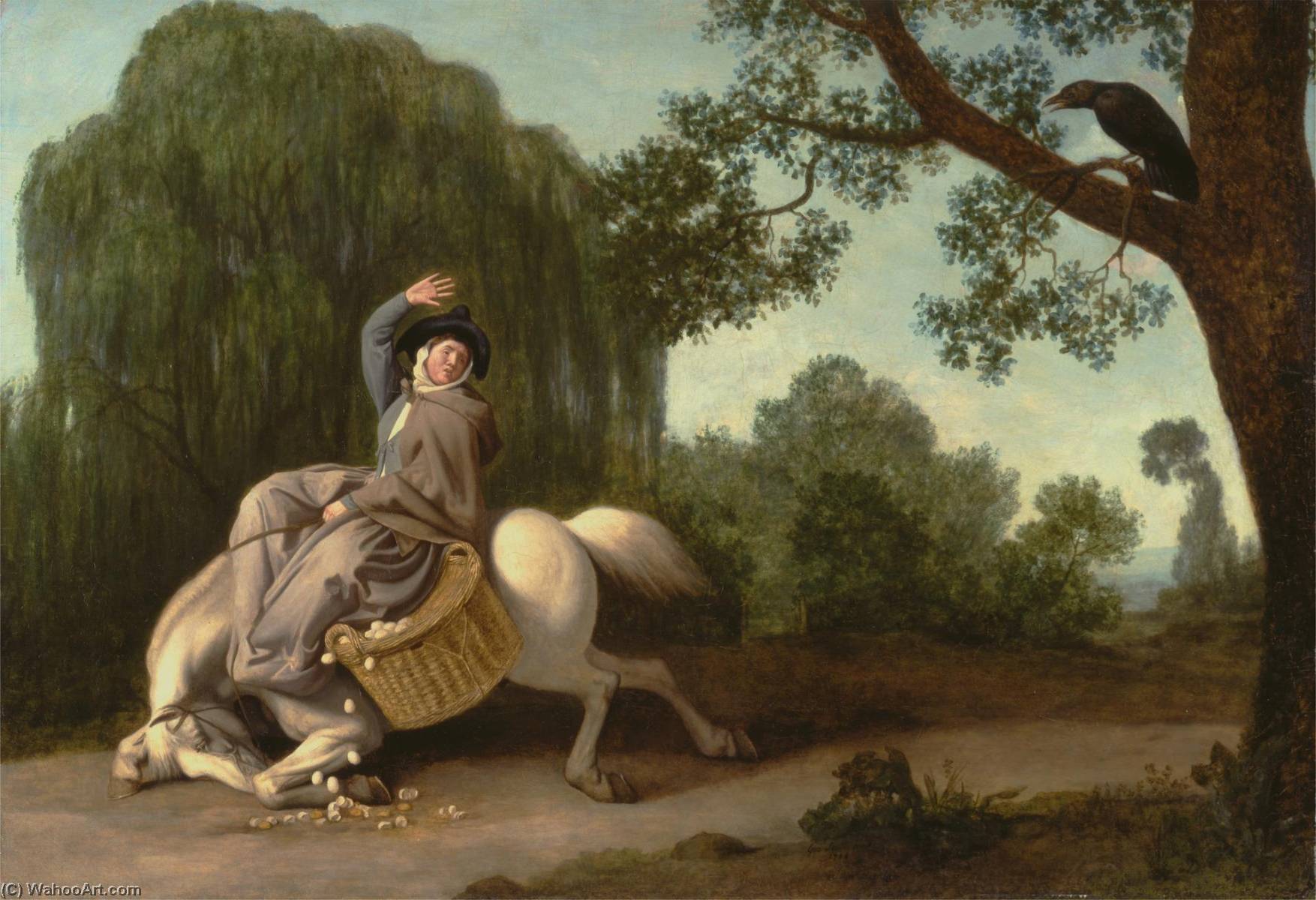
The Farmer's Wife and the Raven, from John Gay's 'Fables'


 Read More
Purchase a high-resolution, enhanced digital image, far superior to the online preview.
Each file is meticulously prepared by our in-house specialists using advanced tools and expert manual retouching. We ensure every image has exceptional clarity, precise color accuracy, and fine detail.
The final file is delivered via email within 72 hours, optimized for immediate use in professional, editorial, and print environments. This is the same quality trusted by top-tier design studios, publishers, and galleries.
Digital Image
Download a high-resolution file for personal display, printing, and creative projects. ( Buy Print Buy Hand Made Painting)
Included in Every Digital Image Order
Expert Digital Delivery, Guaranteed
When you choose ArtsDot.com, you're not just getting an image - you're receiving a professionally enhanced digital artwork, crafted with precision and backed by a satisfaction guarantee. Here's everything that comes with your order, automatically:

Fast Email Delivery
Your high-resolution digital image file will be emailed to you within 72 hours of ordering - ready for immediate use.

AI-Enhanced Digital File
Your artwork is professionally optimized using advanced AI tools and manual editing, ensuring maximum detail, clarity, and color accuracy.

Free Lifetime Re-Delivery
Accidentally deleted or lost your file? No worries - we'll resend it to you anytime, free of charge.

No Import Fees - Ever
Enjoy your artwork instantly with zero customs, duties, or delivery fees - digital downloads are always tax-free.

Color Accuracy Guarantee
We ensure your digital image reflects the original colors as closely as possible using professional tools and color management.

60-Day Satisfaction Guarantee
If you're not satisfied with your digital image, we'll revise it or refund 100% within 60 days - no questions asked.

100% Money-Back Guarantee
Not satisfied? Get a full refund within 60 days of receiving your digital file - no questions asked.

Bulk Order Discounts
Buy 3 images, save 10% - Buy 5, save 15% - Buy 10+, save 20%. Great for creative projects, galleries, and agencies.
George Stubbs’s “The Farmer’s Wife and the Raven”: A Romantic Encounter with Mortality
George Stubbs (1724–1806), considered one of Britain's foremost painters, achieved renown primarily for his groundbreaking depictions of horses—particularly “Whistlejacket,” which revolutionized anatomical accuracy in animal art. However, beyond equine studies lay a remarkable talent for capturing human emotion and narrative within landscapes, as evidenced by “The Farmer’s Wife and the Raven,” completed in 1786. This painting resides within the Yale Center for British Art's Paul Mellon Collection, offering viewers an intimate glimpse into a pivotal moment of Romantic artistic expression.Subject Matter and Narrative
The artwork portrays a farmer’s wife embarking on her daily journey to market—a seemingly mundane activity elevated by Stubbs’s masterful storytelling. She is accompanied by her horse, which exhibits palpable anxiety as she mounts it, reflecting the vulnerability inherent in human experience against the backdrop of nature. Above them, perched upon a willow tree branch, sits a raven – a symbol laden with connotations of death and prophecy—its croak jolting the woman from her “silver dream,” representing subconscious anxieties about future prosperity. The basket she carries symbolizes domesticity and livelihood, juxtaposed against the ominous presence of the bird. Stubbs skillfully weaves together these elements to convey a profound meditation on mortality and the precariousness of human existence within the grand scheme of the natural world.Style and Technique: Romantic Anatomical Precision
Stubbs’s artistic style firmly establishes itself as a cornerstone of Romanticism, prioritizing emotional intensity and dramatic composition over strict academic conventions. Unlike earlier artists who favored idealized representations, Stubbs embraced anatomical realism—a technique honed through meticulous dissection—to portray animals with unparalleled accuracy. “The Farmer’s Wife and the Raven” exemplifies this approach, demonstrating Stubbs's dedication to capturing not merely appearance but also movement and psychological state. The painting utilizes beeswax and oil on millboard, a medium favored by Stubbs for its ability to convey texture and luminosity. Careful brushstrokes contribute to the overall impression of dynamism and immediacy, immersing the viewer in the scene’s atmosphere.Historical Context: John Gay's Fables and Romantic Ideals
“The Farmer’s Wife and the Raven” originates from John Gay’s “Fables,” a popular literary work that explored moral themes through anthropomorphic animals—a trend characteristic of the Enlightenment era. Stubbs’s decision to adapt this narrative into visual form reflects the broader Romantic preoccupation with emotion, imagination, and the sublime – experiences perceived as awe-inspiring and transformative. The painting aligns perfectly with Romantic ideals by portraying a human figure confronting existential anxieties amidst the beauty and power of nature—a deliberate contrast to the rationalism championed by preceding artistic movements.Symbolism: Raven’s Prophecy and Dream Imagery
The raven serves as a potent symbol within the artwork, representing death, omen, and impending doom. Its presence underscores the fragility of human life and challenges viewers to contemplate mortality alongside aspirations for success. The “silver dream”—the woman's subconscious preoccupation with her eggs—represents anxieties about future prosperity and symbolizes the vulnerability inherent in domestic life. Stubbs’s masterful use of visual cues reinforces these symbolic layers, elevating the painting beyond a simple depiction of rural life into a profound meditation on human psychology and spiritual contemplation.Emotional Impact: Capturing Transient Beauty
Ultimately, “The Farmer's Wife and the Raven” succeeds in evoking a powerful emotional response from the viewer. Stubbs’s evocative portrayal captures a fleeting moment—the woman’s apprehension as she mounts her horse—infused with palpable tension and vulnerability. The painting’s luminous palette and textured surface contribute to its immersive quality, transporting viewers into the scene's tranquil yet unsettling landscape. Like many Romantic masterpieces, it invites contemplation on themes of mortality, beauty, and the human condition—a testament to Stubbs’s enduring legacy as one of Britain’s most influential artists.Related Artworks
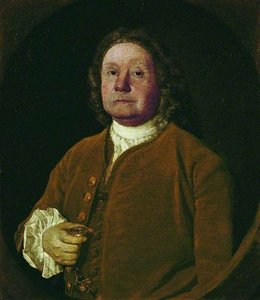
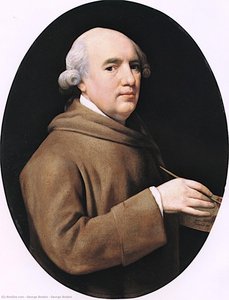
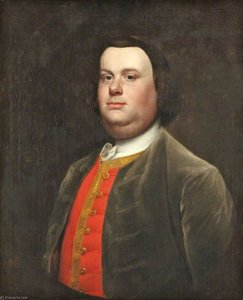
Artist Biography
early life and training
george stubbs, a renowned english painter, was born on august 25, 1724, in liverpool, united kingdom. his early life was marked by a sparse record of his activities until the age of 35, with most information sourced from ozias humphry's memoirs, based on conversations with stubbs in 1794. stubbs began his artistic journey at the age of 15, initially working under his father, a currier or leather-dresser. he later approached hamlet winstanley, a lancashire painter and engraver, for a brief apprenticeship. this short stint allowed him to study the collection at knowsley hall.artistic development and notable works
stubbs's passion for anatomy led him to move to york in 1744, where he studied under surgeon charles atkinson at york county hospital. one of his earliest surviving works is a set of illustrations for john burton's textbook on midwifery, published in 1751. in 1756, stubbs rented a farmhouse in lincolnshire and spent 18 months dissecting horses, assisted by his common-law wife, mary spencer. this led to the publication of the anatomy of the horse in 1766, with original drawings now housed at the royal academy. stubbs's work was soon recognized by leading aristocratic patrons, including the 3rd duke of richmond, who commissioned three large pictures in 1759. this marked the beginning of his successful career, with works produced for several dukes and lords, culminating in the purchase of a house in marylebone, london.legacy and notable paintings
stubbs's most famous work, whistlejacket, a painting of a prancing horse commissioned by the 2nd marquess of rockingham, is now housed at the national gallery in london. this and two other paintings for rockingham break with convention, featuring plain backgrounds.- whistlejacket, a thoroughbred race horse rising on his hind legs, showcases stubbs's unparalleled skill in capturing the essence of horses.
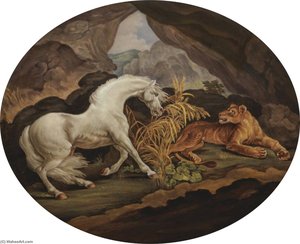
- stubbs's series of paintings on a lion attacking a horse are early examples of the romantic movement, demonstrating his influence on 18th-century art.
- view stubbs's artwork at https://ArtsDot.com/@/george_stubbs
- explore the national gallery in london's collection, featuring stubbs's notable works, at /en/art/show/art-8xyffg-en/
- learn more about stubbs's life and work on wikipedia at https://en.wikipedia.org/wiki/george_stubbs
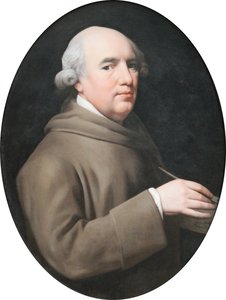
George Stubbs
1724 - 1806 , United Kingdom
Quick Facts
- Artistic Movement Or Style: Romanticism, Equine Art
- Artists Or Movements Influenced By This Artist: ['Joshua Reynolds']
- Artists Who Influenced This Artist: ['Hamlet Winstanley']
- Date Of Birth: August 25, 1724
- Date Of Death: July 10, 1806
- Full Name: George Stubbs
- Nationality: British
- Notable Artworks:
- Whistlejacket
- Lion & Horse
- A Lion and Tiger
- Place Of Birth: Liverpool, UK

