 Preview
 Send
Send Share
Share
 Details

 Download
 Similars
 X-Ray
X-Ray Diaporama
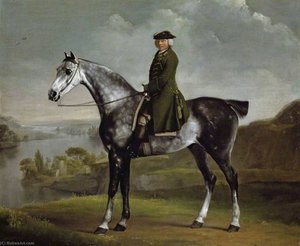
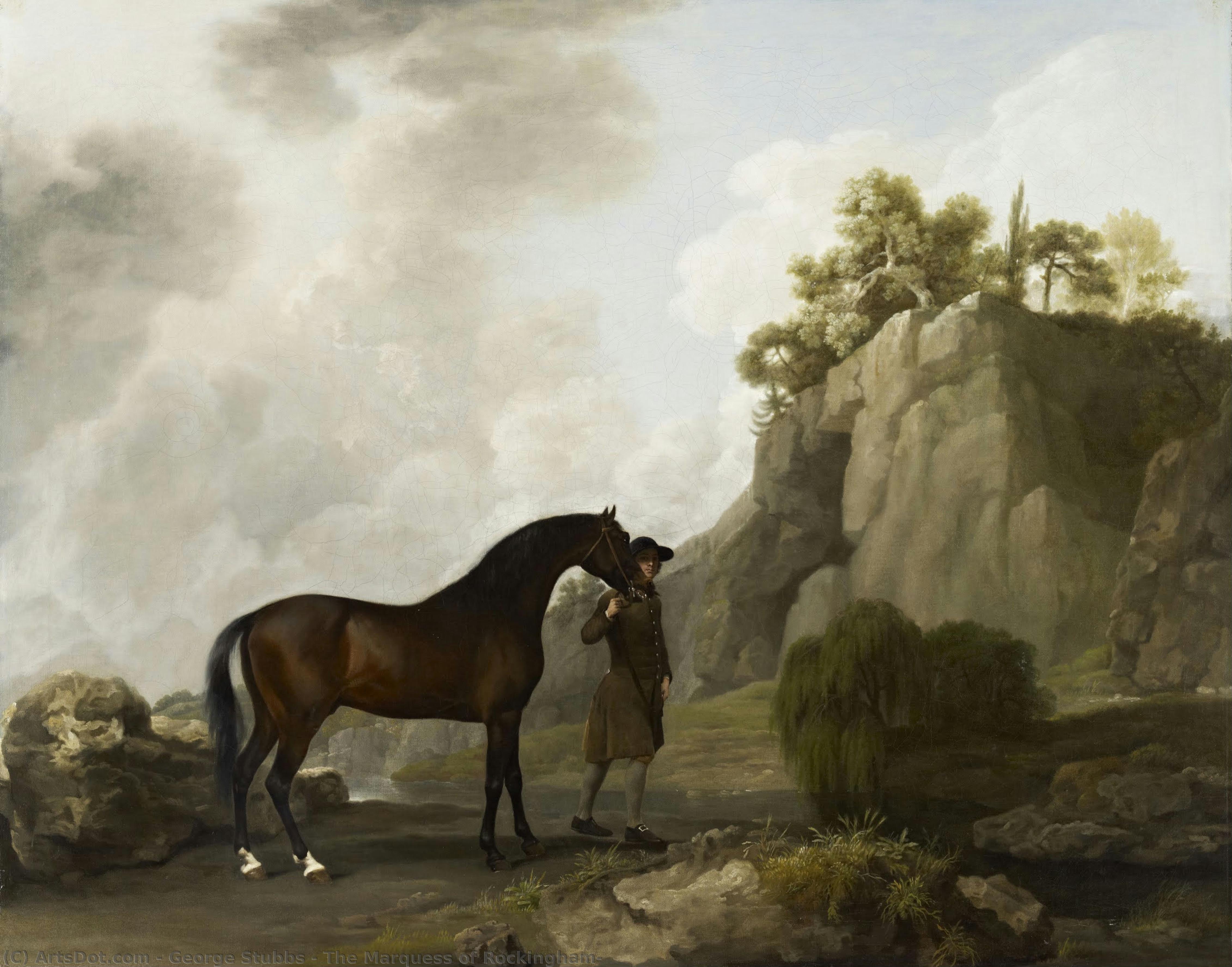
The Marquess of Rockingham


 Read More
Hand Made Oil Reproduction
Hand-painted oil on canvas in your size and frame, made to order by our artists. ( Buy Print Buy Image)




P118B $10

P118H $10

P118W $10

P438Z $10

P508JH $12

P508YH $12

P805H $10

P805Z $10

P919BZ $10

P919G $10

P919XJ $10

P959ZH $10

P968JZ $12

W106C $8

W218G $10

W218JH $8

W218Y $10

W307PJ $10

W316G $10

W316PJ $8

W316Y $10

W398PJ $8

W4111J $10

W500HY $15

W500JH $15

W692G $12

W849H $8

W940BG $15

W953PJ $8




Pick from our preset sizes that match the artwork's original proportions.

You may enter your own dimensions to fit a specific frame or space. If your selected size does not match the original image's proportions, we will either crop the artwork or extend the painting with additional hand-painted elements. A digital mockup will be sent for your approval before production begins.
Please note that the on-screen preview does not reflect the actual cropping or extension. Only the mockup will accurately show the final composition.
While custom sizes are available, we recommend selecting a dimension from the predefined list to preserve the original proportions.
After order, ArtsDot.com team will email client for instructions and provide a mockup preview
Worldwide Delivery () in 3/4 weeks instead of standard 5 weeks. (16 August). No compromise on quality.

Free Worldwide Express Shipping

High-Quality Linen Canvas

Full Shipping Insurance

Customs Tax Refund Guarantee

True Color Matching Guarantee

60-Day Return Policy (Defects Only)

100% Money-Back Guarantee

Bulk Discount Offer
 Glass option is only available in size under 110 CM

The Marquess of Rockingham
Reproduction Medium
Reproduction Size
-


Total Price
$ 263
Artwork Description
The Equestrian Portrait of Rockingham: A Window into Georgian Grandeur
George Stubbs’s “The Marquess of Rockingham” is more than just a portrait; it's a meticulously crafted tableau vivant, capturing the essence of 18th-century English aristocracy and the burgeoning fascination with equine excellence. Painted around 1780, this remarkable work transcends mere representation, offering a glimpse into the social dynamics, artistic trends, and scientific curiosity that defined the Georgian era. The painting depicts the Marquess seated upon his magnificent Arabian stallion, a powerful symbol of wealth, status, and mastery – both of the animal and of one’s position within society.
Stubbs, already renowned for his anatomical precision and groundbreaking studies of horses, employed a remarkably realistic style that was revolutionary for its time. He eschewed the idealized forms favored by many contemporary portraitists, instead presenting Rockingham and his horse with an almost brutal honesty. The details are astonishing: the intricate texture of the stallion’s coat, the subtle musculature beneath its skin, the careful rendering of every strand of mane and tail – all speak to Stubbs's deep understanding of animal anatomy, honed through years of dedicated observation and dissection. The background, subtly rendered with a distant tree line and rocky terrain, provides a grounding element, anchoring the scene in a believable landscape.
A Study in Light and Shadow: The Painter’s Technique
Stubbs's masterful use of light is central to the painting’s impact. He employs dramatic chiaroscuro – a stark contrast between light and shadow – to sculpt the forms, emphasizing Rockingham’s noble bearing and the horse’s power. Light falls across the Marquess’s face, illuminating his expression of quiet authority, while deep shadows accentuate the animal's strength and movement. The artist skillfully uses reflected light on the horse’s coat, creating a shimmering effect that adds to its majestic appearance. The brushwork is loose and expressive, particularly in the depiction of the horse’s mane and tail, conveying a sense of dynamic energy.
Notably, Stubbs deliberately placed Rockingham's hand lightly on the horse's neck – a gesture suggesting control and partnership rather than dominance. This subtle detail reveals a sophisticated understanding of equine behavior and highlights the complex relationship between man and animal within this aristocratic context. The composition itself is carefully balanced, drawing the eye from Rockingham’s regal posture to the powerful form of the stallion and then back again, creating a harmonious visual experience.
Symbolism and Social Context
The choice of an Arabian stallion was no accident. These horses were highly prized in Georgian England, representing wealth, exoticism, and refined taste. Their possession signified membership within the upper echelons of society. Rockingham himself was a prominent Whig politician and member of Parliament, deeply involved in shaping British policy during this period. The painting thus serves as both a personal portrait and a statement of his social standing.
Furthermore, the inclusion of the horse reflects the growing scientific interest in animal anatomy prevalent at the time. Stubbs’s detailed studies were informed by a desire to understand the mechanics of movement and the underlying structure of animals – a pursuit that foreshadowed later developments in comparative anatomy and veterinary medicine. The painting can be viewed as a synthesis of artistic skill, aristocratic patronage, and burgeoning scientific inquiry.
A Timeless Masterpiece: Reproduction and Legacy
“The Marquess of Rockingham” remains a captivating work of art, offering a rare glimpse into the world of Georgian England. Reproductions, meticulously crafted to capture the painting’s original detail and atmosphere, provide an accessible way for contemporary audiences to appreciate Stubbs's genius. When selecting a reproduction, consider the quality of materials and printing techniques – ensuring that the colors accurately reflect the artist’s palette and the nuances of his brushwork. This iconic portrait continues to inspire admiration for its technical brilliance, historical significance, and enduring appeal.
Related Artworks
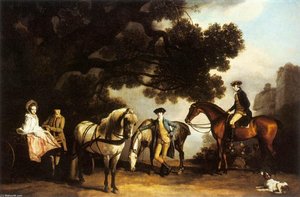
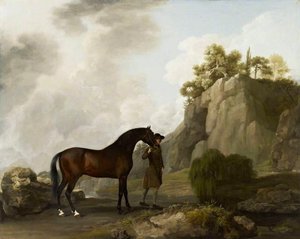
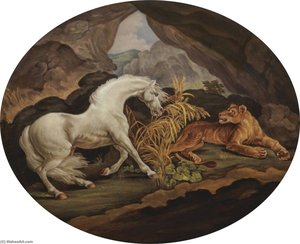
Artist Biography
early life and training
george stubbs, a renowned english painter, was born on august 25, 1724, in liverpool, united kingdom. his early life was marked by a sparse record of his activities until the age of 35, with most information sourced from ozias humphry's memoirs, based on conversations with stubbs in 1794. stubbs began his artistic journey at the age of 15, initially working under his father, a currier or leather-dresser. he later approached hamlet winstanley, a lancashire painter and engraver, for a brief apprenticeship. this short stint allowed him to study the collection at knowsley hall.artistic development and notable works
stubbs's passion for anatomy led him to move to york in 1744, where he studied under surgeon charles atkinson at york county hospital. one of his earliest surviving works is a set of illustrations for john burton's textbook on midwifery, published in 1751. in 1756, stubbs rented a farmhouse in lincolnshire and spent 18 months dissecting horses, assisted by his common-law wife, mary spencer. this led to the publication of the anatomy of the horse in 1766, with original drawings now housed at the royal academy. stubbs's work was soon recognized by leading aristocratic patrons, including the 3rd duke of richmond, who commissioned three large pictures in 1759. this marked the beginning of his successful career, with works produced for several dukes and lords, culminating in the purchase of a house in marylebone, london.legacy and notable paintings
stubbs's most famous work, whistlejacket, a painting of a prancing horse commissioned by the 2nd marquess of rockingham, is now housed at the national gallery in london. this and two other paintings for rockingham break with convention, featuring plain backgrounds.- whistlejacket, a thoroughbred race horse rising on his hind legs, showcases stubbs's unparalleled skill in capturing the essence of horses.
- stubbs's series of paintings on a lion attacking a horse are early examples of the romantic movement, demonstrating his influence on 18th-century art.
- view stubbs's artwork at https://ArtsDot.com/@/george_stubbs
- explore the national gallery in london's collection, featuring stubbs's notable works, at /en/art/show/art-8xyffg-en/
- learn more about stubbs's life and work on wikipedia at https://en.wikipedia.org/wiki/george_stubbs
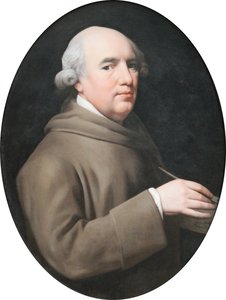
George Stubbs
1724 - 1806 , United Kingdom
Quick Facts
- Artistic Movement Or Style: Romanticism, Equine Art
- Artists Or Movements Influenced By This Artist: ['Joshua Reynolds']
- Artists Who Influenced This Artist: ['Hamlet Winstanley']
- Date Of Birth: August 25, 1724
- Date Of Death: July 10, 1806
- Full Name: George Stubbs
- Nationality: British
- Notable Artworks:
- Whistlejacket
- Lion & Horse
- A Lion and Tiger
- Place Of Birth: Liverpool, UK
Related Articles

Georges Braque's Masterpieces: 25 Paintings That Defined Cubism & Modern Art | ArtsDot
Explore 25 iconic Georges Braque paintings that revolutionized Cubism & modern art. Discover the stories behind his masterpieces, from Fauvism to Analytical Cubism. Find museum-quality reproductions & elevate your home decor with ArtsDot.com.
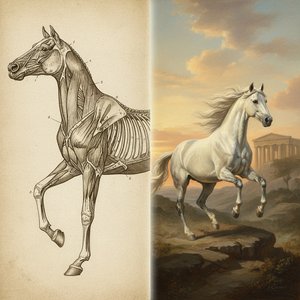
George Stubbs: Anatomical Precision & Romantic Vision in 18th-Century British Art
Explore the captivating world of George Stubbs, the 18th-century master renowned for his anatomical precision & Romantic animal paintings. Discover his legacy and investment potential.

Georges Seurat's Masterpieces: 25 Paintings That Defined Pointillism | ArtsDot
Explore 25 iconic Georges Seurat paintings & discover the brilliance of Pointillism. From 'La Grande Jatte' to his harbor scenes, delve into art history with ArtsDot.com. Find museum-quality reproductions for your home decor. Explore the full collection online!
Animalia: Exploring the Enduring Presence of Animals in Art & Interior Design
Explore the rich history of animal symbolism in art, from ancient mythology to modern masterpieces. Discover how animals have inspired artists for centuries and learn how to incorporate these powerful motifs into your home décor.
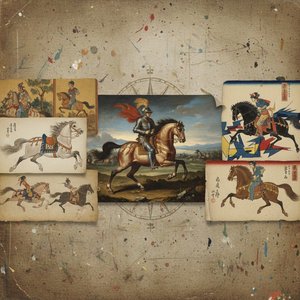
The Noble Steed on Canvas: A Historical & Artistic Exploration of Horse Painting Across Cultures
Explore the rich history of horse painting! Discover masterpieces from Stubbs to Munnings & learn about symbolism, techniques & artists. Find museum-quality reproductions at ArtsDot.