 Preview
 Send
Send Share
Share
 Details

 Download
 Similars
 X-Ray
X-Ray Diaporama
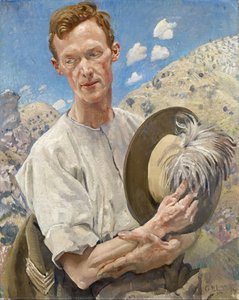
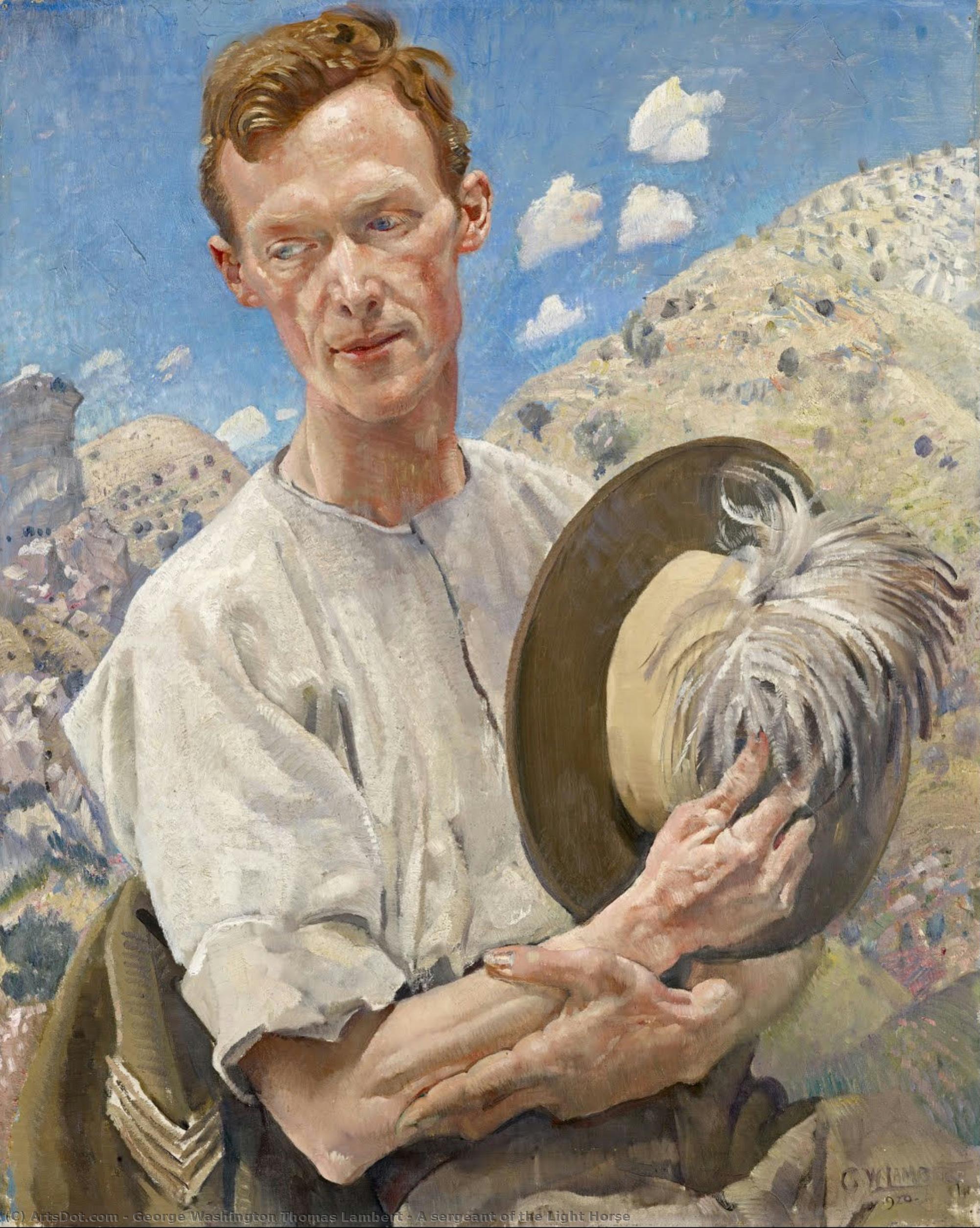
A sergeant of the Light Horse
 Acrylic On Canvas
- WallArt
- Contemporary Realism
 1920
1920 77.0 x 62.0 cm
 National Gallery of Victoria
 Read More
Hand Made Oil Reproduction
Hand-painted oil on canvas in your size and frame, made to order by our artists. ( Buy Print Buy Image)




P118B $10

P118H $10

P118W $10

P438Z $10

P508JH $12

P508YH $12

P805H $10

P805Z $10

P919BZ $10

P919G $10

P919XJ $10

P959ZH $10

P968JZ $12

W106C $8

W218G $10

W218JH $8

W218Y $10

W307PJ $10

W316G $10

W316PJ $8

W316Y $10

W398PJ $8

W4111J $10

W500HY $15

W500JH $15

W692G $12

W849H $8

W940BG $15

W953PJ $8




Pick from our preset sizes that match the artwork's original proportions.

You may enter your own dimensions to fit a specific frame or space. If your selected size does not match the original image's proportions, we will either crop the artwork or extend the painting with additional hand-painted elements. A digital mockup will be sent for your approval before production begins.
Please note that the on-screen preview does not reflect the actual cropping or extension. Only the mockup will accurately show the final composition.
While custom sizes are available, we recommend selecting a dimension from the predefined list to preserve the original proportions.
After order, ArtsDot.com team will email client for instructions and provide a mockup preview
Worldwide Delivery () in 3/4 weeks instead of standard 5 weeks. (17 August). No compromise on quality.

Free Worldwide Express Shipping

High-Quality Linen Canvas

Full Shipping Insurance

Customs Tax Refund Guarantee

True Color Matching Guarantee

60-Day Return Policy (Defects Only)

100% Money-Back Guarantee

Bulk Discount Offer
 Glass option is only available in size under 110 CM

A sergeant of the Light Horse
Reproduction Medium
Reproduction Size
-


Total Price
$ 263
Artwork Description
A Sergeant of the Light Horse – An Icon of Australian Identity
This painting by George Washington Thomas Lambert stands as one of Australia’s most enduring visual representations of its national character—specifically, the archetype of the Light Horseman. Completed in 1920 during the twilight years of World War I, it transcends mere portraiture; it embodies a profound reflection on masculinity, rural resilience, and the evolving mythology surrounding ANZACs (Australian and New Zealand Army Corps). Lambert’s masterful depiction captures not just an individual soldier but also the spirit of a generation shaped by hardship and unwavering patriotism.- Subject Matter: The portrait portrays Sergeant TH Ivers of the 1st Light Horse Signal Squadron, a young man embodying the quintessential Australian rural dweller. Lambert meticulously researched Ivers’s background—a farmer from Victoria—to accurately portray him as “long of limb and feature, spare of flesh, easy and almost tired in bearing,” mirroring descriptions penned by historian Henry Gullett about the ideal Light Horseman.
- Style & Technique: Lambert employed a strikingly realistic style, prioritizing anatomical precision and textural detail. He eschewed heroic poses favored by earlier military portraits, opting instead for a contemplative gaze and understated demeanor. The artist’s deliberate choice to capture the subtle nuances of flesh and musculature—as noted by art critic Hans Heysen—demonstrates his commitment to conveying psychological depth alongside physical accuracy. Lambert's palette was influenced by Botticelli, reflecting an appreciation for classical beauty within the context of a burgeoning modernist movement.
- Historical Context: Created during the height of the Great War, “A Sergeant of the Light Horse” speaks to Australia's collective trauma and aspiration. Gullett’s observations about the Light Horseman—representing “shyness and reserve”—captured a crucial element of Australian identity at the time—a quiet dignity born from facing adversity. Lambert’s work became an emblem of this ethos, solidifying Ivers’s image as a symbol of rural fortitude and understated heroism.
- Symbolism & Emotional Impact: The painting's subdued palette—dominated by earthy tones—underscores the artist’s focus on portraying the realities of rural life rather than idealized notions of military glory. Lambert skillfully rendered the soldier’s gaze, conveying a profound sense of introspection and resilience. As noted by art historian Elizabeth Heysen, “the feeling way the eyes have been painted and the expression of that sensitiveness around the mouth are truly wonderful.” The inclusion of birds—one perched atop the slouch hat—adds a subtle layer of symbolism, referencing Australia’s natural landscape and reinforcing the painting's connection to its subject’s origins.
Related Artworks
Artist Biography
early life and artistic beginnings
george washington thomas lambert, a posthumous son of george washington lambert from baltimore, maryland, was born in 1873 in st. petersburg, russia. this australian artist, known for his captivating portrait paintings and war art during the first world war, left an indelible mark on the art world.artistic career and notable works
lambert's artistic journey began with exhibiting his works at the society of artists, sydney in 1894. his notable contributions include:- lambert's war art: as an official war artist attached to the australian imperial force from 1917 to 1920, he created numerous sketches and paintings in palestine and gallipoli.
- portrait painting: his portrait works are a testament to his skill in capturing the essence of his subjects.
legacy and influence
lambert's legacy extends beyond his own work, with his son maurice lambert, a noted sculptor and associate of the royal academy. his influence can be seen in various australian art pieces, reflecting the country's rich cultural heritage.notable mentions and artistic footprints
* [https://ArtsDot.com/@/george-washington-thomas-lambert](https://ArtsDot.com/@/george-washington-thomas-lambert) - explore lambert's artworks on ArtsDot. * [https://wikipedia.org](http://wikipedia.org) - delve into the world of art and its history with wikipedia.- las meninas or the family of philip iv by diego velazquez, a masterpiece showcasing the artist's skill in capturing royalty.
- the third of may, 1808 the execution by francisco de goya, reflecting the turmoil of war through art.
conclusion
george washington thomas lambert's life, though marked by posthumous birth and a relatively short span, has left an enduring impact on australian art. his legacy, intertwined with the country's war history and the artistic community, continues to inspire. as we reflect on his life and works, we are reminded of the profound influence one individual can have on the world of art.- view lambert's artworks on [https://ArtsDot.com/@/george-washington-thomas-lambert](https://ArtsDot.com/@/george-washington-thomas-lambert)
- discover more about australian art and its history on [https://wikipedia.org](http://wikipedia.org)
references:
- george washington thomas lambert, ArtsDot
- australian art, wikipedia
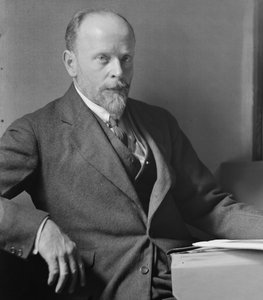
george washington thomas lambert
1873 - 1930 , Russia
Quick Facts
- Artistic Movement Or Style: Portraiture, War art
- Artists Or Movements Influenced By This Artist: ['None listed']
- Artists Who Influenced This Artist: ['George Washington Lambert']
- Date Of Birth: September 13, 1873
- Date Of Death: May 29, 1930
- Full Name: George Washington Thomas Lambert
- Nationality: Australian
- Notable Artworks:
- Across the Blacksoil Plains
- Anzac, the landing 1915
- A sergeant of the Light Horse
- Place Of Birth: St Petersburg, Russia
Related Articles

Georges Braque's Masterpieces: 25 Paintings That Defined Cubism & Modern Art | ArtsDot
Explore 25 iconic Georges Braque paintings that revolutionized Cubism & modern art. Discover the stories behind his masterpieces, from Fauvism to Analytical Cubism. Find museum-quality reproductions & elevate your home decor with ArtsDot.com.

Georges Seurat's Masterpieces: 25 Paintings That Defined Pointillism | ArtsDot
Explore 25 iconic Georges Seurat paintings & discover the brilliance of Pointillism. From 'La Grande Jatte' to his harbor scenes, delve into art history with ArtsDot.com. Find museum-quality reproductions for your home decor. Explore the full collection online!
John George Brown: Capturing American Life & Sentiment in 19th-Century Genre Painting
Explore the captivating genre paintings of John George Brown, celebrated for his realistic depictions of 19th-century American life. Discover his legacy & find museum-quality reproductions at ArtsDot.
Sir George Clausen: Capturing Edwardian Life & British Impressionism's Nuances
Explore the luminous world of Sir George Clausen, a leading British Impressionist painter. Discover his captivating scenes of Edwardian life, rural England & poignant war art. Learn about his legacy and find high-quality reproductions at ArtsDot.
George Stubbs: Anatomical Precision & Romantic Vision in 18th-Century British Art
Explore the captivating world of George Stubbs, the 18th-century master renowned for his anatomical precision & Romantic animal paintings. Discover his legacy and investment potential.