 Preview
 Send
Send Share
Share
 Details

 Download
 Similars
 X-Ray
X-Ray Diaporama
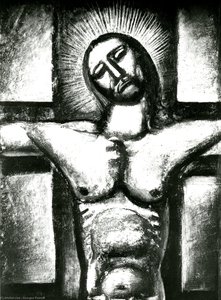
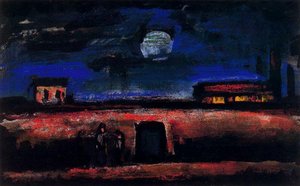
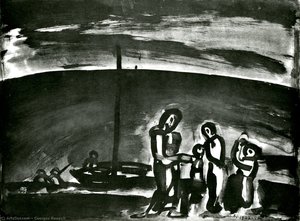
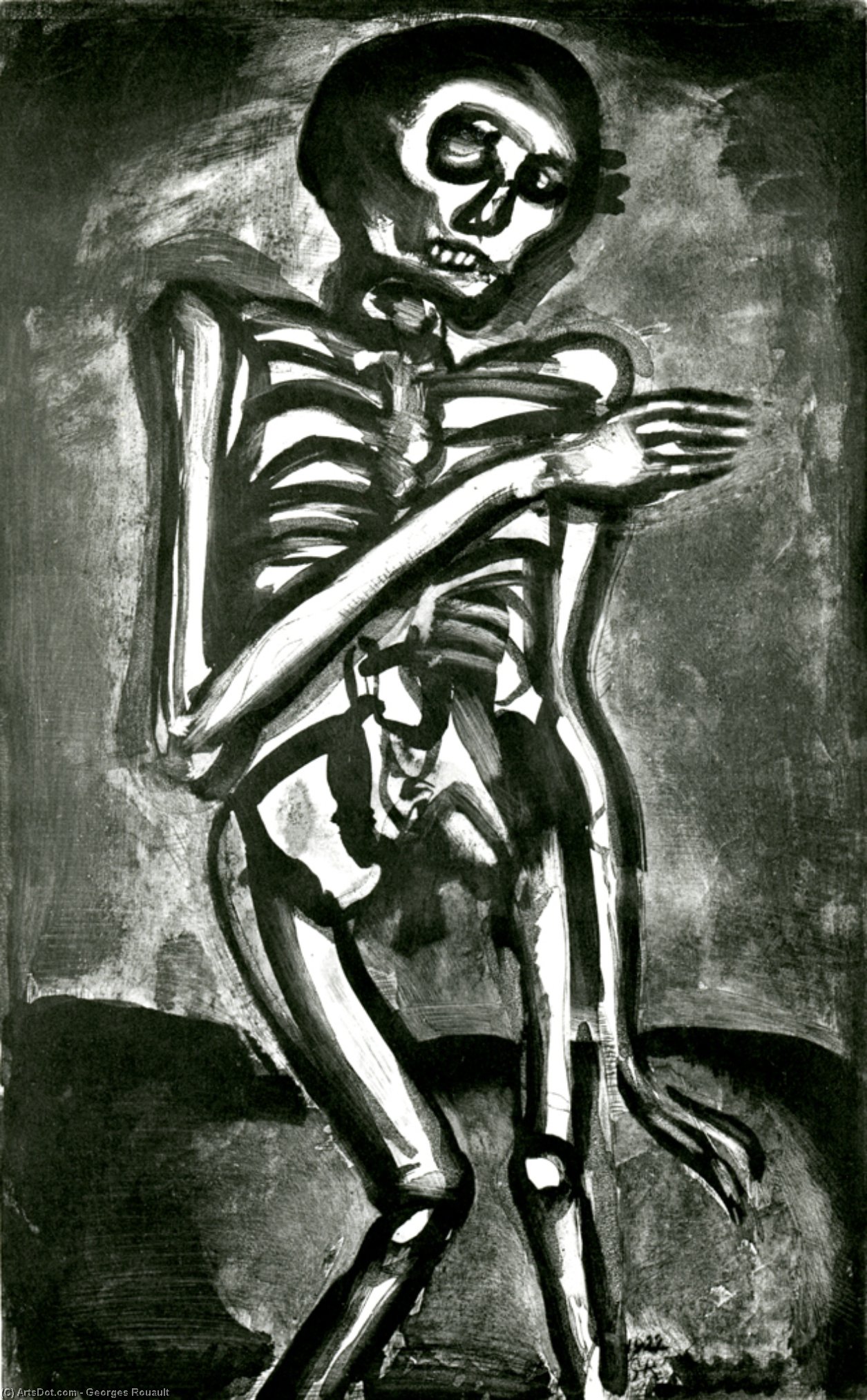
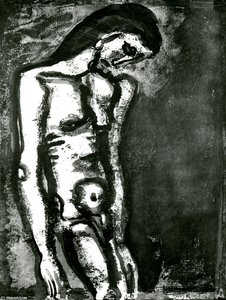
Death took him As he left the bed of nettles

 Read More
Giclée / Art Print
Museum-quality giclée or canvas print with fast production and flexible finish options. ( Buy Hand Made Painting Buy Image)




P118B $10

P118H $10

P118W $10

P438Z $10

P508JH $12

P508YH $12

P805H $10

P805Z $10

P919BZ $10

P919G $10

P919XJ $10

P959ZH $10

P968JZ $12

W106C $8

W218G $10

W218JH $8

W218Y $10

W307PJ $10

W316G $10

W316PJ $8

W316Y $10

W398PJ $8

W4111J $10

W500HY $15

W500JH $15

W692G $12

W849H $8

W940BG $15

W953PJ $8




Pick from our preset sizes that match the artwork's original proportions.

You may enter your own dimensions to fit a specific frame or space. If your selected size does not match the original image's proportions, we will either crop the artwork or extend the image with a mirrored or solid-fill edge. A digital mockup will be sent for your approval before production begins.
Please note that the on-screen preview does not reflect the actual cropping or extension. Only the mockup will accurately show the final composition.
While custom sizes are available, we recommend selecting a dimension from the predefined list to preserve the original proportions.
Worldwide Delivery () in 2 weeks instead of standard 4/5 weeks. (30 August)

Free Worldwide Express Shipping

High-Quality Linen Canvas

Full Shipping Insurance

Customs Tax Refund Guarantee

True Color Matching Guarantee

60-Day Return Policy (Defects Only)

100% Money-Back Guarantee

Bulk Discount Offer
 Glass option is only available in size under 110 CM

Death took him As he left the bed of nettles
Giclée / Art Print
Reproduction Size
-


Total Price
$ 63
Georges Rouault: A Portrait of Suffering and Spiritual Reflection
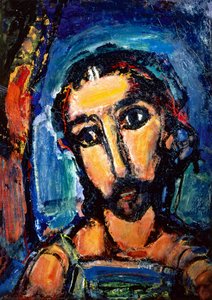
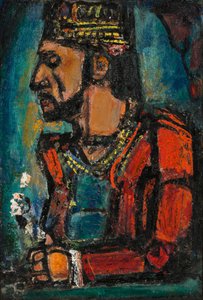
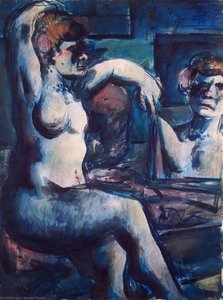
A Life Forged in Parisian Shadows Georges Rouault’s artistic journey began amidst the turbulent backdrop of Paris during the Commune of 1871, an event that indelibly shaped his worldview. Born into a modest family, he experienced firsthand the anxieties of urban warfare – his parents sought refuge in a cellar as the city endured relentless bombardment – an encounter that would permeate his artistic sensibility and fuel his unwavering empathy for those burdened by hardship. Unlike many artists of his era destined for privileged academic training, Rouault pursued an apprenticeship as a glass painter at fourteen, immersing himself in the craft’s vibrant hues and bold outlines; these formative influences profoundly impacted his mature style – a distinctive aesthetic characterized by dark contours framing luminous color fields reminiscent of medieval artistry. This early immersion wasn't merely technical prowess; it instilled within him a deep connection to tradition and an acute awareness of human vulnerability, themes that would become recurring motifs throughout his prolific career.- Style: Expressionistic – Rouault’s approach transcends mere representation, prioritizing emotional intensity and psychological exploration. He deliberately distorts form, employing bold lines and jarring color combinations to convey inner turmoil and spiritual contemplation.
- Technique: Primarily oil paint on canvas, Rouault utilized a layering technique known as impasto—thickly applied pigment—creating palpable textural surfaces that amplify the artwork’s emotional resonance. He meticulously blended tonal variations while maintaining assertive lines, demonstrating remarkable control over his medium.
- Recommended Reproduction Size: For optimal viewing experience and artistic appreciation, consider a reproduction measuring at least 36 x 48 inches (91.4 x 121.9 cm).
A Legacy of Compassion and Artistic Integrity
Georges Rouault’s enduring legacy resides not only in his groundbreaking stylistic innovations but also in his unwavering dedication to portraying the human condition with compassion and artistic integrity—a testament to his belief that art possesses the power to illuminate profound truths about our shared experience. His work continues to inspire artists and collectors alike, serving as a poignant reminder of the transformative potential inherent in confronting suffering and embracing spiritual contemplation.Related Artworks
Artist Biography
A Life Forged in Parisian Shadows
Georges Rouault, born in Paris in 1871 amidst the turmoil of the Commune, lived a life deeply etched by hardship and spiritual seeking. His earliest years were spent literally in the shadows – his family sought refuge in a cellar during the city’s bombardment, an event that would resonate throughout his artistic vision. This humble beginning, coupled with a devoutly Catholic upbringing fostered by his mother, instilled within him a profound empathy for the marginalized and suffering, themes that would become central to his oeuvre. He wasn't destined for formal academic privilege; instead, he embarked on an apprenticeship as a glass painter at fourteen, a craft that profoundly shaped his aesthetic sensibilities. The vibrant hues and bold outlines inherent in stained glass became foundational to his mature style – a characteristic use of dark contours framing luminous color fields, reminiscent of medieval artistry. This early immersion wasn’t merely technical; it was spiritual, imbuing him with an appreciation for the narrative power of light and image. He simultaneously pursued formal training at the École des Beaux-Arts, where he became a devoted pupil of Gustave Moreau, whose Symbolist leanings further nurtured Rouault's inclination towards emotionally charged subject matter.From Fauvism’s Embrace to Expressionist Depths
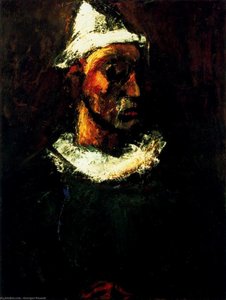
Rouault’s artistic journey wasn’t one of immediate recognition or easy categorization. While initially influenced by the Symbolists, he found himself drawn into the orbit of the burgeoning Fauvist movement in the early 20th century. He befriended artists like Henri Matisse and Albert Marquet, participating in exhibitions alongside them, yet his temperament always steered him toward a more somber and introspective path than the purely aesthetic explorations of his contemporaries. The vibrant colors of Fauvism served as a springboard, but Rouault quickly transcended its limitations, infusing his canvases with an emotional intensity that foreshadowed Expressionism. He began to focus on subjects often overlooked or deemed unworthy of artistic attention: prostitutes, clowns, judges, and prisoners. These weren’t merely depictions of societal outcasts; they were poignant allegories for the human condition – explorations of sin, redemption, and the inherent dignity within suffering. His characterizations, often grotesque yet deeply empathetic, resonated with a growing sense of unease and alienation in modern society, influencing a generation of Expressionist painters who sought to convey inner turmoil through distorted forms and jarring colors.A Moral Compass in Canvas and Print
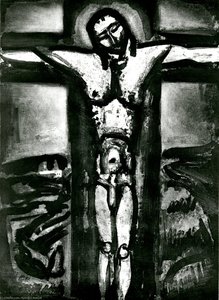
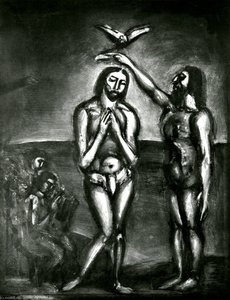
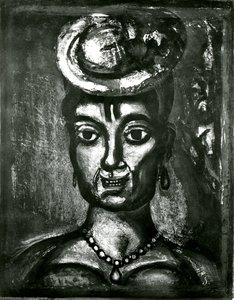
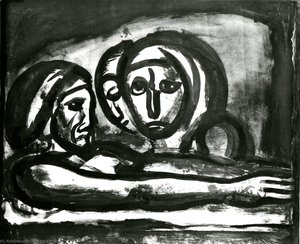
The First World War proved to be a pivotal moment for Rouault, solidifying his commitment to religious faith and deepening the moral weight of his art. He largely withdrew from public exhibitions during this period, dedicating himself to intensely personal projects like the *Miserere* series – a monumental cycle of etchings depicting scenes of human suffering inspired by the Psalms. These works, created over more than a decade, are arguably his most powerful and enduring achievement. The plates themselves were reworked repeatedly, reflecting Rouault’s relentless pursuit of emotional truth and spiritual understanding. He wasn't interested in mere representation; he sought to capture the raw essence of human experience – the anguish, the despair, but also the glimmer of hope that persists even in the darkest corners of existence. Beyond *Miserere*, his paintings continued to explore similar themes, often featuring figures isolated and burdened by their circumstances, yet imbued with a quiet dignity. His depictions of clowns, for example, weren’t simply comedic; they were tragic figures embodying the absurdity and loneliness of life.Legacy of Passion and Spiritual Resonance
Georges Rouault's artistic legacy extends far beyond his technical innovations or stylistic affiliations. He was a profoundly spiritual artist who used his craft as a means of moral inquiry and empathetic connection. His work challenged conventional notions of beauty, embracing ugliness and suffering as integral aspects of the human experience. He rejected the purely decorative in favor of art that confronted viewers with uncomfortable truths about themselves and their society. In later life, he received commissions for religious works, including designs for Sergei Diaghilev’s ballet *The Prodigal Son*, further cementing his reputation as a uniquely devout artist. A curious and perhaps tragic footnote to his career is the fact that, late in life, Rouault destroyed approximately 300 of his paintings – an act driven by self-criticism and a relentless pursuit of artistic perfection. This dramatic gesture underscores the intensity of his creative process and his unwavering commitment to expressing his inner vision. Rouault died in Paris in 1958, leaving behind a body of work that continues to resonate with audiences today—a testament to the enduring power of art born from compassion, faith, and an unflinching gaze upon the complexities of the human heart. His paintings are not merely images; they are windows into the soul.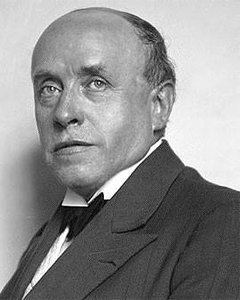
Georges Rouault
1871 - 1958 , France
Quick Facts
- Artistic Movement Or Style: Expressionism, Fauvism
- Artists Or Movements Influenced By This Artist: ['Expressionist painters']
- Artists Who Influenced This Artist:
- Gustave Moreau
- Vincent van Gogh
- Date Of Birth: May 27, 1871
- Date Of Death: February 13, 1958
- Full Name: Georges Henri Rouault
- Nationality: French
- Notable Artworks:
- The Way to Calvary
- End of Autumn 1
- The Minx
- Pere Ubu Singer
- Place Of Birth: Paris, France
Related Articles
Gray Masterpieces: 10 Iconic Paintings & The Power of Subtle Light |
Explore 10 iconic paintings where light gray reigns supreme! From Monet's Impressionism to Hopper’s realism, discover the stories & subtle power of these masterpieces. Find museum-quality art reproductions at .
Dark Gray Masterpieces: 10 Iconic Paintings & Timeless Home Decor Ideas
Explore 10 iconic paintings dominated by dark gray tones, from Rembrandt & Caravaggio to Goya. Discover the stories behind these masterpieces and find museum-quality art reproductions for your home at . Explore the full collection online.
Payne's Gray Masterpieces: 10 Iconic Paintings & Timeless Decor Ideas
Explore 10 iconic paintings dominated by 'Payne's Gray', from Rembrandt to Whistler. Discover the stories behind these atmospheric masterpieces & find museum-quality reproductions for your home decor at ArtsDot.com. Explore the full collection online.
Beyond Flatness: A Trend Forecast on the Sculptural Allure of Plaster and Textured Wall Art
Elevate your next project with the rising trend of sculptural textures. Our expert guide explores the allure of plaster relief and impasto art, offering professional decorators trend-driven insights to bring depth, shadow, and a tactile soul to any modern interior space.
Egon Schiele's Masterpieces: 25 Paintings That Define Expressionism | ArtsDot
Delve into the haunting world of Egon Schiele with our curated selection of his 25 most iconic Expressionist paintings. Explore the artist's life, technique & emotional depth. Find museum-quality Schiele reproductions and elevate your home decor on ArtsDot.com.