 Preview
 Send
Send Share
Share
 Details

 Download
 Similars
 X-Ray
X-Ray Diaporama
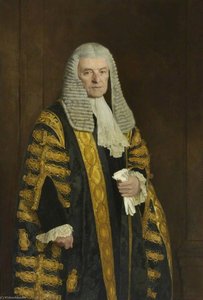
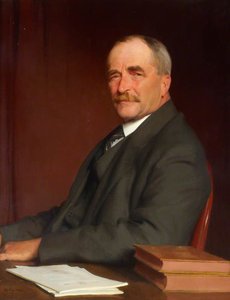
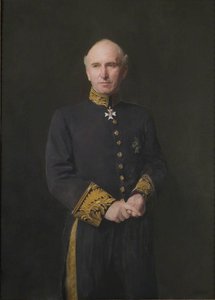
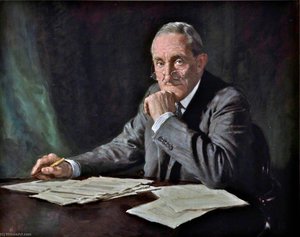
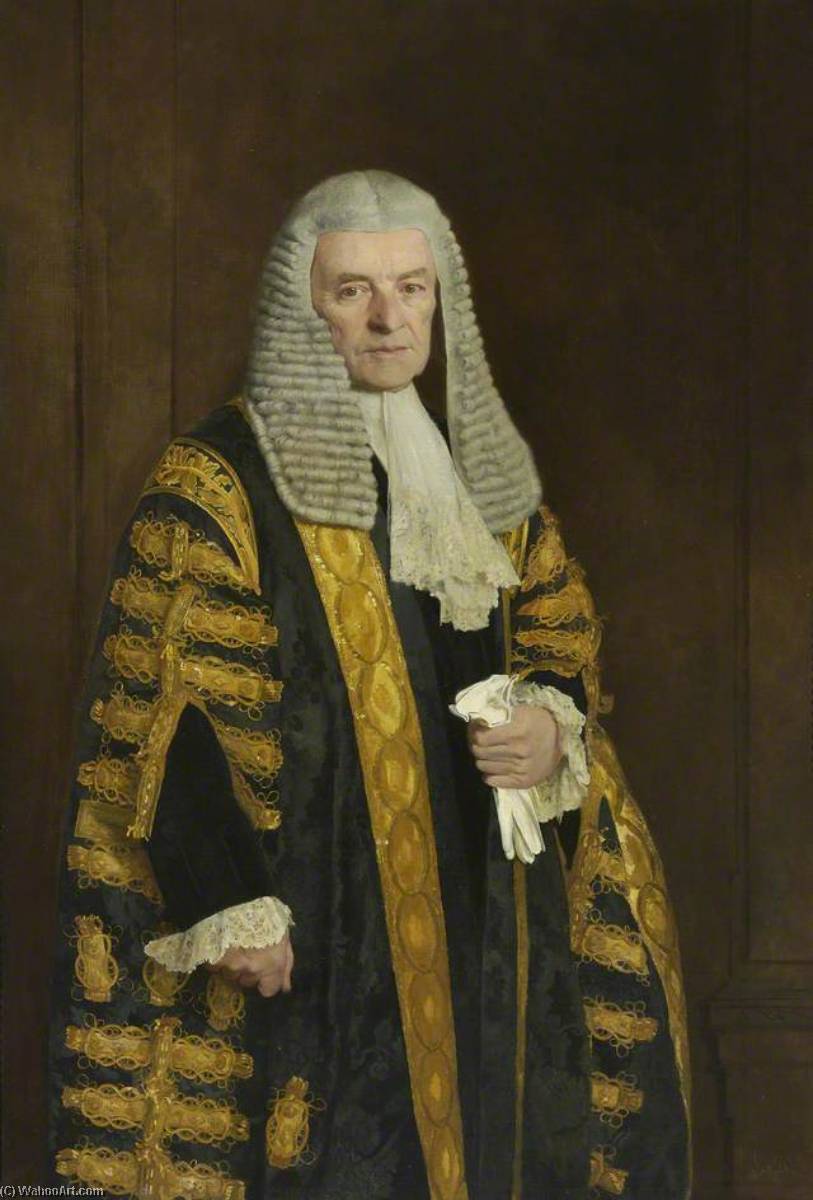
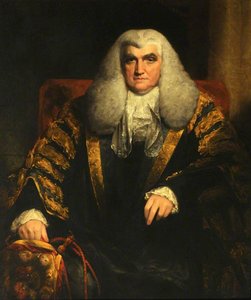
Frederick Herbert Maugham (1866–1958), PC, Lord Chancellor (1938)
 Oil On Canvas
- WallArt
- Contemporary Realism
 19th Century
 135.0 x 87.0 cm
 Trinity Hall
 Read More
Giclée / Art Print
Museum-quality giclée or canvas print with fast production and flexible finish options. ( Buy Hand Made Painting Buy Image)




P118B $10

P118H $10

P118W $10

P438Z $10

P508JH $12

P508YH $12

P805H $10

P805Z $10

P919BZ $10

P919G $10

P919XJ $10

P959ZH $10

P968JZ $12

W106C $8

W218G $10

W218JH $8

W218Y $10

W307PJ $10

W316G $10

W316PJ $8

W316Y $10

W398PJ $8

W4111J $10

W500HY $15

W500JH $15

W692G $12

W849H $8

W940BG $15

W953PJ $8




Pick from our preset sizes that match the artwork's original proportions.

You may enter your own dimensions to fit a specific frame or space. If your selected size does not match the original image's proportions, we will either crop the artwork or extend the image with a mirrored or solid-fill edge. A digital mockup will be sent for your approval before production begins.
Please note that the on-screen preview does not reflect the actual cropping or extension. Only the mockup will accurately show the final composition.
While custom sizes are available, we recommend selecting a dimension from the predefined list to preserve the original proportions.
Worldwide Delivery () in 2 weeks instead of standard 4/5 weeks. (24 August)

Free Worldwide Express Shipping

High-Quality Linen Canvas

Full Shipping Insurance

Customs Tax Refund Guarantee

True Color Matching Guarantee

60-Day Return Policy (Defects Only)

100% Money-Back Guarantee

Bulk Discount Offer
 Glass option is only available in size under 110 CM

Frederick Herbert Maugham (1866–1958), PC, Lord Chancellor (1938)
Giclée / Art Print
Reproduction Size
-


Total Price
$ 63
Collectible Description
A Portrait of Authority: Gerald Kelly’s Maugham
Gerald Festus Kelly's portrait of Frederick Herbert Maugham, Lord Chancellor in 1938, is more than simply a likeness; it’s a meticulously crafted distillation of power, dignity, and the quiet gravitas of legal leadership. Painted during a period of significant social and political change in Britain – a nation navigating the complexities of the interwar years – this work offers a fascinating glimpse into the world of high politics and the subtle artistry with which Kelly captured his subject’s essence. The painting, measuring 135 x 87 cm, immediately commands attention with its formal composition and rich palette, hallmarks of the artist's distinctive style.
Kelly, a master portraitist known for his elegant depictions of society figures and royal commissions, was deeply influenced by James McNeill Whistler’s emphasis on line and tonal harmony. This influence is evident in the painting’s careful delineation of Maugham’s attire – the deep robes signifying his office, the precise folds of the fabric rendered with painstaking detail, and the subtle shading that lends volume and realism to the figure. The use of a one-point perspective draws the viewer's eye directly into the subject’s face, creating an immediate connection and emphasizing his presence within the frame. The overall effect is one of controlled formality, reflecting Maugham’s role as a key figure in the British legal system.
Technical Mastery and Artistic Detail
Executed in oil on canvas, Kelly's technique demonstrates remarkable control and precision. The artist skillfully employs layering and blending to achieve smooth transitions between light and shadow, creating a sense of depth and texture that is both visually engaging and remarkably realistic. Note the delicate rendering of Maugham’s wrinkles – not merely as blemishes but as markers of experience and wisdom. The meticulous attention to detail extends to the subject's hands, resting calmly on his lap, conveying an air of composure and authority. The subtle use of color—deep blues, browns, and greys—contributes to the painting’s subdued yet dignified atmosphere.
Further analysis reveals a sophisticated understanding of materials. The canvas support is clearly visible in places, adding to the sense of authenticity and grounding the portrait in its time. The pigments are blended seamlessly, creating a rich and luminous surface that seems to glow with an inner light. Kelly’s mastery of brushwork is evident in every stroke, demonstrating his dedication to capturing not just the appearance but also the character of his subject.
Symbolism and Historical Context
Beyond its technical brilliance, the portrait is laden with symbolic meaning. The robes and wig are instantly recognizable emblems of the legal profession, underscoring Maugham’s position as Lord Chancellor – a role responsible for overseeing the administration of justice in England and Wales. The gloves further reinforce this sense of formality and status. Considering the period, 1938, when Britain stood on the precipice of war, the portrait speaks to a time of stability and established order, albeit one facing increasing uncertainty.
Interestingly, Kelly’s own biography reveals a fascination with diverse cultures – from Burma to Spain – which is reflected in his broader artistic output. His travels undoubtedly informed his understanding of human character and contributed to the nuanced portrayal of Maugham's personality. The painting serves as a testament to Kelly’s ability to capture not just a physical likeness but also the inner life of his subject, offering a compelling portrait of both a prominent legal figure and a man of considerable intellect.
A Timeless Reproduction
ArtsDot is proud to offer a meticulously crafted hand-painted reproduction of Gerald Kelly’s “Frederick Herbert Maugham (1866–1958), PC, Lord Chancellor (1938).” This faithful recreation captures the essence of the original painting, allowing you to experience its beauty and historical significance in your own home or office. Whether you are an art enthusiast, a collector, or simply seeking a striking piece of decorative art, this reproduction provides an exceptional opportunity to own a work that embodies both artistic skill and historical resonance. Admire Gerald Festus Kelly’s portrait of Lord Chancellor Maugham – a meticulously detailed 1938 oil painting showcasing formal elegance & legal authority.
Related Artworks

Artist Biography
Sir Gerald Festus Kelly: A Portraitist of His Time
Sir Gerald Festus Kelly (1879-1972) stands as a significant figure in 20th-century British art, primarily recognized for his elegant and discerning portraits. More than simply capturing likenesses, Kelly’s work offered glimpses into the social fabric of his era, reflecting the personalities and intellectual currents of a vibrant artistic milieu. Born in London to a family steeped in publishing history – his grandfather founded Kelly's Directories – he initially eschewed formal training, embarking on an independent artistic journey that led him to Paris, where he honed his skills under the influence of masters like James McNeill Whistler. This early exposure shaped his meticulous technique and appreciation for line, characteristics that would define his distinctive style.
Kelly’s travels profoundly impacted his artistic vision. Visits to Spain, America, South Africa, and crucially, Burma, ignited a fascination with exotic cultures, particularly the captivating dances of Burmese women. These experiences resulted in a series of evocative paintings that moved beyond mere representation, capturing the grace, dignity, and spiritual depth of these performers – works that remain among his most celebrated achievements.
Early Life & Artistic Foundations
Gerald Festus Kelly’s early life was marked by an unusual blend of privilege and unconventionality. Educated at Eton College and Trinity Hall, Cambridge, he deliberately chose a path outside the traditional academic route, opting instead to immerse himself in the artistic world of Paris. This decision proved pivotal, providing him with invaluable experience and exposure to the latest trends in European art. His family background, however, offered a unique perspective – his father, Frederic Festus Kelly, was a high-ranking official within the British Post Office, and his grandfather, also named Frederic Festus Kelly, had established the influential publishing house, Kelly’s Directories Ltd., a legacy that subtly informed his own career trajectory.
The influence of Whistler is particularly noteworthy. Kelly deeply admired Whistler's emphasis on formal structure and tonal harmony, adopting these principles into his own work. This admiration extended beyond mere stylistic imitation; it reflected a shared belief in the power of art to transcend mere representation and engage with fundamental aesthetic concerns.
A Career Defined by Portraits & Royal Patronage
Kelly’s career truly blossomed in the 1920s, establishing him as one of Britain's foremost portrait painters. He cultivated a network of influential sitters – T.S. Eliot, Ralph Vaughan Williams, and Somerset Maugham among them – each encounter resulting in a unique and insightful portrayal. Maugham, a lifelong friend, even dedicated his novel *Ashenden* to Kelly, acknowledging the artist’s profound impact on his life and work. The portraits of Maugham are particularly notable for their subtle psychological depth, capturing not just the outward appearance but also the character and intellect of the sitter.
His ability to secure royal commissions further elevated his status. He painted numerous members of the Royal Family, including depictions of Princess Sao Ohn Nyunt, a Burmese princess whose captivating beauty and grace inspired a series of stunning works that achieved widespread acclaim. These portraits were reproduced as posters, selling over 50,000 copies and cementing Kelly’s reputation as a master of his craft.
Recognition & Legacy
Kelly's artistic achievements were formally recognized through election to the Royal Academy in 1930, a testament to his skill and standing within the British art world. He served as Keeper of the RA from 1943-45 and later as President from 1949-54, roles that underscored his leadership and influence. Knighted in 1945 for his services to the arts, he continued to exhibit and create throughout his long career, demonstrating an unwavering commitment to his craft until his death in Exmouth in 1972.
Today, Kelly’s work is represented in numerous public collections, including the Tate Gallery, a testament to the enduring quality of his portraits and landscapes. His legacy extends beyond individual paintings; he embodies a particular era of British art – one characterized by elegance, intellectual curiosity, and a deep engagement with the social and cultural landscape of his time.
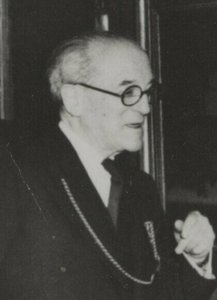
gerald festus kelly
1879 - 1972 , United Kingdom
Quick Facts
- Artistic Movement Or Style: Portraiture
- Artists Or Movements Influenced By This Artist: ['Maugham']
- Artists Who Influenced This Artist: ['James Whistler']
- Date Of Birth: April 9, 1879
- Date Of Death: January 5, 1972
- Full Name: Gerald Festus Kelly
- Nationality: British
- Notable Artworks:
- Jane series
- Burmese dancers
- Place Of Birth: London, United Kingdom
Related Articles

The Enduring Legacy of Oil on Canvas: Technique, History & Aesthetic Impact
Explore the rich history & techniques of oil painting – from Renaissance masters to Impressionism. Discover pigments, layering methods, and why this timeless medium endures. Expert insights for artists & art enthusiasts.

Oil on Canvas: A Historical & Technical Exploration of a Timeless Artistic Medium
Explore the rich history & enduring techniques of oil painting on canvas. Discover the science behind its longevity, conservation practices, and contemporary relevance. Expert insights for art enthusiasts.

The Enduring Power of Painting: A Historical & Contemporary Exploration of Form and Emotion
Explore the rich history & enduring techniques of oil painting with ArtsDot. Discover masterpieces, learn about art collecting, and find authentic handmade reproductions crafted by skilled artists.

The Enduring Legacy of Oil on Canvas: Technique, History & Contemporary Practice
Explore the rich history & enduring techniques of oil painting on canvas. Discover the science behind its longevity, conservation practices, and contemporary relevance. Expert insights for art enthusiasts.
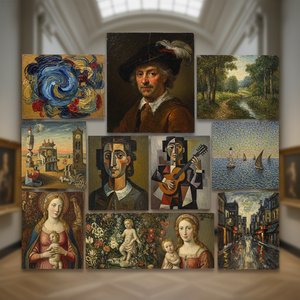
Oil on Board Masters: 10 Paintings That Redefined Art | ArtsDot
Explore 10 legendary 'Oil on Board' masterpieces by Van Gogh, Monet & more! Discover art history, iconic styles like Impressionism, and find museum-quality reproductions to elevate your home decor. Explore the full collection online at ArtsDot.com.