 Preview
 Send
Send Share
Share
 Details

 Download
 Similars
 X-Ray
X-Ray Diaporama
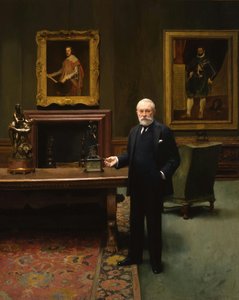
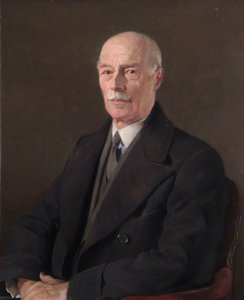
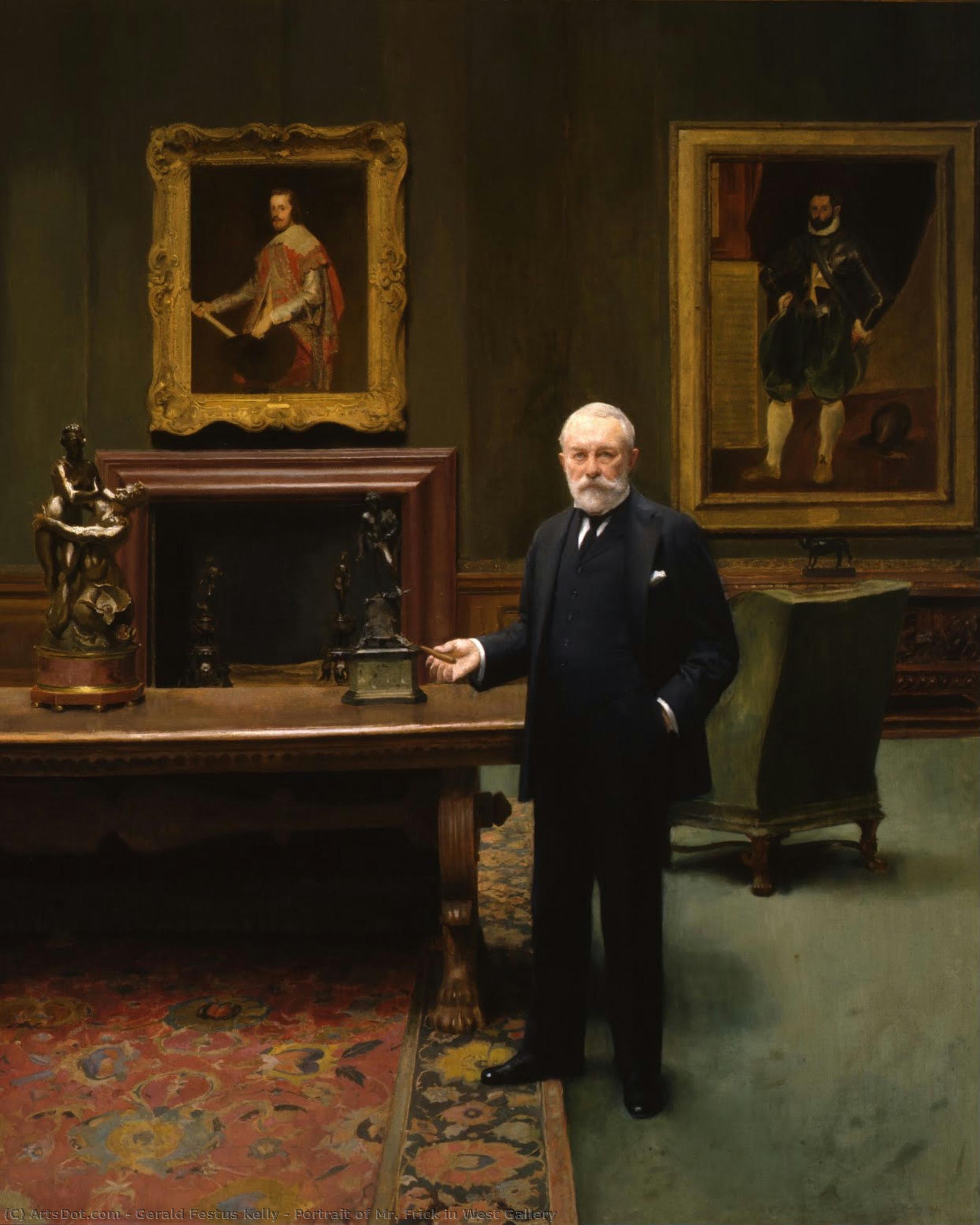
Portrait of Mr. Frick in West Gallery


 Read More
Giclée / Art Print
Museum-quality giclée or canvas print with fast production and flexible finish options. ( Buy Hand Made Painting Buy Image)




P118B $10

P118H $10

P118W $10

P438Z $10

P508JH $12

P508YH $12

P805H $10

P805Z $10

P919BZ $10

P919G $10

P919XJ $10

P959ZH $10

P968JZ $12

W106C $8

W218G $10

W218JH $8

W218Y $10

W307PJ $10

W316G $10

W316PJ $8

W316Y $10

W398PJ $8

W4111J $10

W500HY $15

W500JH $15

W692G $12

W849H $8

W940BG $15

W953PJ $8




Pick from our preset sizes that match the artwork's original proportions.

You may enter your own dimensions to fit a specific frame or space. If your selected size does not match the original image's proportions, we will either crop the artwork or extend the image with a mirrored or solid-fill edge. A digital mockup will be sent for your approval before production begins.
Please note that the on-screen preview does not reflect the actual cropping or extension. Only the mockup will accurately show the final composition.
While custom sizes are available, we recommend selecting a dimension from the predefined list to preserve the original proportions.
Worldwide Delivery () in 2 weeks instead of standard 4/5 weeks. (6 September)

Free Worldwide Express Shipping

High-Quality Linen Canvas

Full Shipping Insurance

Customs Tax Refund Guarantee

True Color Matching Guarantee

60-Day Return Policy (Defects Only)

100% Money-Back Guarantee

Bulk Discount Offer
 Glass option is only available in size under 110 CM

Portrait of Mr. Frick in West Gallery
Giclée / Art Print
Reproduction Size
-


Total Price
$ 63
A Window Into Elegance: Exploring Gerald Festus Kelly’s Portrait of Mr. Frick
The West Gallery of Henry Clay Frick’s East 70th Street mansion stands as a testament to a singular ambition – the meticulous curation of an art collection that reflected not merely taste, but intellectual engagement with the glories of European history and artistic innovation. And at the heart of this gallery resided Gerald Festus Kelly’s “Portrait of Mr. Frick,” a painting that transcends mere likeness, offering instead a richly layered portrait of its subject and the broader cultural landscape of the early 20th century. Completed shortly after Frick's death in 1919, it captures him not as a grieving patriarch, but as a man imbued with quiet dignity amidst surroundings designed to stimulate contemplation.- Style & Technique: Kelly’s approach was characterized by an unwavering commitment to tonal subtlety and precise delineation of form—a hallmark of Whistlerian influence. He eschewed bold brushstrokes in favor of meticulously blended pigments, achieving a velvety surface texture that conveyed both realism and an inherent sense of restraint. The artist skillfully employed chiaroscuro – the dramatic interplay between light and shadow – to sculpt Frick’s figure and imbue the composition with depth and atmosphere.
- Historical Context: Painted during the Jazz Age, “Portrait of Mr. Frick” reflects the prevailing mood of optimism and cultural ferment that characterized American society at the time. However, it's equally important to consider Frick’s own role as a collector—a figure who actively sought out masterpieces from across Europe, mirroring the broader trend toward transatlantic exchange in artistic sensibilities.
The Ensemble: Composition and Symbolism
Kelly didn’t operate in isolation; he deliberately arranged “Portrait of Mr. Frick” within a carefully conceived tableau that spoke to his profound understanding of art historical tradition. The inclusion of Velázquez’s “King Philip IV” and El Greco’s “Vincenzo Anastagi”—both Renaissance titans—established a dialogue between past and present, demonstrating Kelly's awareness of the enduring influence of artistic masters on subsequent generations. These paintings served as anchors for Frick’s gaze, directing his attention outwards toward the broader intellectual currents shaping his world.- Symbolism: The backdrop—a meticulously crafted assemblage of bronzes sourced from the Morgan Collection—was itself laden with symbolic significance. Bronzes represented permanence and solidity, mirroring Frick’s desire to create a legacy that would endure beyond his own lifetime. Furthermore, the positioning of the paintings behind Frick subtly conveyed an idea of erudition and connoisseurship – suggesting that he possessed not only wealth but also a deep appreciation for beauty and intellectual achievement.
Emotional Resonance: Capturing Character Through Line and Tone
Ultimately, Kelly’s success lay in his ability to convey Frick's character—his quiet confidence and contemplative spirit—through nuanced tonal variations and precise lines. The artist captured not just the physical appearance of his subject but also something deeper – an inner life informed by intellectual curiosity and a profound engagement with art history. This understated elegance is palpable in every brushstroke, inviting viewers to contemplate the complexities of human experience within the framework of artistic tradition.- Legacy: “Portrait of Mr. Frick” remains on view at The Frick Collection today, continuing to inspire admiration for Kelly’s artistry and offering a captivating glimpse into the aesthetic sensibilities of a bygone era. It stands as an enduring emblem of refined taste and intellectual engagement—a testament to Kelly's ability to transform pigment and canvas into a window onto the soul.
Related Artworks
Artist Biography
Sir Gerald Festus Kelly: A Portraitist of His Time
Sir Gerald Festus Kelly (1879-1972) stands as a significant figure in 20th-century British art, primarily recognized for his elegant and discerning portraits. More than simply capturing likenesses, Kelly’s work offered glimpses into the social fabric of his era, reflecting the personalities and intellectual currents of a vibrant artistic milieu. Born in London to a family steeped in publishing history – his grandfather founded Kelly's Directories – he initially eschewed formal training, embarking on an independent artistic journey that led him to Paris, where he honed his skills under the influence of masters like James McNeill Whistler. This early exposure shaped his meticulous technique and appreciation for line, characteristics that would define his distinctive style.
Kelly’s travels profoundly impacted his artistic vision. Visits to Spain, America, South Africa, and crucially, Burma, ignited a fascination with exotic cultures, particularly the captivating dances of Burmese women. These experiences resulted in a series of evocative paintings that moved beyond mere representation, capturing the grace, dignity, and spiritual depth of these performers – works that remain among his most celebrated achievements.
Early Life & Artistic Foundations
Gerald Festus Kelly’s early life was marked by an unusual blend of privilege and unconventionality. Educated at Eton College and Trinity Hall, Cambridge, he deliberately chose a path outside the traditional academic route, opting instead to immerse himself in the artistic world of Paris. This decision proved pivotal, providing him with invaluable experience and exposure to the latest trends in European art. His family background, however, offered a unique perspective – his father, Frederic Festus Kelly, was a high-ranking official within the British Post Office, and his grandfather, also named Frederic Festus Kelly, had established the influential publishing house, Kelly’s Directories Ltd., a legacy that subtly informed his own career trajectory.
The influence of Whistler is particularly noteworthy. Kelly deeply admired Whistler's emphasis on formal structure and tonal harmony, adopting these principles into his own work. This admiration extended beyond mere stylistic imitation; it reflected a shared belief in the power of art to transcend mere representation and engage with fundamental aesthetic concerns.
A Career Defined by Portraits & Royal Patronage
Kelly’s career truly blossomed in the 1920s, establishing him as one of Britain's foremost portrait painters. He cultivated a network of influential sitters – T.S. Eliot, Ralph Vaughan Williams, and Somerset Maugham among them – each encounter resulting in a unique and insightful portrayal. Maugham, a lifelong friend, even dedicated his novel *Ashenden* to Kelly, acknowledging the artist’s profound impact on his life and work. The portraits of Maugham are particularly notable for their subtle psychological depth, capturing not just the outward appearance but also the character and intellect of the sitter.
His ability to secure royal commissions further elevated his status. He painted numerous members of the Royal Family, including depictions of Princess Sao Ohn Nyunt, a Burmese princess whose captivating beauty and grace inspired a series of stunning works that achieved widespread acclaim. These portraits were reproduced as posters, selling over 50,000 copies and cementing Kelly’s reputation as a master of his craft.
Recognition & Legacy
Kelly's artistic achievements were formally recognized through election to the Royal Academy in 1930, a testament to his skill and standing within the British art world. He served as Keeper of the RA from 1943-45 and later as President from 1949-54, roles that underscored his leadership and influence. Knighted in 1945 for his services to the arts, he continued to exhibit and create throughout his long career, demonstrating an unwavering commitment to his craft until his death in Exmouth in 1972.
Today, Kelly’s work is represented in numerous public collections, including the Tate Gallery, a testament to the enduring quality of his portraits and landscapes. His legacy extends beyond individual paintings; he embodies a particular era of British art – one characterized by elegance, intellectual curiosity, and a deep engagement with the social and cultural landscape of his time.
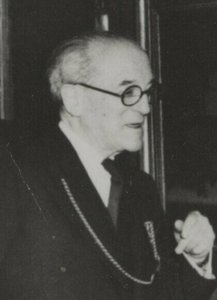
gerald festus kelly
1879 - 1972 , United Kingdom
Quick Facts
- Artistic Movement Or Style: Portraiture
- Artists Or Movements Influenced By This Artist: ['Maugham']
- Artists Who Influenced This Artist: ['James Whistler']
- Date Of Birth: April 9, 1879
- Date Of Death: January 5, 1972
- Full Name: Gerald Festus Kelly
- Nationality: British
- Notable Artworks:
- Jane series
- Burmese dancers
- Place Of Birth: London, United Kingdom
Related Articles
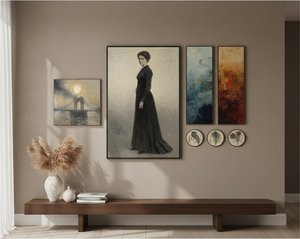
Whistler's Masterpieces: Explore 25 Iconic Paintings & Aesthetic Art for Your Home
Journey through 25 iconic James Abbott McNeill Whistler paintings! Explore his masterpieces of Aestheticism, from 'Nocturne in Black and Gold' to captivating portraits. Find museum-quality art reproductions & elevate your home decor with ArtsDot.com. Discover the full collection online.
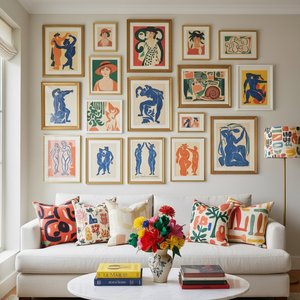
Henri Matisse's Masterpieces: Explore 25 Iconic Paintings & Art Decor Ideas
Journey through Henri Matisse's 25 most iconic paintings! Explore Fauvism, vibrant colors & the stories behind masterpieces like 'The Dance'. Find museum-quality art reproductions and curated decor ideas to elevate your space. Discover all masterpieces on ArtsDot.com.

The Golden Age Reforged: Dramatic Realism & Religious Zeal in Spanish Baroque Art
Explore the dramatic world of Spanish Baroque art! Discover masters like Zurbarán & the powerful influence of religious zeal on painting techniques – a guide for collectors and enthusiasts.

Sir Alfred Munnings' Masterpieces: 25 Paintings That Define Equine Art | ArtsDot
Explore 25 iconic Sir Alfred Munnings paintings! Discover the beauty of British Impressionism, equine art & rural England. Find museum-quality reproductions and elevate your home decor with ArtsDot. Explore the full collection online.

The Dramatic Flourish: Exploring the Baroque Movement's Enduring Legacy in Art History
Explore the dramatic world of Baroque art! Discover iconic artists like Caravaggio & Rubens, defining techniques, and its lasting impact on art history. Expert insights for collectors & enthusiasts at ArtsDot.