 Preview
 Send
Send Share
Share
 Details

 Download
 Similars
 X-Ray
X-Ray Diaporama
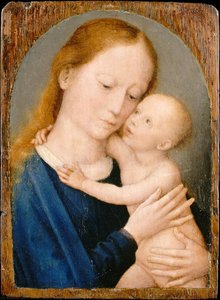
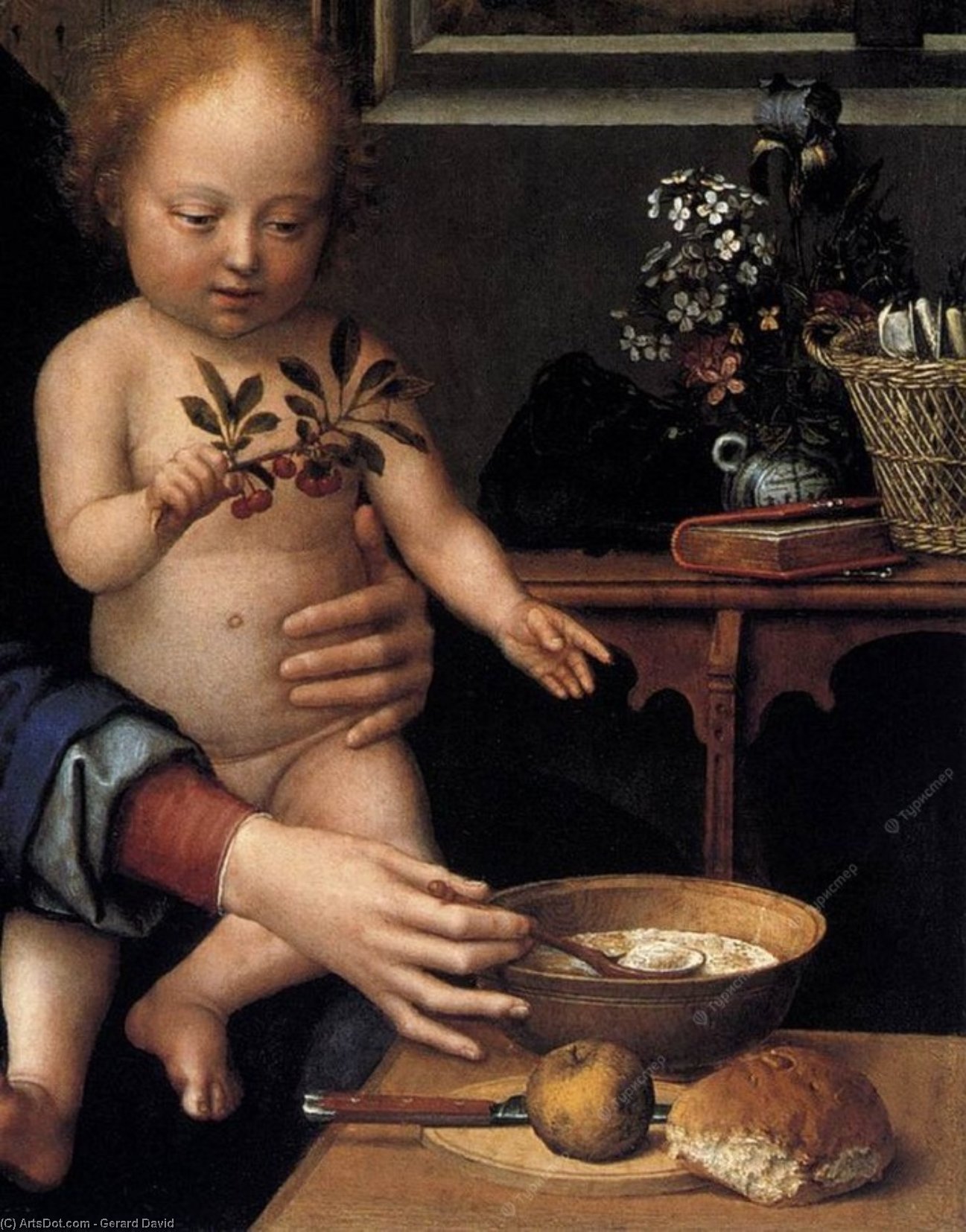
Virgin and Child with the Milk Soup (detail)


 Read More
Hand Made Oil Reproduction
Hand-painted oil on canvas in your size and frame, made to order by our artists. ( Buy Print Buy Image)




P118B $10

P118H $10

P118W $10

P438Z $10

P508JH $12

P508YH $12

P805H $10

P805Z $10

P919BZ $10

P919G $10

P919XJ $10

P959ZH $10

P968JZ $12

W106C $8

W218G $10

W218JH $8

W218Y $10

W307PJ $10

W316G $10

W316PJ $8

W316Y $10

W398PJ $8

W4111J $10

W500HY $15

W500JH $15

W692G $12

W849H $8

W940BG $15

W953PJ $8




Pick from our preset sizes that match the artwork's original proportions.

You may enter your own dimensions to fit a specific frame or space. If your selected size does not match the original image's proportions, we will either crop the artwork or extend the painting with additional hand-painted elements. A digital mockup will be sent for your approval before production begins.
Please note that the on-screen preview does not reflect the actual cropping or extension. Only the mockup will accurately show the final composition.
While custom sizes are available, we recommend selecting a dimension from the predefined list to preserve the original proportions.
After order, ArtsDot.com team will email client for instructions and provide a mockup preview
Worldwide Delivery () in 3/4 weeks instead of standard 5 weeks. (16 August). No compromise on quality.

Free Worldwide Express Shipping

High-Quality Linen Canvas

Full Shipping Insurance

Customs Tax Refund Guarantee

True Color Matching Guarantee

60-Day Return Policy (Defects Only)

100% Money-Back Guarantee

Bulk Discount Offer
 Glass option is only available in size under 110 CM

Virgin and Child with the Milk Soup (detail)
Reproduction Medium
Reproduction Size
-


Total Price
$ 263
Artwork Description
A Moment of Maternal Grace: Examining Gerard David’s ‘Virgin and Child with the Milk Soup’
Gerard David, a figure shrouded in artistic enigma, stands as one of the foremost masters of Early Netherlandish painting—a movement characterized by luminous color palettes and profound psychological depth. Born around 1460 in Oudewater, Netherlands, his life remains largely undocumented, leaving us to glean knowledge primarily from the eloquent testimony of his surviving artworks. Remarkably successful in managing workshops in Antwerp and Bruges – cities pulsating with artistic fervor during the Renaissance – David’s reputation experienced a period of decline in the 17th century before being resurrected by astute art historians who recognized his singular contribution to Northern European painting traditions. His induction as a free master into the Corporation of Imagemakers and Saddlers in Bruges in 1484 solidified his position within the artistic elite of his time, marking an early milestone in his illustrious career.The Painting’s Composition: A Study in Domestic Tranquility
“Virgin and Child with the Milk Soup,” created circa 1515, exemplifies David's masterful command of visual storytelling. The scene depicts Mary cradling her infant son Jesus, bathed in a soft, diffused light—a hallmark of Flemish painting’s distinctive aesthetic. Before them rests a simple wooden table adorned with two bowls: one filled with nourishing milk soup for the child and another containing luscious apples – symbols of fertility and abundance prevalent in Renaissance iconography. A single chair sits quietly in the background, grounding the composition and emphasizing the intimacy of the familial tableau. The artist’s meticulous attention to detail extends beyond mere representation; every element contributes to an overarching atmosphere of serene devotion and maternal tenderness.Technique and Style: Flemish Light at Its Finest
David employed a technique rooted in oil paint on panel, utilizing glazing—a layering process that builds up translucent color layers—to achieve unparalleled luminosity and depth. This masterful manipulation of light is central to David’s artistic vision, mirroring the influence of Italian Renaissance artists like Piero della Francesca who championed similar approaches. The painting's surface possesses a velvety smoothness achieved through careful sanding and polishing, further enhancing its visual impact. Furthermore, David skillfully incorporated elements of Gothic art—particularly in the drapery folds—demonstrating his artistic versatility and acknowledging the enduring legacy of preceding stylistic conventions.Symbolism: Nourishment, Innocence, and Divine Protection
Beyond its aesthetic beauty, “Virgin and Child with the Milk Soup” resonates with profound symbolic meaning. The milk soup itself represents sustenance—both physical and spiritual—nourishing Jesus’s body and soul as he grows into manhood. Apples symbolize fertility and prosperity, reflecting Mary's role as protector of the family and foreshadowing Christ’s future triumph over evil. The positioning of the figures within a walled garden evokes biblical narratives concerning Edenic paradise – highlighting themes of purity, innocence, and divine grace.Emotional Impact: A Window into Early Renaissance Spirituality
David's depiction transcends mere visual representation; it communicates an emotional core—a palpable sense of maternal love and unwavering faith. The painting invites contemplation on the sanctity of family life and the transformative power of spiritual devotion. Its quiet grandeur speaks to a humanist sensibility that sought to capture the essence of human experience within the framework of Christian belief, cementing David’s place as one of the most influential artists of his era. Reproductions of this iconic panel offer an opportunity to appreciate the sublime artistry of Gerard David and immerse oneself in the contemplative spirit of Early Renaissance Europe.Related Artworks
Artist Biography
A Master of Flemish Light: The Enigmatic World of Gerard David
Gerard David, a name that resonates with the brilliance of early Netherlandish painting, remains an artist shrouded in intriguing mystery. Born around 1460 in Oudewater, Netherlands, his life story is pieced together from fragmented archival records and the eloquent testimony of his art. Unlike some contemporaries whose lives are richly documented, David’s personal narrative is sparse, allowing his paintings to speak volumes where biographical details fall silent. What is known suggests a remarkably successful career, likely managing workshops in both Antwerp and Bruges – centers of artistic innovation during the Renaissance. His reputation experienced an ebb in the 17th century, only to be gloriously resurrected by 19th-century art historians who recognized his unique contributions to the Northern Renaissance. He was inducted as a free master into the Corporation of Imagemakers and Saddlers in Bruges in 1484, marking a pivotal moment in his ascent. His later involvement with the Antwerp guild in 1515 further solidifies his standing within the artistic community.Formative Influences and Artistic Development
David’s artistic journey began under influences that shaped the very foundation of his style. Early works reveal a clear debt to painters like Jacob Janszoon, Dieric Bouts, and Geertgen tot Sint Jans – masters who instilled in him a meticulous attention to detail and a sensitivity to religious narrative. It is believed he spent time in Haarlem absorbing these lessons before relocating to Bruges, a vibrant hub of artistic exchange attracting talent from across Europe. Here, David encountered the masterpieces of Jan van Eyck, Rogier van der Weyden, and Hans Memling, absorbing their techniques while forging his own distinct path. He didn't merely imitate; he synthesized these influences into something uniquely his own – a style characterized by luminous color, serene compositions, and an increasingly sophisticated understanding of landscape. His early paintings demonstrate this evolution, moving from the doll-like figures reminiscent of Haarlem traditions towards more sculptural forms grounded in their environment. This transition is visible in works like *Christ Nailed to the Cross*, where the influence of Bouts’ spatial construction blends with David's emerging coloristic sensibility.Innovation in Landscape and Religious Narrative
Gerard David’s artistic signature lies in his innovative approach to both landscape and religious subject matter. He wasn't simply depicting backgrounds; he was creating immersive environments that enhanced the emotional resonance of his scenes. His landscapes are not merely decorative, but integral components of the narrative, often imbued with symbolic meaning. This fascination with natural settings – dense forests, rolling hills, expansive skies – set him apart from many of his contemporaries and foreshadowed the development of landscape painting as an independent genre. Consider *View in a Forest*, outer wing of a triptych; it’s not simply a backdrop but a world unto itself, rendered with meticulous detail and atmospheric perspective. Within his religious works, David demonstrated a remarkable ability to convey both profound spirituality and human emotion. Paintings like *The Marriage of St. Catherine* exemplify this skill. The scene is rendered with exquisite detail, yet it's the subtle expressions on the figures' faces – their piety, contemplation, or gentle joy – that truly captivate the viewer. He possessed a gift for imbuing his sacred subjects with a sense of quiet dignity and relatable humanity. The *Triptych of the Madonna Enthroned and Saints* in Genoa showcases this mastery, presenting a harmonious composition filled with vibrant color and delicate detail. His *Virgin Among the Virgins*, donated to the Carmelite nuns of Sion at Bruges, is another testament to his skill, featuring a self-portrait within the painting itself – a rare and intimate gesture from an artist of his time.Legacy and Enduring Influence
Though his fame waned for a period after his death in 1523, Gerard David’s influence on subsequent generations of artists is undeniable. His innovative use of color, his masterful handling of light and shadow, and his pioneering approach to landscape all left an indelible mark on the development of Flemish painting. He paved the way for artists who would further explore the expressive potential of natural settings, such as Jacob Patinir and Jacob van Ruisdael.- A Bridge Between Traditions: David successfully bridged the gap between the late medieval tradition and the emerging Renaissance style.
- Influence on Landscape Painting: His detailed and atmospheric landscapes foreshadowed the development of landscape as a distinct genre.
- Masterful Colorist: He was renowned for his vibrant palette and skillful use of color to create emotional impact.
Exploring Further
- ArtsDot.com: Discover an extensive collection of Gerard David’s paintings, including *The Adoration of the Magi*.
- View in a Forest: Explore this stunning Northern Renaissance landscape painting.
- The Early Netherlandish Art Movement: Delve deeper into the artistic context of David’s work.
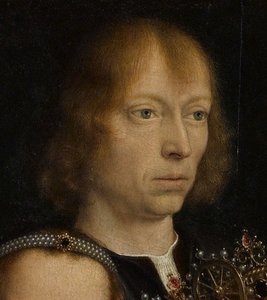
Gerard David
1450 - 1523 , Netherlands
Quick Facts
- Artistic Movement Or Style: Early Netherlandish painting
- Artists Or Movements Influenced By This Artist:
- Jacob Patinir
- Jacob van Ruisdael
- Artists Who Influenced This Artist:
- Jacob Janszoon
- Dieric Bouts
- Geertgen tot Sint Jans
- Jan van Eyck
- Rogier van der Weyden
- Hans Memling
- Date Of Birth: c. 1460
- Date Of Death: 1523
- Full Name: Gerard David
- Nationality: Netherlandish
- Notable Artworks:
- The Marriage of St. Catherine
- Triptych of the Madonna Enthroned
- Virgin Among the Virgins
- View in a Forest
- Place Of Birth: Oudewater, Netherlands
Related Articles
Fra Angelico's Masterpieces: 25 Renaissance Paintings for Your Home | ArtsDot
Explore 25 breathtaking masterpieces by Fra Angelico, a Renaissance master. Discover the stories behind his iconic frescoes, Annunciations & religious art. Find museum-quality reproductions and elevate your home decor with ArtsDot.com.

Early Netherlandish Masters: 10 Paintings That Revolutionized Art & Decor
Journey into the world of Early Netherlandish painting! Explore 10 masterpieces by Jan van Eyck, Rogier van der Weyden & more. Discover stunning detail, symbolism & Renaissance art for your home decor. Find museum-quality reproductions on ArtsDot.com
Jan Gossart: Bridging Netherlandish Realism & Renaissance Humanism – A Comprehensive Exploration
Explore the captivating world of Jan Gossart, a pivotal figure bridging Netherlandish realism & Renaissance humanism. Discover his masterpieces, patronage, and lasting influence – an essential guide for discerning art collectors.
Jacob Henricus Maris: A Master of Dutch Atmospheric Realism & the Intimate Landscape
Explore the captivating world of Jacob Henricus Maris, a leading figure of the Dutch Hague School. Discover his atmospheric landscapes, signature brushstrokes & lasting influence on 19th-century art. Learn more at ArtsDot.
Illuminating Realism: Early Netherlandish Painting (15th-16th Centuries)
Explore the captivating world of Early Netherlandish painting! Discover Jan van Eyck, Hans Memling & more. Uncover symbolism, techniques & the legacy of these Flemish masters. A comprehensive guide for art enthusiasts.