 Preview
 Send
Send Share
Share
 Details

 Download
 Similars
 X-Ray
X-Ray Diaporama
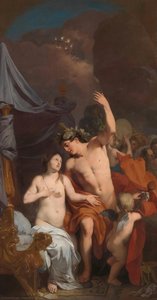
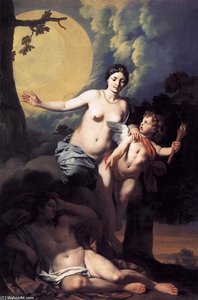
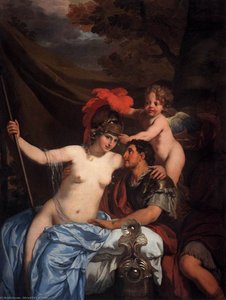
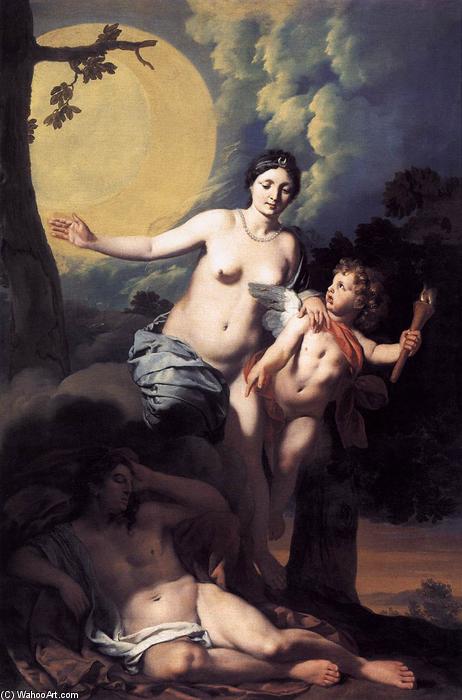
Diana and Endymion
 Oil On Canvas
- WallArt
- Baroque
 1680
1680 177.0 x 119.0 cm
 Rijksmuseum
 Read More
Hand Made Oil Reproduction
Hand-painted oil on canvas in your size and frame, made to order by our artists. ( Buy Print Buy Image)




P118B $10

P118H $10

P118W $10

P438Z $10

P508JH $12

P508YH $12

P805H $10

P805Z $10

P919BZ $10

P919G $10

P919XJ $10

P959ZH $10

P968JZ $12

W106C $8

W218G $10

W218JH $8

W218Y $10

W307PJ $10

W316G $10

W316PJ $8

W316Y $10

W398PJ $8

W4111J $10

W500HY $15

W500JH $15

W692G $12

W849H $8

W940BG $15

W953PJ $8




Pick from our preset sizes that match the artwork's original proportions.

You may enter your own dimensions to fit a specific frame or space. If your selected size does not match the original image's proportions, we will either crop the artwork or extend the painting with additional hand-painted elements. A digital mockup will be sent for your approval before production begins.
Please note that the on-screen preview does not reflect the actual cropping or extension. Only the mockup will accurately show the final composition.
While custom sizes are available, we recommend selecting a dimension from the predefined list to preserve the original proportions.
After order, ArtsDot.com team will email client for instructions and provide a mockup preview
Worldwide Delivery () in 3/4 weeks instead of standard 5 weeks. (17 August). No compromise on quality.

Free Worldwide Express Shipping

High-Quality Linen Canvas

Full Shipping Insurance

Customs Tax Refund Guarantee

True Color Matching Guarantee

60-Day Return Policy (Defects Only)

100% Money-Back Guarantee

Bulk Discount Offer
 Glass option is only available in size under 110 CM

Diana and Endymion
Reproduction Medium
Reproduction Size
-


Total Price
$ 263
Artwork Description
A Glimpse of Eternal Beauty: Gérard de Lairesse’s “Diana and Endymion”
Gérard de Lairesse's "Diana and Endymion," painted in 1680, is more than just a depiction of classical mythology; it’s an exquisite distillation of Baroque elegance, imbued with a profound sense of serenity and poignant longing. Housed within the hallowed halls of the Rijksmuseum in Amsterdam, this oil on canvas invites viewers into a private moment between the goddess Diana and her eternally youthful lover, Endymion – a scene rendered with breathtaking technical skill and an undeniable emotional resonance.
The painting immediately captivates with its masterful use of light and shadow, a hallmark of de Lairesse’s signature style. Chiaroscuro, borrowed from the dramatic techniques of Caravaggio and Rembrandt, is deployed to sculpt the figures, creating a palpable sense of volume and depth. The cool, silvery luminescence emanating from the moon dominates the composition, bathing the scene in an ethereal glow that softens the edges of the forms and lends an air of otherworldly beauty. Notice how the light delicately highlights Diana’s flowing gown and the contours of Endymion's reclining form, drawing our eye to their intimate connection.
A Mythic Encounter: Story and Symbolism
The narrative unfolds with a quiet grace – Diana, poised and regal in her ivory robes, extends her hand towards Endymion, who lies peacefully reclined on the mossy bank. The story, rooted in Greek mythology, speaks of Zeus’s desire to preserve Endymion's youthful beauty, granting him eternal sleep while allowing Diana nightly visits. This isn’t a scene of passionate embrace; rather, it’s one of gentle communion, a shared moment of tranquility amidst the vastness of the night. The inclusion of the moon, a potent symbol of Diana’s dominion and feminine power, reinforces this theme of celestial grace.
Beyond the literal narrative, “Diana and Endymion” is rich in symbolic meaning. The setting – a secluded natural landscape – suggests an escape from the complexities of human affairs, a realm where beauty and serenity reign supreme. The bare branches of the tree in the background could represent mortality and the passage of time, subtly contrasting with Endymion’s eternal youth. Furthermore, the painting speaks to themes of love, devotion, and the pursuit of timeless beauty – concepts that have resonated throughout art history for centuries.
The Artistry of a Master: Technique and Detail
De Lairesse's technical prowess is evident in every brushstroke. The figures are rendered with remarkable realism, yet imbued with an almost dreamlike quality. Observe the delicate rendering of Endymion’s skin, the subtle folds of Diana’s drapery, and the meticulous detail lavished upon the surrounding foliage. His use of color is restrained but effective, creating a harmonious palette that enhances the painting's overall sense of elegance and sophistication.
The composition itself is carefully balanced, with the figures arranged in a visually pleasing manner. The diagonal line created by Endymion’s reclining form leads the eye through the scene, while the verticality of Diana anchors the composition. De Lairesse's mastery of perspective and his ability to create a convincing sense of depth are truly remarkable.
A Legacy of Beauty: Context and Influence
"Diana and Endymion" stands as a pivotal work in the history of Dutch Baroque painting, reflecting the artistic trends of its time while also establishing de Lairesse’s unique style. Influenced by both Italian classicism and French courtly art, he created a synthesis that was distinctly his own – characterized by a refined elegance, dramatic lighting, and an emphasis on emotional expression. His work helped to elevate the status of painting as a serious artistic pursuit, contributing significantly to the flourishing of Dutch Golden Age art.
Reproductions of this masterpiece offer a remarkable opportunity to experience the beauty and artistry of de Lairesse’s vision. Whether displayed in a grand salon or a more intimate setting, “Diana and Endymion” continues to captivate viewers with its timeless appeal – a testament to the enduring power of classical mythology and the genius of one of Holland's greatest painters.
Related Artworks
Artist Biography
Gérard de Lairesse: A Leading Figure of Belgian Baroque Art
Gérard de Lairesse (1640-1711) was a prominent Belgian painter who significantly contributed to the development and flourishing of Baroque art during the 17th century. Born in Liège, Belgium, his career spanned a period of considerable artistic transformation across Europe, leaving behind a legacy marked by dramatic compositions, masterful use of light and shadow, and a distinct influence on subsequent generations of artists.
Early Life and Training: Foundations of an Artistic Career
- Birth and Origins: Gérard de Lairesse was born in Liège, Belgium, in 1640.
- Apprenticeship under Erasmus II Massius: His artistic journey began with training under the tutelage of Erasmus II Massius, a well-regarded painter from the region. This foundational experience provided him with essential technical skills and an introduction to the art world.
- Influence of Caravaggio and Rembrandt: De Lairesse was deeply inspired by the works of two giants of European painting – Caravaggio and Rembrandt. The dramatic use of light and shadow (tenebrism) championed by Caravaggio, and the psychological depth and masterful handling of light characteristic of Rembrandt, profoundly shaped his artistic style and technique.
Artistic Style and Key Contributions: Defining a Baroque Vision
- Baroque Characteristics: De Lairesse’s paintings are quintessential examples of Baroque art, characterized by their dynamic compositions, intense emotionality, and dramatic use of light and shadow (chiaroscuro).
- Mastery of Chiaroscuro: He expertly employed chiaroscuro to create a sense of volume, depth, and heightened drama in his works. This technique was central to the Baroque aesthetic.
- Notable Works: Among his most celebrated pieces are "The Martyrdom of Saint Sebastian" and "The Baptism of Christ," which showcase his exceptional command of color, form, and composition. These paintings exemplify his ability to convey powerful narratives with emotional intensity.
- Beyond Religious Subjects: While known for religious scenes, de Lairesse also explored mythological themes, portraits, and landscapes, demonstrating versatility within the Baroque style. Examples include "Apollo and Aurora," "Diana and Endymion" and “Allegory of the Five Senses”.
Influences and Legacy: Shaping Artistic Trends
- Utrecht Caravaggisti Influence: De Lairesse was heavily influenced by the Utrecht Caravaggisti, a group of Dutch painters who embraced Caravaggio’s dramatic lighting techniques.
- Peter Paul Rubens' Impact: The legacy of Peter Paul Rubens, a dominant figure in Flemish Baroque painting, also resonated within de Lairesse's work, though his style developed its own distinct characteristics.
- Influence on Jan van Huchtenburgh: His artistic innovations and techniques influenced later artists like Jan van Huchtenburgh, demonstrating the ripple effect of his contributions to the art world.
- Portraiture and Engraving: De Lairesse's influence extended beyond painting; he was also recognized for his portraiture and collaborations with engravers such as Gerard Valck who created prints based on his designs.
Historical Significance and Recognition
Gérard de Lairesse holds a significant place in the history of Belgian art, representing a key figure in the development of Baroque painting within the region. His skillful use of chiaroscuro, dramatic compositions, and emotive narratives established him as a notable artist of his time. Today, his works are recognized for their artistic merit and historical importance, with pieces residing in prestigious collections such as the National Gallery in London. ArtsDot.com offers high-quality reproductions of de Lairesse's masterpieces, allowing art enthusiasts to appreciate his contributions to Baroque art.
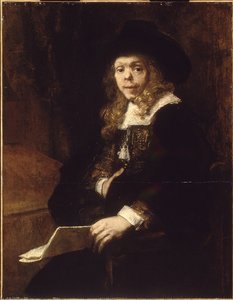
gérard de lairesse
1640 - 1711 , Belgium
Quick Facts
- Artistic Movement Or Style: Baroque art
- Artists Or Movements Influenced By This Artist: ['Jan van Huchtenburgh']
- Artists Who Influenced This Artist:
- Caravaggio
- Rembrandt
- Peter Paul Rubens
- Date Of Birth: 1640
- Date Of Death: 1711
- Full Name: Gérard de Lairesse
- Nationality: Belgian
- Notable Artworks:
- Martyrdom of Saint Sebastian
- Baptism of Christ
- Apollo and Aurora
- Diana and Endymion
- Allegory of the Five Senses
- Place Of Birth: Liège, Belgium
Related Articles

Demandes Commerciales
APS ofrece reproducciones de bellas artes y encargos personalizados desde 2004. Confían en nosotros corporaciones, hoteles y coleccionistas selectos para obras de arte de calidad museística, servicio discreto y soluciones artísticas completas. ¡Póngase en contacto con nosotros para obtener un presupuesto personalizado!

Goya's Masterpieces: Explore 25 Iconic Paintings & Art Prints | ArtsDot
Delve into the world of Francisco Goya with ArtsDot. Explore 25 iconic paintings – from 'The Third of May' to his haunting Black Paintings. Discover the stories, techniques & emotions behind these Spanish masterpieces. Find museum-quality art reproductions for your home at ArtsDot.com!

Golden Age Reflections: Dutch Baroque Painting & Cultural Innovation
Explore the Dutch Golden Age of painting! Discover key artists like Vermeer & ter Borch, their innovative techniques, and the rich cultural context behind these Baroque masterpieces. Learn about collecting & appreciating this iconic art period.

Dutch Baroque Masters: 10 Paintings That Shaped an Era | ArtsDot
Journey through the Golden Age with our guide to the Top 10 Dutch Baroque masterpieces! Explore iconic paintings by Rembrandt, Vermeer & Frans Hals. Find museum-quality art reproductions and elevate your home decor at ArtsDot.com.
Pieter de Hooch: Illuminating Dutch Domestic Life & Golden Age Charm
Explore the captivating world of Pieter de Hooch, a master of Dutch Golden Age painting. Discover his innovative use of light, intimate domestic scenes, and lasting influence on art history. Learn more at ArtsDot.