 Preview
 Send
Send Share
Share
 Details

 Download
 Similars
 X-Ray
X-Ray Diaporama
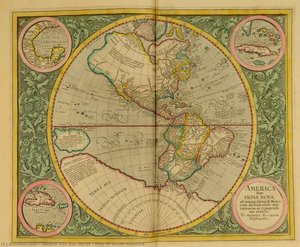
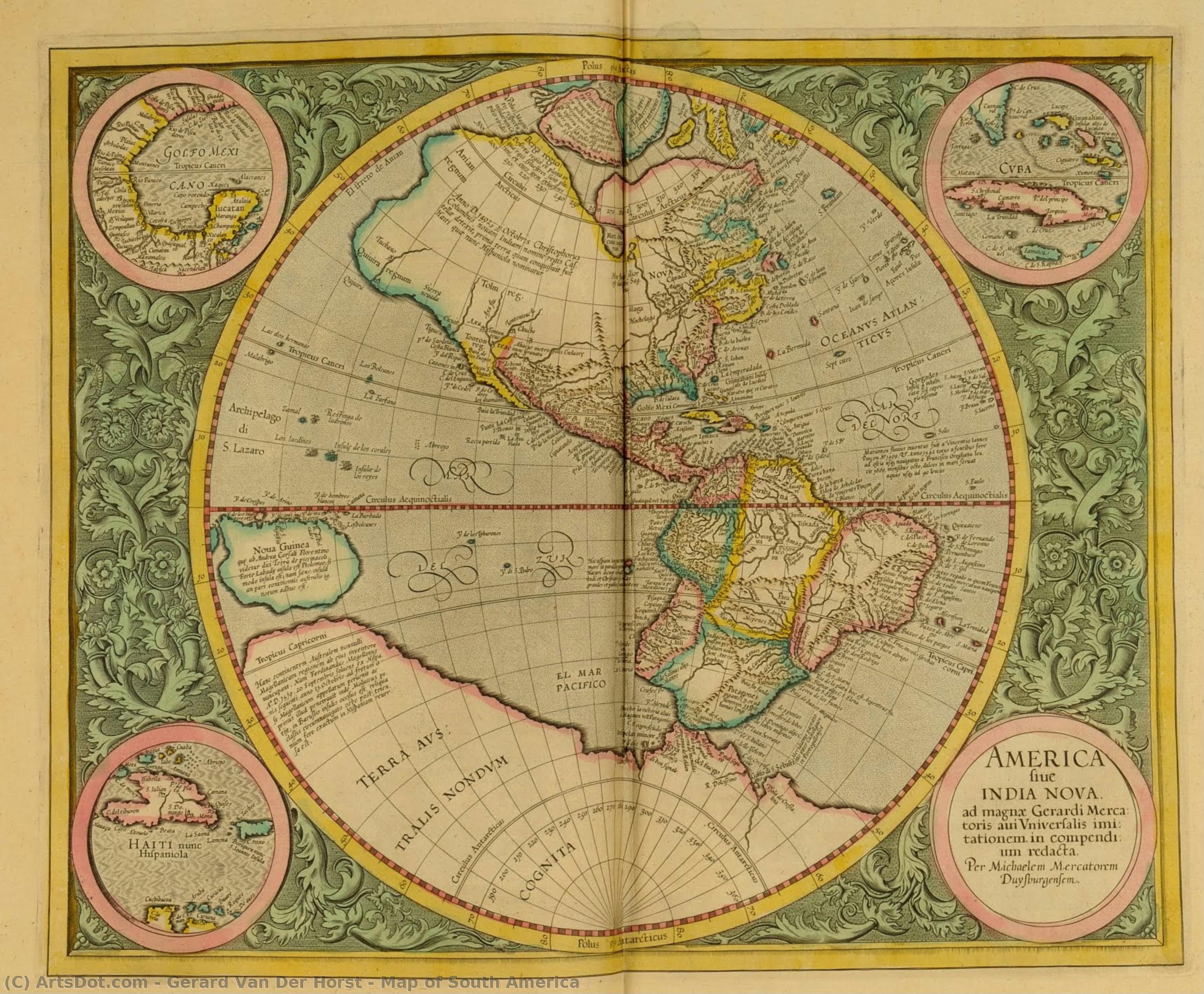
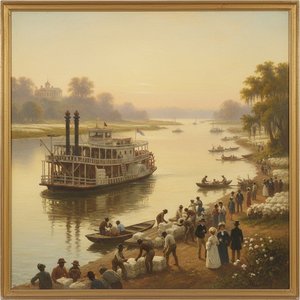
Map of South America
 Painting
- Contemporary Realism
 Contemporary
 47.0 x 55.0 cm
 Naval Museum
 Read More
Hand Made Oil Reproduction
Hand-painted oil on canvas in your size and frame, made to order by our artists. ( Buy Print Buy Image)




P118B $10

P118H $10

P118W $10

P438Z $10

P508JH $12

P508YH $12

P805H $10

P805Z $10

P919BZ $10

P919G $10

P919XJ $10

P959ZH $10

P968JZ $12

W106C $8

W218G $10

W218JH $8

W218Y $10

W307PJ $10

W316G $10

W316PJ $8

W316Y $10

W398PJ $8

W4111J $10

W500HY $15

W500JH $15

W692G $12

W849H $8

W940BG $15

W953PJ $8




Pick from our preset sizes that match the artwork's original proportions.

You may enter your own dimensions to fit a specific frame or space. If your selected size does not match the original image's proportions, we will either crop the artwork or extend the painting with additional hand-painted elements. A digital mockup will be sent for your approval before production begins.
Please note that the on-screen preview does not reflect the actual cropping or extension. Only the mockup will accurately show the final composition.
While custom sizes are available, we recommend selecting a dimension from the predefined list to preserve the original proportions.
After order, ArtsDot.com team will email client for instructions and provide a mockup preview
Worldwide Delivery () in 3/4 weeks instead of standard 5 weeks. (20 August). No compromise on quality.

Free Worldwide Express Shipping

High-Quality Linen Canvas

Full Shipping Insurance

Customs Tax Refund Guarantee

True Color Matching Guarantee

60-Day Return Policy (Defects Only)

100% Money-Back Guarantee

Bulk Discount Offer
 Glass option is only available in size under 110 CM

Map of South America
Reproduction Medium
Reproduction Size
-


Total Price
$ 263
Related Artworks

Artist Biography
Introduction: A Voice from the South
Kerry James Marshall (born October 17, 1955) is a towering figure in contemporary American art, an artist whose work has profoundly reshaped our understanding of representation and identity. Born in Birmingham, Alabama, during the height of the Civil Rights Movement, Marshall’s life and artistic vision are inextricably linked to the experiences of Black Americans, particularly those rooted in the traditions and landscapes of the Southern United States. His paintings, drawings, and sculptures aren't merely depictions; they are powerful statements—a deliberate counter-narrative challenging historical invisibility and asserting a vital presence within the canon of Western art. Marshall’s career has spanned decades, marked by consistent innovation and an unwavering commitment to exploring themes of race, history, and social justice, solidifying his place as one of the most important artists of our time.Early Life and Influences – Roots in Birmingham and Los Angeles
Marshall's childhood was shaped by significant events and formative relationships. Growing up in Birmingham during a period of intense racial tension instilled within him a deep awareness of social inequality and injustice. His father, a postal worker, and his mother, a homemaker, fostered an appreciation for the arts, exposing him to music, poetry, and museum visits from a young age. A pivotal moment occurred when he moved with his family to Los Angeles in 1963, coinciding with the Watts riots – an event that profoundly impacted his worldview and fueled his desire to depict Black life authentically. Crucially, Marshall’s early artistic development was nurtured by Charles White, a prominent social realist painter who recognized Marshall's talent and mentored him during high school. White’s influence is evident in Marshall’s meticulous attention to detail, his ability to capture the nuances of human expression, and his commitment to portraying Black figures with dignity and complexity. The Gullah dialect, spoken by his grandmother, also became a significant element in his work, informing his visual language and connecting him to a rich cultural heritage.The Development of Style – From Abstract Expressionism to Narrative Realism
Marshall’s artistic journey began within the context of Abstract Expressionism, a movement that dominated the art world in the 1950s and 60s. Initially influenced by artists like Mark Rothko and Barnett Newman, Marshall experimented with color fields and gestural abstraction. However, he soon recognized the limitations of this approach for his specific artistic goals – to represent Black subjects with accuracy and immediacy. He deliberately moved away from purely abstract forms, adopting a style that he termed “narrative realism.” This involved meticulously recreating scenes from everyday life—fishing trips, family gatherings, church services—depicting Black men and women in their natural environments, often against the backdrop of the American South. His paintings are characterized by a remarkable level of detail, achieved through painstaking observation and a deep understanding of composition and perspective. Marshall’s technique is rooted in traditional academic painting methods, but he subverts these conventions to create images that are both visually striking and emotionally resonant.Key Themes and Recurring Motifs – History, Identity, and the Black Experience
Marshall's work consistently grapples with complex themes related to race, history, and identity. He confronts the historical erasure of Black figures from art history by creating a “counter-archive”—a collection of images that redress this imbalance. His paintings often depict scenes from the lives of ordinary Black people, challenging stereotypical representations and offering nuanced portraits of their experiences. Recurring motifs include fishing—a symbol of resilience and self-sufficiency—family gatherings—representing community and kinship—and landscapes—reflecting the connection between Black people and the land. Marshall’s work is not simply about depicting these subjects; it's about giving them agency, visibility, and a voice within the dominant narrative. He frequently references historical paintings, subtly altering their compositions and subject matter to highlight the absence of Black figures in traditional representations of Western culture.Legacy and Recognition – A Lasting Impact on Contemporary Art
Kerry James Marshall’s impact on contemporary art is undeniable. His work has been exhibited extensively around the world, including retrospectives at major museums such as the Museum of Contemporary Art Chicago, The Metropolitan Museum of Art, and the Royal Academy of Arts in London. He has received numerous awards and honors, including a MacArthur Fellowship (often referred to as a “genius grant”), recognizing his exceptional artistic achievements. In 2017, he was included on *Time* magazine’s list of the 100 most influential people in the world. Beyond his individual accomplishments, Marshall's work has inspired countless artists and scholars, contributing significantly to ongoing conversations about representation, identity, and social justice. His legacy extends beyond the art world, serving as a powerful reminder of the importance of acknowledging and celebrating diverse voices and experiences. He continues to be an influential figure, shaping the dialogue surrounding race, history, and art for generations to come.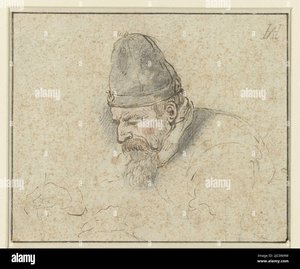
gerard van der horst
1955 - , Netherlands
Quick Facts
- Artistic Movement Or Style: Abstract Expressionism
- Artists Or Movements Influenced By This Artist: ['Social Realism']
- Artists Who Influenced This Artist: ['Charles White']
- Date Of Birth: October 17, 1955
- Full Name: Kerry James Marshall
- Nationality: American
- Notable Artworks:
- A Bass Player
- The Small House of the Big Man
- Pastimes
- Untitled (Black Figure)
- Place Of Birth: Birmingham, Alabama
Related Articles
F.A.Q.: Multi-Panel Sizes – A Guide for Elite Collectors
Explore multi-panel art options with . Expert guidance for elite collectors on sizing, customization & premium oil reproductions. Elevate your space with unique, handcrafted artwork.
The Art of Layered Narratives: Spatial Harmony & Visual Cohesion in Multi-Piece Artwork Arrangements
Explore the art of multi-panel arrangements for impactful interiors. Expert guidance on spatial harmony, visual storytelling & psychological impact – perfect for luxury hotels and discerning collectors. Elevate your space with curated artwork.
F.A.Q.: Multi-Panel Group Set Art – A Sophisticated Decor Solution for Elite Collectors
Discover 's exquisite multi-panel art sets – a sophisticated decor solution for elite collectors. Custom designs, premium reproductions & expert guidance. Elevate your space with lasting beauty.

Hudson River School: 10 Masterpieces That Capture America's Wild Beauty | ArtsDot
Journey through America's breathtaking landscapes with our guide to the Top 10 Hudson River School masterpieces. Explore Thomas Cole, Frederic Church & more! Find museum-quality art reproductions and elevate your home decor at ArtsDot.com.
William Aiken Walker: A Southern Luminist's Vision of River Life & Antebellum Society
Explore the evocative paintings of William Aiken Walker, a master of Southern Luminism. Discover his poignant depictions of post-Civil War life, African American culture & antebellum landscapes. Learn about this important artist's legacy.