 Preview
 Send
Send Share
Share
 Details

 Download
 Similars
 X-Ray
X-Ray Diaporama
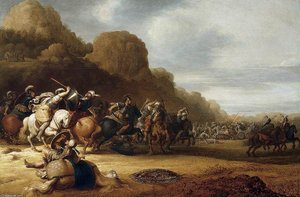
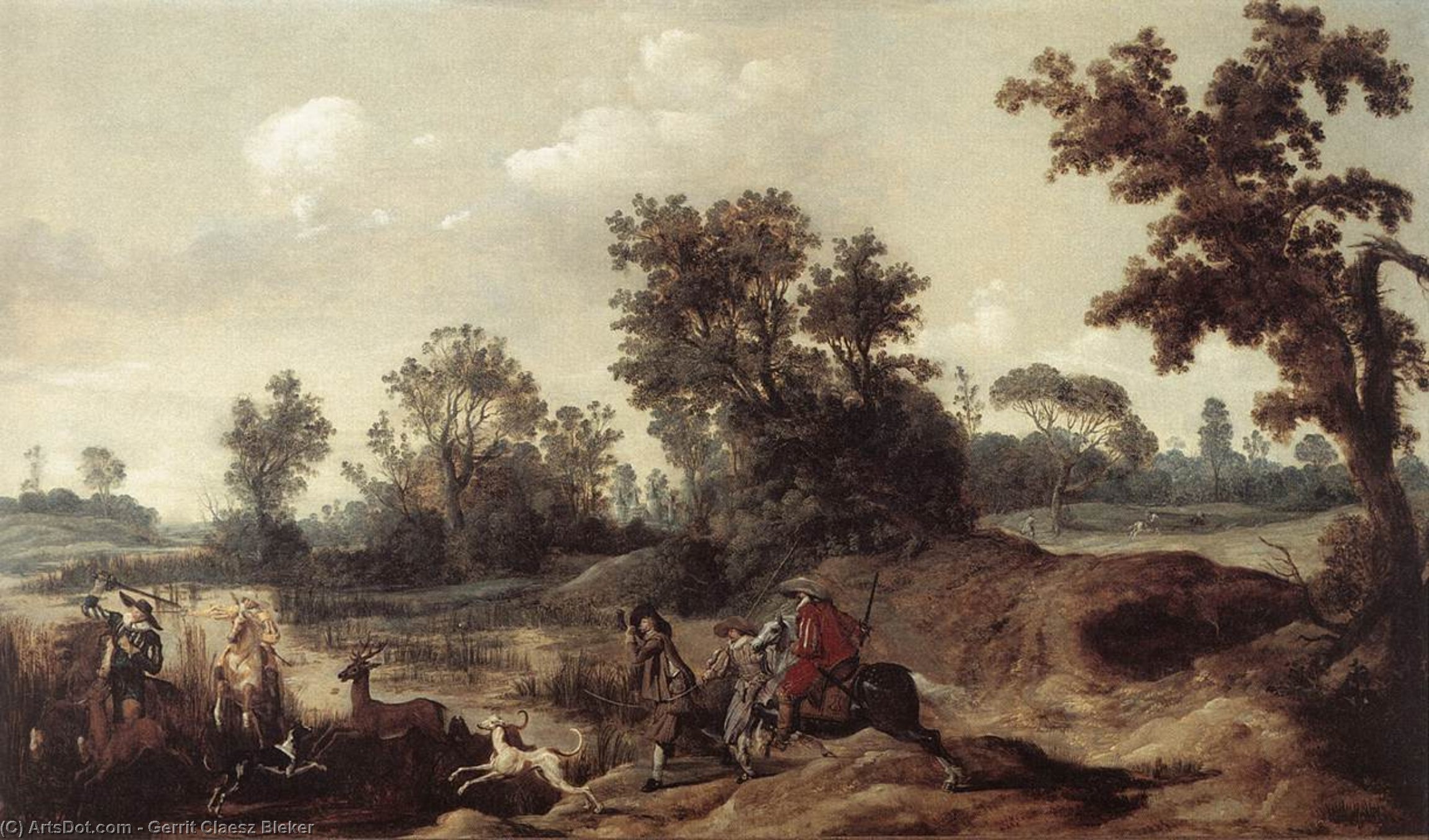
Stag Hunting in the Dunes
 Oil On Panel
- Baroque
 1625
1625- Early Modern
 78.0 x 136.0 cm
 Frans Halsmuseum
 Read More
Hand Made Oil Reproduction
Hand-painted oil on canvas in your size and frame, made to order by our artists. ( Buy Print Buy Image)




P118B $10

P118H $10

P118W $10

P438Z $10

P508JH $12

P508YH $12

P805H $10

P805Z $10

P919BZ $10

P919G $10

P919XJ $10

P959ZH $10

P968JZ $12

W106C $8

W218G $10

W218JH $8

W218Y $10

W307PJ $10

W316G $10

W316PJ $8

W316Y $10

W398PJ $8

W4111J $10

W500HY $15

W500JH $15

W692G $12

W849H $8

W940BG $15

W953PJ $8




Pick from our preset sizes that match the artwork's original proportions.

You may enter your own dimensions to fit a specific frame or space. If your selected size does not match the original image's proportions, we will either crop the artwork or extend the painting with additional hand-painted elements. A digital mockup will be sent for your approval before production begins.
Please note that the on-screen preview does not reflect the actual cropping or extension. Only the mockup will accurately show the final composition.
While custom sizes are available, we recommend selecting a dimension from the predefined list to preserve the original proportions.
After order, ArtsDot.com team will email client for instructions and provide a mockup preview
Worldwide Delivery () in 3/4 weeks instead of standard 5 weeks. (17 August). No compromise on quality.

Free Worldwide Express Shipping

High-Quality Linen Canvas

Full Shipping Insurance

Customs Tax Refund Guarantee

True Color Matching Guarantee

60-Day Return Policy (Defects Only)

100% Money-Back Guarantee

Bulk Discount Offer
 Glass option is only available in size under 110 CM

Stag Hunting in the Dunes
Reproduction Medium
Reproduction Size
-


Total Price
$ 263
Artwork Description
A Dramatic Pursuit in the Dutch Golden Age
In the heart of the seventeenth century, the Dutch Golden Age breathed life into canvases that captured the very essence of vitality and terrestrial splendor. Gerrit Claesz Bleker’s Stag Hunting in the Dunes, painted in 1625, stands as a breathtaking testament to this era of unparalleled artistic mastery. The scene unfolds with an immediate sense of kinetic energy, transporting the viewer directly into the midst of a high-stakes chase across the undulating sandy terrain. As we gaze upon this oil on panel masterpiece, we are not merely observers of a hunt; we are participants in a choreographed dance of movement and tension, where the heavy breathing of horses and the focused determination of hunters seem to vibrate through the very grain of the wood.
Bleker, a native of Haarlem, possessed a singular ability to marry the ruggedness of nature with the refined drama of the Baroque style. In this particular work, he utilizes chiaroscroll—the dramatic interplay of light and shadow—to sculpt the figures within the landscape. The sunlight breaks across the dunes, illuminating the taut muscles of the horses and the textured fabrics of the hunters' traditional attire, while deep, velvety shadows pool in the hollows of the landscape, creating a profound sense of three-dimensional depth. This technique does more than provide realism; it heightens the emotional stakes, casting a spotlight on the intensity of the pursuit and the raw, unbridled spirit of the wild.
Mastery of Technique and Naturalistic Detail
The brilliance of Bleker’s execution lies in his meticulous attention to the minute details that define the natural world. Every element, from the subtle gradations of the sandy dunes to the delicate, fluffy white clouds drifting across a pale blue sky, is rendered with an exacting precision that speaks to his disciplined training. The artist’s palette is masterfully muted, favoring earthy tones and soft greens that ground the composition in a convincing realism. This restraint allows the more vibrant accents—the glint of a hunter's gear or the sudden movement of a stag—to resonate with greater impact.
For the discerning collector or interior designer, this painting offers a sophisticated balance of action and tranquility. The background, filled with lush trees and dense bushes, provides a serene counterpoint to the foreground's frantic energy, making the piece versatile enough to anchor a grand gallery wall or serve as a focal point in a classically styled study. To own a high-quality reproduction of this work is to invite the historical prestige of the Frans Halsmuseum into one's private space, bringing with it the enduring legacy of the Dutch Masters.
An Enduring Legacy for the Modern Collector
Beyond its technical prowess, Stag Hunting in the Dunes serves as a window into the social and cultural fabric of the 1600s. Hunting was not merely a sport but a symbol of status, bravery, and the human relationship with the untamed wilderness. Bleker captures this complex intersection of man and nature with an emotional resonance that transcends centuries. The painting evokes a sense of nostalgia for a lost era of adventure, making it an evocative choice for those looking to add narrative depth and historical soul to their decor.
Whether you are drawn to the rhythmic movement of the horses or the atmospheric beauty of the Dutch landscape, this work remains a profound inspiration. It stands as a reminder that great art does not just depict a moment in time; it captures the very pulse of life itself. Through careful reproduction, the spirit of Gerrit Claesz Bleker continues to illuminate modern interiors, offering a timeless connection to the golden era of European painting.
Related Artworks
Artist Biography
Gerrit Claesz Bleker: A Haarlem Landscape Painter Shaped by Ruysdael
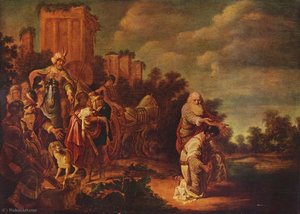
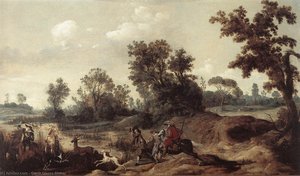
Gerrit Claesz Bleker (1592, Haarlem – February 8, 1656, Haarlem) stands as a prominent figure within the Dutch Golden Age artistic landscape. Though overshadowed by some of his contemporaries, Bleker’s contribution to genre painting and particularly his serene depictions of rural landscapes cemented his place in art history. Born in Haarlem, he honed his craft under the tutelage of Nicolaes Moeyaert, absorbing influences from masters like Jacob van Ruysdael – a connection that profoundly shaped his artistic vision. Bleker’s oeuvre primarily consisted of landscape paintings and allegorical compositions, reflecting the prevailing tastes of the era. Unlike the dramatic Baroque style championed by Rembrandt and Rubens, Bleker favored a calmer aesthetic, prioritizing meticulous observation and subtle tonal gradations reminiscent of Ruysdael's approach. This stylistic preference resulted in canvases characterized by tranquil vistas—often featuring dunes, windmills, and pastoral scenes populated with figures engaged in everyday activities – offering viewers glimpses into the beauty of Dutch countryside life.- Notable Works: Bleker’s artistic legacy includes “Stag Hunting in the Dunes,” a captivating portrayal of a hunting party amidst coastal dunes; “Philip baptizes the Moor,” an evocative biblical scene imbued with symbolic richness; and “The Raising of Lazarus,” a dramatic engraving demonstrating Bleker's versatility beyond painting.
- Guild Membership & Artistic Training: He joined the Haarlem Guild of St Luke before 1643, securing his professional standing and establishing himself as a respected artist within the artistic community. Crucially, he mentored younger painters like Dirck Bleker (possibly his son), Pieter Adelaar, David Decker, and Paulus van der Goes, passing on invaluable knowledge and fostering the continuation of Haarlem’s artistic tradition.
gerrit claesz bleker
1593 - 1656 , Netherlands
Quick Facts
- Artistic Movement Or Style: Dutch Golden Age
- Artists Who Influenced This Artist:
- Jacob van Ruysdael
- Nicolaes Moeyaert
- Date Of Birth: 1592
- Full Name: gerrit claesz bleker
- Nationality: Dutch
- Notable Artworks:
- Stag Hunting in the Dunes
- Philip baptizes the Moor
- The Raising of Lazarus
- Place Of Birth: Haarlem, Netherlands
Related Articles

Dutch Masters: 10 Golden Age Paintings That Still Inspire |
Journey into the Dutch Golden Age! Explore 10 iconic paintings by Rembrandt, Vermeer & Hals. Discover the stories behind these Baroque masterpieces and find museum-quality art reproductions to elevate your home decor on .

Golden Age Reflections: Dutch Baroque Painting & Cultural Innovation
Explore the Dutch Golden Age of painting! Discover key artists like Vermeer & ter Borch, their innovative techniques, and the rich cultural context behind these Baroque masterpieces. Learn about collecting & appreciating this iconic art period.

Illuminating Innovation: Exploring the Dutch Golden Age of Painting
Explore the Dutch Golden Age of painting with ArtsDot. Discover Rembrandt, Vermeer & other Masters. Learn about key characteristics, iconic artworks, and lasting influence. Expert insights for collectors & enthusiasts.
Illuminating Realism: Exploring the Dutch Golden Age of Painting (1600-1700)
Explore the Dutch Golden Age of painting (1600-1700) with ArtsDot. Discover Rembrandt, Vermeer & other masters. Learn about techniques, history & find museum-quality reproductions.
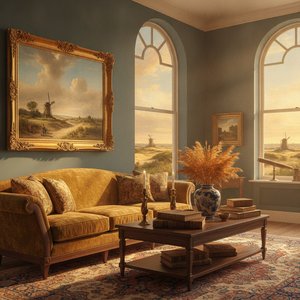
Golden Light & Dutch Skies: Bringing the Magic of Dutch Golden Age Landscapes into Your Home
Transform your home with the breathtaking light of Dutch Golden Age landscapes. Discover how hand-painted oil reproductions of masterworks like Ruisdael and Vermeer bring timeless elegance, atmosphere, and soulful texture to modern interiors. Elevate your space with museum-quality art.