 Preview
 Send
Send Share
Share
 Details

 Download
 Similars
 X-Ray
X-Ray Diaporama
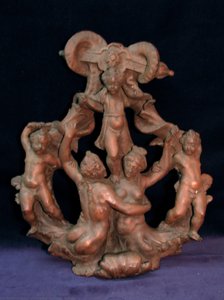
Anointment of the Dead Christ


 Read More
Giclée / Art Print
Museum-quality giclée or canvas print with fast production and flexible finish options. ( Buy Hand Made Painting Buy Image)




P118B $10

P118H $10

P118W $10

P438Z $10

P508JH $12

P508YH $12

P805H $10

P805Z $10

P919BZ $10

P919G $10

P919XJ $10

P959ZH $10

P968JZ $12

W106C $8

W218G $10

W218JH $8

W218Y $10

W307PJ $10

W316G $10

W316PJ $8

W316Y $10

W398PJ $8

W4111J $10

W500HY $15

W500JH $15

W692G $12

W849H $8

W940BG $15

W953PJ $8




Pick from our preset sizes that match the artwork's original proportions.

You may enter your own dimensions to fit a specific frame or space. If your selected size does not match the original image's proportions, we will either crop the artwork or extend the image with a mirrored or solid-fill edge. A digital mockup will be sent for your approval before production begins.
Please note that the on-screen preview does not reflect the actual cropping or extension. Only the mockup will accurately show the final composition.
While custom sizes are available, we recommend selecting a dimension from the predefined list to preserve the original proportions.
Worldwide Delivery () in 2 weeks instead of standard 4/5 weeks. (25 August)

Free Worldwide Express Shipping

High-Quality Linen Canvas

Full Shipping Insurance

Customs Tax Refund Guarantee

True Color Matching Guarantee

60-Day Return Policy (Defects Only)

100% Money-Back Guarantee

Bulk Discount Offer
 Glass option is only available in size under 110 CM

Anointment of the Dead Christ
Giclée / Art Print
Reproduction Size
-


Total Price
$ 63
Collectible Description
A Study in Bronze Grandeur: The Allure of Medieval Fortifications
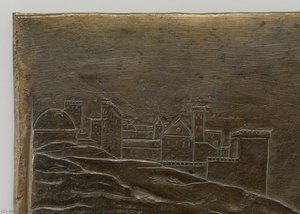
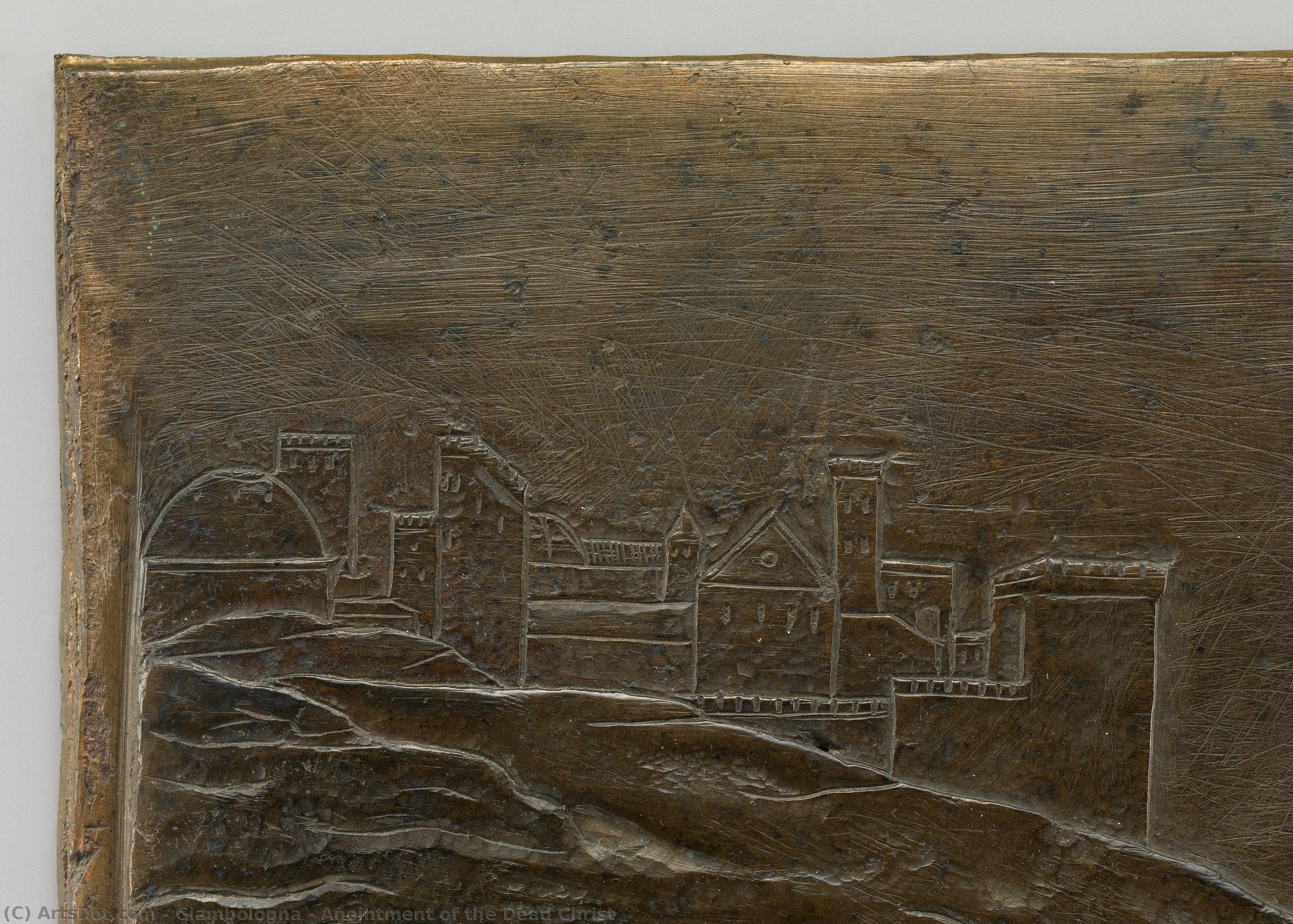
The eye is immediately drawn into a scene steeped in the gravitas of ages past. This remarkable print captures not merely a structure, but an entire epoch—a medieval castle perched majestically upon a hill that commands a sweeping view over tranquil waters. Executed with the rich, somber tones of dark bronze or deep brown ink, the piece possesses an inherent textural depth that seems to lift the stone and mortar from the paper itself. The composition is masterfully balanced by a low horizon line, a deliberate choice that grants the sky and the surrounding landscape an almost overwhelming sense of vastness, making the architectural centerpiece feel both monumental and isolated.
The Craftsmanship of Intaglio: Technique and Detail
To examine this work is to appreciate the meticulous hand of the printmaker. The technique employed—likely etching or engraving—is evident in every fine line that defines the crenellations, the towers, and the imposing gatehouse. These are not soft suggestions; they are strong, defined lines that speak of skilled craftsmanship. The process creates a palpable sense of relief, where raised areas catch the light and recessed sections fall into deep shadow. This interplay between light and dark, achieved through the very nature of intaglio printing, gives the scene an almost three-dimensional quality, even within the confines of paper. While the perspective retains a certain flatness characteristic of historical printmaking, the artist has skillfully suggested recession through overlapping forms and diminishing scale, inviting the viewer to wander through its imagined courtyards.
Symbolism Woven into Stone: Power and Endurance
Beyond its aesthetic appeal, this castle resonates with profound symbolism. It stands as a potent emblem of enduring power—the steadfast defense against time itself. The architecture speaks of human ambition, the need for order, and the weight of history accumulated within thick stone walls. For the collector or designer, this piece offers more than mere decoration; it is an artifact of narrative. It evokes themes of guardianship, forgotten glories, and the enduring nature of civilization's monumental achievements.
An Atmosphere of Solitude and Mystery
Emotionally, the print settles into a mood of profound contemplation. There is a palpable sense of solitude here, as if one has stumbled upon this fortress at the edge of the known world. The diffuse lighting enhances this mystery, suggesting untold stories whispered across centuries. To incorporate such a piece into an interior space—be it a library, a study, or a grand hall—is to imbue that room with an immediate sense of romantic grandeur and intellectual depth. It is a visual anchor for the soul, connecting the modern observer to the timeless drama of human endeavor.
Related Artworks


Artist Biography
Giambologna: The Sculptor Who Defined Mannerism
Jean Boulogne, later known as Giambologna (1529 – 1608), stands as one of the most influential sculptors of the Italian Renaissance and Baroque periods. Born in Douai, Flanders—now France—his artistic journey began with formative studies under Jacques Du Broeucq in Antwerp before he embarked on a transformative relocation to Rome in 1550, where he immersed himself in the legacy of classical sculpture and absorbed the stylistic innovations championed by Michelangelo. This immersion profoundly shaped his distinctive Mannerist style, characterized by an exquisite sensitivity to surface texture, refined elegance, and a deliberate departure from the emotional fervor prevalent in earlier Renaissance art.- Early Life & Training: Boulogne’s initial artistic inclinations were nurtured in Antwerp's architectural milieu, equipping him with foundational skills that would prove invaluable as he pursued his studies in Rome. His engagement with Michelangelo’s monumental works instilled a deep appreciation for anatomical precision and sculptural dynamism—principles that would become hallmarks of Giambologna’s oeuvre.
- Roman Influence & Patronage: Giambologna's time in Rome coincided with the burgeoning patronage of the Medici family, securing him commissions that propelled his artistic reputation and solidified his position as a leading sculptor of the era. The influence of Michelangelo extended beyond mere stylistic imitation; it fostered a philosophical commitment to achieving idealized beauty through meticulous observation and masterful execution.
The Mannerist Style: A Departure from Tradition
Giambologna’s artistic vision decisively rejected the harmonious balance and emotive grandeur characteristic of High Renaissance sculpture. Instead, he embraced Mannerism—a stylistic movement that prioritized intellectual contemplation over visceral sensation. This approach manifested in several key features: elongated figures with subtly distorted proportions; attenuated drapery conveying a sense of precariousness; and an emphasis on decorative surface treatment—particularly polished marble—that achieved unparalleled luminosity. Giambologna’s sculptures weren't intended to convey immediate emotional impact but rather to provoke reflection upon complex philosophical concepts, mirroring the broader intellectual currents of his time. He skillfully employed *contrapposto*, a pose where the torso tilts slightly away from the viewer, creating an illusion of movement and balance—a technique perfected by Michelangelo and subsequently adopted by Giambologna himself.- Emphasis on Surface Texture: Giambologna’s sculptures are renowned for their extraordinarily refined surface finishes, achieved through painstaking polishing techniques that maximized reflectivity and created a mesmerizing interplay of light and shadow.
- Dynamic Composition & Anatomical Precision: Unlike the idealized forms of Michelangelo, Giambologna's figures possessed an unsettling realism—a deliberate distortion of anatomical proportions designed to heighten expressive tension and convey psychological depth.
Notable Works & Commissions
Giambologna’s prolific output encompassed monumental sculptures for public spaces and intimate portraits alike, cementing his legacy as one of the most celebrated artists of his generation. Among his crowning achievements are:- Neptune Fountain (Bologna): Collaborating with Tommaso Laureti on this ambitious project—the centerpiece of Bologna’s Piazza Nettuno—Giambologna created a colossal bronze sculpture depicting Neptune, god of the sea, surrounded by subsidiary figures embodying various elements of maritime mythology.
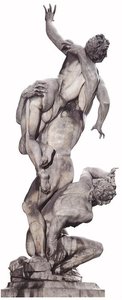
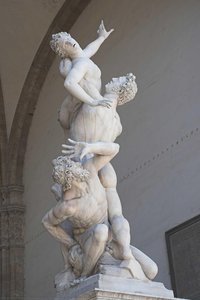
- The Rape of Sabine Women (Florence): Completed between 1574 and 1582, this marble masterpiece exemplifies Giambologna’s mastery of Mannerist technique—particularly *contrapposto*—and captures the dramatic narrative of Roman legend with breathtaking precision.
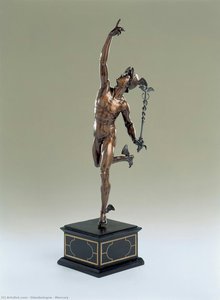
- Mercury Statue (Florence): Giambologna's depiction of Mercury—the messenger god—is celebrated for its graceful pose and luminous surface finish, embodying the spirit of Mannerist elegance and intellectual contemplation.
Legacy & Influence
Giambologna’s influence extended far beyond his lifetime, shaping the artistic sensibilities of subsequent generations and establishing him as a pivotal figure in the transition from Renaissance to Baroque art. His sculptural innovations—particularly his exploration of dynamic movement and psychologically complex figures—provided inspiration for artists such as Bernini and Caravaggio, who embraced Mannerist principles to forge new expressive pathways. Giambologna’s enduring reputation testifies to his unparalleled artistic vision—a testament to his ability to synthesize classical ideals with humanist sensibilities into a singularly compelling aesthetic experience.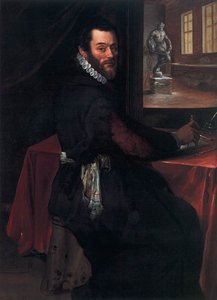
Giambologna
1529 - 1608 , France
Quick Facts
- Artistic Movement Or Style: Mannerist Sculpture
- Artists Or Movements Influenced By This Artist: ['Baroque']
- Artists Who Influenced This Artist: ['Michelangelo']
- Date Of Birth: 1529
- Full Name: Jean Boulogne
- Nationality: Flemish
- Notable Artworks:
- Mercury
- The Rape of the Sabine Women
- Place Of Birth: Douai, France
Related Articles

Bronze Sculptures That Defined Art History | ArtsDot
Journey through art history with our Top 10 bronze sculptures! Explore masterpieces by Rodin, Michelangelo & more. Discover stories behind iconic statues and find museum-quality reproductions for your home decor at ArtsDot.com.

The Enduring Form: Exploring Themes & Techniques in Sculpture Across Historical Periods
Explore the rich history of sculpture from ancient masterpieces to contemporary innovations. Discover key techniques, influential artists & investment potential for discerning art collectors.

Giclée Prints: Archival Quality & Aesthetic Nuances for the Discerning Collector
Explore the world of giclée prints with ArtsDot. Learn about archival quality, aesthetic nuances & investment potential. Expert guidance for discerning art collectors seeking museum-quality reproductions and lasting value.

Bronze Age to Modern Masters: 10 Sculptures That Redefined Art | ArtsDot
Journey through art history with 10 legendary bronze sculptures – from Michelangelo's David to Rodin’s Thinker. Explore the stories, techniques & timeless beauty of these masterpieces. Find museum-quality reproductions & elevate your home decor on ArtsDot.com.

The Enduring Form: Sculpture Across History, Technique & Emotional Resonance
Explore the rich history of sculpture with ArtsDot. Discover key techniques, influential artists & investment potential for discerning collectors. Expert insights into valuing and collecting timeless masterpieces.