 Preview
 Send
Send Share
Share
 Details

 Download
 Similars
 X-Ray
X-Ray Diaporama
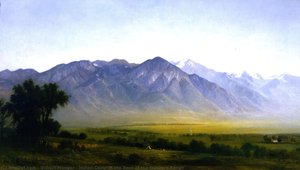
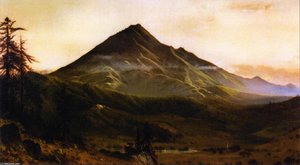
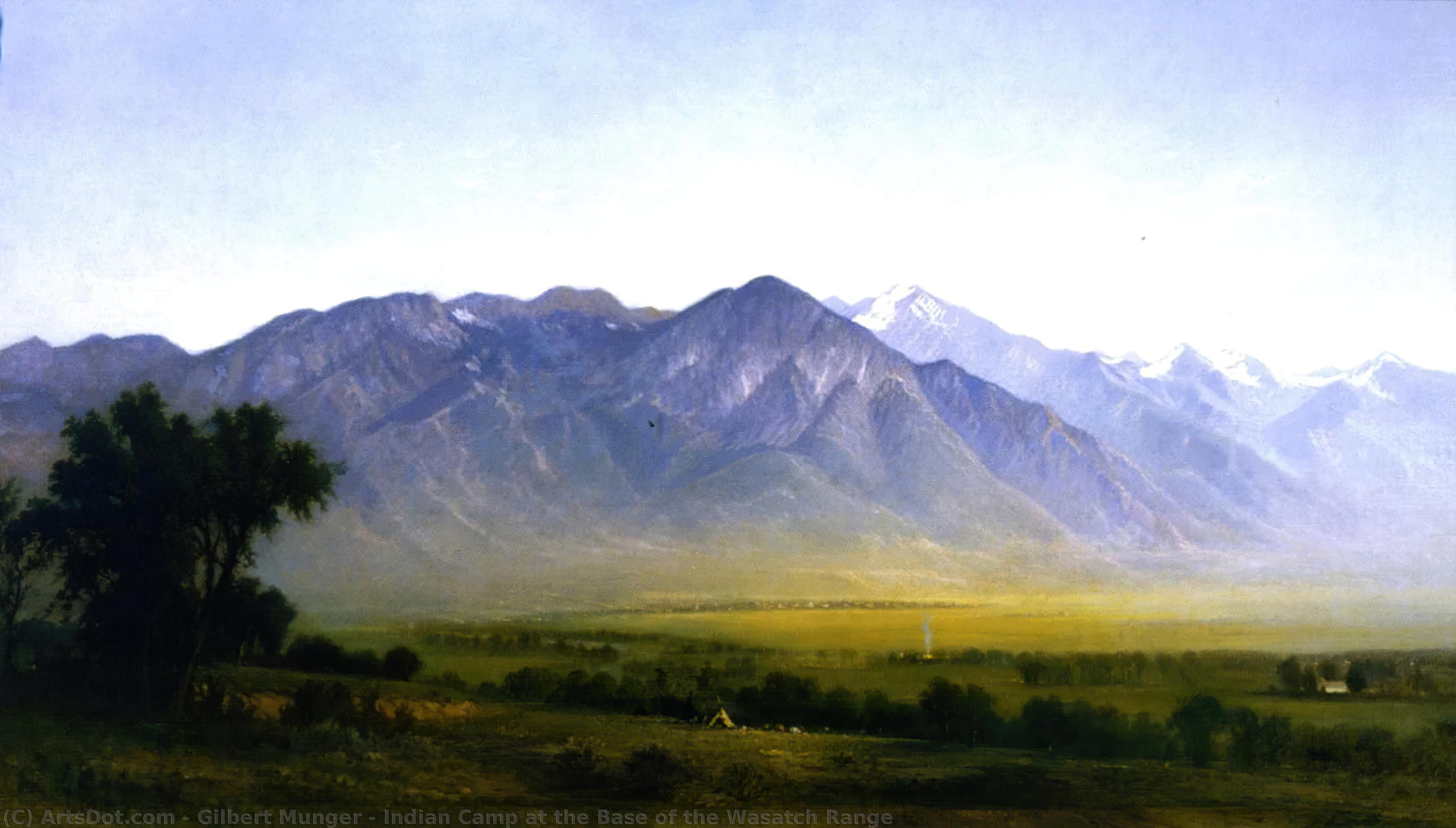
Indian Camp at the Base of the Wasatch Range


 Read More
Hand Made Oil Reproduction
Hand-painted oil on canvas in your size and frame, made to order by our artists. ( Buy Print Buy Image)




































Pick from our preset sizes that match the artwork's original proportions.

You may enter your own dimensions to fit a specific frame or space. If your selected size does not match the original image's proportions, we will either crop the artwork or extend the painting with additional hand-painted elements. A digital mockup will be sent for your approval before production begins.
Please note that the on-screen preview does not reflect the actual cropping or extension. Only the mockup will accurately show the final composition.
While custom sizes are available, we recommend selecting a dimension from the predefined list to preserve the original proportions.
After order, ArtsDot.com team will email client for instructions and provide a mockup preview
Worldwide Delivery () in 3/4 weeks instead of standard 5 weeks. (17 August). No compromise on quality.

Free Worldwide Express Shipping

High-Quality Linen Canvas

Full Shipping Insurance

Customs Tax Refund Guarantee

True Color Matching Guarantee

60-Day Return Policy (Defects Only)

100% Money-Back Guarantee

Bulk Discount Offer
 Glass option is only available in size under 110 CM

Indian Camp at the Base of the Wasatch Range
Reproduction Medium
Reproduction Size
-


Total Price
$ 263
Artwork Description
The Painting's Composition
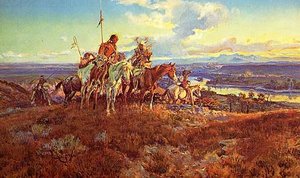
The painting features a breathtaking landscape with majestic mountains in the background, their snow-capped peaks reaching towards the sky. The sky above appears clear and blue, adding to the serene atmosphere of the scene. In the foreground, a lush green field stretches out, where several cows are peacefully grazing. There are at least 12 cows scattered throughout the scene, some closer to the viewer while others are further away in the distance.Artistic Significance
The painting captures the essence of nature with its vibrant colors and serene atmosphere. The combination of the majestic mountains, lush green field, and grazing cattle creates a harmonious and picturesque scene that showcases the beauty of the landscape. Munger's use of oil on canvas brings depth and texture to the painting, making it feel almost lifelike.Artist Background
Gilbert Munger was an American artist known for his landscapes, often depicting scenes from the American West. His work is characterized by its attention to detail and ability to capture the natural beauty of the environment.Relevance in Art History
Munger's Indian Camp at the Base of the Wasatch Range is a significant piece in the context of American art history. It reflects the artist's fascination with the untouched landscapes of the West and his ability to capture their beauty on canvas.Conclusion
Gilbert Munger's Indian Camp at the Base of the Wasatch Range is a masterpiece that showcases the serene beauty of nature. The painting's composition, artistic significance, and relevance in art history make it a valuable piece for art enthusiasts and collectors alike. For those interested in exploring more artworks by renowned artists, visit Gilbert Munger: Indian Camp at the Base of the Wasatch Range on ArtsDot. Additionally, discover other masterpieces like Pierre-Auguste Renoir's Sleeping woman and Camille Pissarro's Vegetable Garden at the Hermitage near Pontoise on our platform.- Pierre-Auguste Renoir: Sleeping woman
- Camille Pissarro: Vegetable Garden at the Hermitage near Pontoise
- Pierre-Auguste Renoir: Near the Lake, Art Institute of Chicago
Discover the art collection at Somerville College, Oxford, United Kingdom, which houses numerous masterpieces from renowned artists. Read more about it on ArtsDot: Discovering the Artworks of Somerville College, Oxford, United Kingdom.
Related Artworks
Artist Biography
Early Life and Artistic Training
Gilbert Davis Munger (April 14, 1837 – January 27, 1903) emerged from Connecticut’s Madison County as a child captivated by artistic pursuits. Born to Sherman and Lucretia Benton Munger—the last of five children—his family recognized his innate talent and fostered it through an apprenticeship with William H. Dougal, senior engraver at the Smithsonian Institution at just thirteen years old. This formative experience instilled in him not only technical proficiency but also a profound appreciation for meticulous observation—skills that would define his artistic vision throughout his life. Notably, Munger’s distant cousin was George Munger, another artist who explored similar themes of landscape and scientific inquiry. Early influences included the luminism championed by John Ruskin and the pioneering painters of the Hudson River School, whose emphasis on atmospheric light and tonal gradation profoundly shaped Munger's artistic sensibilities.- Sherman Munger, a farmer, instilled in Gilbert a love for nature and craftsmanship.
- Lucretia Benton Munger supported Gilbert’s artistic ambitions with unwavering encouragement.
- William H. Dougal provided invaluable training in engraving and fostered an appreciation for detailed rendering.
Engraving Commissions and Scientific Observation
Munger's initial professional endeavors centered on engraving, primarily for government reports documenting geological expeditions led by Clarence King. These commissions demanded precision and accuracy—skills honed during his apprenticeship—and exposed him to the burgeoning field of geology. He meticulously reproduced illustrations of animals, plants, and rock formations, reflecting the scientific fervor of the era and demonstrating a commitment to representing nature with unwavering fidelity.- His work for the Smithsonian Institution showcased his engraving skills and deepened his understanding of scientific concepts.
- Collaborations with Clarence King’s Geological Survey fostered an appreciation for geological observation and artistic representation.
The Hudson River School Influence and Early Landscapes
Gilbert Munger's artistic style was decisively shaped by the Hudson River School, a movement characterized by its romantic idealism and masterful depiction of American landscapes bathed in luminous light. Artists like John Ruskin served as inspiration for Munger who studied their techniques—particularly their use of tonal gradation to convey mood and atmosphere.- Ruskin’s advocacy for tonal harmony influenced Munger's approach to color and composition.
- The Hudson River School painters established a precedent for capturing the grandeur of American wilderness with emotional resonance.
Service in the Civil War and Artistic Development
During the tumultuous years of the Civil War, Munger served as a military engineer assisting in the defense of Washington D.C., demonstrating courage and dedication alongside his fellow soldiers.- His involvement in the Union Army provided him with firsthand experience of American society during wartime.
- The challenges posed by the war spurred artistic innovation and refined his observational skills.
Western Landscapes and Recognition
Gilbert Munger’s most celebrated achievements lie in his breathtaking landscapes of the American West—particularly those created during Clarence King's Fortieth Parallel Survey. Collaborating closely with photographer Timothy H. O’Sullivan, he captured iconic vistas such as Yosemite Valley and Donner Pass, meticulously documenting geological formations and conveying their sublime beauty.- His partnership with Timothy H. O’Sullivan resulted in groundbreaking photographic landscapes that cemented Munger’s reputation as a pioneer of Western art.
- Ten chromolithographs produced from his survey paintings gained widespread acclaim and established him as one of the foremost landscape painters of his generation.
European Travels and Artistic Legacy
Following the Civil War, Munger embarked on extensive travels in Europe—primarily to London and Paris—where he honed his artistic skills further under the tutelage of John Ruskin and Jean-Baptiste Camille Corot.- Ruskin’s influence extended beyond tonal harmony into broader philosophical considerations about art's role in elevating human consciousness.
- Corot’s Barbizon School style encouraged Munger to embrace looser brushwork and atmospheric perspective—techniques that distinguished his European paintings from his earlier landscapes.
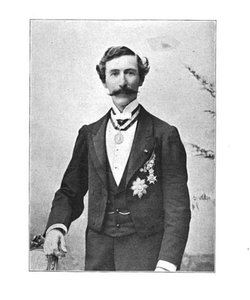
Gilbert Munger
1837 - 1903 , United States of America
Quick Facts
- Artistic Movement Or Style: Hudson River School
- Artists Or Movements Influenced By This Artist: ['Albert Bierstadt']
- Artists Who Influenced This Artist:
- John Ruskin
- William H. Dougal
- Date Of Birth: April 14, 1837
- Date Of Death: January 27, 1903
- Full Name: Gilbert Davis Munger
- Nationality: American
- Notable Artworks:
- Niagara Horseshoe Falls with Rainbow
- Niagara Falls
- Place Of Birth: Madison, Connecticut
Related Articles

Beyond the Horizon: 10 Landscape Masterpieces for Your Home Decor
Journey through 10 breathtaking landscape paintings by Monet, Van Gogh & more! Explore iconic artworks, artistic techniques & find inspiration for your home decor. Museum-quality reproductions at ArtsDot.com. Discover all masterpieces on ArtsDot.com

Benjamin West: Transatlantic Ambition & Shaping American Art
Explore the life & legacy of Benjamin West, pioneering American artist and Royal Academy president. Discover his Neoclassical masterpieces, transatlantic influence, and lasting impact on art history. Learn more at ArtsDot.
Albert Bierstadt: Luminosity, Landscape & the American Ideal
Explore the breathtaking landscapes of Albert Bierstadt, master of the American West & a leading figure in the Hudson River School. Discover his luminous style and iconic paintings – a timeless investment for art lovers.
Charles Marion Russell: Capturing the American West Through a Romantic Lens
Explore the captivating world of Charles Marion Russell, 'the cowboy artist.' Discover his life, iconic paintings, advocacy for Native Americans, and investment potential. A guide for discerning art collectors.
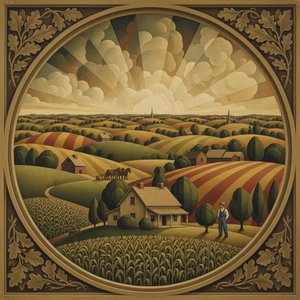
Grant Wood & American Regionalism: Identity, Myth & the Rural Landscape
Explore the world of Grant Wood & American Regionalism with ArtsDot. Discover the symbolism behind 'American Gothic', recurring themes, and the movement's lasting impact on art history. High-quality reproductions available.