Early Life and Influences: The Making of a Cowboy Artist
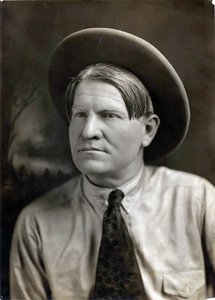 Charles Marion Russell
Explore the captivating world of Charles Marion Russell, the ‘Cowboy Artist’ who immortalized the American West through stunning paintings & bronze sculptures. Discover his life, art, and legacy.
Charles Marion Russell’s story is not one of formal training within the hallowed halls of art academies, but rather a deeply personal immersion into the rugged realities of the American West. Born in St. Louis, Missouri, in 1864, young Charlie was captivated by tales of exploration and frontier life—a romantic yearning fueled by dime novels and the frequent passage of explorers and fur traders through his city. While he demonstrated artistic talent early on, sketching animals and scenes from imagination, it wasn’t until the age of sixteen that Russell boldly abandoned conventional schooling to pursue a life amongst cowboys in Montana Territory. This decision was not merely an act of youthful rebellion; it was a profound commitment to experiencing firsthand the world he so passionately admired. His initial foray into ranch work proved challenging, but a pivotal apprenticeship with Jake Hoover, a seasoned hunter and trapper, provided Russell with invaluable knowledge of wilderness survival, horsemanship, and—most importantly—a deep respect for the land and its inhabitants.
Hoover’s mentorship was transformative. He wasn't simply teaching Russell how to live *in* the West; he was imparting a way of seeing it – observing subtle nuances in weather patterns, understanding animal behavior, and appreciating the complex relationships between humans and nature. This period laid the foundation for Russell’s artistic vision, fostering an authenticity that would distinguish his work from more stylized depictions of the frontier. The early sketches and observations made during these formative years weren't intended for public consumption; they were a personal record, a visual diary documenting a way of life rapidly fading into history.
Documenting a Vanishing Way of Life: Russell’s Artistic Process and Subjects
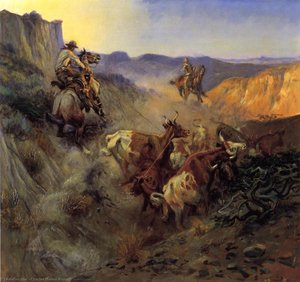 The Slick Ear
Experience 'The Slick Ear' by Charles Marion Russell – a dynamic oil painting capturing the American West’s spirit! Romantic landscapes & cowboy action. Explore this iconic piece.
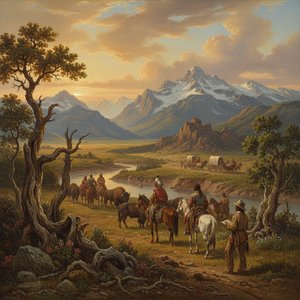
Russell’s artistic process was inextricably linked to his lived experience. He didn't paint from photographs or studio poses; he painted from memory, observation, and an intimate understanding of the subjects he portrayed. After eleven years working as a cowboy and wrangler, Russell dedicated himself fully to art in 1893. His early works often depicted scenes of daily ranch life – rounding up cattle, branding, winter campfires—rendered with a raw energy and immediacy that captured the grit and hardship of the era. However, it was his encounters with Native American tribes, particularly the Blackfoot Confederacy in Alberta, Canada, beginning in 1888, that profoundly shaped his artistic trajectory.
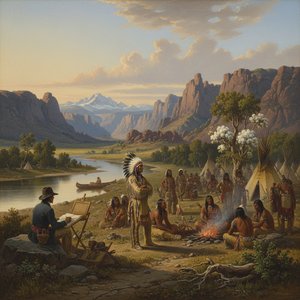
He spent two years living amongst these communities, meticulously observing their customs, ceremonies, and daily routines. This wasn’t a detached anthropological study; Russell actively sought to understand and portray the dignity and resilience of Native American culture. His paintings from this period are remarkable for their sensitivity and respect, avoiding stereotypical representations prevalent at the time. He captured not just *what* they did, but *how* they lived—the intricate details of clothing, weaponry, and social interactions. Russell’s watercolors, in particular, demonstrate a masterful use of color and light to evoke the vastness and beauty of the Western landscape, often serving as backdrops for his compelling narratives.
Beyond the Canvas: Storytelling, Advocacy, and Russell's Literary Contributions
Charles Marion Russell was more than just a painter; he was a storyteller. His art wasn’t simply about depicting scenes; it was about conveying the spirit of the West—its triumphs, tragedies, and enduring myths. He possessed a remarkable ability to imbue his paintings with narrative depth, often hinting at complex relationships and untold stories within each composition. This talent extended beyond the visual realm. Russell became a prolific writer, crafting humorous anecdotes, insightful observations, and poignant reflections on life in the West.
His writings, published in various magazines and later compiled into collections, offer a unique window into his worldview and provide valuable context for understanding his art. Crucially, Russell wasn’t merely an observer of change; he actively advocated for the rights of Native Americans. He passionately supported the Chippewa tribe's bid for a reservation in Montana, using his influence to raise awareness and garner support for their cause. In 1916, Congress passed legislation establishing the Rocky Boy Reservation—a testament to Russell’s unwavering commitment to social justice. This advocacy underscores that Russell wasn’t simply romanticizing the West; he was actively working to preserve a way of life threatened by encroaching civilization.
Iconic Works and Enduring Themes: A Closer Look at Key Paintings
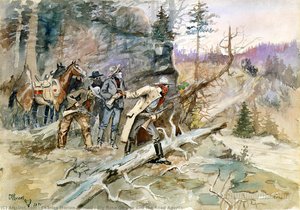 Big Nose George and the Road Agents
Witness the Wild West's drama in Charles Marion Russell’s 'Big Nose George and the Road Agents.' This watercolor captures outlaws & tension, a key piece of American Western art history.
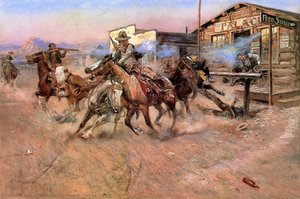
Russell's oeuvre is rich with iconic images that have come to define our perception of the American West. “Waiting for a Chinook,” born from a simple postcard sketch sent to a ranch owner, exemplifies his ability to transform everyday scenes into compelling works of art. The gaunt steer, patiently enduring a harsh winter under the watchful gaze of wolves, speaks volumes about resilience and survival. “Big Nose George and the Road Agents” (1892) captures the drama and tension of outlaw life, showcasing Russell’s skill in depicting dynamic action and complex character interactions. The watercolor medium lends itself beautifully to capturing the fleeting moments of danger and uncertainty.
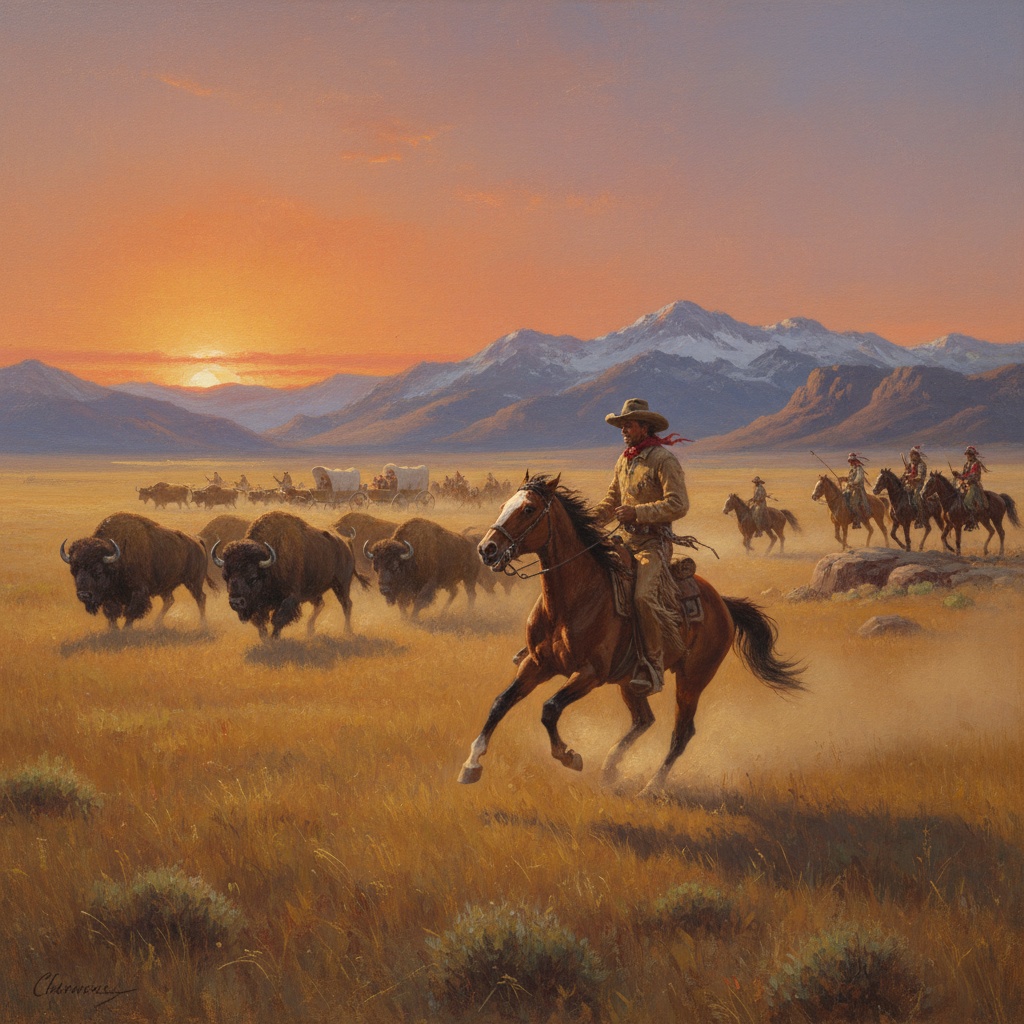
“The Slick Ear” (circa 1903-1905), an oil painting, exemplifies his romantic landscapes and cowboy action. “Fleecing the Priest,” while perhaps controversial in its subject matter, reveals Russell’s willingness to portray the less glamorous aspects of frontier life—the trickery, opportunism, and moral ambiguities that existed alongside heroism and adventure. Across these works, several enduring themes emerge: the relationship between humans and nature, the clash of cultures, the struggle for survival, and the fleeting beauty of a vanishing way of life. Russell’s masterful use of light, color, and composition consistently elevates these narratives beyond mere historical documentation.
Russell’s Legacy and Influence on Western Art
Charles Marion Russell fundamentally altered the landscape of Western art. He wasn't simply documenting a place; he was creating a mythology—a romanticized yet authentic vision of the American West that resonated deeply with audiences both at home and abroad. His influence can be seen in the work of countless artists who followed, shaping the genre for generations to come. Unlike many of his contemporaries who relied on studio settings and secondhand accounts, Russell’s firsthand experience lent an unparalleled level of authenticity to his paintings.
He established a standard for capturing the nuances of Western life—the subtle gestures, the weathered faces, the vastness of the landscape—that continues to inspire artists today. His commitment to portraying Native American culture with respect and dignity also set him apart, challenging prevailing stereotypes and fostering a more nuanced understanding of the West’s complex history. Russell's legacy extends beyond his paintings; it encompasses his storytelling, advocacy, and unwavering dedication to preserving the spirit of a vanishing way of life. He remains, rightfully so, known as “the cowboy artist,” but he was also a historian, a storyteller, and a champion for those whose voices were often unheard.
Collecting Charles Marion Russell: Considerations for Connoisseurs
For discerning art collectors, acquiring a work by Charles Marion Russell represents not only an investment in a historically significant artwork but also a connection to the spirit of the American West. Given his prolific output—over 2,000 paintings and sculptures—the market offers a range of options, though truly exceptional pieces command substantial prices. Watercolors from his early period often represent accessible entry points for collectors, showcasing his masterful use of color and light.
Provenance is paramount when considering a Russell acquisition; establishing the work’s history of ownership adds significant value and authenticity. Condition is also crucial, as works exposed to the harsh Montana climate may exhibit signs of age or restoration. Major collections are held at institutions like the C.M. Russell Museum in Great Falls, Montana, the Montana Historical Society, and the Buffalo Bill Center of the West, providing valuable resources for research and authentication. Understanding Russell’s stylistic evolution—from his early realistic depictions to his later more narrative compositions—is essential for appreciating the nuances of his work. Ultimately, collecting Charles Marion Russell is about more than acquiring a beautiful painting; it's about investing in a legacy—a powerful vision of the American West that continues to captivate and inspire.