 Send
Send Share
Share
 Details

 Download
 Similars
 Diaporama
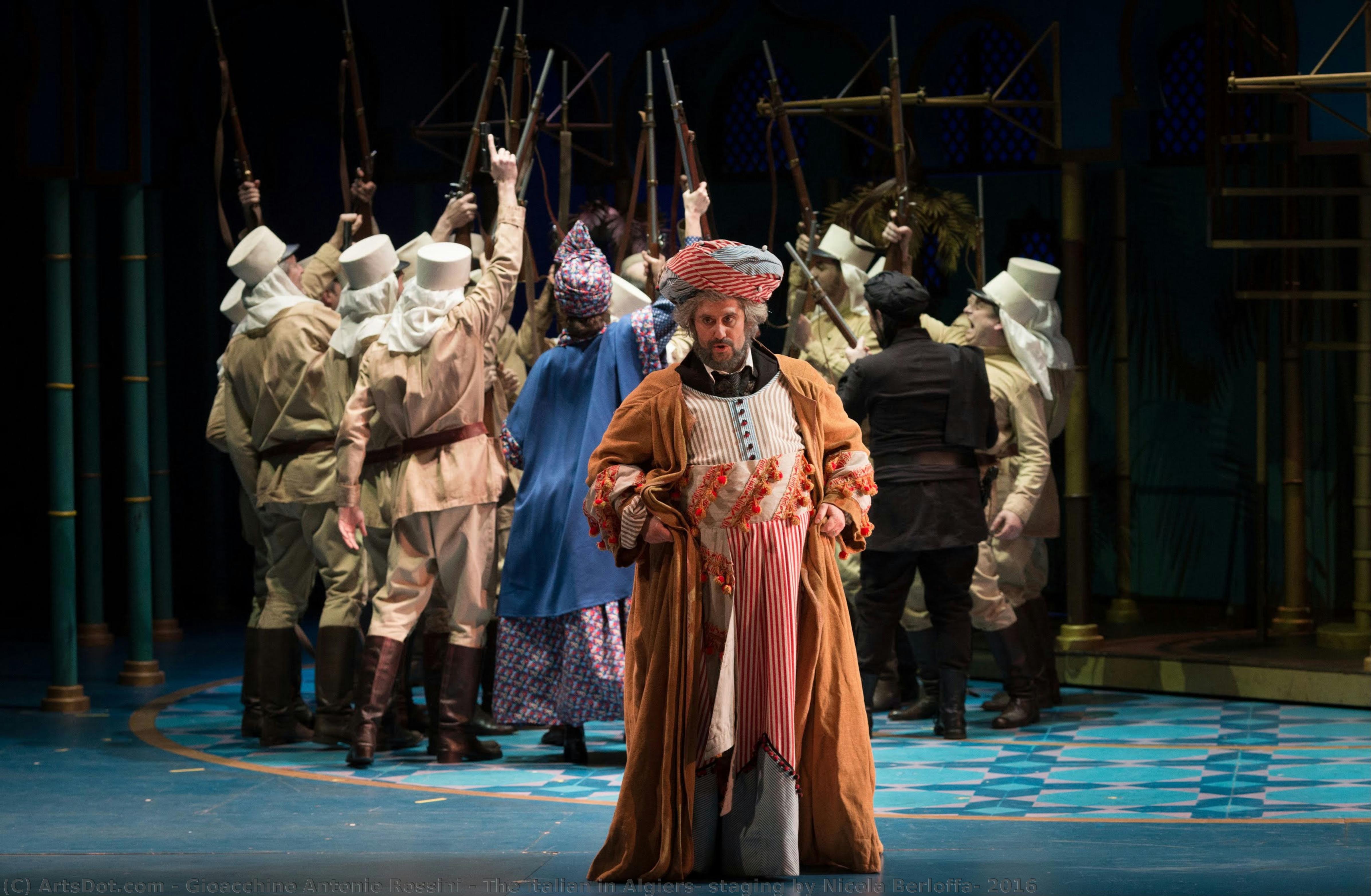
The italian in Algiers, staging by Nicola Berloffa, 2016


 Read More
Giclée / Art Print
Museum-quality giclée or canvas print with fast production and flexible finish options. ( Buy Hand Made Painting Buy Image)




































Pick from our preset sizes that match the artwork's original proportions.

You may enter your own dimensions to fit a specific frame or space. If your selected size does not match the original image's proportions, we will either crop the artwork or extend the image with a mirrored or solid-fill edge. A digital mockup will be sent for your approval before production begins.
Please note that the on-screen preview does not reflect the actual cropping or extension. Only the mockup will accurately show the final composition.
While custom sizes are available, we recommend selecting a dimension from the predefined list to preserve the original proportions.
Worldwide Delivery () in 2 weeks instead of standard 4/5 weeks. (29 August)

Free Worldwide Express Shipping

High-Quality Linen Canvas

Full Shipping Insurance

Customs Tax Refund Guarantee

True Color Matching Guarantee

60-Day Return Policy (Defects Only)

100% Money-Back Guarantee

Bulk Discount Offer
 Glass option is only available in size under 110 CM

The italian in Algiers, staging by Nicola Berloffa, 2016
Giclée / Art Print
Reproduction Size
-


Total Price
$ 63
A Theatrical Encounter: Capturing the Spirit of Rossini
In the evocative visual documentation of The Italian in Algiers, staging by Nicola Berloffa (2016), we are transported from the quietude of a gallery into the vibrant, breathing heart of an operatic performance. This piece captures a moment of profound dramatic tension, where the boundaries between reality and stagecraft blur. The central figure, embodying the essence of Rossini’s comedic yet spirited character, stands with hands raised in a gesture that oscillates between vulnerability and triumph. Surrounded by a troupe of actors costumed as soldiers, the scene pulses with the kinetic energy of a live production. The presence of unexpected elements, such as the birds fluttering near the periphery, adds a layer of naturalistic whimsy to the structured artifice of the stage, reminding the viewer that even within the controlled environment of theater, life remains unpredictable and wild.
The composition is masterfully arranged to guide the eye through a narrative of conflict and charisma. As one observes the man in the brown coat and the soldier clutching a firearm, a sense of mounting suspense takes hold. The backdrop—a weathered wall and a shadowy doorway—suggests an outdoor setting that feels both intimate and expansive, grounding the high drama of the opera in a tangible, rustic reality. For the discerning collector or interior designer, this work offers more than just a visual subject; it provides a window into the 19th-century operatic tradition, reimagined through a contemporary lens. The interplay of light and shadow across the actors' faces creates a chiaroscuro effect that lends depth and a painterly quality to the photographic capture, making it an ideal centerpiece for spaces that celebrate culture, history, and the performing arts.
The Legacy of Melodic Drama
To truly appreciate this staging, one must consider the musical soul behind the spectacle: Gioachino Rossini. As a titan of the Italian opera, Rossini’s works are characterized by their rhythmic vitality and infectious joy, qualities that are palpably present in this visual interpretation. The "Italian in Algiers" is not merely a title but a concept of cultural collision and comedic wit. When decorating a sophisticated interior, integrating a piece that references such a legendary composer allows for a conversation between the auditory and the visual. This reproduction serves as a tribute to the era of grand spectacles, where every gesture was designed to stir the soul and every costume told a story of adventure.
For those seeking to infuse their homes or curated collections with a sense of movement and historical grandeur, this work stands as a testament to the enduring power of the stage. It is an invitation to experience the breathless excitement of the opera house from the comfort of one's own sanctuary. Whether placed in a formal study or a contemporary living space, the image acts as a focal point of storytelling, evoking the timeless allure of the Italian spirit and the magnificent, rhythmic pulse of Rossini’s musical genius.
Related Artworks
Artist Biography
The Sparkling Genius of Gioachino Rossini
Gioacchino Antonio Rossini, a name synonymous with effervescent melodies and dramatic flair, stands as one of the most celebrated composers in operatic history. Born on February 29th, 1792, in Pesaro, Italy – a fittingly theatrical date for a man destined to dominate the stage – his life was a whirlwind of creative energy, social brilliance, and ultimately, a contented retreat from the very world he so captivated. His parents were both musically inclined; his father was a horn player and his mother a celebrated singer, providing an early immersion in the sounds and traditions that would shape his extraordinary talent. This upbringing wasn’t merely supportive but actively fostered his precocious abilities. By the age of seven, Rossini was already demonstrating remarkable musical aptitude, absorbing influences from composers like Mozart and Haydn through the vibrant operatic scene of Bologna. He studied at the Liceo Musicale in Bologna, though his rebellious spirit often led him to prioritize practical experience – attending performances and learning by ear – over strict academic discipline. This intuitive approach would become a hallmark of his style, prioritizing emotional impact and theatrical effectiveness above all else.From Early Successes to International Acclaim
Rossini’s early career was characterized by astonishing productivity. He composed operas at an almost unbelievable rate, quickly establishing himself as a rising star in the Italian operatic landscape. His breakthrough came with *La pietra del paragone* (The Touchstone) in 1812, showcasing his burgeoning talent for comedic timing and intricate vocal writing. However, it was *Il barbiere di Siviglia* (The Barber of Seville), premiered in Rome in 1816, that truly cemented his international reputation. The opera’s initial reception wasn't entirely positive; a disastrous first night nearly derailed its success. But word-of-mouth spread rapidly, fueled by the sheer brilliance of the music and the witty libretto. The overture alone became instantly recognizable, a vibrant burst of energy that perfectly captured the opera’s playful spirit. Following *Il barbiere*, Rossini embarked on a period of prolific creation, composing masterpieces like *Tancredi* (1826), *Semiramide* (1823) and *La Cenerentola* (Cinderella, 1817). These works demonstrated his versatility, moving seamlessly between comedic opera buffa and more serious dramatic styles. He became the darling of Naples, then Venice, and finally Paris, where he served as director of the Théâtre Italien from 1824 to 1829.A Parisian Zenith and a Voluntary Retirement
Paris proved to be a pivotal chapter in Rossini’s life. He enjoyed immense social success, becoming a celebrated figure in Parisian high society. His operas were performed with lavish spectacle, captivating audiences accustomed to grand productions. *Guillaume Tell* (William Tell), premiered in 1829, became his final opera and remains one of the most iconic works in the repertoire. However, despite continued acclaim, Rossini began to feel increasingly disillusioned with the demands of operatic life. The pressures of composing new works, coupled with political turmoil and changing musical tastes, led him to a surprising decision: he retired from writing operas at the relatively young age of 37. This wasn’t a result of declining health or creative block, but rather a conscious choice to prioritize personal enjoyment and social pursuits. He continued to compose other music – sacred works like the *Stabat Mater* and collections of piano pieces known as *Péchés de vieillesse* (Sins of Old Age) – but he largely abandoned large-scale operatic projects.Influences, Style, and Lasting Legacy
Rossini’s musical style was a unique blend of Italian melodic sensibility, dramatic flair, and a keen understanding of vocal technique. He drew inspiration from composers like Mozart, Cimarosa, and Paisiello, but he quickly developed his own distinctive voice. His operas are characterized by rapid-fire ensemble scenes (*ensemble finales*), intricate ornamentation, and a masterful use of *crescendo*. He was renowned for his ability to write bel canto melodies – beautiful, flowing lines that showcased the virtuosity of singers. His orchestration, while not as complex as later Romantic composers, was remarkably effective in creating dramatic atmosphere and highlighting vocal performances. Rossini’s influence on subsequent generations of composers is undeniable. He paved the way for Verdi and Puccini, establishing a tradition of Italian operatic excellence that continues to thrive today. His emphasis on melodic beauty, dramatic pacing, and theatrical effectiveness remains central to the art form. He died in Paris in 1868, leaving behind a legacy of sparkling genius that continues to enchant audiences worldwide. His operas are performed regularly around the globe, ensuring that his music will continue to resonate for centuries to come.Beyond the Stage: A Culinary Connoisseur
While celebrated as an operatic titan, Rossini was also a renowned gourmand and culinary enthusiast. His love of food was legendary, and he often hosted lavish dinners for friends and colleagues. He even published *Les Soirées Musicales*, a collection of anecdotes about music and gastronomy.- His passion for cooking extended beyond mere enjoyment; he considered it an art form on par with music.
- He famously collaborated with chef Antonin Carême, creating elaborate menus inspired by his operas.
- The “Tournedos Rossini,” a dish of beef tenderloin with foie gras and truffle sauce, remains a testament to his culinary legacy.
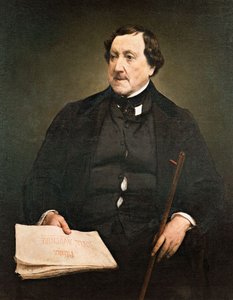
gioacchino antonio rossini
1792 - 1868 , Italy
Quick Facts
- Artistic Movement Or Style: Opera Buffa, Classical Music
- Date Of Birth: February 29, 1792
- Date Of Death: 1868
- Full Name: Gioacchino Antonio Rossini
- Nationality: Italian
- Notable Artworks:
- The Barber of Seville
- La pietra del paragone
- Place Of Birth: Pesaro, Italy
Related Articles
Dramatic Masterpieces: 10 Artworks for a Powerful Home Decor Statement |
Explore 10 dramatic artworks by masters like Caravaggio, Van Gogh & Munch. Uncover the stories behind these powerful paintings and find museum-quality reproductions to transform your home decor. Discover all masterpieces on .
Albert Kretschmer: Capturing 19th-Century Costume & the Seeds of Expressionism
Explore the exquisite costume studies of Albert Kretschmer (1825-1891). Discover his detailed illustrations, influence on art history & connection to early Expressionism. Learn about collecting this remarkable artist's work.

The Visceral Stage: Exploring Dramatic Narratives & Emotional Intensity in Baroque Art
Explore the dramatic world of Baroque art! Discover iconic masters like Caravaggio & Rembrandt, their techniques, and the movement's lasting impact. Expert insights for collectors & enthusiasts at ArtsDot.
Dramatic Art: 10 Masterpieces That Stir the Soul |
Explore 10 dramatic artworks by masters like Rembrandt & Munch that stir deep emotion. Discover art history, techniques & find museum-quality reproductions for your home at . Explore the full collection online.
The Power of Narrative Tension: Exploring Dramatic Scenes in Art History
Explore the captivating power of dramatic scenes in art history. Discover Baroque masters like Ribera & Caravaggio, learn about chiaroscuro techniques, and gain insights for building a powerful art collection with ArtsDot.