

 Preview
 Send
Send Share
Share
 Details

 Download
 Similars
 X-Ray
X-Ray Diaporama
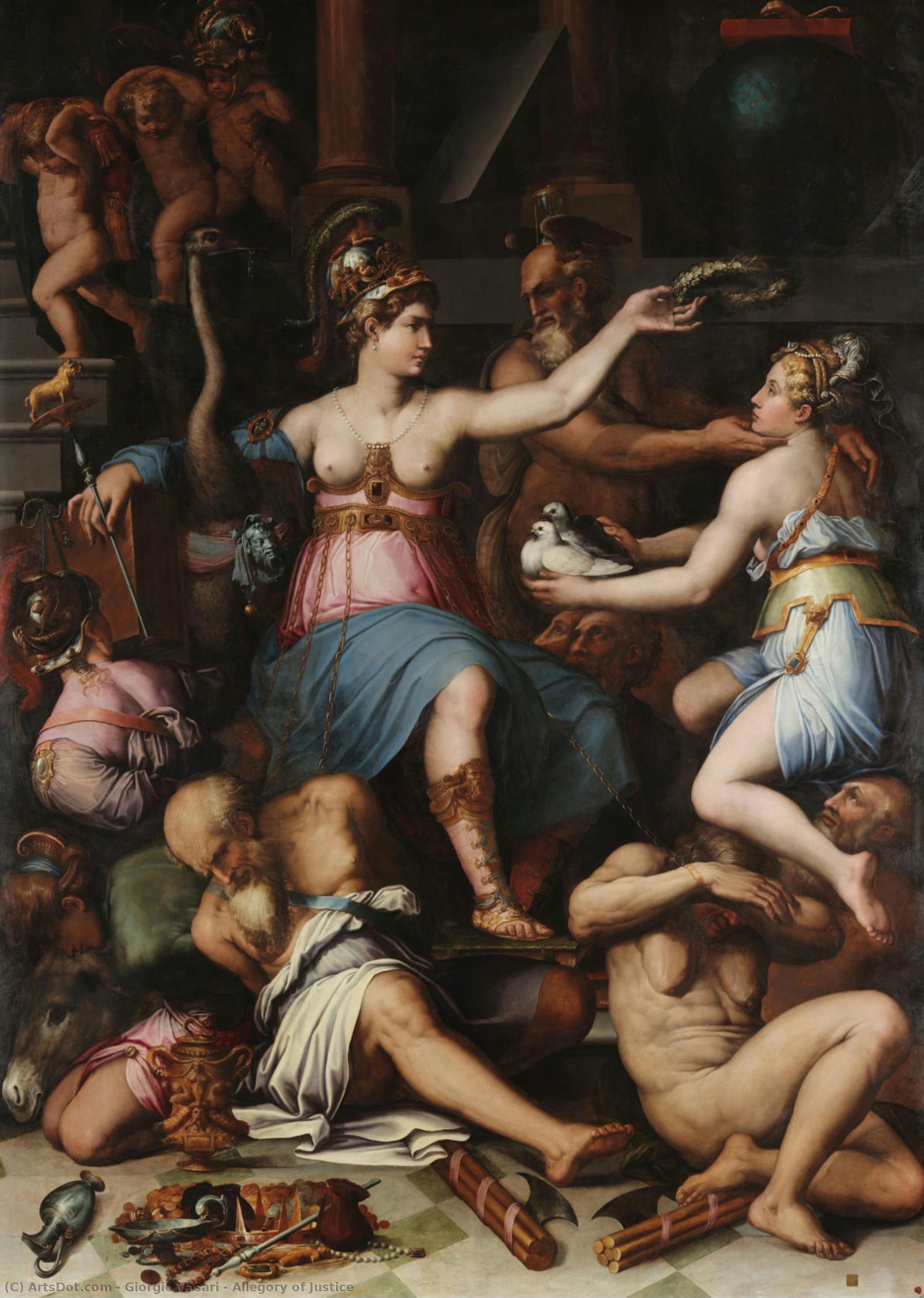
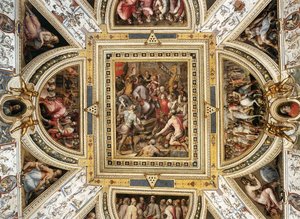
Allegory of Justice


 Read More
Purchase a high-resolution, enhanced digital image, far superior to the online preview.
Each file is meticulously prepared by our in-house specialists using advanced tools and expert manual retouching. We ensure every image has exceptional clarity, precise color accuracy, and fine detail.
The final file is delivered via email within 72 hours, optimized for immediate use in professional, editorial, and print environments. This is the same quality trusted by top-tier design studios, publishers, and galleries.
Digital Image
Download a high-resolution file for personal display, printing, and creative projects. ( Buy Print Buy Hand Made Painting)
Included in Every Digital Image Order
Expert Digital Delivery, Guaranteed
When you choose ArtsDot.com, you're not just getting an image - you're receiving a professionally enhanced digital artwork, crafted with precision and backed by a satisfaction guarantee. Here's everything that comes with your order, automatically:

Fast Email Delivery
Your high-resolution digital image file will be emailed to you within 72 hours of ordering - ready for immediate use.

AI-Enhanced Digital File
Your artwork is professionally optimized using advanced AI tools and manual editing, ensuring maximum detail, clarity, and color accuracy.

Free Lifetime Re-Delivery
Accidentally deleted or lost your file? No worries - we'll resend it to you anytime, free of charge.

No Import Fees - Ever
Enjoy your artwork instantly with zero customs, duties, or delivery fees - digital downloads are always tax-free.

Color Accuracy Guarantee
We ensure your digital image reflects the original colors as closely as possible using professional tools and color management.

60-Day Satisfaction Guarantee
If you're not satisfied with your digital image, we'll revise it or refund 100% within 60 days - no questions asked.

100% Money-Back Guarantee
Not satisfied? Get a full refund within 60 days of receiving your digital file - no questions asked.

Bulk Order Discounts
Buy 3 images, save 10% - Buy 5, save 15% - Buy 10+, save 20%. Great for creative projects, galleries, and agencies.
Collectible Description
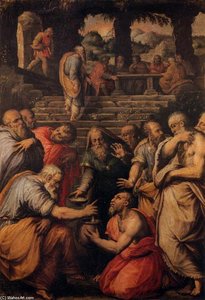
The Weight of Justice: Giorgio Vasari’s Allegory of Truth and Power
Giorgio Vasari's 1543 fresco, “Allegory of Justice and Truth,” residing within the Palazzo Cancelleria in Rome, is far more than a mere decorative panel; it’s a meticulously constructed visual sermon on virtue, governance, and the very foundations of Renaissance ideals. Commissioned by Cardinal Alessandro Farnese, this monumental work transcends its initial purpose as a room decoration to become a profound meditation on the principles that underpinned the burgeoning power of the Papal States and the evolving concept of justice itself. Vasari masterfully blends classical allegory with humanist philosophy, creating an image brimming with symbolic weight and arresting beauty.
The composition immediately commands attention. At its heart stands Justice, personified as a youthful woman, her figure rendered in a striking semi-nude pose – a deliberate choice that reflects both the idealized beauty of Renaissance sculpture and a subtle assertion of female authority within a traditionally masculine realm of power. Her arms are engaged in a dynamic embrace: one outstretched to cradle an ostrich, representing patience and endurance; the other extended to bestow a laurel crown upon Truth, personified by a serene, contemplative figure. This gesture signifies Justice’s active role in nurturing and validating truth – a crucial element within the context of the Reformation and the challenges to papal authority.
A Tapestry of Symbolic Figures
Surrounding this central triad is a carefully orchestrated tableau populated by personifications of various virtues and vices. Time, depicted as an aged man burdened with an hourglass, patiently bestows wisdom upon Truth, illustrating the cyclical nature of justice and the importance of remembering past lessons. Below them, chained and subdued, are the seven deadly sins – Greed, Pride, Envy, Wrath, Sloth, Lust, and Gluttony – a potent reminder of the corrupting influence that Justice must constantly combat. The inclusion of these figures isn’t merely decorative; it serves as a stark warning against moral decay and underscores the necessity of upholding ethical standards within society.
Notably, the scene is framed by a complex interplay of classical references. The ostrich, a symbol deeply rooted in Roman tradition, represents not just patience but also vigilance – a crucial attribute for those entrusted with administering justice fairly. The laurel crown bestowed upon Truth echoes the honors and recognition granted to philosophers and virtuous individuals throughout antiquity. Vasari’s skillful integration of these elements elevates the fresco beyond a simple depiction of abstract concepts, grounding it in a rich historical and philosophical context.
Technique and Artistic Flourishes
Vasari's mastery is evident in his meticulous execution and sophisticated use of color and light. The fresco employs *terracotta* – a reddish-brown pigment derived from clay – to create a warm, earthy palette that contrasts beautifully with the cool blues and greens used for the figures’ drapery. The artist demonstrates an exceptional understanding of perspective and anatomical accuracy, particularly in the rendering of Justice's physique, which is reminiscent of classical sculptures by artists like Donatello and Michelangelo. The subtle gradations of tone and shadow contribute to a remarkable sense of depth and realism, drawing the viewer into the scene.
A Legacy of Moral Authority
“Allegory of Justice and Truth” remains a powerful testament to Vasari’s artistic skill and his engagement with the intellectual currents of the Renaissance. It served as a visual manifesto for the Farnese court, promoting the virtues of justice, prudence, and piety – qualities deemed essential for maintaining order and stability within the Papal States. Beyond its immediate political context, the fresco continues to resonate today as a timeless exploration of fundamental human values and the enduring struggle between good and evil. It’s a work that invites contemplation, prompting viewers to consider their own roles in upholding justice and striving towards truth in an increasingly complex world.
Related Artworks


Artist Biography
A Life Woven into the Renaissance Fabric
Giorgio Vasari, born in Arezzo, Tuscany, on July 30, 1511, was more than simply a painter; he was a quintessential embodiment of the Italian Renaissance spirit. His life unfolded as a vibrant tapestry woven with threads of artistic creation, architectural innovation, insightful historical writing, and an unwavering dedication to celebrating the masters who came before him. From his earliest training under Guglielmo da Marsiglia, a skilled artisan in stained glass, young Giorgio’s path was steered towards visual artistry. However, it was his move to Florence at sixteen that truly ignited his potential. Immersing himself within the dynamic circle of Andrea del Sarto and absorbing the influences of Rosso Fiorentino and Jacopo Pontormo, Vasari began a journey that would see him become one of the most influential figures of his era. His formative years were also deeply marked by the patronage and friendship of the powerful Medici family, a relationship that would shape both his career and his perspective on art’s role in society.The Artist's Hand and Eye
Vasari’s artistic style is often categorized as Mannerist, reflecting the prevailing aesthetic trends of the mid-16th century. His paintings are characterized by elongated figures, dynamic compositions, and a sophisticated use of color—qualities highly admired during his lifetime. While perhaps not achieving the same level of enduring fame as some of the artists he chronicled, Vasari’s skill was undeniable. Notable works such as The Studio of the Painter, a fresco housed in Casa Vasari in Arezzo, offer a fascinating glimpse into the artistic practices of the time. The sheer scale and ambition of his frescoes for the Palazzo Vecchio in Florence, undertaken between 1555 and 1572, demonstrate his mastery of large-scale decorative schemes. His final monumental undertaking, The Last Judgement, adorning the cupola of Florence Cathedral—completed after his death by Federico Zuccari—stands as a testament to his unwavering commitment to grand artistic visions. Beyond painting, Vasari’s architectural contributions were equally significant. He designed the elegant loggia of the Palazzo degli Uffizi, transforming it into a public piazza and creating a vital link within Florence's urban landscape. Perhaps most famously, he conceived and oversaw the construction of the Vasari Corridor, a secret passageway connecting the Uffizi Gallery with the Palazzo Pitti—a feat of engineering and architectural ingenuity that continues to captivate visitors today.A Historian Forging a Legacy
However, it is arguably as an art historian that Giorgio Vasari secured his most lasting legacy. His monumental work, Lives of the Most Excellent Painters, Sculptors, and Architects, published in 1550 (with a revised edition in 1568), revolutionized the way art was understood and appreciated. This groundbreaking text wasn’t merely a collection of biographies; it established a narrative framework for the development of Italian Renaissance art, tracing its evolution from the early masters like Cimabue and Giotto to his contemporaries Michelangelo and Raphael. Vasari's work introduced the very concept of the “Renaissance” – a rebirth of classical ideals—and laid the foundation for modern art history as a discipline. While acknowledging that Vasari’s accounts are not without their biases and inaccuracies, particularly concerning artists predating his own time, the impact of Lives remains profound. It provided a crucial historical context for artistic creation, elevating the status of artists from skilled craftsmen to intellectual figures worthy of scholarly attention.Influences and Enduring Significance
Vasari’s artistic development was profoundly shaped by his exposure to the works of Renaissance masters. His visit to Rome in 1529, where he studied the art of Raphael and other High Renaissance artists, proved pivotal. He absorbed their principles of composition, anatomical accuracy, and idealized beauty, incorporating them into his own style. Michelangelo, whom Vasari greatly admired, exerted a particularly strong influence on both his painting and architecture. The grandeur and dynamism characteristic of Michelangelo’s work are evident in many of Vasari’s projects. Beyond specific artists, the broader intellectual currents of the Renaissance—humanism, classical learning, and a renewed interest in empirical observation—also informed Vasari's approach to art and history. Giorgio Vasari died on June 27, 1574, in Florence, leaving behind a multifaceted legacy that continues to resonate today. He was not only a talented artist and architect but also a pioneering historian whose writings shaped our understanding of one of the most transformative periods in Western art history. His work remains essential for anyone seeking to explore the rich cultural heritage of the Italian Renaissance.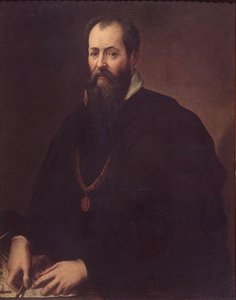
Giorgio Vasari
1511 - 1574 , Italy
Quick Facts
- Artistic Movement Or Style: Mannerism
- Artists Or Movements Influenced By This Artist: ['Renaissance art history']
- Artists Who Influenced This Artist:
- Andrea del Sarto
- Raphael
- Michelangelo
- Date Of Birth: July 30, 1511
- Date Of Death: June 27, 1574
- Full Name: Giorgio Vasari
- Nationality: Italian
- Notable Artworks:
- The Studio of the Painter
- The Last Judgement
- Adoration of the Magi
- Place Of Birth: Arezzo, Italy

