 Preview
 Send
Send Share
Share
 Details

 Download
 Similars
 X-Ray
X-Ray Diaporama
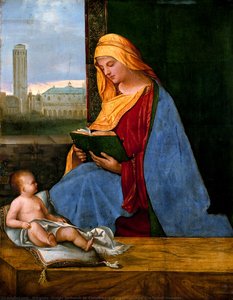
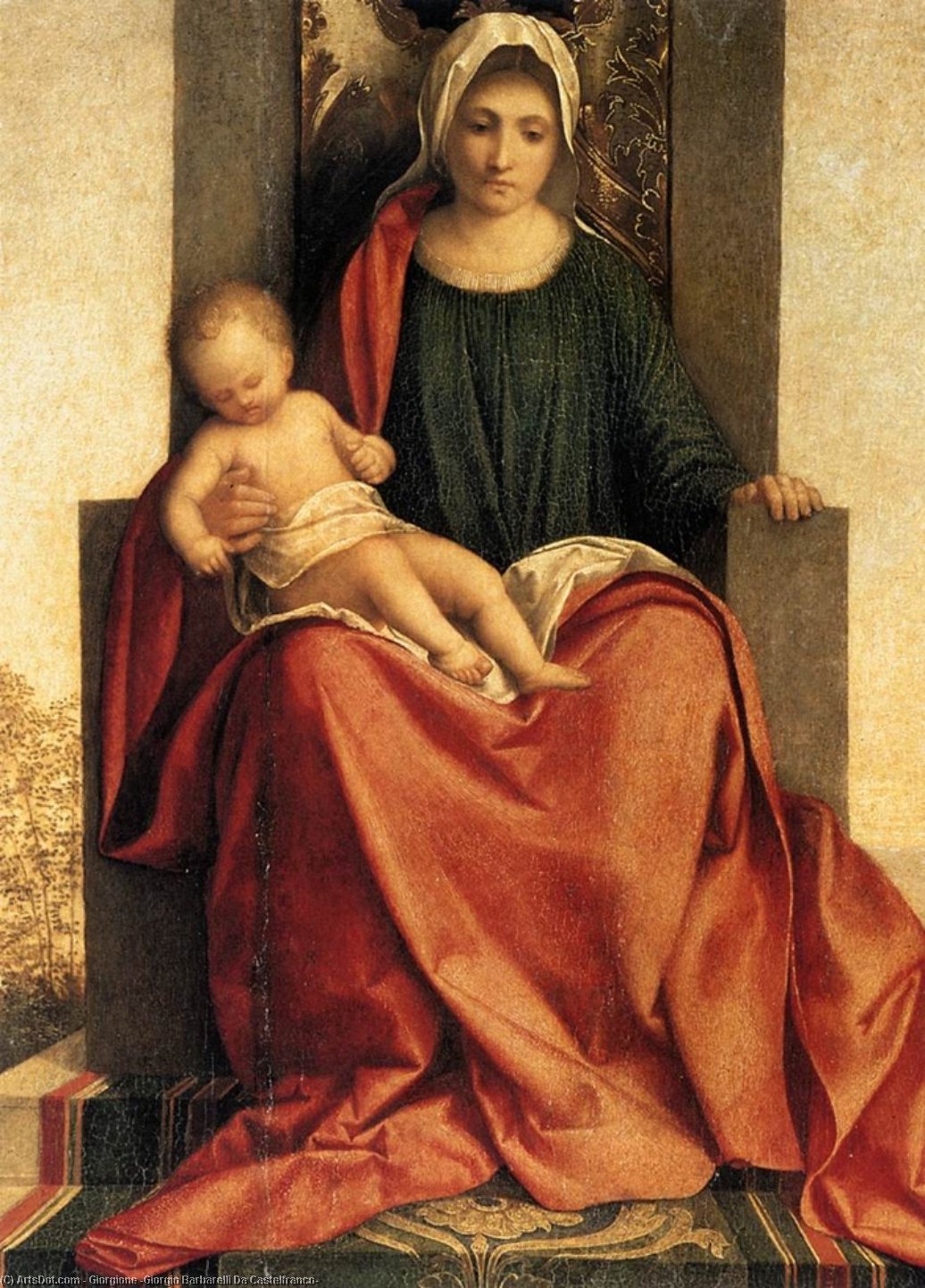
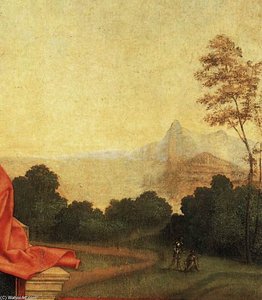
Madonna And Child Enthroned Between St Francis And St Liberalis (detail)


 Read More
Hand Made Oil Reproduction
Hand-painted oil on canvas in your size and frame, made to order by our artists. ( Buy Print Buy Image)




P118B $10

P118H $10

P118W $10

P438Z $10

P508JH $12

P508YH $12

P805H $10

P805Z $10

P919BZ $10

P919G $10

P919XJ $10

P959ZH $10

P968JZ $12

W106C $8

W218G $10

W218JH $8

W218Y $10

W307PJ $10

W316G $10

W316PJ $8

W316Y $10

W398PJ $8

W4111J $10

W500HY $15

W500JH $15

W692G $12

W849H $8

W940BG $15

W953PJ $8




Pick from our preset sizes that match the artwork's original proportions.

You may enter your own dimensions to fit a specific frame or space. If your selected size does not match the original image's proportions, we will either crop the artwork or extend the painting with additional hand-painted elements. A digital mockup will be sent for your approval before production begins.
Please note that the on-screen preview does not reflect the actual cropping or extension. Only the mockup will accurately show the final composition.
While custom sizes are available, we recommend selecting a dimension from the predefined list to preserve the original proportions.
After order, ArtsDot.com team will email client for instructions and provide a mockup preview
Worldwide Delivery () in 3/4 weeks instead of standard 5 weeks. (16 August). No compromise on quality.

Free Worldwide Express Shipping

High-Quality Linen Canvas

Full Shipping Insurance

Customs Tax Refund Guarantee

True Color Matching Guarantee

60-Day Return Policy (Defects Only)

100% Money-Back Guarantee

Bulk Discount Offer
 Glass option is only available in size under 110 CM

Madonna And Child Enthroned Between St Francis And St Liberalis (detail)
Reproduction Medium
Reproduction Size
-


Total Price
$ 288
Artwork Description
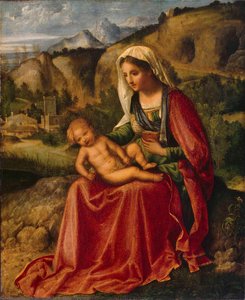
A Vision of Divine Serenity: Giorgione’s *Madonna and Child Enthroned Between St Francis and St Liberalis* (detail)
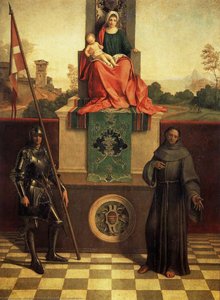
This exquisite detail offers a glimpse into one of Giorgione's most celebrated works, the *Madonna and Child Enthroned Between St. Francis and St. Liberalis*, also known as the Castelfranco Madonna. Painted around 1504-1505, this altarpiece embodies the High Renaissance’s burgeoning focus on humanism, naturalism, and a lyrical approach to religious iconography. Giorgione, a master of Venetian painting, imbues the scene with an atmosphere of quiet devotion and tender grace.Subject & Composition: A Harmonious Gathering
The composition centers around the Virgin Mary cradling the Christ Child, seated regally upon an ornate throne. Flanking them are Saint Francis of Assisi – identifiable by his humble habit – and Saint Liberalis, the patron saint of Castelfranco Veneto, where the painting was originally commissioned for the town’s cathedral. The arrangement isn't rigidly formal; instead, Giorgione achieves a harmonious balance through subtle gestures and gazes that connect the figures. This detail focuses on the intimate connection between mother and child, highlighting Mary’s gentle expression and protective embrace.Style & Technique: Venetian Lyricalism
Giorgione's style is distinctly Venetian, prioritizing color, atmosphere, and *poetic* feeling over precise linear definition – a contrast to the Florentine school. He masterfully employs oil paint, utilizing glazing techniques to build up layers of luminous color and create a soft, almost dreamlike quality. Notice the rich textures achieved through impasto, particularly in Mary’s robes and the intricate detailing of the throne. The landscape background, though indistinct, suggests depth and contributes to the overall sense of serenity. His use of *sfumato*, borrowed from Leonardo da Vinci, softens outlines and creates a subtle haziness that enhances the painting's ethereal quality.Symbolism & Iconography: Layers of Meaning
The artwork is rich in religious symbolism. Mary’s pose as a nurturing mother – breastfeeding the Christ Child – emphasizes her role as both divine queen and earthly caregiver. The throne signifies her royal status as Queen of Heaven, while the presence of Saints Francis and Liberalis connects the sacred scene to local patronage and devotion. Saint Francis' inclusion speaks to Giorgione’s era’s growing appreciation for Franciscan spirituality and its emphasis on poverty and humility.Historical Context & Legacy: A Venetian Master
Giorgione lived a tragically short life, but his impact on the development of Venetian painting was profound. He, alongside Titian, established the foundations of the Venetian school, characterized by its vibrant color palettes, atmospheric perspective, and emphasis on *sensuous* beauty. His innovative approach paved the way for future generations of artists and continues to inspire today. The Castelfranco Madonna is considered one of his most important works, showcasing his unique ability to blend religious piety with a distinctly humanistic sensibility.Emotional Impact & Aesthetic Appeal
This detail evokes a sense of peaceful contemplation and spiritual reverence. Giorgione’s masterful use of color and light creates an atmosphere of warmth and intimacy, drawing the viewer into the scene. The painting's enduring appeal lies in its ability to transcend religious boundaries and speak to universal themes of motherhood, love, and divine grace. A reproduction of this work would bring a touch of Renaissance elegance and tranquility to any interior space, serving as a focal point for reflection and aesthetic appreciation.Related Artworks

Artist Biography
A Venetian Enigma: The Life and Legacy of Giorgione
Giorgio Barbarelli da Castelfranco, known to the world as Giorgione, remains one of the most elusive and captivating figures in Renaissance art. Born in the small town of Castelfranco Veneto near Venice around 1477 or 1478 – the exact year is debated – his tragically short life, ending around 1510 at the age of thirty-two or thirty-three, belies an artistic impact that continues to resonate centuries later. Unlike many of his contemporaries whose lives are well documented, Giorgione’s story is shrouded in mystery, pieced together from scant historical records and the often romanticized accounts of Giorgio Vasari. What we do know suggests a man deeply immersed in the vibrant culture of Venice, a city that fostered both artistic innovation and a sensual appreciation for beauty. He likely apprenticed under Giovanni Bellini, a leading Venetian painter, absorbing the established traditions before forging his own unique path. Early commissions included portraits of prominent figures like Doge Agostino Barbarigo, demonstrating an immediate talent for capturing likeness and status. However, it was in his departure from conventional subject matter and his revolutionary approach to painting that Giorgione truly distinguished himself.Poetic Visions: Style and Innovation
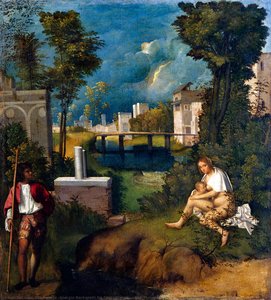
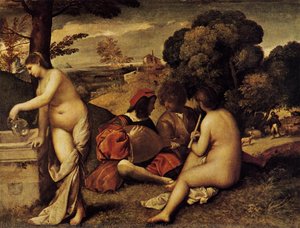
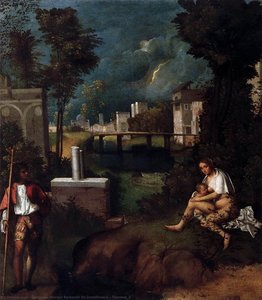
Giorgione’s artistic style marked a significant break from the prevailing Florentine emphasis on linear perspective and precise draftsmanship. He championed color, atmosphere, and an evocative moodiness that became hallmarks of the Venetian school. His technique involved softening outlines, employing subtle gradations of tone – *sfumato* – to create atmospheric effects, and prioritizing overall harmony over meticulous detail. This approach wasn’t merely a technical choice; it reflected a fundamentally different artistic sensibility. Giorgione sought not to replicate reality but to capture its essence, its fleeting emotions, and its poetic resonance. His paintings often feature enigmatic subjects and ambiguous narratives, inviting viewers into a world of contemplation rather than offering clear-cut stories. The Tempest, perhaps his most famous work, exemplifies this perfectly. The scene – a soldier and a nursing mother amidst a stormy landscape – has baffled art historians for centuries, its meaning remaining tantalizingly out of reach. Similarly, Pastoral Concert (Fête champêtre) presents an idyllic gathering of musicians in a pastoral setting, celebrated not for any specific narrative but for its harmonious composition and lyrical quality. These works weren’t intended to be puzzles to solve; they were meant to evoke feelings, moods, and a sense of wonder.Masterpieces and Enduring Influence
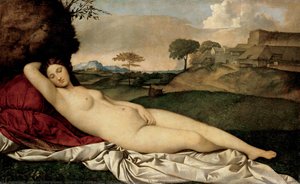
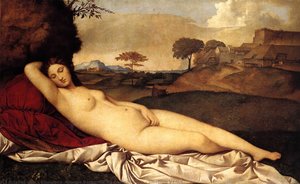
Though his output was limited by his untimely death, Giorgione left behind a small but profoundly influential body of work. Sleeping Venus, likely completed with assistance from Titian after Giorgione’s passing, is an iconic depiction of the goddess, showcasing his mastery of color and form. The languid pose and soft flesh tones embody the Venetian appreciation for sensuality and beauty. Other notable works include Judith, an early example of his developing style, and portraits that reveal a keen ability to capture the character and essence of his subjects. Giorgione’s influence extended far beyond his own paintings. He was a mentor to Titian, who would become one of the most celebrated artists of the High Renaissance, carrying forward Giorgione's innovations in color and atmospheric painting. The emphasis on color and atmosphere profoundly impacted the development of Venetian painting, distinguishing it from the Florentine tradition and establishing Venice as a major center for artistic innovation.A Lasting Legacy: Giorgione’s Historical Significance
Despite his brief career, Giorgione occupies a pivotal position in art history. He bridged the gap between earlier Venetian traditions and the innovations of Titian and other later masters, fundamentally altering the course of Italian painting. His emphasis on poetic mood, atmospheric effects, and ambiguous narratives paved the way for new artistic explorations and inspired generations of artists. The very mystery surrounding his life and work has contributed to his enduring mystique and appeal. He remains a symbol of artistic freedom, innovation, and the power of suggestion – a painter who dared to prioritize feeling over form, atmosphere over accuracy, and poetry over narrative.Key Works by Giorgione
- The Tempest (c. 1506-1508)
- Pastoral Concert (Fête champêtre) (c. 1509)
- Sleeping Venus (c. 1510)
- Judith (1504)
- Portrait of a Venetian Gentleman
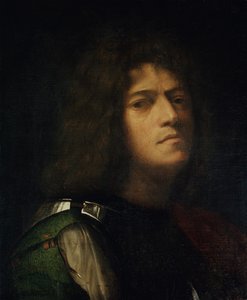
Giorgione
1477 - 1510 , Italy
Quick Facts
- Artistic Movement Or Style: High Renaissance, Venetian school
- Artists Or Movements Influenced By This Artist:
- Titian
- Venetian painting
- Artists Who Influenced This Artist:
- Giovanni Bellini
- Mantegna
- Date Of Birth: 1477/78 or 1473/74
- Date Of Death: 1510
- Full Name: Giorgio Barbarelli da Castelfranco
- Nationality: Italian
- Notable Artworks:
- The Tempest
- Pastoral Concert
- Sleeping Venus
- Judith
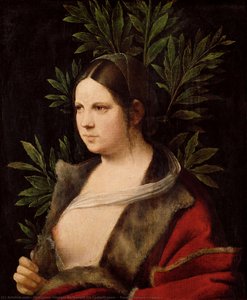
- Laura
- Place Of Birth: Castelfranco Veneto, Italy
Related Articles
Raphael's Masterpieces: 25 Iconic Paintings & Renaissance Art for Your Home
Explore 25 breathtaking Raphael paintings! Journey through the Italian Renaissance with masterpieces like 'School of Athens' & iconic Madonnas. Find museum-quality art reproductions and elevate your home decor on ArtsDot.com.

The Enduring Legacy of Oil on Canvas: Technique, History & Aesthetic Impact
Explore the rich history & techniques of oil painting – from Renaissance masters to Impressionism. Discover pigments, layering methods, and why this timeless medium endures. Expert insights for artists & art enthusiasts.

Oil on Canvas: A Historical & Technical Exploration of a Timeless Artistic Medium
Explore the rich history & enduring techniques of oil painting on canvas. Discover the science behind its longevity, conservation practices, and contemporary relevance. Expert insights for art enthusiasts.

The Enduring Power of Painting: A Historical & Contemporary Exploration of Form and Emotion
Explore the rich history & enduring techniques of oil painting with ArtsDot. Discover masterpieces, learn about art collecting, and find authentic handmade reproductions crafted by skilled artists.

The Enduring Legacy of Oil on Canvas: Technique, History & Contemporary Practice
Explore the rich history & enduring techniques of oil painting on canvas. Discover the science behind its longevity, conservation practices, and contemporary relevance. Expert insights for art enthusiasts.