 Preview
 Send
Send Share
Share
 Details

 Download
 Similars
 X-Ray
X-Ray Diaporama
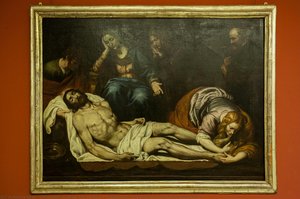
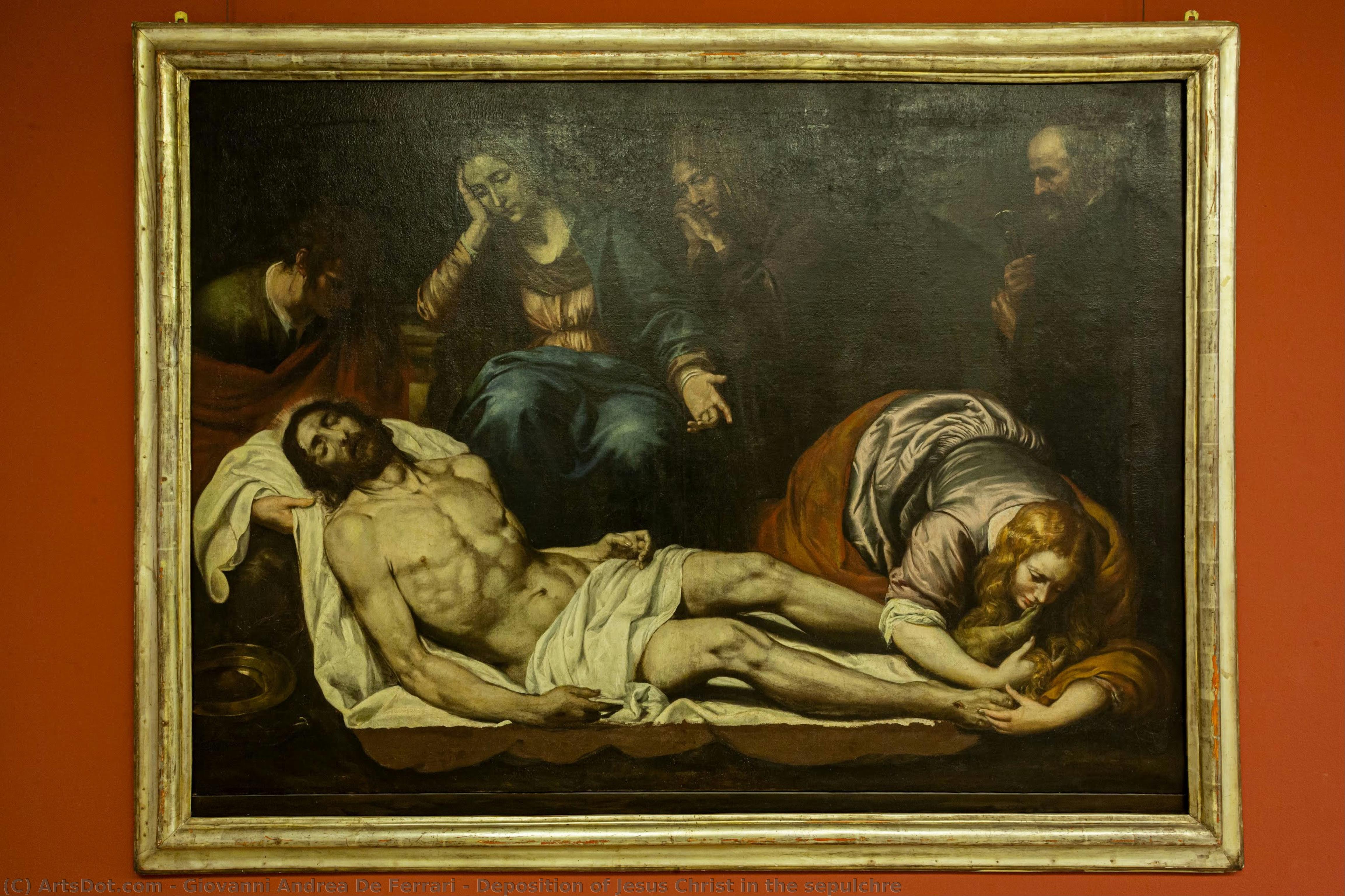
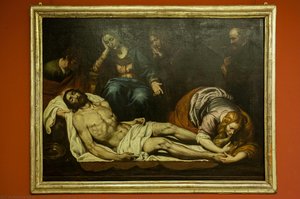
Deposition of Jesus Christ in the sepulchre

 Read More
Giclée / Art Print
Museum-quality giclée or canvas print with fast production and flexible finish options. ( Buy Hand Made Painting Buy Image)




































Pick from our preset sizes that match the artwork's original proportions.

You may enter your own dimensions to fit a specific frame or space. If your selected size does not match the original image's proportions, we will either crop the artwork or extend the image with a mirrored or solid-fill edge. A digital mockup will be sent for your approval before production begins.
Please note that the on-screen preview does not reflect the actual cropping or extension. Only the mockup will accurately show the final composition.
While custom sizes are available, we recommend selecting a dimension from the predefined list to preserve the original proportions.
Worldwide Delivery () in 2 weeks instead of standard 4/5 weeks. (3 September)

Free Worldwide Express Shipping

High-Quality Linen Canvas

Full Shipping Insurance

Customs Tax Refund Guarantee

True Color Matching Guarantee

60-Day Return Policy (Defects Only)

100% Money-Back Guarantee

Bulk Discount Offer
 Glass option is only available in size under 110 CM

Deposition of Jesus Christ in the sepulchre
Giclée / Art Print
Reproduction Size
-


Total Price
$ 63
Related Artworks




Artist Biography
A Genoese Visionary: The Life and Art of Giovanni Andrea de Ferrari
Giovanni Andrea de Ferrari (1598 – December 25, 1669) stands as a singular figure within the vibrant tapestry of Baroque Italian art. Born into a prominent Genoese family—his father, Battista de Ferrar—he initially pursued scholarly pursuits before recognizing the transformative power of artistic training. Guided by Bernardo Castello and later Bernardo Strozzi, he embarked on a journey that would ultimately redefine his creative vision.
- Early Influences: Castello instilled in him a meticulous approach to observation and disegno—the foundational principles of Renaissance drawing—while Strozzi championed the expressive dynamism characteristic of the Baroque.
- Literary Roots: De Ferrari’s intellectual curiosity extended beyond art, fostering an appreciation for humanist thought and shaping his understanding of artistic symbolism.
- Marriage and Family Life: He married Isabella Maria Visconti in 1630, establishing a household that nurtured both artistic ambition and familial devotion.
A Distinctive Style Emerges
Unlike his master Castello’s more restrained style, De Ferrari cultivated a distinctive aesthetic marked by thinner paint application, strikingly expressive Van Dyckian heads—often imbued with melancholic contemplation—and delicately tapered hands conveying grace and precision. His drapery sleeves were meticulously rolled, reflecting the Baroque obsession with illusionistic texture.
- Thin Paint Technique: This innovative approach allowed for greater luminosity and tonal subtlety than traditional methods.
- Van Dyckian Heads: De Ferrari’s portraits captured psychological depth and conveyed profound emotion through subtle facial expressions.
- Drapery Detail: The meticulous rendering of drapery sleeves demonstrated his mastery of disegno and contributed to the overall illusionistic effect of his paintings.
Prolific Painter and Collaborator
De Ferrari’s output was prodigious, producing numerous altarpieces that adorned churches throughout Genoa and beyond. He collaborated closely with Giovanni Andrea Ansaldo on ambitious projects—most notably the decoration of the Palazzo Ducale—demonstrating his collaborative spirit and artistic versatility.
- Palazzo Ducale Decoration: This monumental undertaking showcased De Ferrari’s ability to synthesize diverse artistic styles and create a unified visual experience.
- Altarpiece Commissions: He accepted numerous commissions from religious institutions, reflecting the importance of faith in Baroque culture.
Notable Pupils and Artistic Legacy
De Ferrari nurtured the talents of several promising artists—Giovanni Bernardo Carboni, Sebastiano Cervetto, Giovanni Andrea Podestà—establishing himself as a respected teacher and fostering the continuation of his artistic lineage. His influence extended beyond Genoa, shaping the aesthetic sensibilities of artists across Italy.
- Giovanni Bernardo Carboni: One of De Ferrari’s most gifted pupils, Carboni carried forward De Ferrari's stylistic innovations into his own oeuvre.
- Sebastiano Cervetto: Cervetto’s portraits mirrored De Ferrari’s penchant for capturing psychological nuance and conveying emotional resonance.
Historical Significance
Giovanni Andrea de Ferrari’s contribution to Baroque art transcends mere stylistic innovation; he embodies the humanist spirit of his era—a commitment to observation, emotion, and intellectual inquiry—values that continue to resonate with audiences today. His paintings serve as enduring reminders of Genoa's artistic grandeur and De Ferrari’s singular vision remains a testament to the transformative power of artistic exploration.
giovanni andrea de ferrari
1598 - 1669 , Italy
Quick Facts
- Artistic Movement Or Style: Baroque
- Artists Or Movements Influenced By This Artist: ['Giovani Andrea Ansaldo']
- Artists Who Influenced This Artist:
- Bernardo Castello
- Bernardo Strozzi
- Date Of Birth: 1598
- Date Of Death: 1669
- Full Name: Giovanni Andrea de Ferrari
- Nationality: Italian
- Notable Artworks:
- Saint Jerome in Prayer
- The Visitation
- Place Of Birth: Genoa, Italy