

 Preview
 Send
Send Share
Share
 Details

 Download
 Similars
 X-Ray
X-Ray Diaporama
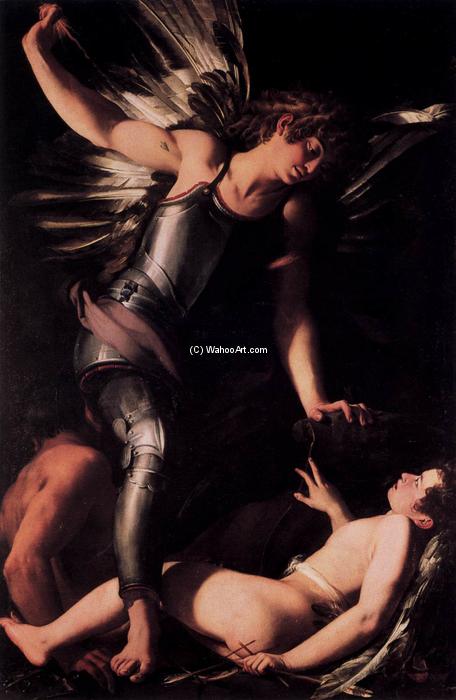
Heavenly Love and Earthly Love
 Acrylic On Canvas
- WallArt
- Baroque Style
 1602
1602 179.0 x 118.0 cm
 Staatliche Museen
 Read More
Purchase a high-resolution, enhanced digital image, far superior to the online preview.
Each file is meticulously prepared by our in-house specialists using advanced tools and expert manual retouching. We ensure every image has exceptional clarity, precise color accuracy, and fine detail.
The final file is delivered via email within 72 hours, optimized for immediate use in professional, editorial, and print environments. This is the same quality trusted by top-tier design studios, publishers, and galleries.
Digital Image
Download a high-resolution file for personal display, printing, and creative projects. ( Buy Print Buy Hand Made Painting)
Included in Every Digital Image Order
Expert Digital Delivery, Guaranteed
When you choose ArtsDot.com, you're not just getting an image - you're receiving a professionally enhanced digital artwork, crafted with precision and backed by a satisfaction guarantee. Here's everything that comes with your order, automatically:

Fast Email Delivery
Your high-resolution digital image file will be emailed to you within 72 hours of ordering - ready for immediate use.

AI-Enhanced Digital File
Your artwork is professionally optimized using advanced AI tools and manual editing, ensuring maximum detail, clarity, and color accuracy.

Free Lifetime Re-Delivery
Accidentally deleted or lost your file? No worries - we'll resend it to you anytime, free of charge.

No Import Fees - Ever
Enjoy your artwork instantly with zero customs, duties, or delivery fees - digital downloads are always tax-free.

Color Accuracy Guarantee
We ensure your digital image reflects the original colors as closely as possible using professional tools and color management.

60-Day Satisfaction Guarantee
If you're not satisfied with your digital image, we'll revise it or refund 100% within 60 days - no questions asked.

100% Money-Back Guarantee
Not satisfied? Get a full refund within 60 days of receiving your digital file - no questions asked.

Bulk Order Discounts
Buy 3 images, save 10% - Buy 5, save 15% - Buy 10+, save 20%. Great for creative projects, galleries, and agencies.
Collectible Description
Giovanni Baglione: A Pioneer of Art History Amidst Baroque Splendor
Giovanni Baglione (1566-1643) stands as an enigmatic figure within the artistic panorama of early 17th-century Rome—a city ablaze with innovation and rivalry. Often overshadowed by luminaries like Caravaggio and Bernini, Baglione’s contribution transcends mere painting; he was arguably the first dedicated art historian, offering a remarkably detailed eyewitness account of his era's transformative artistic currents.
Born into a noble Perugia family that had established roots in Rome for generations, Baglione’s formative years were steeped in humanist scholarship alongside artistic training. Initially mentored by Francesco Morelli—a Florentine artist who championed the revival of classical ideals—he swiftly absorbed Caravaggio's revolutionary style, embracing tenebrism and dramatic realism. This encounter ignited a fervent debate about artistic expression, propelling Baglione into a protracted confrontation with his contemporary.
Heavenly Love and Earthly Love: A Confrontation with Caravaggio
Baglione’s magnum opus, *Heavenly Love and Earthly Love*, exemplifies this stylistic tension. Painted in 1602–1603 for Cardinal Benedetto Giustiniani—a commission that fueled the artistic rivalry—the canvas depicts Eros, the god of love, engaging in a perilous battle against Anteros, the god of requited desire.
The painting’s composition is meticulously crafted, mirroring Caravaggio's groundbreaking approach. Baglione skillfully employs tenebrism—a technique characterized by stark contrasts between light and dark—to heighten dramatic intensity and focus attention on Eros and Cupid as the central figures. Unlike Caravaggio’s unflinching realism, Baglione maintains a Mannerist sensibility, incorporating attenuated proportions and stylized poses to convey an idealized vision of divine passion.
Symbolism and Narrative Depth
Beyond its stylistic innovations, *Heavenly Love and Earthly Love* resonates with profound symbolic meaning. The depiction of the naked young boy—a deliberate challenge to prevailing moral standards—underscores the painting’s exploration of human vulnerability and spiritual aspiration. Baglione's masterful use of light and shadow amplifies these themes, creating an emotionally charged tableau that captures the essence of the mythological narrative.
A Legacy Beyond Canvas
Giovanni Baglione’s enduring legacy extends far beyond his artistic achievements. His *Le Vite*, a monumental chronicle of Roman artists published in 1609–1610, remains an invaluable primary source for understanding the Baroque period—a testament to Baglione's pioneering role as an art historian and his unwavering commitment to preserving cultural memory.
Further Exploration
For a deeper appreciation of Baglione’s oeuvre and intellectual contributions, consult these resources:
- Web Gallery of Art: Heavenly Love and Earthly Love by BAGLIONE, Giovanni
- Wikipedia: Divine Love Conquering Earthly Love (Baglione)
- Galleria Nazionale d'Arte Antica: Heavenly Love and Earthly Love by Giovanni Baglione
Related Artworks
Artist Biography
A Roman Life in Art and Letters: Giovanni Baglione
Giovanni Baglione, a name perhaps less immediately recognizable than his contemporaries like Caravaggio or the Carracci brothers, occupies a fascinating and crucial position within the artistic landscape of early 17th-century Rome. Born in 1566 into a noble family originally from Perugia, though firmly rooted in Roman life for generations, Baglione was not merely a painter but also one of the first dedicated art historians, offering an invaluable eyewitness account of a vibrant and often tumultuous era. His story is one of artistic evolution, navigating the shifting currents between late Mannerism and the burgeoning Baroque style, all while maintaining a complex relationship with the leading figures who defined his time. He initially trained under Francesco Morelli, a Florentine artist working in Rome, laying the foundation for a career that would span decades and encompass both significant commissions and scholarly pursuits.From Mannerist Grace to Caravaggesque Drama
Baglione’s artistic journey was marked by a willingness to absorb and adapt to prevailing trends. His early work clearly reflects the influence of Giuseppe Cesari, known as the “Cavaliere d'Arpino,” and the refined elegance of late Mannerism. These initial paintings demonstrate a focus on graceful forms and sophisticated compositions, characteristic of the style favored in Roman aristocratic circles. However, the arrival of Caravaggio irrevocably altered the course of art history, and Baglione was not immune to its impact. A period of intense engagement with Caravaggismo followed, evident in his adoption of dramatic lighting – *tenebrism* – and a newfound commitment to realism. This phase wasn’t simply stylistic imitation; it represented a profound shift towards depicting the world with greater immediacy and emotional intensity. It was also a period fraught with conflict. A bitter dispute arose between Baglione and Caravaggio, stemming from satirical verses that Baglione perceived as defamatory. The ensuing legal battle provides a revealing glimpse into the competitive atmosphere of the Roman art world and the volatile personality of Caravaggio himself.A Synthesis of Styles and Historical Documentation
As the years progressed, Baglione’s style continued to evolve. In the 1610s, he began incorporating elements influenced by Bolognese artists like the Carracci brothers, demonstrating a capacity for stylistic synthesis. This willingness to embrace diverse influences ultimately led him towards a more generalized Early Baroque approach, retaining aspects of his earlier training in *disegno* – drawing – while embracing the dynamism and emotional power of the new style. Throughout his career, Baglione secured prestigious commissions, including frescoes at Santa Maria dell'Orto (1598), San Giovanni in Laterano (circa 1600), and a significant project for Saint Peter’s Basilica (1604). His work on the Cappella Paolina at Santa Maria Maggiore (1610-1612) further solidified his reputation as a skilled and sought-after artist. However, it is perhaps through his writings that Baglione left an enduring legacy. *Le nove chiese di Roma* (1639), an artistic guide to Rome’s nine major pilgrimage churches, offered contemporary insights into the city's art and architecture. But his most significant contribution was undoubtedly *Le vite de’ pittori, scultori ed architetti* (1642).The First Historian of Roman Baroque
Published in 1642, *Le vite* stands as a monumental achievement – the first comprehensive biographical dictionary of artists working in Rome between 1572 and 1642. Covering over two hundred individuals, it provides invaluable information about their lives, artistic styles, and professional practices. Baglione’s work is not merely a collection of anecdotes; it offers critical assessments of each artist's strengths and weaknesses, providing a nuanced understanding of the Roman art scene during this period. His meticulous documentation sheds light on patronage networks, social status, and the challenges faced by artists in securing commissions and establishing their reputations. Le vite became an essential resource for subsequent generations of art historians, influencing figures like Giovanni Pietro Bellori who built upon Baglione’s foundation. Through his writings, Baglione secured his place not only as a painter but also as the first true historian of the Roman Baroque, preserving a vital record of a transformative era in art history. His legacy rests on this dual role – an artist who actively participated in shaping the aesthetic landscape of his time and a scholar who dedicated himself to documenting its evolution for posterity.A Lasting Influence
While Baglione’s paintings may not possess the immediate, overwhelming impact of some of his more celebrated contemporaries, his contribution to art history is undeniable. His detailed observations, critical insights, and comprehensive documentation provide a unique window into the lives and works of countless artists who shaped the Baroque era. The legal disputes with Caravaggio, though contentious, offer a fascinating glimpse into the competitive nature of the Roman art world. His work continues to be studied and appreciated today, offering valuable perspectives on the artistic, social, and cultural context of 17th-century Rome. Baglione’s legacy is one of dedication – a commitment to both creating art and preserving its history for future generations.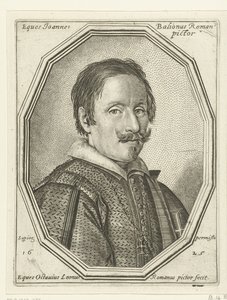
Giovanni Baglione
1566 - 1643 , Italy
Quick Facts
- Artistic Movement Or Style: Late Mannerism, Early Baroque
- Artists Or Movements Influenced By This Artist: ['Tommaso Salini']
- Artists Who Influenced This Artist:
- Giuseppe Cesari
- Caravaggio
- Date Of Birth: 1566
- Date Of Death: 1643
- Full Name: Giovanni Baglione
- Nationality: Italian
- Notable Artworks:
- Erato, Muse of Lyrics
- Clio, Muse of History
- Terpsichore, Muse of Dance
- Le vite de’ pittori
- Place Of Birth: Rome, Italy

