 Preview
 Send
Send Share
Share
 Details

 Download
 Similars
 X-Ray
X-Ray Diaporama
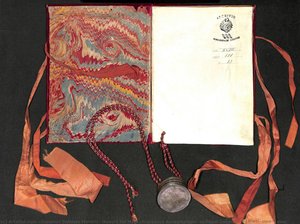
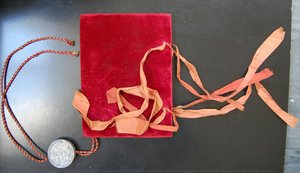
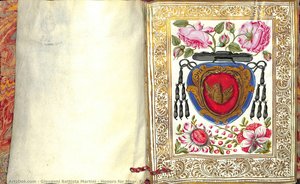
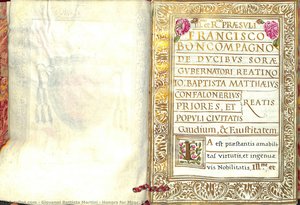
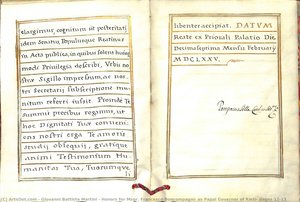
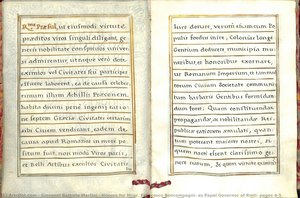
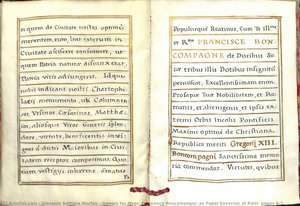
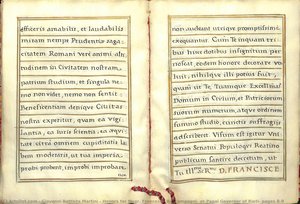
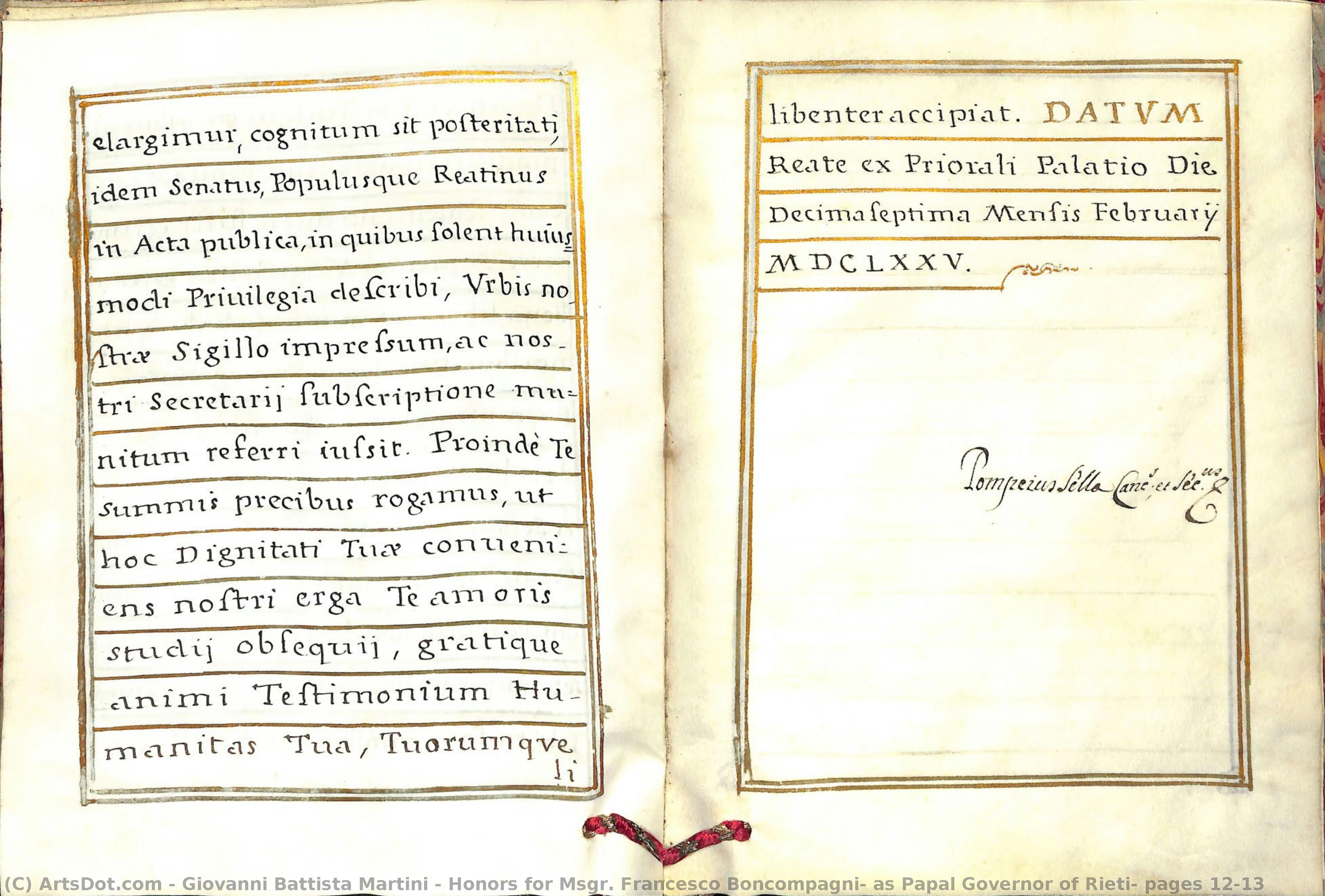
Honors for Msgr. Francesco Boncompagni, as Papal Governor of Rieti: pages 12-13

 Read More
Hand Made Oil Reproduction
Hand-painted oil on canvas in your size and frame, made to order by our artists. ( Buy Print Buy Image)




































Pick from our preset sizes that match the artwork's original proportions.

You may enter your own dimensions to fit a specific frame or space. If your selected size does not match the original image's proportions, we will either crop the artwork or extend the painting with additional hand-painted elements. A digital mockup will be sent for your approval before production begins.
Please note that the on-screen preview does not reflect the actual cropping or extension. Only the mockup will accurately show the final composition.
While custom sizes are available, we recommend selecting a dimension from the predefined list to preserve the original proportions.
After order, ArtsDot.com team will email client for instructions and provide a mockup preview
Worldwide Delivery () in 3/4 weeks instead of standard 5 weeks. (26 August). No compromise on quality.

Free Worldwide Express Shipping

High-Quality Linen Canvas

Full Shipping Insurance

Customs Tax Refund Guarantee

True Color Matching Guarantee

60-Day Return Policy (Defects Only)

100% Money-Back Guarantee

Bulk Discount Offer
 Glass option is only available in size under 110 CM

Honors for Msgr. Francesco Boncompagni, as Papal Governor of Rieti: pages 12-13
Reproduction Medium
Reproduction Size
-


Total Price
$ 263
Related Artworks
Artist Biography
A Life Dedicated to Harmony: The World of Giovanni Battista Martini
Giovanni Battista Martini, a name often whispered with reverence in musical circles, was far more than simply a composer; he was a pivotal figure bridging the Baroque and Classical eras. Born in Bologna on April 24th, 1706, his life unfolded as a testament to dedication – to music, scholarship, and pedagogy. His initial exposure to the world of sound came from his father, Antonio Maria Martini, a violinist who instilled in him the fundamentals of musicality. This early foundation was then nurtured through formal training in singing and harpsichord under Padre Pradieri, and rigorous study of counterpoint with luminaries like Antonio Riccieri and Giacomo Antonio Perti. However, Martini’s path wasn't solely defined by musical pursuit; he also engaged in classical studies at the Oratory of Saint Philip Neri before embracing a life within the Conventual Franciscan Order in 1722 – a duality that would profoundly shape his perspective and influence his work. This blend of spiritual devotion and artistic passion earned him the affectionate title, *Padre Martini*, a moniker that stuck throughout his illustrious career.The Chapel Master and The Blossoming School
By 1725, at the remarkably young age of nineteen, Martini had already ascended to the position of chapel-master at the Basilica of San Francesco in Bologna. This appointment wasn’t merely a professional milestone; it was an affirmation of his burgeoning talent and compositional prowess. It quickly became apparent that Martini possessed not only skill but also a gift for nurturing it in others. He established a composition school which rapidly gained renown, attracting students from across Europe – individuals who would themselves become significant figures in the musical landscape. Among these fortunate pupils were names that resonate through history: Wolfgang Amadeus Mozart, Johann Christian Bach, and Giovanni Battista Cirri. Martini’s teaching wasn't confined to technical instruction; he fostered a deep understanding of musical structure, historical context, and stylistic nuance. He championed the compositional practices of the earlier Roman school, believing they held essential keys to unlocking true artistic expression. This preference would become a defining characteristic of his pedagogical approach and leave an indelible mark on generations of composers.A Legacy Etched in Scores and Scholarship
Martini’s contributions extended far beyond the realm of composition and teaching. He was, at heart, a scholar – a tireless collector and preserver of musical knowledge. Over decades, he amassed an extraordinary library containing over 17,000 volumes, a treasure trove of scores, treatises, and historical documents. This collection wasn’t merely a personal indulgence; it became a vital resource for musicians and researchers alike. Recognizing its importance, portions of the library were later transferred to the Imperial Library in Vienna and continue to reside at the Museo Internazionale della Musica in Bologna today – a testament to Martini's foresight and dedication to preserving musical heritage. His most significant scholarly work, *Storia della musica* (History of Music), published between 1757 and 1781, remains an invaluable resource for musicologists, offering insights into the evolution of musical styles and practices. Complementing this monumental undertaking was *Esemplare di contrappunto* (Exemplar of Counterpoint), a comprehensive treatise on counterpoint published between 1774 and 1775, which became a standard text for music students across Europe.Mentorship, Influence, and Enduring Significance
Perhaps one of the most celebrated aspects of Martini’s legacy is his relationship with Wolfgang Amadeus Mozart. During Mozart's visit to Bologna in 1770, Martini served as a mentor, offering guidance and encouragement to the young prodigy. Their correspondence reveals a deep mutual respect and admiration – Mozart held Martini in exceptionally high esteem, frequently seeking his counsel and sharing his compositions. This mentorship wasn’t merely about technical refinement; it was about fostering a deeper understanding of musical principles and artistic integrity. Padre Martini's influence permeated the 18th-century Italian and European musical landscape. He didn't just teach music; he cultivated an environment where creativity flourished, historical awareness deepened, and compositional techniques were refined. His teachings shaped generations of composers, bridging the gap between Baroque traditions and the emerging Classical style. He is remembered not only as a composer and scholar but as a pivotal figure in the transition from one musical era to another, leaving behind a legacy that continues to inspire and inform musicians today.Exploring The World of Padre Martini Today
For those seeking to delve deeper into the world of Giovanni Battista Martini, several avenues await exploration. A visit to the Museo Internazionale della Musica in Bologna offers a tangible connection to his life and work, allowing visitors to examine portions of his vast musical library firsthand. Online resources, such as- https://ArtsDot.com/@/giovanni-battista-martini
- https://en.wikipedia.org/wiki/Giovanni_Battista_Martini
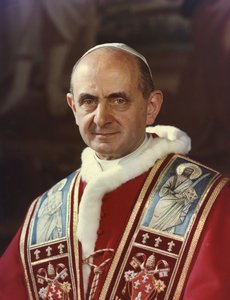
Giovanni Battista Martini
1706 - 1784 , Italy
Quick Facts
- Artistic Movement Or Style: Baroque, Classical
- Artists Or Movements Influenced By This Artist:
- Wolfgang Amadeus Mozart
- Johann Christian Bach
- Artists Who Influenced This Artist:
- Antonio Riccieri
- Giacomo Perti
- Date Of Birth: April 24, 1706
- Date Of Death: 1784
- Full Name: Giovanni Battista Martini
- Nationality: Italian
- Notable Artworks:
- Storia della musica
- Esemplare di contrappunto
- Litaniae atque antiphonae
- Place Of Birth: Bologna, Italy