 Preview
 Send
Send Share
Share
 Details

 Download
 Similars
 X-Ray
X-Ray Diaporama
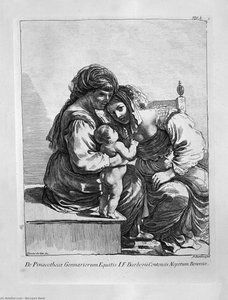
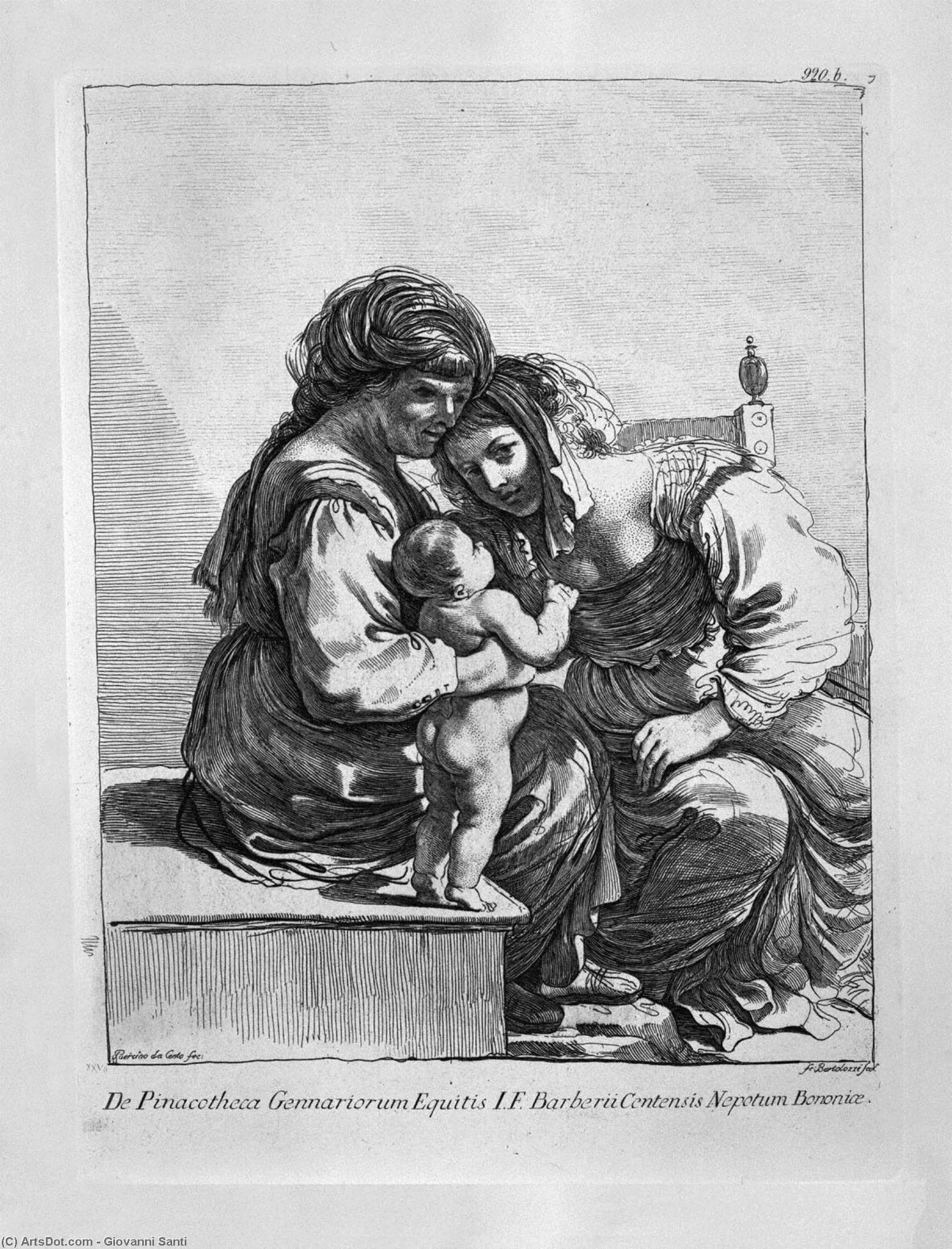
Virgin and Child
 Ink On Paper
- WallArt
- Italian Renaissance Drawing
 1480
1480- Renaissance
 68.0 x 49.0 cm
 National Gallery
 Read More
Hand Made Oil Reproduction
Hand-painted oil on canvas in your size and frame, made to order by our artists. ( Buy Print Buy Image)




P118B $10

P118H $10

P118W $10

P438Z $10

P508JH $12

P508YH $12

P805H $10

P805Z $10

P919BZ $10

P919G $10

P919XJ $10

P959ZH $10

P968JZ $12

W106C $8

W218G $10

W218JH $8

W218Y $10

W307PJ $10

W316G $10

W316PJ $8

W316Y $10

W398PJ $8

W4111J $10

W500HY $15

W500JH $15

W692G $12

W849H $8

W940BG $15

W953PJ $8




Pick from our preset sizes that match the artwork's original proportions.

You may enter your own dimensions to fit a specific frame or space. If your selected size does not match the original image's proportions, we will either crop the artwork or extend the painting with additional hand-painted elements. A digital mockup will be sent for your approval before production begins.
Please note that the on-screen preview does not reflect the actual cropping or extension. Only the mockup will accurately show the final composition.
While custom sizes are available, we recommend selecting a dimension from the predefined list to preserve the original proportions.
After order, ArtsDot.com team will email client for instructions and provide a mockup preview
Worldwide Delivery () in 3/4 weeks instead of standard 5 weeks. (16 August). No compromise on quality.

Free Worldwide Express Shipping

High-Quality Linen Canvas

Full Shipping Insurance

Customs Tax Refund Guarantee

True Color Matching Guarantee

60-Day Return Policy (Defects Only)

100% Money-Back Guarantee

Bulk Discount Offer
 Glass option is only available in size under 110 CM

Virgin and Child
Reproduction Medium
Reproduction Size
-


Total Price
$ 288
Artwork Description
Giovanni Santi: A Father's Legacy Etched in Light and Line
Giovanni Santi (c.1435 – 1494) stands as an enigmatic figure within the vibrant tapestry of Early Renaissance art, primarily recognized today for his pivotal role as Raphael’s progenitor—a connection that elevates him beyond mere craftsman to a cornerstone of artistic innovation. Yet, Santi himself was no passive observer; he actively participated in shaping Urbino's artistic landscape under Federico da Montefeltro, demonstrating considerable talent and establishing a distinctive visual vocabulary rooted in the precepts of Piero della Francesca. His oeuvre comprises a remarkable collection of paintings and drawings, reflecting his profound engagement with humanist ideals and masterful command of artistic conventions.- Early Life & Training: Santi’s formative years unfolded in Colbordolo, near Urbino, where he initially pursued mercantile endeavors before dedicating himself to the pursuit of art. His apprenticeship under Piero della Francesca proved transformative, instilling within him a meticulous approach to perspective, composition, and realistic representation—elements that would permeate his subsequent artistic productions.
- Influences & Style: Santi’s artistic style bears unmistakable marks of Piero della Francesca's influence, characterized by serene compositions, luminous palettes, and an unwavering commitment to anatomical accuracy. He skillfully blended classical ideals with Florentine dynamism, creating works imbued with both intellectual depth and visual elegance.
- Notable Works: Among Santi’s most celebrated achievements are the Madonna with Child in London—a poignant depiction of maternal tenderness—and The Virgin and Child with Saint Anne, a masterpiece showcasing masterful use of light and color. These paintings exemplify Santi's ability to convey profound emotional resonance through subtle visual cues.
- Technique: Santi’s technique is distinguished by his painstaking application of hatching and cross-hatching—a method that achieves remarkable tonal gradation and defines form with exceptional precision. His meticulous observation of anatomical detail underscores his dedication to realism, reflecting the humanist spirit of his era.
- Symbolism & Emotional Impact: Santi's artistic endeavors resonate deeply with themes of faith, devotion, and familial love—concepts central to Renaissance thought. His paintings evoke a sense of tranquility and spiritual contemplation, inviting viewers to contemplate the beauty and sanctity of human experience.
The Virgin and Child: A Study in Light and Texture
“The Virgin and Child” exemplifies Santi’s artistic prowess—a monochrome drawing capturing the serene intimacy of Mary cradling her infant son. The composition centers around the figures, positioned prominently within a stepped base that anchors the image to its surroundings. Delicate lines delineate drapery folds and facial features, while bolder lines outline the forms themselves. Hatching and cross-hatching techniques skillfully simulate fabric texture and skin surface, creating an illusion of three-dimensionality—a hallmark of Santi’s stylistic approach. The muted palette—ranging from deep blacks to subtle whites—emphasizes tonal variation and enhances the overall visual impact. Light emanates from the left side, casting shadows that contribute to volume and depth, mirroring techniques employed by Leonardo da Vinci in similar compositions.A Legacy Illuminated: Santi's Contribution to Raphael’s Artistic Vision
Giovanni Santi’s influence extended far beyond his own artistic output; he served as a mentor to Raphael Sanzio da Urbino—a connection that secured his place within art history as the father of one of Renaissance Italy’s greatest masters. Santi instilled in Raphael a profound appreciation for humanist ideals and honed his technical skills, shaping Raphael's artistic trajectory and ensuring the continuation of Santi’s distinctive visual vocabulary. The enduring beauty and emotional resonance of Santi’s paintings—particularly “The Virgin and Child”—continue to inspire artists and collectors alike, cementing his legacy as a pivotal figure in the artistic heritage of Urbino and Florence.Related Artworks

Artist Biography
Giovanni Santi: Life and Legacy
Giovanni Santi (c.1435 – 1494) was an Italian painter, decorator, and poet of the Early Renaissance period. He is primarily remembered today as the father of the renowned High Renaissance master, Raphael (Raffaello Sanzio da Urbino). However, Santi was a respected artist in his own right, contributing significantly to the artistic landscape of the Duchy of Urbino.
Early Life and Training
Born in Colbordolo, near Urbino, Italy, Giovanni Santi initially pursued a career as a petty merchant. He later turned towards art, studying under the influential painter Piero della Francesca. This apprenticeship proved pivotal, shaping his artistic style and providing him with a solid foundation in perspective, composition, and realistic representation.
Artistic Influences and Development
Santi’s work demonstrates the strong influence of Piero della Francesca, evident in his meticulous attention to detail, serene compositions, and use of light. He was also influenced by Fiorenzo di Lorenzo and maintained a close working relationship with Melozzo da Forlì. These influences helped him develop a distinctive style characterized by graceful figures, harmonious colors, and a refined sense of elegance.
Career as Court Painter
Giovanni Santi served as the court painter to Federico III da Montefeltro, Duke of Urbino. This position provided him with numerous commissions for altarpieces and other religious works. He enjoyed considerable prestige within the ducal court and was highly regarded for his artistic skills.
Major Works
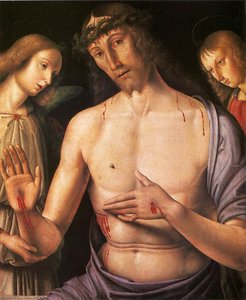
- Man of Sorrows: A poignant depiction of Christ after the crucifixion, showcasing Santi’s mastery of emotional expression.
- Virgin and Child: Several versions exist, demonstrating his skill in portraying maternal tenderness and religious devotion.
- Annunciation (Brera): Located in Milan's Pinacoteca di Brera, this work exemplifies his refined style and use of perspective.
- Resurrected Christ: Found in the Museum of Fine Arts, Budapest, it showcases a dynamic composition and skillful rendering of anatomy.
- Altarpieces in Urbino & Fano: Numerous altarpieces adorn churches in Urbino and Fano, demonstrating his prolific output and religious dedication.
Literary Contributions
Beyond painting, Giovanni Santi was also a poet. He composed an epic poem honoring Duke Federico III da Montefeltro, commemorating a visit to Mantua where the Duke admired Andrea Mantegna’s artistry. This poem is particularly significant for its inclusion of a list of 27 prominent painters active in late 15th-century Italy and Flanders – a valuable historical record of contemporary artistic figures.
Historical Significance
While not as widely celebrated as his son, Raphael, Giovanni Santi played an important role in the development of Renaissance art. His work bridged the gap between the Early and High Renaissance styles, influencing the next generation of artists. More importantly, he provided a nurturing artistic environment for his son, Raphael, laying the foundation for one of history’s greatest masters. He represents a crucial link in the lineage of Italian Renaissance painting.
Death
Giovanni Santi died in Urbino in 1494, leaving behind a legacy as both an accomplished artist and a devoted father who profoundly shaped the life and career of his son, Raphael.
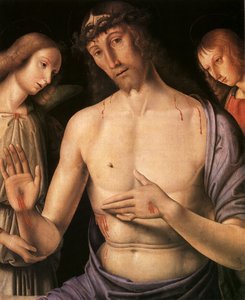
Giovanni Santi
1435 - 1494 , Italy
Quick Facts
- Birth Date: 1435
- Birth Place: Colbordolo, Italy
- Death Date: 1494
- Influenced: Raphael
- Influenced By: Piero della Francesca, Fiorenzo di Lorenzo, Melozzo da Forlì
- Movement: Early Renaissance
- Name: Giovanni Santi
- Nationality: Italian
- Notable Works:
- Man of Sorrows
- Virgin and Child
- Annunciation (Brera)
Related Articles
Giclée Prints: Archival Quality & Aesthetic Nuances for the Discerning Collector
Explore the world of giclée prints with ArtsDot. Learn about archival quality, aesthetic nuances & investment potential. Expert guidance for discerning art collectors seeking museum-quality reproductions and lasting value.

The Enduring Legacy of Fine Art Prints: Technique, History & Aesthetic Impact
Explore the rich history & techniques of fine art prints. Discover investment potential, assess authenticity, and learn how to preserve your collection with expert guidance. Trusted insights for discerning collectors.

Echoes of Time: Exploring the Enduring Appeal & Historical Context of Vintage Art Prints
Explore the captivating world of vintage art prints! Discover their history, collecting tips & enduring appeal. Expert insights on chromolithography and building a legacy collection with ArtsDot.
The Enduring Legacy of Printmaking: Techniques, Themes & Artistic Innovation Across Centuries
Explore the rich history of printmaking with ArtsDot. Discover techniques from intaglio to lithography, learn about collecting valuable prints & find museum-quality reproductions. Expert insights for art enthusiasts and collectors.
The Enduring Legacy of Woodblock Printmaking: Technique, History & Artistic Expression
Explore the rich history of woodblock printmaking – from ancient techniques to Ukiyo-e masterpieces. Discover expert insights on collecting, preserving & appreciating this enduring art form.