 Preview
 Send
Send Share
Share
 Details

 Download
 Similars
 X-Ray
X-Ray Diaporama
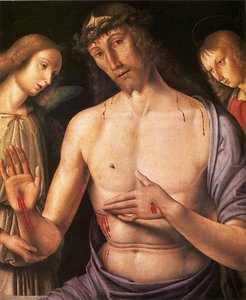
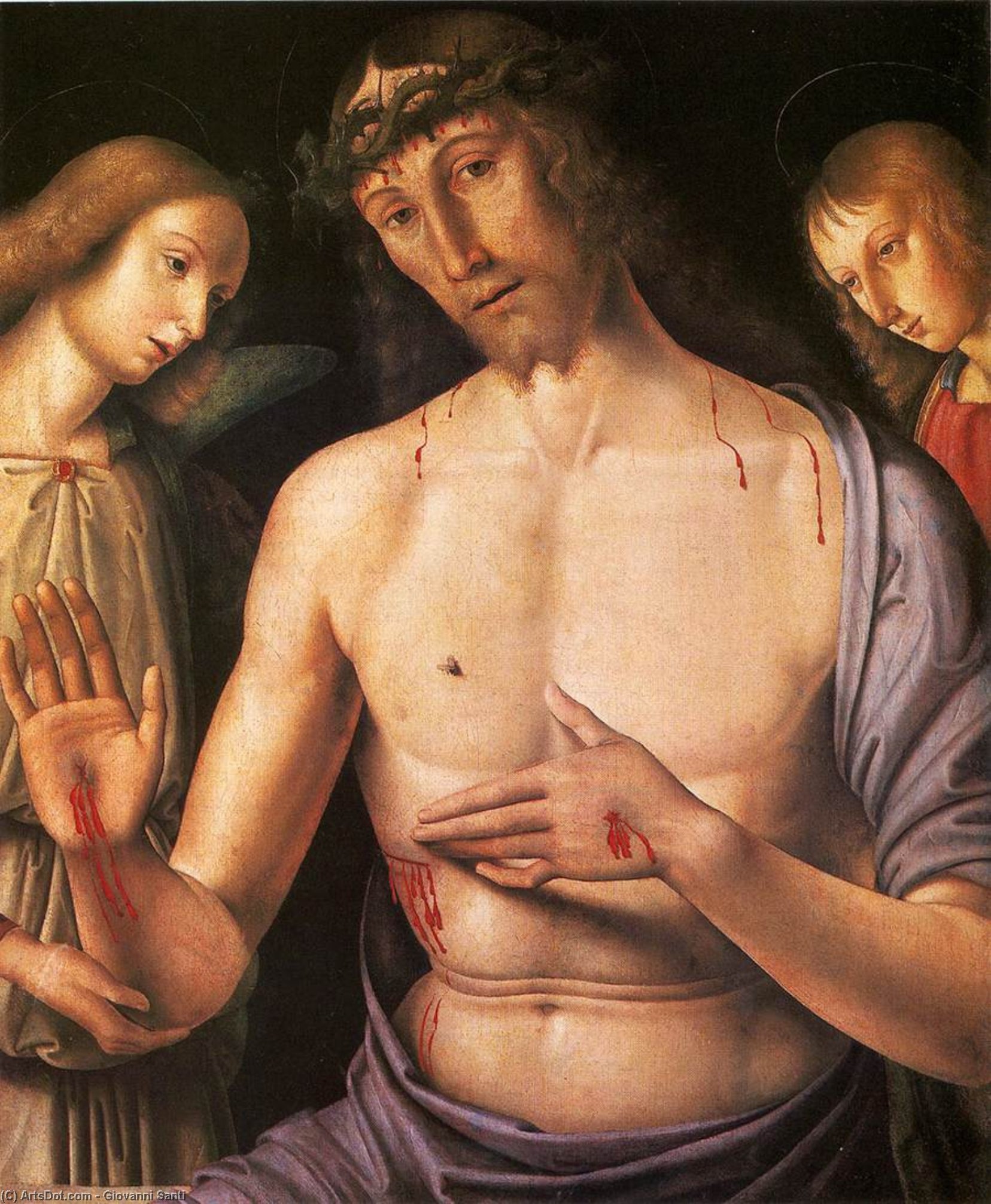
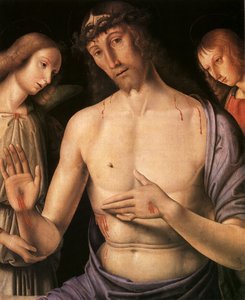
Man of Sorrows
 Oil On Canvas
- WallArt
- Early Renaissance
 1490
1490- Renaissance
 67.0 x 55.0 cm
 Szépmûvészeti Múzeum
 Read More
Hand Made Oil Reproduction
Hand-painted oil on canvas in your size and frame, made to order by our artists. ( Buy Print Buy Image)




P118B $10

P118H $10

P118W $10

P438Z $10

P508JH $12

P508YH $12

P805H $10

P805Z $10

P919BZ $10

P919G $10

P919XJ $10

P959ZH $10

P968JZ $12

W106C $8

W218G $10

W218JH $8

W218Y $10

W307PJ $10

W316G $10

W316PJ $8

W316Y $10

W398PJ $8

W4111J $10

W500HY $15

W500JH $15

W692G $12

W849H $8

W940BG $15

W953PJ $8




Pick from our preset sizes that match the artwork's original proportions.

You may enter your own dimensions to fit a specific frame or space. If your selected size does not match the original image's proportions, we will either crop the artwork or extend the painting with additional hand-painted elements. A digital mockup will be sent for your approval before production begins.
Please note that the on-screen preview does not reflect the actual cropping or extension. Only the mockup will accurately show the final composition.
While custom sizes are available, we recommend selecting a dimension from the predefined list to preserve the original proportions.
After order, ArtsDot.com team will email client for instructions and provide a mockup preview
Worldwide Delivery () in 3/4 weeks instead of standard 5 weeks. (21 August). No compromise on quality.

Free Worldwide Express Shipping

High-Quality Linen Canvas

Full Shipping Insurance

Customs Tax Refund Guarantee

True Color Matching Guarantee

60-Day Return Policy (Defects Only)

100% Money-Back Guarantee

Bulk Discount Offer
 Glass option is only available in size under 110 CM

Man of Sorrows
Reproduction Medium
Reproduction Size
-


Total Price
$ 263
Artwork Description
Giovanni Santi’s “Man of Sorrows”: A Reflection on Suffering and Divine Compassion
The painting "Man of Sorrows," attributed to Giovanni Santi (c.1435 – 1494), stands as a poignant testament to the Early Renaissance preoccupation with human emotion and spiritual contemplation. Executed around 1490, this masterpiece resides within the Szépmûvészeti Múzeum in Budapest, Hungary, offering visitors a rare glimpse into the artistic sensibilities of a pivotal figure – Raphael’s father – who profoundly shaped the trajectory of High Renaissance art. Santi's work embodies the influence of Piero della Francesca, demonstrating meticulous attention to detail and a serene compositional balance that speaks volumes about his artistic vision.A Study in Detail: Composition and Technique
Santi’s masterful depiction centers on Jesus Christ crucified, portraying him with agonizing realism. The artist skillfully employs oil paint on canvas—a technique favored during the period—to achieve luminous tonal gradations that capture the palpable weight of sorrow. Observe how Santi meticulously renders the textures of Christ's flesh, conveying both vulnerability and dignity. The pyramidal composition directs the viewer’s gaze upwards towards Christ’s face, emphasizing his expression of profound grief – a gaze imbued with compassion and acceptance of divine will. The artist’s careful brushstrokes contribute to an overall sense of stillness and solemn contemplation, inviting viewers to engage in introspection about faith and suffering.Piero della Francesca's Legacy: Stylistic Influences
Giovanni Santi’s artistic style is undeniably rooted in the teachings of Piero della Francesca, a Florentine painter who championed geometric precision and idealized beauty. Like della Francesca, Santi prioritized clarity of form and harmonious proportions, rejecting flamboyant ornamentation in favor of understated elegance. This stylistic preference aligns perfectly with the humanist ideals prevalent during the Renaissance—a desire to represent human experience truthfully while simultaneously elevating it towards spiritual transcendence. The diffused light characteristic of della Francesca’s paintings finds its echo in Santi's depiction of Christ, fostering an atmosphere of serenity and reinforcing the painting’s contemplative mood.Symbolism: Grief and Divine Mercy
Beyond mere visual representation, “Man of Sorrows” is laden with symbolic significance. The crucifixion itself represents sacrifice—Christ willingly accepting death for humanity’s salvation—a central theme in Christian theology. Santi's depiction of Christ’s wounds – particularly the weeping eyes – powerfully communicates grief not merely as personal sorrow but as a manifestation of divine compassion. These tears symbolize empathy and understanding, conveying the Father’s sorrow alongside Jesus’ own suffering. The artist skillfully utilizes visual cues to evoke emotional resonance, prompting viewers to contemplate the profound implications of faith and redemption.Historical Context: Urbino's Artistic Zenith
Created during Urbino’s artistic zenith—a period marked by patronage from Federico da Montefeltro—Santi’s painting reflects the humanist spirit of the time. Urbino served as a beacon of intellectual and artistic innovation, attracting artists and scholars alike who sought to explore new avenues for expressing human emotion and spiritual truth. Santi's contribution to this vibrant cultural landscape solidified Urbino’s reputation as one of Italy’s foremost centers of artistic excellence—a legacy that continues to inspire admiration centuries later. The Szépmûvészeti Múzeum ensures the preservation of this invaluable artwork, allowing future generations to appreciate its enduring beauty and profound spiritual depth.Related Artworks

Artist Biography
Giovanni Santi: Life and Legacy
Giovanni Santi (c.1435 – 1494) was an Italian painter, decorator, and poet of the Early Renaissance period. He is primarily remembered today as the father of the renowned High Renaissance master, Raphael (Raffaello Sanzio da Urbino). However, Santi was a respected artist in his own right, contributing significantly to the artistic landscape of the Duchy of Urbino.
Early Life and Training
Born in Colbordolo, near Urbino, Italy, Giovanni Santi initially pursued a career as a petty merchant. He later turned towards art, studying under the influential painter Piero della Francesca. This apprenticeship proved pivotal, shaping his artistic style and providing him with a solid foundation in perspective, composition, and realistic representation.
Artistic Influences and Development
Santi’s work demonstrates the strong influence of Piero della Francesca, evident in his meticulous attention to detail, serene compositions, and use of light. He was also influenced by Fiorenzo di Lorenzo and maintained a close working relationship with Melozzo da Forlì. These influences helped him develop a distinctive style characterized by graceful figures, harmonious colors, and a refined sense of elegance.
Career as Court Painter
Giovanni Santi served as the court painter to Federico III da Montefeltro, Duke of Urbino. This position provided him with numerous commissions for altarpieces and other religious works. He enjoyed considerable prestige within the ducal court and was highly regarded for his artistic skills.
Major Works
- Man of Sorrows: A poignant depiction of Christ after the crucifixion, showcasing Santi’s mastery of emotional expression.
- Virgin and Child: Several versions exist, demonstrating his skill in portraying maternal tenderness and religious devotion.
- Annunciation (Brera): Located in Milan's Pinacoteca di Brera, this work exemplifies his refined style and use of perspective.
- Resurrected Christ: Found in the Museum of Fine Arts, Budapest, it showcases a dynamic composition and skillful rendering of anatomy.
- Altarpieces in Urbino & Fano: Numerous altarpieces adorn churches in Urbino and Fano, demonstrating his prolific output and religious dedication.
Literary Contributions
Beyond painting, Giovanni Santi was also a poet. He composed an epic poem honoring Duke Federico III da Montefeltro, commemorating a visit to Mantua where the Duke admired Andrea Mantegna’s artistry. This poem is particularly significant for its inclusion of a list of 27 prominent painters active in late 15th-century Italy and Flanders – a valuable historical record of contemporary artistic figures.
Historical Significance
While not as widely celebrated as his son, Raphael, Giovanni Santi played an important role in the development of Renaissance art. His work bridged the gap between the Early and High Renaissance styles, influencing the next generation of artists. More importantly, he provided a nurturing artistic environment for his son, Raphael, laying the foundation for one of history’s greatest masters. He represents a crucial link in the lineage of Italian Renaissance painting.
Death
Giovanni Santi died in Urbino in 1494, leaving behind a legacy as both an accomplished artist and a devoted father who profoundly shaped the life and career of his son, Raphael.
Giovanni Santi
1435 - 1494 , Italy
Quick Facts
- Birth Date: 1435
- Birth Place: Colbordolo, Italy
- Death Date: 1494
- Influenced: Raphael
- Influenced By: Piero della Francesca, Fiorenzo di Lorenzo, Melozzo da Forlì
- Movement: Early Renaissance
- Name: Giovanni Santi
- Nationality: Italian
- Notable Works:
- Man of Sorrows
- Virgin and Child
- Annunciation (Brera)
Related Articles

The Enduring Legacy of Oil on Canvas: Technique, History & Aesthetic Impact
Explore the rich history & techniques of oil painting – from Renaissance masters to Impressionism. Discover pigments, layering methods, and why this timeless medium endures. Expert insights for artists & art enthusiasts.

Oil on Canvas: A Historical & Technical Exploration of a Timeless Artistic Medium
Explore the rich history & enduring techniques of oil painting on canvas. Discover the science behind its longevity, conservation practices, and contemporary relevance. Expert insights for art enthusiasts.

The Enduring Power of Painting: A Historical & Contemporary Exploration of Form and Emotion
Explore the rich history & enduring techniques of oil painting with ArtsDot. Discover masterpieces, learn about art collecting, and find authentic handmade reproductions crafted by skilled artists.

The Enduring Legacy of Oil on Canvas: Technique, History & Contemporary Practice
Explore the rich history & enduring techniques of oil painting on canvas. Discover the science behind its longevity, conservation practices, and contemporary relevance. Expert insights for art enthusiasts.

Turn Your Digital Art Into Hand‑Painted Oil Masterpieces—Earn Big on Every Sale and Build an Enduring Legacy
Transform your NFT collection into hand‑painted oil masterpieces with ArtsDot’s expert artisans. Enjoy museum‑grade quality, free worldwide shipping, and a 100% satisfaction guarantee—turn digital art into a lasting legacy that earns you real value.