

 Preview
 Send
Send Share
Share
 Details

 Download
 Similars
 X-Ray
X-Ray Diaporama
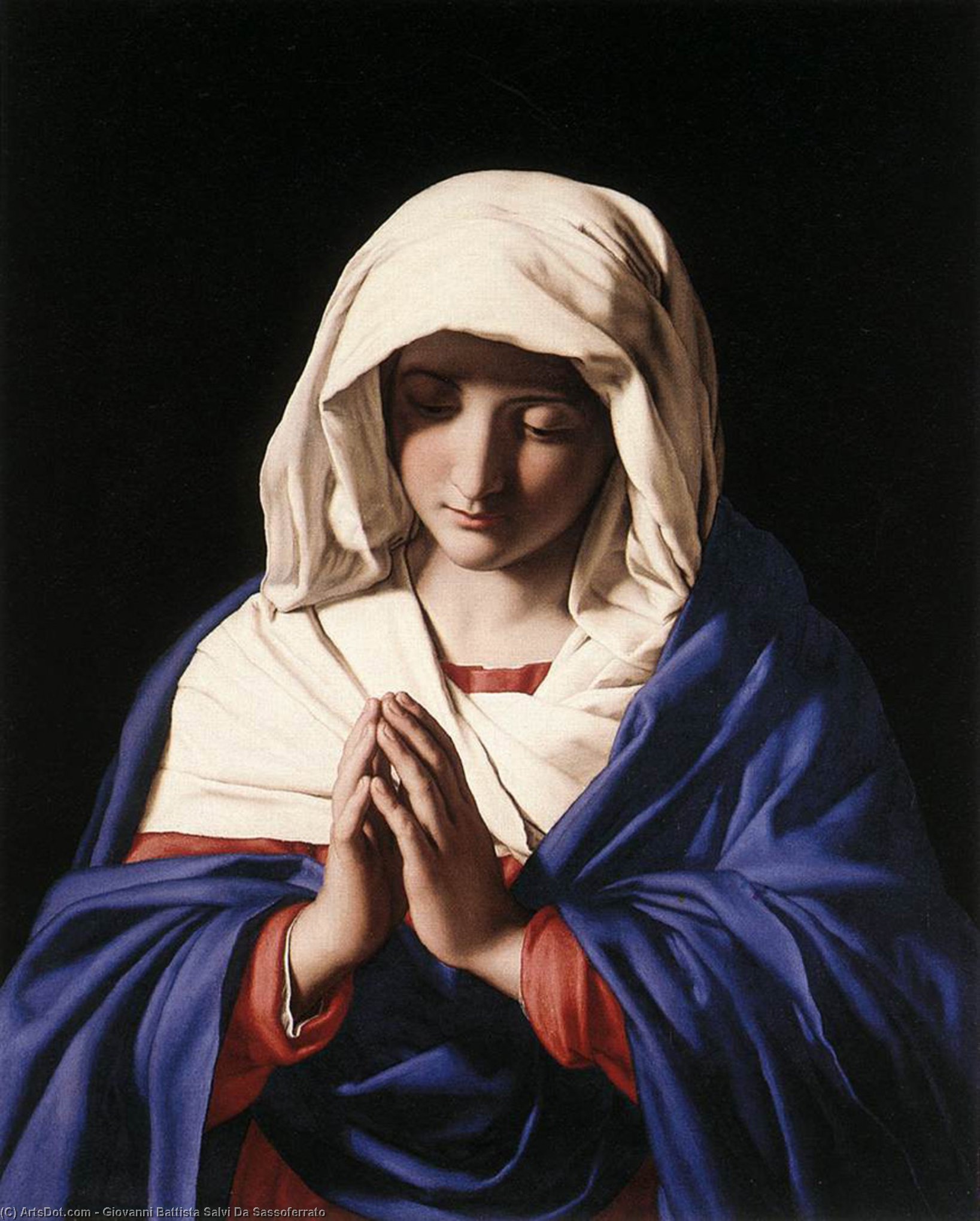
The Virgin in Prayer
 Acrylic On Canvas
- WallArt
- Baroque Classicism
 1640
1640 73.0 x 58.0 cm
 National Gallery
 Read More
Purchase a high-resolution, enhanced digital image, far superior to the online preview.
Each file is meticulously prepared by our in-house specialists using advanced tools and expert manual retouching. We ensure every image has exceptional clarity, precise color accuracy, and fine detail.
The final file is delivered via email within 72 hours, optimized for immediate use in professional, editorial, and print environments. This is the same quality trusted by top-tier design studios, publishers, and galleries.
Digital Image
Download a high-resolution file for personal display, printing, and creative projects. ( Buy Print Buy Hand Made Painting)
Included in Every Digital Image Order
Expert Digital Delivery, Guaranteed
When you choose ArtsDot.com, you're not just getting an image - you're receiving a professionally enhanced digital artwork, crafted with precision and backed by a satisfaction guarantee. Here's everything that comes with your order, automatically:

Fast Email Delivery
Your high-resolution digital image file will be emailed to you within 72 hours of ordering - ready for immediate use.

AI-Enhanced Digital File
Your artwork is professionally optimized using advanced AI tools and manual editing, ensuring maximum detail, clarity, and color accuracy.

Free Lifetime Re-Delivery
Accidentally deleted or lost your file? No worries - we'll resend it to you anytime, free of charge.

No Import Fees - Ever
Enjoy your artwork instantly with zero customs, duties, or delivery fees - digital downloads are always tax-free.

Color Accuracy Guarantee
We ensure your digital image reflects the original colors as closely as possible using professional tools and color management.

60-Day Satisfaction Guarantee
If you're not satisfied with your digital image, we'll revise it or refund 100% within 60 days - no questions asked.

100% Money-Back Guarantee
Not satisfied? Get a full refund within 60 days of receiving your digital file - no questions asked.

Bulk Order Discounts
Buy 3 images, save 10% - Buy 5, save 15% - Buy 10+, save 20%. Great for creative projects, galleries, and agencies.
Collectible Description
A Testament to Raphael’s Legacy: Giovanni Battista Salvi da Sassoferrato's ‘The Virgin in Prayer’
Giovanni Battista Salvi da Sassoferrato (August 25, 1609 – August 8, 1685) stands as a singular voice amidst the turbulent currents of Baroque art—a steadfast champion of Raphael’s maniera classica and an artist capable of distilling profound spiritual contemplation into visual splendor. Born in Sassoferrato, Umbria, Salvi's formative years were nurtured by humanist scholarship and the enduring influence of artistic tradition, experiences that would indelibly shape his distinctive style and solidify his place as one of the final paragons of Raphael’s aesthetic ideals. Unlike many contemporaries consumed by opulent grandeur and theatrical spectacle, Salvi pursued a path of restrained elegance—a meticulous observance of nature coupled with unwavering adherence to classical proportions. This stylistic commitment distinguishes him from his peers and secures his reputation as a master whose work embodies the purest expression of Renaissance humanism.Subject Matter & Composition: Reverence Embodied
The painting depicts Mary, seated in contemplative prayer, her hands clasped together in a gesture universally recognized as an emblem of piety and devotion. The central figure dominates the composition, bathed in soft light that illuminates her serene countenance—a testament to Salvi’s masterful understanding of chiaroscuro, a technique borrowed directly from Raphael himself. Two figures flank Mary on either side: one positioned on the left, gazing upwards with solemn attention; the other on the right, offering silent support. Beneath Mary sits a simple chair, grounding the scene and emphasizing her humility before God—a deliberate choice reflecting Salvi’s humanist sensibilities and his desire to portray religious subjects with dignity and grace.Style & Technique: Raphael Revisited
Salvi's artistic approach is characterized by an unwavering devotion to Raphael’s maniera classica—a stylistic preference that distinguishes him as one of the last surviving masters of this influential aesthetic movement. He meticulously studied Raphael’s frescoes in Rome, absorbing his principles of harmonious balance and idealized beauty. Salvi achieved this goal through painstaking observation of anatomy and drapery folds, rendering them with astonishing realism while maintaining a sense of ethereal grace. The artist skillfully employed oil paint on canvas, layering thin glazes to create luminous surfaces that capture the subtle nuances of light and shadow—a technique honed over years of dedicated practice and reflecting Raphael’s meticulous attention to detail.Historical Context: Umbrian Renaissance & Spiritual Renewal
Created in 1640-50 during a period of fervent religious fervor following the Council of Trent, ‘The Virgin in Prayer’ embodies the spirit of Umbria's Renaissance—a region experiencing a resurgence of artistic and intellectual vitality. Salvi’s work aligns with broader trends within Baroque art aimed at conveying spiritual emotion and reinforcing Catholic dogma. The painting served as an inspiration for artists across Europe, demonstrating the enduring power of classical ideals to inspire profound religious expression. Its placement in The National Gallery underscores its significance as a cornerstone of British artistic heritage.Symbolism & Emotional Impact: A Portrait of Inner Peace
Beyond its formal beauty, ‘The Virgin in Prayer’ resonates with layers of symbolic meaning—a reflection of Salvi's deep understanding of Christian iconography. Mary’s posture signifies humility and submission to divine will, while her gaze upward embodies faith and aspiration. The overall atmosphere exudes tranquility and serenity—inviting viewers to contemplate the profound peace attainable through prayer and devotion. Like Carlo Dolci, Giovanni Battista Salvi, called Sassoferrato had close ties with the Benedictines. Their motto, “Ora et Labora,” (“Pray and Work”), encapsulates Salvi’s artistic ethos – a harmonious blend of contemplation and active engagement with the world—a testament to his enduring legacy as an artist who captured the essence of Renaissance spirituality.Related Artworks

Artist Biography
Giovanni Battista Salvi da Sassoferrato: A Master of Baroque Archaisms
Giovanni Battista Salvi da Sassoferrato (August 25, 1609 – August 8, 1685) stands as a pivotal figure in Italian Baroque painting, celebrated for his unwavering devotion to the artistic ideals of Raphael and his ability to imbue religious scenes with profound emotional depth. Born in Sassoferrato, Umbria, Salvi’s formative years were steeped in humanist scholarship and artistic tradition—influences that would profoundly shape his distinctive style and enduring legacy. Unlike many contemporaries who embraced flamboyant ornamentation and dramatic theatricality, Salvi championed a restrained elegance characterized by meticulous observation of nature and an adherence to classical proportions. This stylistic preference distinguishes him as one of the last great masters of Raphael’s maniera classica, securing his place among the foremost artists of his era.- Early Life & Training: Salvi received his initial artistic education from his father, a sculptor, fostering an early appreciation for sculptural form and technique. He subsequently studied under Benedetto Buonati in Perugia and later traveled extensively throughout Europe, absorbing influences from Flemish Mannerism and Venetian Renaissance painting. These experiences broadened his artistic horizons and honed his skills in capturing nuanced expressions of emotion and spiritual contemplation.
- Notable Works: Salvi’s oeuvre comprises approximately 150 paintings, predominantly religious compositions depicting the Virgin Mary and infant Jesus—subjects that resonated deeply with the piety of his time. Among his most revered masterpieces are “The Sleep of the Infant Jesus” (circa 1648), a serene depiction capturing the tender vulnerability of motherhood; “The Virgin in Prayer” (circa 1650), showcasing an exquisitely rendered Madonna bathed in ethereal light; and “Madonna and Child” (circa 1650), demonstrating Salvi’s mastery of compositional balance and subtle tonal gradations.
- Technique & Style: Salvi's artistic approach was marked by meticulous attention to detail, achieved through painstaking preparatory sketches and the use of glazing techniques—a hallmark of Baroque painting—that allowed for luminous color palettes and atmospheric effects. He skillfully employed pyramidal compositions reminiscent of Raphael’s frescoes in Stanza della Segnatura, emphasizing stability and grandeur while simultaneously conveying a sense of spiritual solemnity.
- Influence & Legacy: Salvi's unwavering commitment to classical ideals served as an anchor amidst the stylistic excesses of his time, influencing subsequent generations of artists who sought to emulate his refined aesthetic sensibilities. His works continue to inspire admiration for their serene beauty and profound psychological insight—testaments to Salvi’s enduring contribution to the artistic canon of the Baroque period.
- Later Years & Death: Salvi spent his final years in Rome, where he accepted commissions from prominent patrons and continued to refine his craft until his death in 1685. His legacy extends beyond his paintings themselves; he was also a respected teacher who nurtured the talents of numerous aspiring artists—solidifying his position as one of Umbria’s most celebrated artistic figures.
Exploring Salvi's Artistic Vision: Raphael and Mannerism
Salvi’s artistic sensibility was fundamentally shaped by his admiration for Raphael, whom he considered the embodiment of classical beauty and harmonious proportion. Like Raphael, Salvi rejected the flamboyant gestures and theatrical displays favored by many Baroque artists, prioritizing instead a contemplative gaze and an understated elegance—a stylistic choice that distinguishes him from his contemporaries. This devotion to Raphael’s maniera classica is evident throughout his oeuvre, particularly in compositions featuring pyramidal structures and idealized figures bathed in diffused light. Furthermore, Salvi absorbed influences from Flemish Mannerism, recognizing the expressive potential of subtle distortions and stylized poses—techniques he skillfully integrated into his paintings without abandoning his core aesthetic principles.Iconic Paintings: A Reflection of Baroque Spirituality
“The Sleep of the Infant Jesus” exemplifies Salvi’s masterful ability to convey profound emotion through serene visual imagery. The painting depicts Mary cradling her son asleep, bathed in a soft glow—a scene rendered with exquisite tenderness and imbued with symbolic significance—reflecting the Virgin’s maternal devotion and highlighting the sanctity of infancy. Similarly, “The Virgin in Prayer” captures Mary's contemplative posture—characterized by graceful drapery and subtle facial expressions—demonstrating Salvi’s profound understanding of human psychology and his capacity to translate spiritual experience into visual form. "Madonna and Child" showcases Salvi’s technical prowess and compositional brilliance—a testament to his unwavering dedication to classical ideals and his ability to create paintings that resonate with timeless beauty.Salvi's Contribution to Umbrian Art History
Giovanni Battista Salvi da Sassoferrato’s artistic output profoundly impacted Umbrian art history, establishing him as a cornerstone of Baroque painting in the region. His stylistic innovations—particularly his adherence to Raphael’s maniera classica and his incorporation of Mannerist techniques—served as an inspiration for subsequent artists striving to achieve similar levels of refinement and expressive power. Moreover, Salvi's patronage by influential ecclesiastical figures ensured that his works would adorn prominent churches throughout Umbria—contributing significantly to the artistic heritage of the area. His legacy continues to inspire admiration for his unwavering commitment to artistic excellence and his enduring contribution to the cultural landscape of Italy.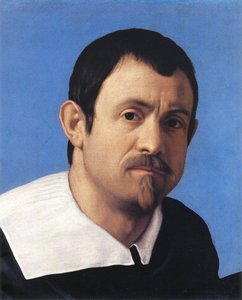
giovanni battista salvi da sassoferrato
1609 - 1685 , Italy
Quick Facts
- Artistic Movement Or Style: Baroque
- Artists Or Movements Influenced By This Artist: ['Renaissance']
- Artists Who Influenced This Artist: ['Raphael']
- Date Of Birth: August 25, 1609
- Date Of Death: August 8, 1685
- Full Name: Giovanni Battista Salvi da Sassoferrato
- Nationality: Italian
- Notable Artworks:
- The Sleep of the Infant Jesus
- The Virgin in Prayer
- Madonna and Child
- Place Of Birth: Sassoferrato, Italy

