

 Preview
 Send
Send Share
Share
 Details

 Download
 Similars
 X-Ray
X-Ray Diaporama
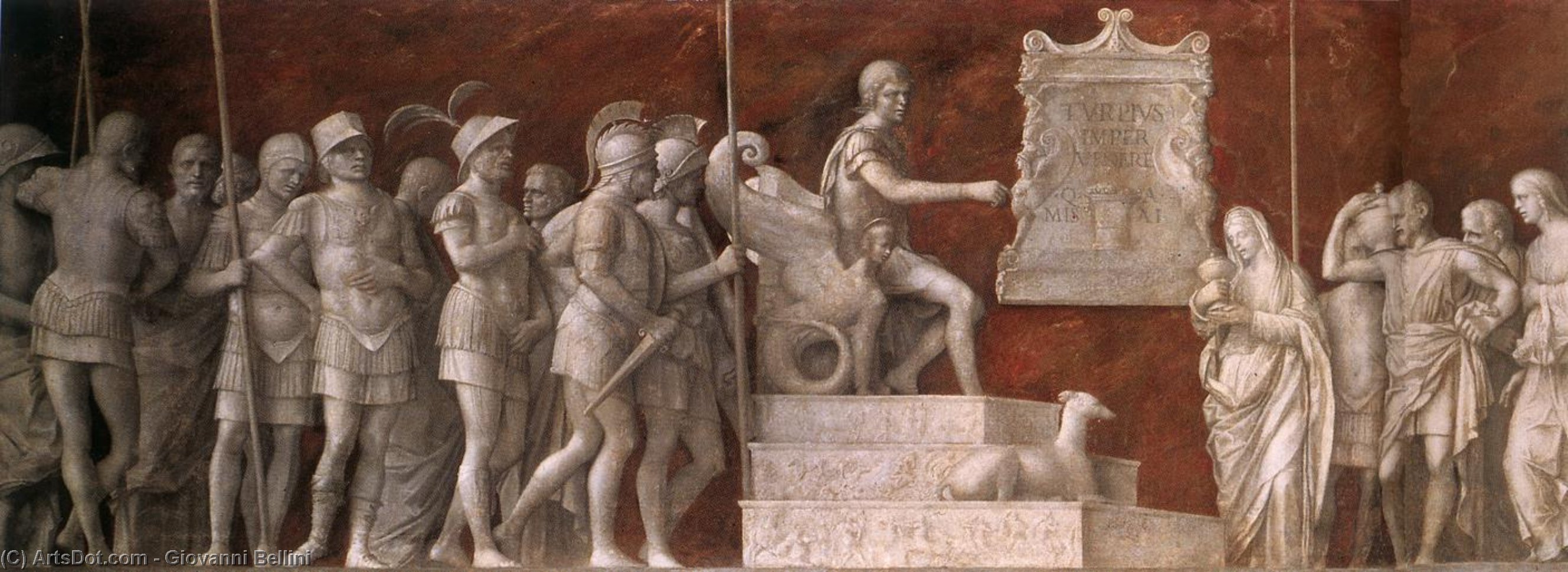
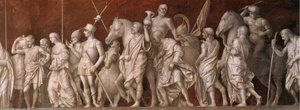
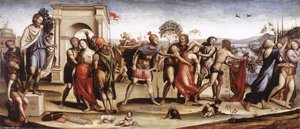
Continence of Scipio (detail)
 Renaissance
 1507
1507 74.0 x 35.0 cm
 National Gallery of Art
 Read More
Purchase a high-resolution, enhanced digital image, far superior to the online preview.
Each file is meticulously prepared by our in-house specialists using advanced tools and expert manual retouching. We ensure every image has exceptional clarity, precise color accuracy, and fine detail.
The final file is delivered via email within 72 hours, optimized for immediate use in professional, editorial, and print environments. This is the same quality trusted by top-tier design studios, publishers, and galleries.
Digital Image
Download a high-resolution file for personal display, printing, and creative projects. ( Buy Print Buy Hand Made Painting)
Included in Every Digital Image Order
Expert Digital Delivery, Guaranteed
When you choose ArtsDot.com, you're not just getting an image - you're receiving a professionally enhanced digital artwork, crafted with precision and backed by a satisfaction guarantee. Here's everything that comes with your order, automatically:

Fast Email Delivery
Your high-resolution digital image file will be emailed to you within 72 hours of ordering - ready for immediate use.

AI-Enhanced Digital File
Your artwork is professionally optimized using advanced AI tools and manual editing, ensuring maximum detail, clarity, and color accuracy.

Free Lifetime Re-Delivery
Accidentally deleted or lost your file? No worries - we'll resend it to you anytime, free of charge.

No Import Fees - Ever
Enjoy your artwork instantly with zero customs, duties, or delivery fees - digital downloads are always tax-free.

Color Accuracy Guarantee
We ensure your digital image reflects the original colors as closely as possible using professional tools and color management.

60-Day Satisfaction Guarantee
If you're not satisfied with your digital image, we'll revise it or refund 100% within 60 days - no questions asked.

100% Money-Back Guarantee
Not satisfied? Get a full refund within 60 days of receiving your digital file - no questions asked.

Bulk Order Discounts
Buy 3 images, save 10% - Buy 5, save 15% - Buy 10+, save 20%. Great for creative projects, galleries, and agencies.
Giovanni Bellini’s ‘Continence of Scipio’: A Renaissance Masterpiece Illuminated
Giovanni Bellini, a Venetian luminary whose influence resonated throughout the Renaissance, stands as an embodiment of artistic evolution—a harmonious blend between Byzantine tradition and the humanist fervor sweeping across Europe. Born around 1430 – though scholarly debate persists regarding the precise year – into a family deeply rooted in artistic patronage, Bellini’s formative years were spent within a workshop steeped in innovation and masterful craftsmanship. His familial connections remain somewhat enigmatic; longstanding attribution to Jacopo Bellini as his father has yielded to more recent evidence suggesting Jacopo was Giovanni’s elder half-brother, with Gentile Bellini serving as his nephew rather than sibling. Nevertheless, this youthful immersion into artistic excellence instilled within him a profound understanding of painting's capabilities—a sensitivity that would define his oeuvre and solidify his legacy as one of Venice’s greatest artists.- Subject Matter: The fresco depicts a monumental scene rooted in Roman history, specifically referencing Scipio Africanus’ famed abstinence from pleasure during the siege of Syracuse. This narrative choice underscores themes of virtue, piety, and moral fortitude – concepts central to Renaissance humanist thought.
- Style & Technique: Bellini's style exemplifies the zenith of Venetian Renaissance painting. Characterized by meticulous realism combined with idealized proportions, it reflects a conscious effort to emulate classical ideals while simultaneously capturing the nuances of human emotion. The fresco’s execution utilizes *fresco*, a technique involving pigments mixed with water and applied directly onto wet plaster—a method demanding exceptional skill and patience.
Composition & Color Palette: Orchestrating Light and Emotion
The artwork's composition is deliberately hierarchical, guiding the viewer’s gaze across two interconnected panels. The left panel portrays a procession of Roman soldiers and citizens, rendered with painstaking detail—each figure meticulously sculpted to convey musculature and drapery that echo classical sculpture. Geometric lines dominate the scene, establishing architectural structures and delineating clothing folds, reflecting the influence of Greco-Roman aesthetics. Simultaneously, the right panel presents a more intimate tableau featuring Scipio Africanus, accompanied by a woman and a dog before an altar or monument. The color palette is subdued yet impactful—primarily earthy hues like browns, ochres, and reds—creating an atmosphere of solemn dignity and reinforcing the overarching moral message. Dramatic lighting plays a crucial role in shaping the emotional landscape, highlighting musculature and emphasizing textural subtleties.Symbolism & Narrative Depth: Layers of Meaning
Beyond its visual splendor, ‘Continence of Scipio’ is laden with symbolic significance. The soldiers' armor symbolizes military prowess and discipline, while the altar represents religious devotion and spiritual aspiration. The woman’s gesture—often interpreted as humility or submission—underscores the importance of moral restraint and virtuous conduct. Bellini skillfully weaves these elements into a narrative tapestry that transcends mere depiction; it invites contemplation on ethical dilemmas and celebrates the triumph of virtue over indulgence – values highly prized during the Renaissance period.Emotional Impact & Legacy: An Enduring Vision
Giovanni Bellini’s ‘Continence of Scipio’ continues to captivate audiences today, not merely for its technical brilliance but also for its profound emotional resonance. The artwork speaks to a timeless fascination with moral fortitude and the pursuit of spiritual excellence—themes that resonate powerfully across cultures and eras. Its meticulous detail and masterful use of color invite viewers into a world of classical grandeur and humanist contemplation, securing Bellini’s place as one of Venice's most enduring artistic treasures and an exemplar of Renaissance artistry.Related Artworks

Artist Biography
A Venetian Master: The Life and Legacy of Giovanni Bellini
Giovanni Bellini, a name synonymous with the blossoming Renaissance in Venice, stands as a pivotal figure bridging the gap between the traditions of Byzantine art and the innovative spirit that would define the 16th century. Born around 1430 – though some sources suggest 1433 – into a family deeply entrenched in the artistic world, Bellini’s journey was one of continuous evolution, marked by a profound sensitivity to color, light, and the burgeoning humanism of his era. The precise nature of his familial relationships has been debated; for years Jacopo Bellini was considered his father, but modern scholarship increasingly points towards Jacopo being Giovanni's elder half-brother, with Gentile Bellini as his nephew rather than sibling. Regardless of these intricacies, young Giovanni grew up immersed in a workshop brimming with creativity and technical expertise, absorbing the foundations of painting from an early age. His initial training likely involved the traditional tempera techniques favored at the time, but it was his innate talent for observation and emotional expression that would set him apart.Early Influences and Artistic Development
The artistic landscape of 15th-century Venice was a unique blend of influences. The city’s position as a major trading hub exposed its artists to diverse styles and ideas, while the Byzantine heritage continued to exert a strong pull. Bellini's early works reflect this duality. Initially, his style bore the mark of his father and brother, Gentile, with compositions often characterized by meticulous detail and a somewhat restrained emotional palette. However, even in these early pieces, hints of his future brilliance began to emerge – a delicate handling of light, a growing interest in naturalistic settings, and an ability to imbue religious figures with a palpable sense of human pathos. The influence of Andrea Mantegna, his brother-in-law, is also readily apparent during this period, particularly in the clarity of line and sculptural forms. Bellini’s early commissions often involved collaborative projects, such as his contributions to the Scuola di San Marco alongside Gentile and other prominent Venetian artists. These large-scale works provided invaluable experience and allowed him to hone his skills while working alongside some of the most talented painters of the day.Revolutionizing Venetian Painting: Color, Light, and Oil
Bellini’s true revolution lay in his embrace of oil paint. While not the inventor of the technique, he was among the first Venetian artists to fully exploit its potential. Unlike tempera, which dried quickly and demanded a precise, linear approach, oil paint allowed for greater blending, richer colors, and subtle gradations of tone. This newfound freedom enabled Bellini to create paintings with an unprecedented depth and luminosity. His use of color became increasingly sophisticated, moving away from the bright, often harsh hues of earlier Venetian painting towards a more nuanced and harmonious palette. He masterfully captured the effects of light and atmosphere, imbuing his landscapes with a sense of serenity and realism that was groundbreaking for its time. This mastery of oil paint not only transformed his own work but also laid the foundation for the distinctive style that would come to define the Venetian school – a style celebrated for its sensuousness, coloristic richness, and atmospheric perspective. His paintings began to radiate an inner glow, reflecting a spiritual depth that resonated with viewers.Mature Works and Lasting Influence
As Bellini matured, his artistic vision continued to evolve. His altarpieces, such as those created for the churches of San Zaccaria and Santa Corona, demonstrate his ability to create complex compositions filled with symbolic meaning and emotional resonance. The *Transfiguration*, now housed in the Capodimonte Museum in Naples, exemplifies his mature style – a serene spirit combined with ripened artistic powers. He also served as conservator of the paintings in Doge’s Palace, further solidifying his reputation as Venice's leading artist. His influence extended far beyond his own lifetime. He became a mentor to a generation of younger painters, including Giorgione and Titian, who would carry on his legacy and push the boundaries of Venetian art even further. These pupils absorbed Bellini’s techniques and aesthetic principles, adapting them to their own individual styles and contributing to the golden age of Venetian painting. Bellini's impact can be seen in the works of countless artists who followed, solidifying his place as a true master of the Renaissance. He died in Venice in 1516, leaving behind a body of work that continues to inspire awe and admiration centuries later.A Legacy Enduring Through Time
Giovanni Bellini’s significance extends beyond his technical innovations and artistic achievements. He captured the spirit of a changing world – a world grappling with new ideas about humanity, spirituality, and the relationship between art and nature. His paintings are not merely representations of religious scenes; they are profound meditations on faith, beauty, and the human condition. His ability to imbue his figures with dignity and grace, combined with his masterful use of color and light, created a visual language that resonated deeply with his contemporaries and continues to captivate audiences today. Bellini’s legacy is not simply one of artistic brilliance; it is a testament to the power of art to transcend time and connect us to the enduring values of human experience. From the serene beauty of his Madonnas to the dramatic intensity of his religious scenes, Bellini's work remains a cornerstone of Western art history.
Giovanni Bellini
1433 - 1516 , Italy
Quick Facts
- Artistic Movement Or Style: Renaissance, Venetian School
- Artists Or Movements Influenced By This Artist:
- Giorgione
- Titian
- Venetian painting school
- Artists Who Influenced This Artist:
- Jacopo Bellini
- Gentile Bellini
- Andrea Mantegna
- Date Of Birth: c. 1433
- Date Of Death: 1516
- Full Name: Giovanni Bellini
- Nationality: Italian
- Notable Artworks:
- St. Jerome in the Desert
- The Transfiguration
- Coronation of the Virgin
- Place Of Birth: Venice, Italy

