The Enigmatic Soul of the Sienese Renaissance
In the vibrant tapestry of the Italian Renaissance, few figures possess a name as provocative or a legacy as multifaceted as Giovanni Antonio Bazzi, known to history by the evocative moniker Il Sodoma. Born in Vercelli around 1477, Bazzi emerged not merely as a painter, but as a transformative force who bridged the gap between the luminous, balanced idealism of the High Renaissance and the emotive, often unsettling drama of Mannerism. His artistic journey was one of profound synthesis, where the disciplined traditions of the Sienese school met the sweeping, atmospheric innovations of the Lombard style and the subtle psychological depth inspired by Leonardo da Vinci.
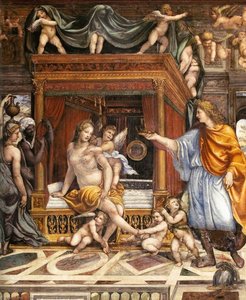
The early years of Bazzi’s life were marked by a rigorous apprenticeship that laid the groundwork for his technical mastery. Under the guidance of masters such as the "archaic" Martino Spanzotti and Giovenone, he absorbed a foundational understanding of form and color. As he moved into the cultural epicenter of Siena, his work began to reflect a unique stylistic evolution. He possessed a rare ability to superimpose the sophisticated, classical grace of early 16th-century Rome onto the more provincial, decorative traditions of Tuscany. This fusion allowed him to create works that felt both grounded in local heritage and part of a much larger, pan-Italian artistic revolution.
A Mastery of Light, Emotion, and Form
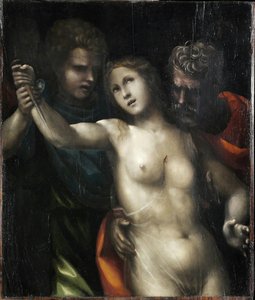
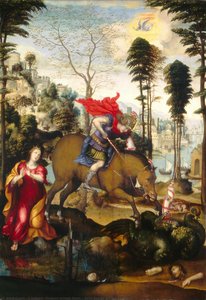
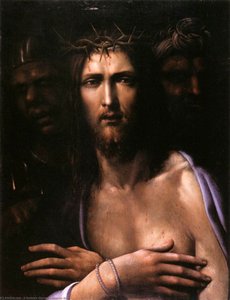
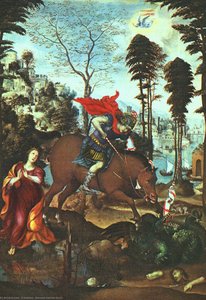
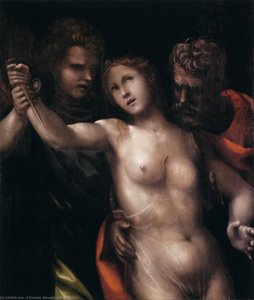
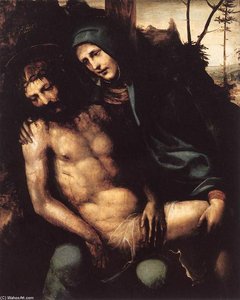
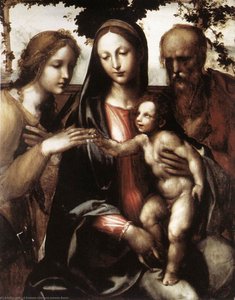
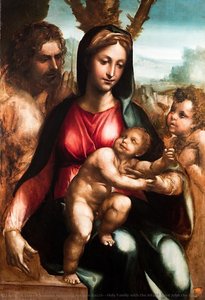
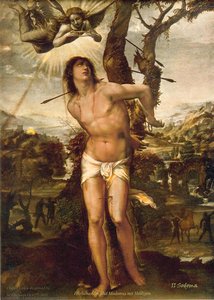
To observe a work by Il Sodoma is to witness a delicate dance between serenity and tension. His technique was characterized by an exquisite command over sfumato and a rich, emotive use of color that could shift from the tender warmth of a Madonna’s cheek to the dramatic shadows of a mythological struggle. This versatility is perhaps most evident in his diverse range of subjects, which spanned the sacred and the profane with equal fervor.
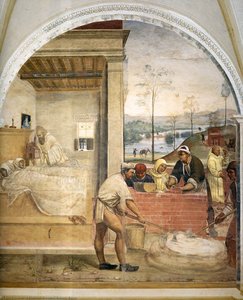
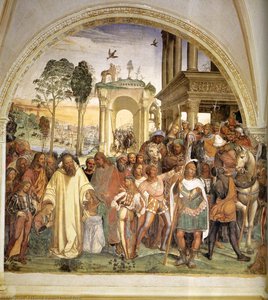
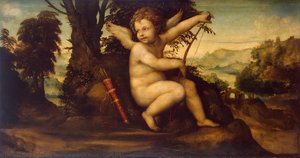
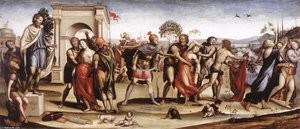
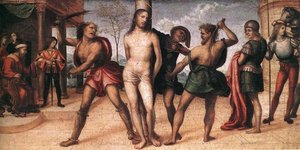
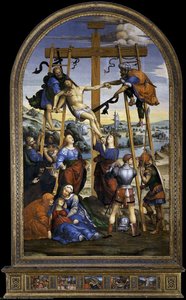
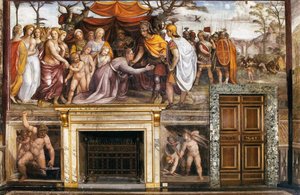
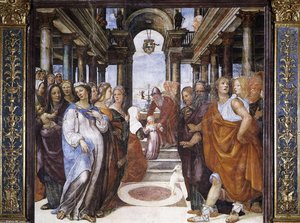
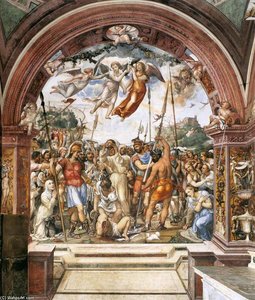
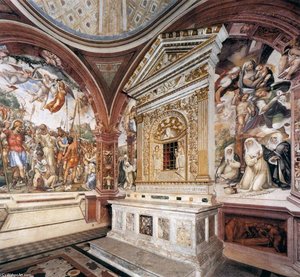
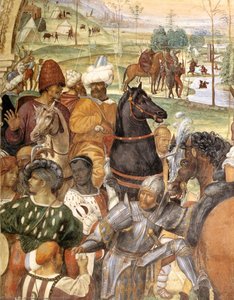
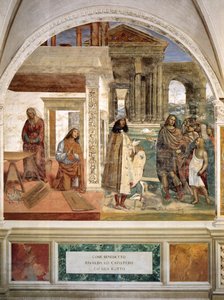
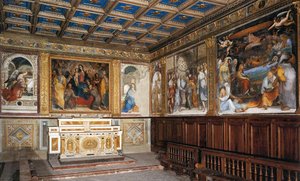
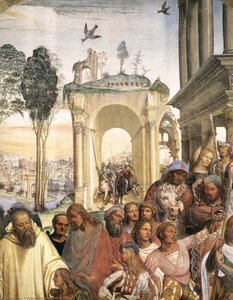
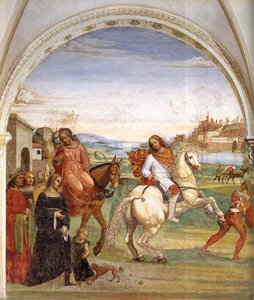
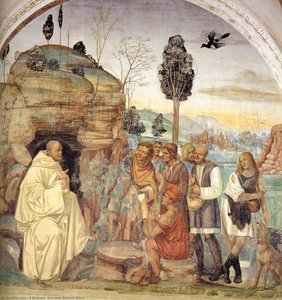
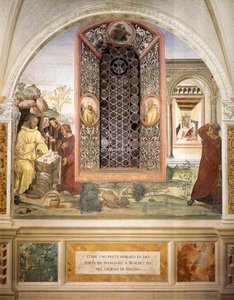
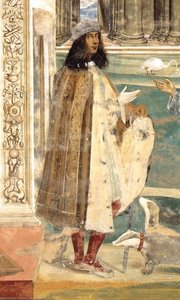
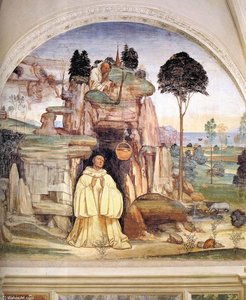
His contributions to the fresco tradition are nothing short of monumental. In the Oratory of San Bernardino in Siena, Bazzi demonstrated his ability to command vast architectural spaces, weaving complex narratives through balanced compositions that nonetheless pulsed with human emotion. His religious works, such as The Presentation of the Virgin in the Temple, showcase a profound spiritual grace, while his secular and mythological pieces, like the enchanting Cupid in a Landscape, reveal a fascination with the sensual and the idyllic. In these landscapes, one finds a serene Italian vista that serves as a stage for the divine or the mythological, rendered with a clarity that invites the viewer into a dreamlike state.
Legacy of a Transitional Master
The historical significance of Il Sodoma lies in his role as a stylistic conduit. He did not merely follow the trends of his era; he helped shape the transition from the harmonious stability of the High Renaissance to the more experimental, distorted, and expressive language of Mannerism. By introducing exaggerated gestures and heightened emotionality into the established Sienese framework, he prepared the way for the next generation of artists to explore the complexities of the human psyche.
Even as his name carried a certain notoriety, his artistic output remained a testament to technical brilliance and intellectual depth. His ability to navigate the prestigious commissions of popes and powerful patrons alike—including connections to the influential Agostino Chigi—ensured that his influence would resonate far beyond the walls of Siena. Today, Bazzi stands as a pivotal figure whose work continues to captivate, reminding us of a period when art was a profound exploration of both the earthly beauty and the spiritual mysteries of the human condition.