

 Preview
 Send
Send Share
Share
 Details

 Download
 Similars
 X-Ray
X-Ray Diaporama
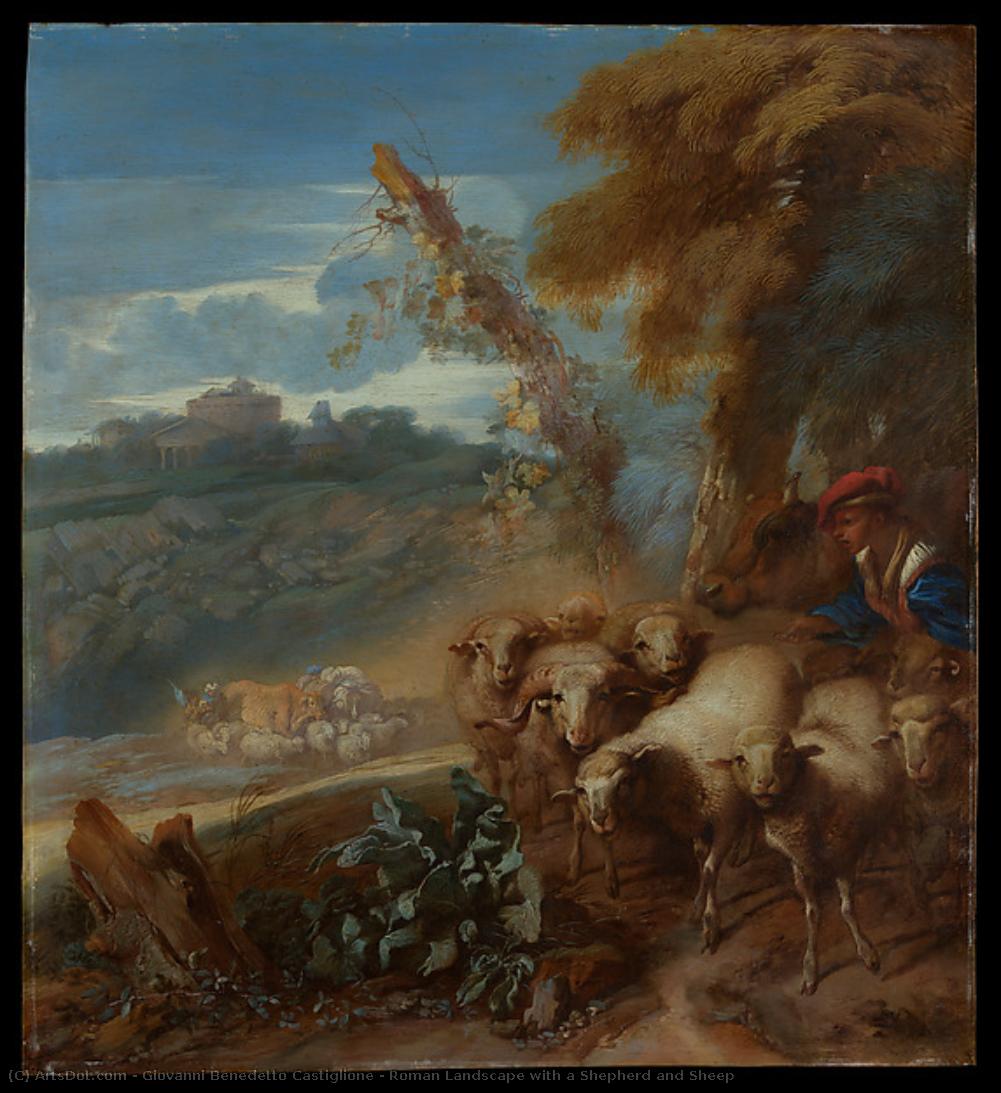
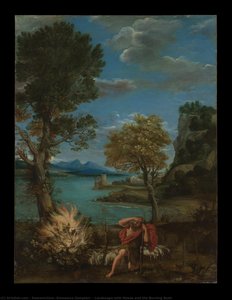
Roman Landscape with a Shepherd and Sheep
 Oil On Canvas
- WallArt
- Baroque
 1640
1640 48.0 x 43.0 cm
 Metropolitan Museum of Art
 Read More
Purchase a high-resolution, enhanced digital image, far superior to the online preview.
Each file is meticulously prepared by our in-house specialists using advanced tools and expert manual retouching. We ensure every image has exceptional clarity, precise color accuracy, and fine detail.
The final file is delivered via email within 72 hours, optimized for immediate use in professional, editorial, and print environments. This is the same quality trusted by top-tier design studios, publishers, and galleries.
Digital Image
Download a high-resolution file for personal display, printing, and creative projects. ( Buy Print Buy Hand Made Painting)
Included in Every Digital Image Order
Expert Digital Delivery, Guaranteed
When you choose ArtsDot.com, you're not just getting an image - you're receiving a professionally enhanced digital artwork, crafted with precision and backed by a satisfaction guarantee. Here's everything that comes with your order, automatically:

Fast Email Delivery
Your high-resolution digital image file will be emailed to you within 72 hours of ordering - ready for immediate use.

AI-Enhanced Digital File
Your artwork is professionally optimized using advanced AI tools and manual editing, ensuring maximum detail, clarity, and color accuracy.

Free Lifetime Re-Delivery
Accidentally deleted or lost your file? No worries - we'll resend it to you anytime, free of charge.

No Import Fees - Ever
Enjoy your artwork instantly with zero customs, duties, or delivery fees - digital downloads are always tax-free.

Color Accuracy Guarantee
We ensure your digital image reflects the original colors as closely as possible using professional tools and color management.

60-Day Satisfaction Guarantee
If you're not satisfied with your digital image, we'll revise it or refund 100% within 60 days - no questions asked.

100% Money-Back Guarantee
Not satisfied? Get a full refund within 60 days of receiving your digital file - no questions asked.

Bulk Order Discounts
Buy 3 images, save 10% - Buy 5, save 15% - Buy 10+, save 20%. Great for creative projects, galleries, and agencies.
Collectible Description
Giovanni Benedetto Castiglione’s Roman Landscape with a Shepherd and Sheep
Giovanni Benedetto Castiglione's "Roman Landscape with a Shepherd and Sheep," painted in 1640, stands as a cornerstone of Baroque art—a testament to the movement’s dramatic flair and meticulous observation of nature. More than just a depiction of pastoral scenery, it embodies the philosophical ideals of its time, reflecting a fascination with classical antiquity alongside burgeoning religious fervor. Examining this artwork reveals layers of artistic innovation and symbolic resonance that continue to captivate audiences today.- Historical Context: The painting emerged during Carlo II’s reign in Mantua—a period marked by political instability and artistic patronage aimed at bolstering the duchy's prestige. Castiglione, deeply influenced by Flemish masters like Rubens and Van Dyck, sought to elevate the visual arts beyond mere representation, striving for an emotive response from the viewer. The Baroque era championed grandeur and theatricality, mirroring the turbulent spirit of the age.
- Style & Technique: Castiglione’s masterful use of oil paint on copper exemplifies the Baroque aesthetic—characterized by rich color palettes, dynamic compositions, and a profound sense of depth. He employed glazing techniques to build up luminous layers of pigment, creating an ethereal quality that captures the golden light of late afternoon. Linear perspective skillfully guides the eye across the landscape, emphasizing the vastness of the hills and the distant townscape.
- Composition & Symbolism: The scene unfolds with a carefully balanced arrangement—a foreground group of sheep and shepherd dominating the lower portion of the canvas, contrasted by rolling hills ascending towards the horizon. A distant town adds visual interest and reinforces the sense of scale. Beyond its formal beauty, the painting speaks to broader themes of simplicity, tranquility, and communion with nature—values central to humanist thought during Castiglione’s era.
- Material & Craftsmanship: The copper support was chosen specifically for its ability to transmit light and color with exceptional brilliance—a deliberate decision reflecting Castiglione's commitment to technical excellence. His meticulous brushwork, combined with the careful layering of glazes, demonstrates an unparalleled level of artistic precision.
- Emotional Impact: Viewing “Roman Landscape” evokes a feeling of serene contemplation—drawing inspiration from classical ideals and religious symbolism alike. The artist’s ability to convey both visual splendor and psychological depth cements Castiglione's place as one of the most influential painters of his generation, securing his legacy as an icon of Baroque artistry.
Additional Research Links
- Explore Giovanni Benedetto Castiglione’s 1640 ‘Roman Landscape’.
- Giovanni Benedetto Castiglione (Il Grechetto) – Artist Database
- Roman Landscape with a Shepherd and Sheep - The Metropolitan Museum of Art
- Giovanni Benedetto Castiglione – Wikipedia
Further Exploration
Consider examining similar Baroque landscapes by artists such as Rubens and Rembrandt to appreciate the broader artistic context of Castiglione’s masterpiece. Analyzing the symbolism embedded in pastoral imagery—representing innocence, piety, and harmony with God—offers a deeper understanding of the artwork's spiritual significance.Related Artworks
Artist Biography
The Master of Line: Giovanni Benedetto Castiglione's Baroque Vision
To encounter the work of Giovanni Benedetto Castiglione is to step into a richly detailed, meticulously observed corner of the Seicento Italian world. Born in Genoa in 1609, this artist emerged from the vibrant crucible of the Genoese School, establishing himself as a pivotal figure among Baroque masters. While his career spanned painting, printmaking, and drawing, it is perhaps his technical brilliance and his unique fascination with the natural world that continue to draw scholars and admirers alike. His early artistic education remains somewhat shrouded in mystery, though whispers suggest tutelage under Sinibaldo Scorza, an influence that undoubtedly shaped his profound command of line and shadow.
The currents of art flowing through Genoa during the seventeenth century were potent, drawing inspiration from masters such as Anthony van Dyck and Peter Paul Rubens. These influences are visible in Castiglione's ability to render figures with both dramatic flair and palpable realism. Yet, while he was capable of capturing grand historical narratives and evocative portraits, it is a distinct turn toward the pastoral and the animalistic that truly defines his enduring legacy.
A Deep Affinity for the Natural World
What sets Castiglione apart from many of his contemporaries is the sheer prominence given to fauna in his compositions. Where religious or historical events might serve as mere backdrop, the animals often become the undeniable protagonists. Consider his depictions of biblical scenes; the drama unfolds not through the human conflict, but through the magnificent stampede of creatures. This focus suggests more than mere artistic habit; it hints at a deep philosophical engagement with nature's inherent power and order.
His fascination found a perfect subject in narratives such as Noah's Ark, where the gathering and passage of diverse animal life become central to the visual narrative. Furthermore, his celebrated series of exotic heads—portraits often featuring vaguely oriental males and women—demonstrates an equally keen eye for ethnographic detail, making these prints highly sought after across various global collections.
Innovation in Printmaking: The Art of Monotype
Beyond his painted canvases, Castiglione was a revolutionary craftsman within the printmaking medium. He is credited with inventing or at least popularizing the technique of monotyping—a process that allowed for unique, ephemeral impressions from plates. This technical mastery elevated his prints beyond mere reproductions; they became singular artistic statements in their own right. His etchings, such as those published by Giovanni Giacomo de Rossi, showcase this versatility, ranging from allegorical figures like Diogenes searching for a man to complex mythological scenes.
His ability to manipulate line and shading within the confines of printmaking allowed him to achieve an atmospheric quality that was both delicate and robust. This technical prowess underscores his status not just as a painter, but as a consummate visual engineer.
Legacy and Enduring Influence
Castiglione’s commitment to detail in rendering nature has led art historians to draw direct parallels between his work and the still life traditions of the Flemish school. His attention to texture—the sheen on an animal's coat, the curve of a horn—is nothing short of masterful. He managed to imbue even seemingly mundane farm animals with dignity and presence.
Il Grechetto, as he was sometimes known, left behind a body of work that speaks to both the grand sweep of Baroque drama and the quiet intimacy of natural observation. His prints remain vibrant testaments to the Seicento spirit—a period where art embraced complexity, technical innovation, and an unwavering celebration of life in all its forms.
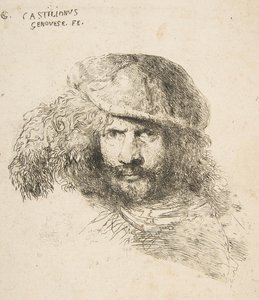
giovanni benedetto castiglione
1609 - 1664 , Italy
Quick Facts
- Artistic Movement Or Style: Baroque
- Artists Or Movements Influenced By This Artist:
- Sinibaldo Scorza
- Flemish still life
- Artists Who Influenced This Artist:
- Anthony van Dyck
- Peter Paul Rubens
- Date Of Birth: March 23, 1609
- Date Of Death: May 5, 1664
- Full Name: Giovanni Benedetto Castiglione
- Nationality: Italian
- Notable Artworks:
- Noah's Ark
- Diogenes searching
- Genius of Castiglione
- Place Of Birth: Genoa, Italy

