 Preview
 Send
Send Share
Share
 Details

 Download
 Similars
 X-Ray
X-Ray Diaporama
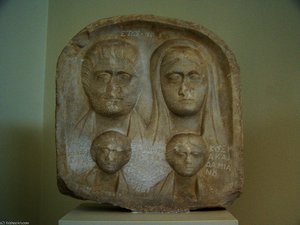
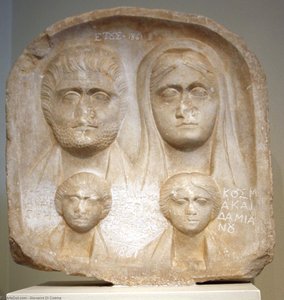
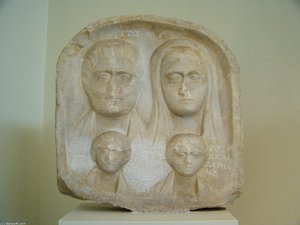
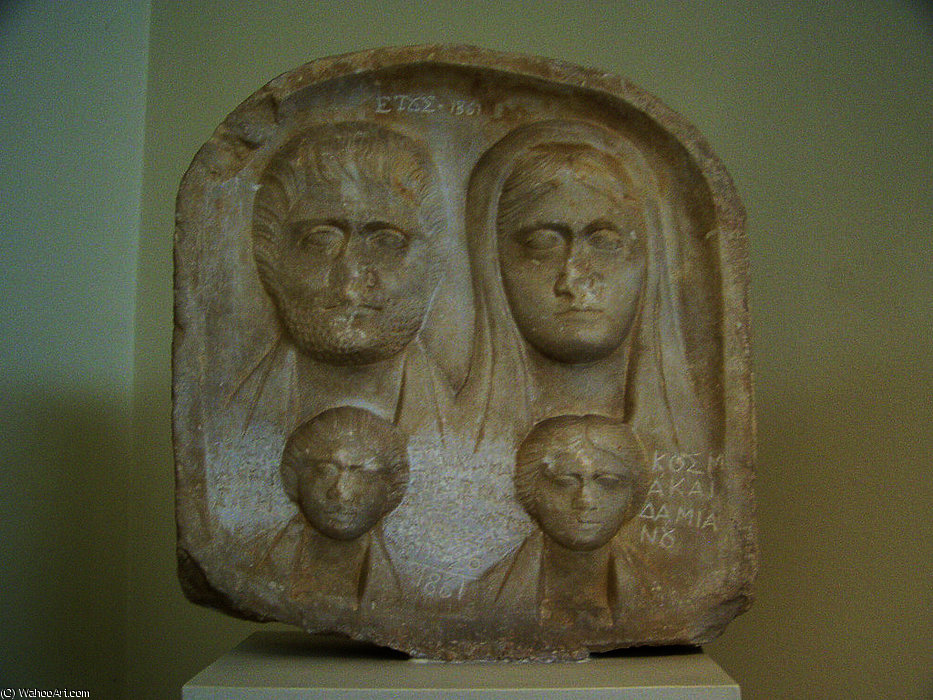
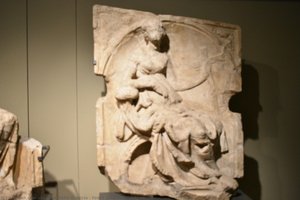
Grave relief NAMA 3239 (DerHexer)

 Read More
Hand Made Oil Reproduction
Hand-painted oil on canvas in your size and frame, made to order by our artists. ( Buy Print Buy Image)




































Pick from our preset sizes that match the artwork's original proportions.

You may enter your own dimensions to fit a specific frame or space. If your selected size does not match the original image's proportions, we will either crop the artwork or extend the painting with additional hand-painted elements. A digital mockup will be sent for your approval before production begins.
Please note that the on-screen preview does not reflect the actual cropping or extension. Only the mockup will accurately show the final composition.
While custom sizes are available, we recommend selecting a dimension from the predefined list to preserve the original proportions.
After order, ArtsDot.com team will email client for instructions and provide a mockup preview
Worldwide Delivery () in 3/4 weeks instead of standard 5 weeks. (22 August). No compromise on quality.

Free Worldwide Express Shipping

High-Quality Linen Canvas

Full Shipping Insurance

Customs Tax Refund Guarantee

True Color Matching Guarantee

60-Day Return Policy (Defects Only)

100% Money-Back Guarantee

Bulk Discount Offer
 Glass option is only available in size under 110 CM

Grave relief NAMA 3239 (DerHexer)
Reproduction Medium
Reproduction Size
-


Total Price
$ 338
Related Artworks

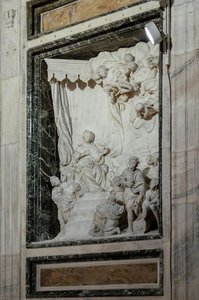
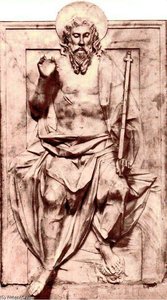
Artist Biography
Giovanni di Cosma: A Master of Roman Fresco Painting
Giovanni di Cosma (active 1290s in Rome) stands as a pivotal figure within the burgeoning artistic landscape of late Medieval Italy, particularly renowned for his contributions to monumental fresco painting—a technique that would define the aesthetic sensibilities of the era. While biographical details remain scarce, scholarly consensus points to him as a member of the Cosmati family, a dynasty celebrated for their unparalleled skill in crafting intricate marble sculptures and architectural embellishments, primarily serving papal commissions during the reign of Nicholas IV (1274–1294) and Boniface VIII (1303–1305). His legacy resides not merely in quantity but in quality—a singular dedication to capturing divine grandeur and conveying spiritual narratives with breathtaking precision.- Early Life & Family Tradition: The Cosmati family’s reputation predates Giovanni's artistic endeavors, tracing its roots back centuries earlier. Their mastery of marble carving established a formidable precedent for architectural decoration and sculptural excellence—a tradition that Giovanni undoubtedly absorbed during his formative years.
- Roman Workshop & Patronage: Giovanni operated from Rome, establishing himself as part of a vibrant workshop environment fueled by papal patronage. This association afforded him access to ambitious projects aimed at glorifying the papacy and commemorating significant religious events—a context that profoundly shaped his artistic vision.
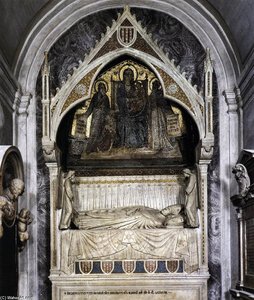
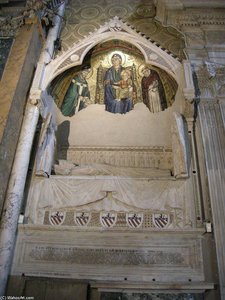
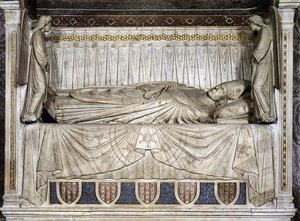
- Notable Frescoes: Giovanni’s fame rests principally upon his frescoes adorning churches throughout Rome, most notably the Tomb of Cardinal Garcia Gudiel in St. Mary Major Basilica. This monumental undertaking exemplifies Cosmati's technical prowess and artistic sensitivity—characterized by masterful use of color palettes, meticulous detailing, and a profound understanding of spatial illusion.
Technique & Artistic Style
Giovanni di Cosma’s fresco technique reflects the prevailing stylistic trends of his time—primarily influenced by Byzantine art. He skillfully employed encaustic painting, layering pigment onto heated beeswax to achieve luminous surfaces and exceptional tonal range. This method ensured that colors retained their vibrancy over extended periods, resulting in frescoes that continue to captivate viewers centuries later. The Tomb of Cardinal Gudiel stands as a testament to his meticulous attention to detail—featuring exquisitely rendered drapery folds, facial expressions, and architectural elements—all executed with unparalleled accuracy. His compositions prioritize clarity and grandeur, conveying religious symbolism through carefully orchestrated visual narratives.- Color Palette & Luminosity: Cosmati’s color palettes were deliberately restrained yet impactful, favoring hues that evoked spiritual solemnity and reverence. He achieved remarkable luminosity by exploiting the reflective properties of beeswax—a technique that distinguishes his work from more conventional fresco methods.
- Spatial Illusion & Perspective: Giovanni demonstrated a sophisticated grasp of spatial illusion—creating convincing depth effects through subtle gradations of color and shading. This mastery aligns with Byzantine artistic conventions, which sought to transcend earthly limitations and depict divine realms with breathtaking realism.
Influence & Legacy
Giovanni di Cosma’s frescoes exerted considerable influence on subsequent generations of Roman artists—establishing him as a cornerstone of Medieval Italian fresco painting. His meticulous craftsmanship and stylistic innovations served as models for aspiring painters—inspiring them to emulate his mastery of color, technique, and spatial illusion. Furthermore, the Tomb of Cardinal Gudiel remains an enduring symbol of papal grandeur and artistic achievement—a masterpiece that continues to inspire admiration and scholarly study.- Byzantine Tradition: Cosmati’s work embodies the Byzantine aesthetic ideal—characterized by spiritual solemnity, luminous surfaces, and a profound reverence for religious iconography. He assimilated Byzantine stylistic principles while adapting them to Roman artistic conventions.
- Monumental Fresco Painting: Giovanni di Cosma elevated monumental fresco painting to new heights of artistic excellence—demonstrating that it could convey complex theological concepts with breathtaking visual impact. His Tomb of Cardinal Gudiel exemplifies this ambition—a testament to Cosmati’s enduring legacy as a master craftsman and visionary artist.
Concluding Remarks
Giovanni di Cosma's contribution to the artistic heritage of Rome is undeniable. Though biographical information remains elusive, his indelible mark on Medieval Italian fresco painting—particularly evident in the Tomb of Cardinal Gudiel—solidifies his position as a pivotal figure within the broader context of papal patronage and Byzantine influence. His unwavering dedication to technique, color, and spatial illusion ensures that Giovanni di Cosma’s frescoes continue to resonate with audiences today—a timeless reminder of the splendor and spiritual depth attainable through masterful artistic expression.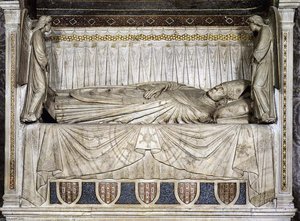
giovanni di cosma
1305
Quick Facts
- Artistic Movement Or Style: Medieval Art
- Date Of Death: 1305
- Full Name: Giovanni di Cosma
- Nationality: Italian
- Notable Artworks: ['Tomb of Cardinal Garcia Gudiel']
- Place Of Birth: Rome
Related Articles

Giotto's Masterpieces: 25 Renaissance Artworks for Your Home | ArtsDot
Explore 25 breathtaking artworks by Giotto di Bondone, a Renaissance master. Discover the stories behind iconic frescoes & paintings like the Scrovegni Chapel cycle. Find museum-quality Giotto reproductions and elevate your home decor with ArtsDot.com.

Bronze Sculptures That Defined Art History | ArtsDot
Journey through art history with our Top 10 bronze sculptures! Explore masterpieces by Rodin, Michelangelo & more. Discover stories behind iconic statues and find museum-quality reproductions for your home decor at ArtsDot.com.
The Enduring Allure of Marble in Art History: From Classical Sculpture to Modern Abstraction
Explore the captivating history of marble sculpture from ancient Greece to modern art. Discover renowned artists like Canova & Michelangelo, carving techniques, and investment insights at ArtsDot.

The Enduring Form: Exploring Themes & Techniques in Sculpture Across Historical Periods
Explore the rich history of sculpture from ancient masterpieces to contemporary innovations. Discover key techniques, influential artists & investment potential for discerning art collectors.
The Enduring Form: Sculpture Across History, Technique & Emotional Resonance
Explore the rich history of sculpture with ArtsDot. Discover key techniques, influential artists & investment potential for discerning collectors. Expert insights into valuing and collecting timeless masterpieces.